



The Queer East Festival is set to return for its highly anticipated seventh edition, promising an extensive five-week exploration of East and Southeast Asia’s vibrant and evolving queer landscape. Running from May 1 to June 6, 2026, the festival will transform numerous venues across London into hubs for cinematic and performing arts, showcasing a diverse array of feature films, short films, documentaries, and moving image works. This year’s iteration aims to deepen the public’s understanding and appreciation of LGBTQ+ narratives and experiences originating from or connected to the region, building upon its established reputation as a significant platform for queer Asian voices.
A Landmark Opening with "The Outsiders"
The festival will commence with a significant cinematic event on May 1 at the prestigious Barbican Centre. The opening night will feature the UK premiere of a meticulously restored 4K version of Yu Kan-Ping’s seminal 1986 Taiwanese film, "The Outsiders." This adaptation of Pai Hsien-Yung’s groundbreaking novel, "Crystal Boys," holds immense cultural importance. The restoration is particularly noteworthy for its inclusion of previously censored material, allowing audiences to experience the film in its full, intended "hallucinatory glory." This commitment to presenting uncensored and historically significant works underscores the festival’s dedication to historical accuracy and artistic integrity. The film’s original release in 1986 marked a pivotal moment in Taiwanese cinema, offering an early and influential depiction of queer lives in a period of significant social and political transition. Its re-emergence in a restored format provides a crucial opportunity to re-evaluate its impact and legacy within both Taiwanese and global queer cinema.
A Sprawling Program Across London Venues
Beyond the Barbican, Queer East 2026 will extend its reach across a multitude of esteemed London institutions. Screenings and events are scheduled to take place at the BFI Southbank, Centre 151, Genesis Cinema, ICA, Rich Mix, Rio Cinema, The Garden Cinema, Museum of the Home, and UCL East Community Cinema, among others. This broad geographical spread ensures accessibility for a wide audience and highlights the festival’s integration into London’s cultural fabric. The program itself is a testament to the richness and diversity of queer Asian cinema, featuring a compelling mix of fiction and documentary, classic restorations, and new UK premieres. The selection includes films from across Asia and its diaspora communities, reflecting the multifaceted nature of queer identity and experience. Notably, two rare screenings will be presented in the highly regarded 35mm format, offering a unique aesthetic and historical viewing experience for cinephiles.
Highlights of the 2026 Program
The curated selection for Queer East 2026 promises a compelling and thought-provoking journey through contemporary and historical queer narratives.
-
The Outsiders: As mentioned, this 4K restoration of Yu Kan-Ping’s groundbreaking Taiwanese queer drama will serve as the opening night centerpiece, offering a profound glimpse into the lives and loves explored in Pai Hsien-Yung’s influential novel.
-
3670: This film is recognized as a milestone in South Korean queer cinema, delving into the hidden codes and social dynamics of Seoul’s gay scene. Its inclusion speaks to the growing visibility and artistic sophistication of LGBTQ+ filmmaking from South Korea.

-
A Useful Ghost: Hailing from Thailand, this debut feature is described as "wildly camp," promising a satirical and engaging critique of the establishment and cultural hypocrisy. Such films often provide sharp social commentary through humor and exaggerated performance.
-
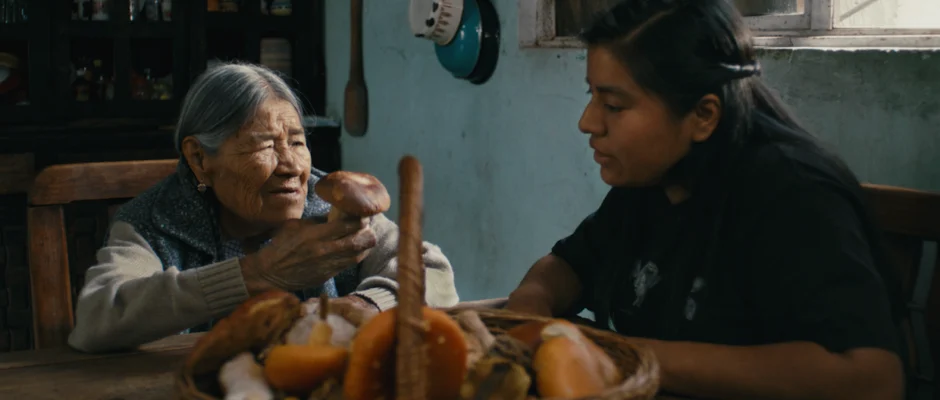
Montreal, My Beautiful: Featuring the acclaimed screen icon Joan Chen, this film is highlighted as a landmark work within the queer Asian diaspora cinema. Its focus on diaspora experiences is crucial for understanding the complexities of identity formation across different cultural contexts.
-
Between Goodbyes: This poignant documentary offers a UK premiere, exploring the deeply personal stories of queer adoption and the lasting legacy of Korea’s overseas adoption program. Such documentaries often bring to light lesser-known but significant social histories.
-
Cactus Pears: Representing the festival’s "Beyond Strand," this film garnered significant international acclaim by winning the World Cinema Grand Jury Prize at Sundance 2025. Its inclusion suggests a focus on cutting-edge international queer cinema.
-
A Good Child: A UK premiere, this film is lauded as a "hilariously funny and profoundly moving drag comedy" from Singapore. The emergence of drag culture as a subject in queer cinema often signifies evolving social acceptance and artistic expression.
-
Johanna d’Arc of Mongolia: This 1989 classic by lesbian cinema pioneer Ulrike Ottinger is a significant inclusion. Screening with a curator introduction and artist discussion, it provides a historical context for queer filmmaking and celebrates the contributions of foundational artists.
Beyond the Screen: Events and Discussions
Queer East Festival is not solely a cinematic event; it actively fosters dialogue and community engagement through a robust program of accompanying events. These include insightful talks, practical workshops, and vibrant live performances designed to complement and expand upon the themes presented in the film program. A notable highlight is "Offline Memories," a series inspired by the Hong Kong LGBTQ+ Archive of Printed Matter. This initiative aims to illuminate the city’s pre-Internet queer culture, providing a valuable historical perspective and recognizing the importance of archival work in preserving marginalized histories. Such programming demonstrates the festival’s commitment to historical preservation and the understanding of cultural memory.

Context and Significance of Queer East
The Queer East Festival, now in its seventh year, has steadily grown in prominence since its inception. Founded with the aim of addressing the underrepresentation of East and Southeast Asian LGBTQ+ narratives in mainstream film and arts programming, it has become a vital platform for showcasing diverse perspectives. The festival’s consistent growth in scale and ambition reflects an increasing global interest in queer Asian stories and a burgeoning talent pool of filmmakers and artists from the region. In recent years, there has been a noticeable surge in international recognition for queer Asian cinema, with films and artists gaining traction at major film festivals and cultural institutions worldwide. This trend is supported by data indicating a rise in LGBTQ+ representation in media, though disparities remain, particularly for non-Western narratives. Queer East plays a crucial role in bridging this gap, providing a dedicated space for these stories to be seen, discussed, and celebrated.
The festival’s expansion into more venues and its commitment to presenting a broad spectrum of works, from historical restorations to contemporary premieres, signals a maturing of the queer Asian arts scene and a growing appetite for its cultural output. The inclusion of films like "The Outsiders" in its original, uncensored form speaks to a broader movement within queer cinema to reclaim and re-present historical works with greater fidelity and context. This aligns with scholarly analyses that highlight the challenges faced by queer filmmakers in regions with varying degrees of censorship and social conservatism, and the importance of rediscovering and re-contextualizing their works for contemporary audiences.
Analysis of Implications and Broader Impact
The sustained success and expansion of the Queer East Festival have significant implications for both the representation of queer Asian communities and the broader landscape of international cinema. By providing a dedicated platform, the festival not only offers visibility to LGBTQ+ filmmakers and artists but also fosters a sense of community and shared experience among audiences. This increased visibility can contribute to greater social acceptance and understanding of queer lives within East and Southeast Asian communities, both domestically and in the diaspora.
Furthermore, the festival’s programming challenges Western-centric narratives within queer cinema, highlighting the unique cultural, social, and political contexts that shape queer identities and experiences across Asia. The inclusion of works that address issues such as diaspora, adoption, and the intersection of queer identity with cultural traditions offers nuanced perspectives that enrich the global discourse on LGBTQ+ rights and representation. The festival’s commitment to screening films in formats like 35mm also speaks to a broader appreciation for the craft and history of filmmaking, offering audiences a tangible connection to cinematic heritage.
The partnerships with prominent London institutions like the Barbican Centre and BFI Southbank lend the festival significant cultural capital and reach. This collaboration is indicative of a growing recognition by established arts organizations of the importance and artistic merit of queer Asian narratives. Such institutional support is crucial for the long-term sustainability and impact of festivals like Queer East, enabling them to reach wider audiences and secure greater resources.
As the festival looks ahead to its 2026 edition, its continued evolution and commitment to showcasing a diverse range of voices and stories suggest a promising future for queer East and Southeast Asian arts on the international stage. The festival’s ongoing efforts to preserve cinematic history, promote contemporary talent, and foster critical dialogue are vital contributions to the global celebration of LGBTQ+ culture and storytelling.
The full program and ticketing information for the Queer East Festival 2026 will be made available on the official website.