

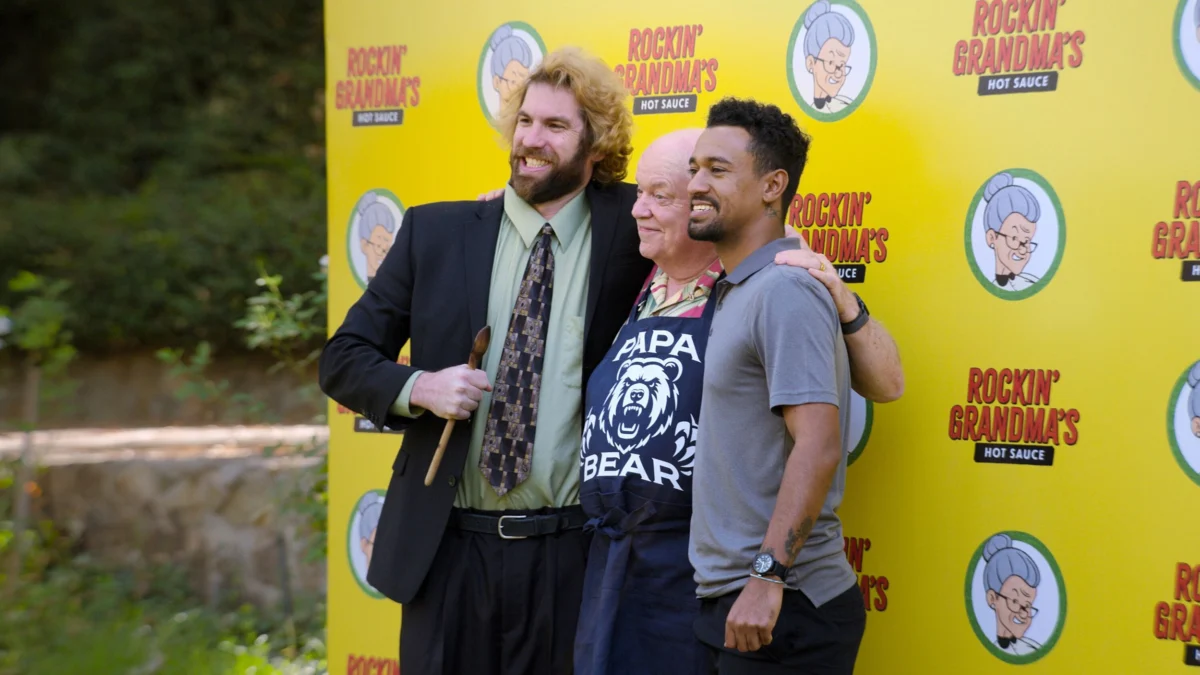
The second season of the critically acclaimed experimental docu-comedy series Jury Duty has officially shifted its focus from the legal system to the complexities of the American corporate environment. Titled Jury Duty Presents: Company Retreat, the production follows the same high-stakes premise that propelled its debut season to three Emmy nominations and viral status on social media: a single, unsuspecting individual is placed into a meticulously staged environment where every person they interact with is a professional actor. The protagonist for this iteration is Anthony Norman, a 25-year-old resident of Southern California who represents a demographic currently navigating one of the most volatile labor markets in recent history.
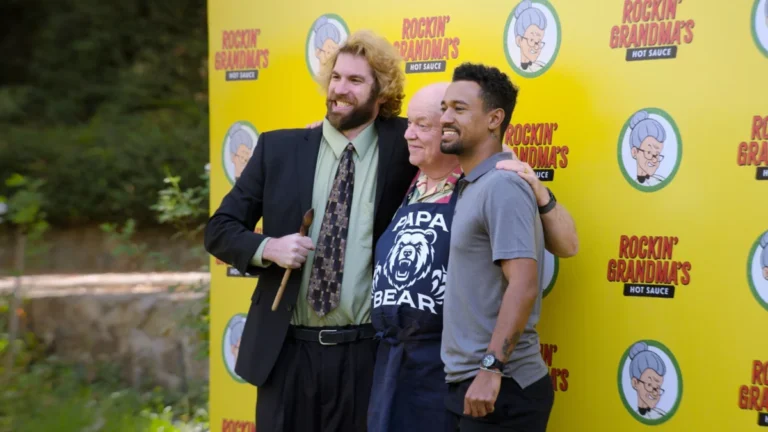
Anthony’s journey begins when he accepts what he believes to be a legitimate temporary position at Rockin’ Grandma’s Hot Sauce, a boutique family-owned business. His initial responsibilities are framed as standard administrative support, including assisting with daily operations and coordinating the logistics for the company’s annual retreat. Unbeknownst to him, the entire infrastructure of Rockin’ Grandma’s Hot Sauce—from the eccentric HR manager to the "nepo baby" heir apparent—is a scripted facade designed to test his reactions, leadership qualities, and capacity for empathy within a professional setting.
The Economic Backdrop: Gen Z and the Modern Labor Market
The casting of a 25-year-old for this social experiment is timely, reflecting broader socioeconomic trends affecting the youngest cohort of the workforce. According to data from the Bureau of Labor Statistics and recent economic reports, Gen Z workers are entering a market defined by high unemployment rates for entry-level roles and the looming shadow of artificial intelligence. The phenomenon of "layoffmaxxing," a term used to describe aggressive corporate downsizing strategies implemented by major tech firms such as Meta, Amazon, and Block, has created a culture of job insecurity.
In 2024 and 2025, hiring in the technology and media sectors slowed significantly, with some organizations reducing staff by as much as 20 percent. Furthermore, the integration of AI agents has begun to displace traditional freelance and entry-level administrative tasks, creating what experts describe as a "barrier to entry" crisis for recent graduates. For a worker like Anthony, the opportunity at Rockin’ Grandma’s Hot Sauce represents more than just a job; it is a rare chance for stability in an era where remote work mandates and algorithmic hiring have made human-centric workplace experiences increasingly scarce.
Corporate Structure and the Cast of Rockin’ Grandma’s Hot Sauce
The fictional company at the heart of the series is led by founder Doug Womack, who is preparing to transition leadership to his son, Dougie Jr. The narrative tension within the staged company mirrors real-world discussions regarding corporate succession and "nepo baby" culture. Dougie Jr., who recently returned from a four-year period in Jamaica performing with a hotel lobby ska band, is portrayed as a man desperate to shed his image as an unqualified heir—jokingly referring to himself as "the Bronny of hot sauce."
The supporting cast of actors populates the office with archetypes familiar to anyone who has navigated corporate life. Kevin Gomez, the head of Human Resources, embodies the overeager and often delusional optimism reminiscent of The Office’s Michael Scott. Kevin’s obsession with the "moment" hot sauce is currently having in the culinary world serves as a comedic anchor for Anthony’s onboarding process. Other key figures include Helen Schaffer, an accountant who claims to have been "cooking the books" for over two decades; PJ Green, a receptionist with aspirations of becoming a snack influencer on TikTok; and Anthony Gwinn, the sourcing manager who is humorously sidelined as "Other Anthony" despite his seniority.
Chronology of the Retreat: From Onboarding to Crisis Management
The production moves from the traditional office setting to Oak Canyon Ranch in Agoura Hills, a secluded resort designed to facilitate "team building." The retreat serves as the primary theater for the show’s escalating absurdity.
On the first day, the group participates in standard ice-breaking activities, but the atmosphere quickly shifts as the scripted conflicts begin to emerge. On the second day, Dougie Jr. attempts to assert his leadership by hiring an "emotions and vulnerability expert." This character, a parody of academic figures like Brené Brown, leads the staff through a series of increasingly uncomfortable and nonsensical exercises intended to foster "radical transparency."
The emotional climax of the retreat occurs when Kevin Gomez attempts a grand, albeit ill-conceived, marriage proposal to Amy Patterson, the customer relations coordinator. The revelation that the two have never actually been on a formal date leads to a public and humiliating rejection. When a distraught Kevin flees the retreat center, the vacuum of leadership provides an opening for Anthony Norman. Rather than retreating into the "quiet quitting" behavior often attributed to his generation, Anthony chooses to intervene. He adopts the improvised title of "Captain Fun," taking it upon himself to restore morale and manage the fallout of the failed proposal.
Supporting Data: The Value of In-Person Interaction
While the premise of Jury Duty Presents: Company Retreat is rooted in deception, the show provides a unique data point on the value of in-person socialization. Despite the "office mandates" being a point of contention in the real world, the series captures Anthony genuinely engaging with his colleagues. In one notable sequence, Anthony assists PJ Green in filming "Snack Attack" reviews for social media. The authentic joy displayed during these interactions suggests that for many Gen Z workers, the appeal of the office lies not in the work itself, but in the community and human connection it provides.
Industry analysis of streaming trends shows that workplace comedies remain among the most-watched genres. Shows like The Office, Parks and Recreation, and more recently Severance, continue to draw massive audiences because they reflect the universal struggles of autonomy, hierarchy, and interpersonal friction. Jury Duty takes this a step further by removing the fourth wall for its protagonist, creating a "hyper-reality" that highlights how individuals maintain their integrity when faced with corporate chaos.
Official Responses and Production Insights
While Prime Video has kept specific production secrets closely guarded, the creative team has indicated that the goal of Season 2 was to explore the "forced joy" of corporate culture. Producers noted that the success of the first season, which focused on the civic duty of a trial, proved that audiences are drawn to "hero" figures—ordinary people who prove to be remarkably kind and patient when surrounded by madness.
The choice of Agoura Hills as a filming location was strategic, providing a backdrop that felt both professional and isolated, heightening the "summer camp for adults" atmosphere that many corporate retreats aim to achieve. Industry insiders suggest that the budget for Season 2 was significantly increased following the surprise success of Season 1, allowing for more elaborate stunts, such as the staged "stolen goods" investigation involving a box of Cool Ranch Doritos and the orchestration of a secret office affair.
Broader Impact and Implications for Workplace Culture
The implications of Jury Duty Presents: Company Retreat extend beyond entertainment. It serves as a satirical critique of the modern "professional-managerial class" and the often-performative nature of corporate wellness. By placing a Gen Z worker at the center of this critique, the show highlights the resilience required to navigate a world where the lines between reality and performance are increasingly blurred.
Furthermore, the show arrives at a moment of profound anxiety regarding the future of work. As AI continues to automate technical tasks, the "soft skills" of leadership, emotional intelligence, and conflict resolution—the very skills Anthony is forced to use—are becoming the most valuable assets in the labor market. The show implicitly argues that while an AI can process data or manage logistics, it cannot replicate the spontaneous empathy required to comfort a coworker after a failed proposal or the charisma needed to lead a group of eccentric personalities.
Conclusion: The Persistence of the Human Element
Jury Duty Presents: Company Retreat ultimately functions as a testament to the persistence of human connection in the face of corporate absurdity. Anthony Norman’s experience, though based on a lie, reveals a fundamental truth about the modern worker: there is a deep-seated desire for belonging and purpose, even within the confines of a "circus of eccentricity."
As the season concludes, the "reveal" of the ruse typically serves as a moment of catharsis. For Anthony, the transition from a "wayward" job seeker to a proven leader within a fictional company provides a narrative arc that resonates with millions of young professionals facing similar uncertainties. In an era of "layoffmaxxing" and digital isolation, the show reminds its audience that the most meaningful parts of the workday are often the unscripted moments of camaraderie that happen between the meetings and the spreadsheets.