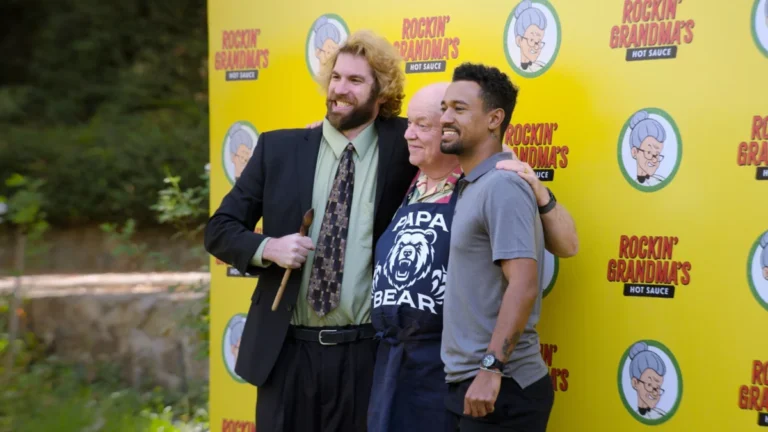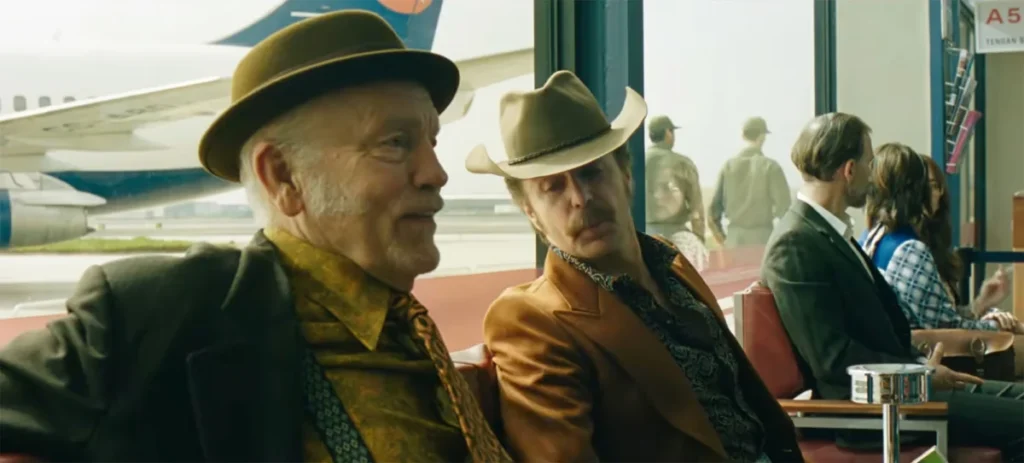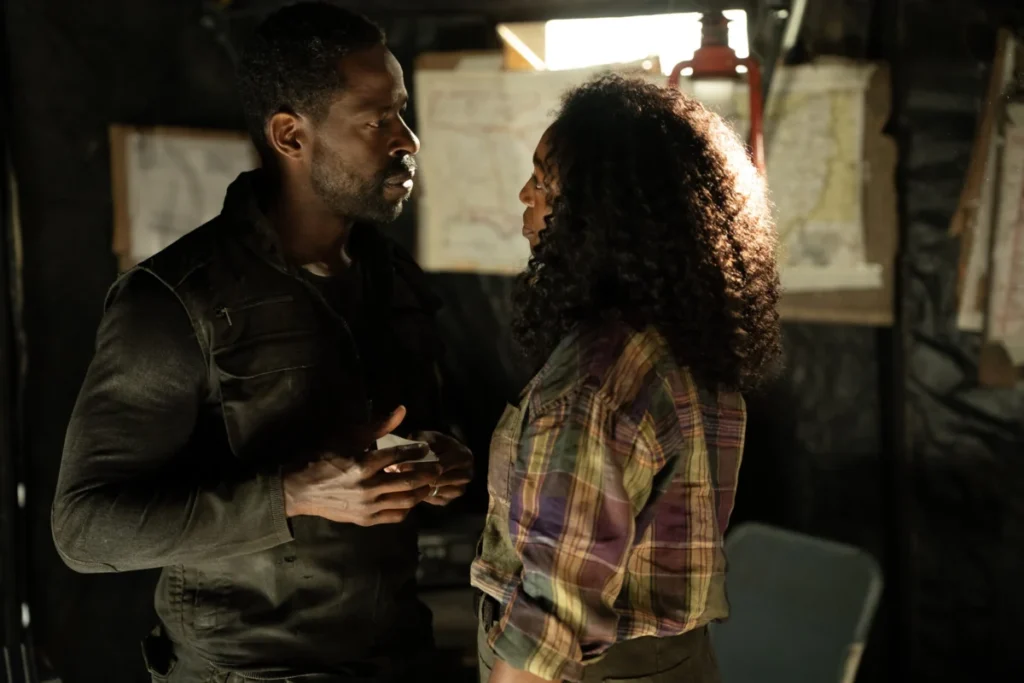




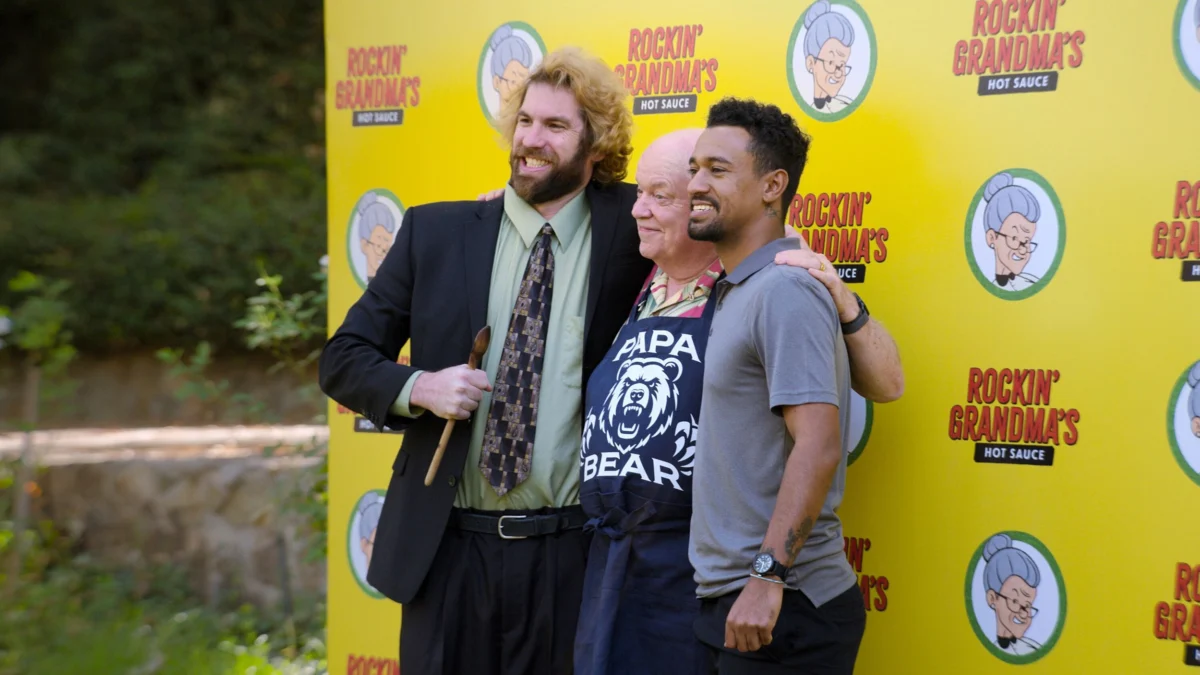
The contemporary labor market presents a formidable challenge for the youngest demographic of the workforce, a reality personified by Anthony Norman, a 25-year-old resident of Southern California. Norman represents the typical Gen Z professional: academically prepared yet economically displaced, navigating an era defined by high unemployment rates and a fundamental shift in hiring practices. His journey from a precarious job seeker to the unwitting protagonist of a high-concept television experiment serves as the foundation for the second season of Prime Video’s acclaimed docu-comedy franchise, titled Jury Duty Presents: Company Retreat. The series, which follows the groundbreaking success of its first season, places Norman in a meticulously crafted, staged environment where every colleague, supervisor, and corporate crisis is a performance, unbeknownst to him.
The Economic Landscape for Gen Z Professionals
To understand Norman’s participation in the series, one must first examine the broader economic pressures facing his generation. Employment data from early 2026 indicates a persistent volatility in the labor market, particularly within the technology and administrative sectors. The rise of generative Artificial Intelligence (AI) has created what economists describe as an entry-level crisis, where roles traditionally reserved for recent graduates are being automated or phased out. This technological disruption is compounded by a trend colloquially known as "layoffmaxxing," a corporate strategy where major firms—including Meta, Amazon, and Block—have implemented aggressive workforce reductions, sometimes exceeding 20 percent of their total staff.
For Norman, the opportunity to secure a temporary position at Rockin’ Grandma’s Hot Sauce, a small business based in Southern California, was seen not as a comedic setup but as a vital career lifeline. In a climate where hiring has slowed significantly, the promise of a regular "gig" assisting with administrative tasks and event planning represented a rare moment of stability. This vulnerability is the core mechanism of the show’s premise, mirroring the desperation many young workers feel when navigating the gig economy.
The Premise of Rockin’ Grandma’s Hot Sauce
The narrative of Jury Duty Presents: Company Retreat centers on a period of leadership transition at Rockin’ Grandma’s Hot Sauce. The company’s founder, Doug Womack, is preparing to retire, leaving the future of the enterprise in the hands of his son, Dougie Jr. The transition introduces the "nepo baby" trope, a frequent subject of modern cultural critique. Dougie Jr., having spent four years in Jamaica performing with a hotel lobby ska band, returns to California with a desperate need to prove his competence. He views the annual company retreat as his proving ground, an opportunity to demonstrate that he is more than an unqualified beneficiary of his father’s legacy.
The setting for this experiment is Oak Canyon Ranch, a recreation center located in Agoura Hills, approximately one hour northwest of Los Angeles. The retreat is designed to simulate the "monotony and occasional chaos" of corporate team-building, featuring a schedule packed with motivational speakers, talent contests, and client cookouts. For Norman, who believes he is there to facilitate the event, the ranch becomes a theater of the absurd where his professional instincts are tested by increasingly bizarre scenarios.
Character Archetypes and Corporate Parody
The success of the series relies on a cast of actors who inhabit recognizable corporate archetypes, pushing them to their comedic limits while maintaining a sense of grounded reality for Norman’s benefit. The ensemble includes:
- Kevin Gomez (HR Head): A character reminiscent of Michael Scott from The Office, Gomez is portrayed as an overeager, delusional romantic who views hot sauce as a culturally superior condiment to ketchup. His narrative arc involves a disastrously public failed proposal to a colleague, providing the catalyst for Norman to assume a leadership role.
- Helen Schaffer (Accountant): A veteran employee who claims to have been "cooking the books" for over two decades, embodying the cynical, long-tenured staff member common in legacy businesses.
- Jackie Angela Griffin (Logistics Rep): A mother of three seeking a reprieve from domestic life, representing the segment of the workforce that views corporate retreats as a necessary, if exhausting, escape.
- Anthony Gwinn ("Other Anthony"): A sourcing manager who serves as a foil to the protagonist. The deliberate naming overlap is a psychological tactic used by the production to create a sense of professional displacement for Norman.
- PJ Green (Receptionist): An aspiring "snack influencer," reflecting the modern intersection of traditional employment and social media ambition.
These characters interact with Norman in a way that forces him to navigate ego, eccentricity, and professional ethics. One notable sequence involves a guest speaker—an "emotions and vulnerability expert"—who parodies the corporate wellness movement. This expert, a thinly veiled caricature of academic figures like Brené Brown, leads the group through nonsensical exercises designed to test Norman’s patience and adaptability.
Chronology of the Retreat and the Turning Point
The production follows a strict timeline designed to escalate the tension over several days. On the first day, Norman is onboarded and introduced to the internal politics of Rockin’ Grandma’s. By the second day, Dougie Jr. begins to implement his "visionary" leadership, which includes bringing in external consultants and making erratic decisions.
The climax of the retreat’s narrative occurs during a failed romantic gesture by Kevin Gomez. After a public rejection by Amy Patterson, the customer relations coordinator, a humiliated Gomez flees the retreat. This creates a leadership vacuum. In a moment that producers highlight as a testament to Norman’s character, the 25-year-old steps up to fill the void. He improvises the role of "Captain Fun," taking over the coordination of the event to maintain staff morale. This transition from a passive observer to an active leader is the emotional core of the season, mirroring the first season’s trajectory where the "mark" eventually finds themselves at the center of a moral or professional crossroads.
Comparative Analysis of Workplace Television
The enduring popularity of workplace-themed media suggests a deep-seated cultural fascination with the environments where adults spend the majority of their lives. Jury Duty Presents: Company Retreat joins a long lineage of television shows that analyze the American workplace:
- The Office (US): Focused on the mundane and the interpersonal friction of a paper company, establishing the mockumentary format that Jury Duty utilizes.
- Mad Men: Explored the existential dread and gender politics of the 1960s advertising industry.
- Severance: A contemporary sci-fi take on the loss of autonomy and the literal "severing" of work and life.
- Jury Duty (Season 1): Proved that the "only real person" format could work by placing a citizen in a fake trial, earning three Emmy nominations and significant viral success on platforms like TikTok.
Unlike scripted series, Company Retreat offers a real-time sociological study of Gen Z’s work ethic. Producers note that while scripted shows rely on written conflict, this format relies on the genuine empathy and problem-solving skills of the participant. Norman’s willingness to "step up" reflects a generation that, despite being maligned for "quiet quitting," often demonstrates high levels of adaptability when given a sense of purpose.
Broader Implications for the Media and Labor Market
The intersection of reality television and the precarious job market raises questions about the ethics of "entertainment-based employment." While Norman is compensated for his time, the premise relies on his genuine need for a job. However, industry analysts suggest that such shows provide a unique commentary on the absurdity of modern corporate culture. By placing a real person in a room with "corporate caricatures," the show highlights how often real-world professional environments border on the surreal.
From a production standpoint, the success of the Jury Duty franchise signals a shift for Prime Video and its ad-supported service, Freevee. By blending the "prank" genre with high-quality narrative storytelling, the platform has found a way to engage younger audiences who are increasingly skeptical of traditional reality TV.
As the season progresses, the focus remains on Anthony Norman’s navigation of the Rockin’ Grandma’s hierarchy. His experience serves as a microcosm of the Gen Z struggle: the desire for meaningful work, the frustration with nepo-centric leadership, and the eventual realization that survival in the modern workplace often requires a sense of humor and a willingness to improvise. Whether Norman’s "promotion" to Captain Fun leads to a permanent realization about his own career path remains the central hook for viewers following this experimental blend of fact and fiction.