


The veteran game designer Peter Molyneux and his development studio, 22Cans, have officially opened registration for a closed beta testing phase for their upcoming title, Masters of Albion. This announcement comes as the project nears its scheduled debut on Steam Early Access on April 22, marking a significant milestone for a project that Molyneux has described as his potential swan song in the interactive entertainment industry. The registration window for the beta is notably brief, spanning only 48 hours and scheduled to conclude at 6:00 PM GMT on March 25. This limited engagement window emphasizes the studio’s intent to gather a concentrated burst of data and feedback from a dedicated cohort of players before the game’s public unveiling next month.
Masters of Albion represents a deliberate return to the "god game" and simulation genres that defined Molyneux’s early career at Bullfrog Productions and Lionhead Studios. The game is being positioned as a spiritual culmination of his most famous works, integrating the dungeon management of Dungeon Keeper, the moral dilemmas and divine intervention of Black & White, and the character-driven world-building of the Fable franchise. The closed beta is designed to test these overlapping systems in a live environment, allowing the developers to refine the balance between city management, real-time strategy, and third-person action-RPG elements.
The Evolution of Masters of Albion and the 22Cans Legacy
To understand the significance of Masters of Albion, one must look at the trajectory of 22Cans since its inception in 2012. After Molyneux departed Microsoft and Lionhead Studios, he founded 22Cans with the goal of returning to experimental and innovative game design. The studio’s early projects, such as Curiosity: What’s Inside the Cube? and the controversial Godus, were met with varying degrees of public scrutiny. Godus, in particular, became a flashpoint for discussions regarding crowdfunding transparency and the management of player expectations.
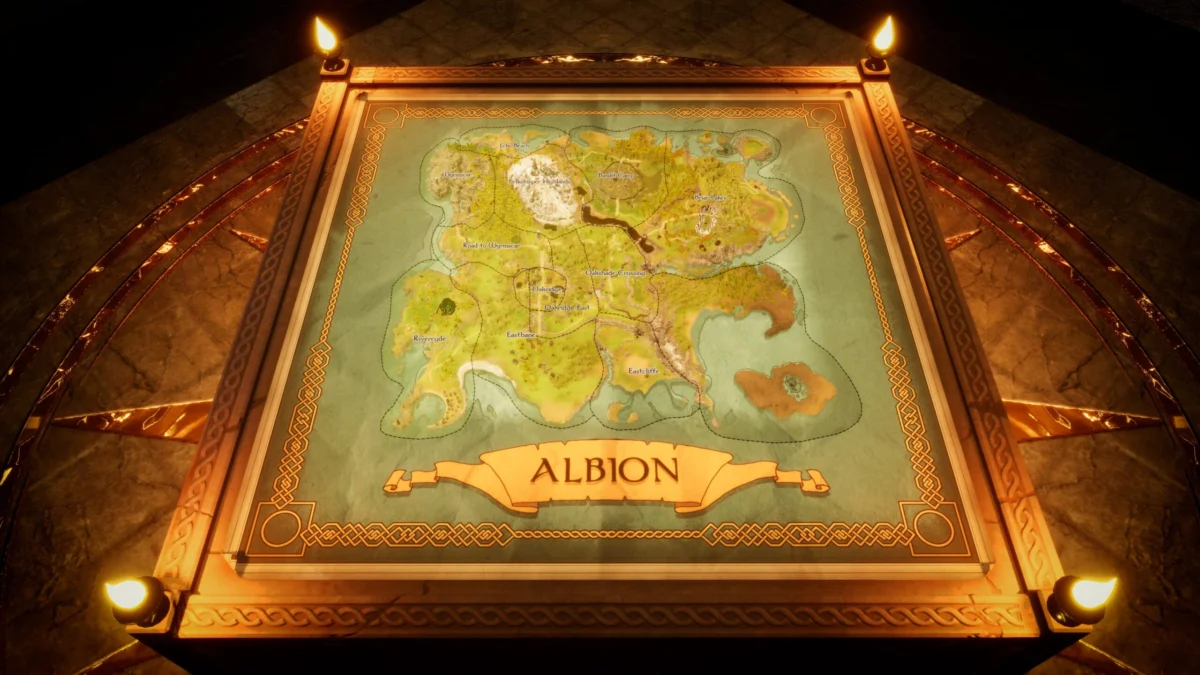
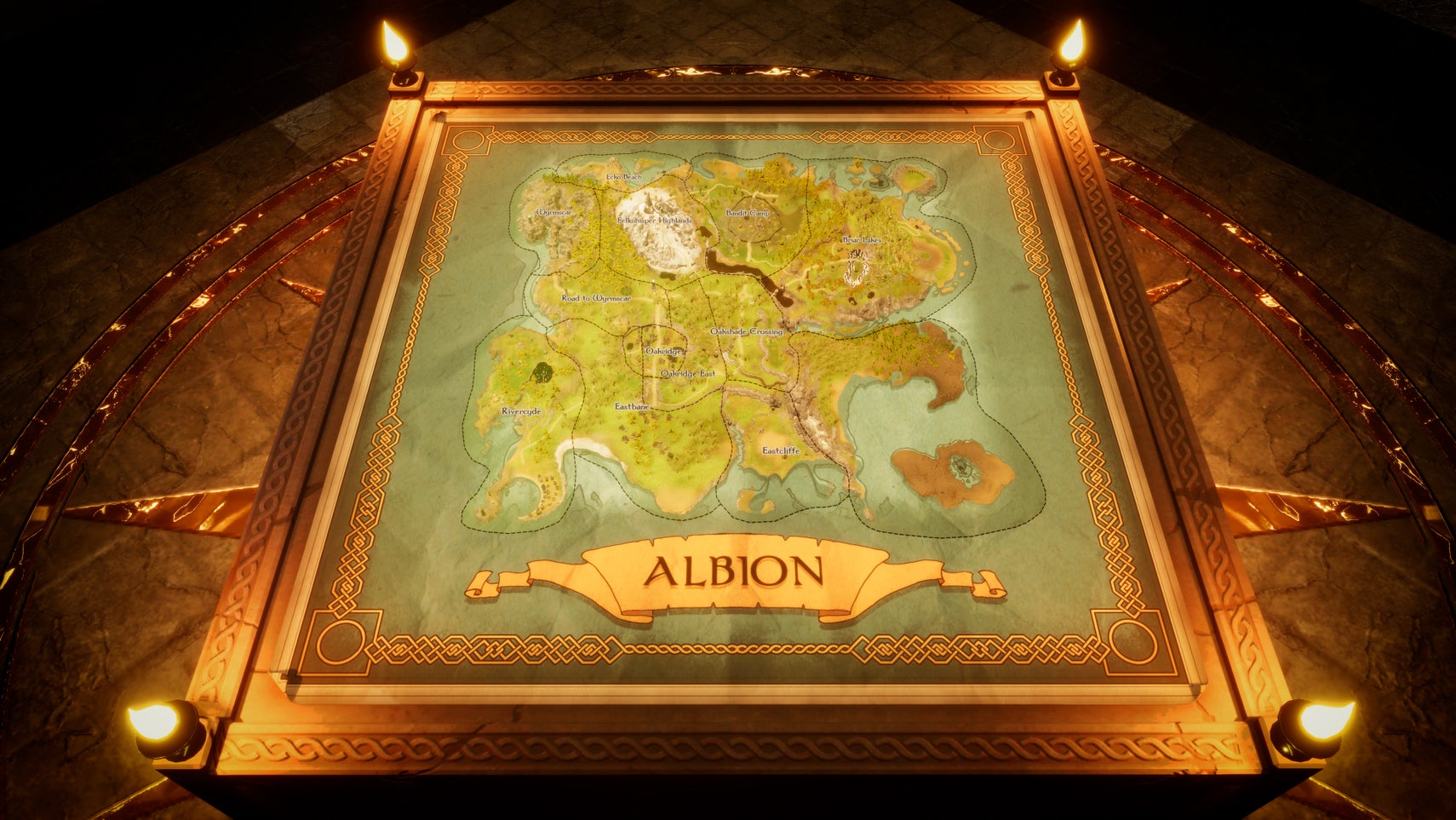
Following these experiences, 22Cans pivoted toward more stable releases like The Trail and Legacy. However, Masters of Albion marks a distinct shift back toward the large-scale, ambitious PC gaming experiences that built Molyneux’s reputation in the 1990s and early 2000s. By utilizing the setting of Albion—a name synonymous with the Fable series—Molyneux is signaling a return to a specific brand of British whimsicality combined with deep, systemic gameplay. While the game is not legally connected to the Fable IP currently owned by Microsoft, the thematic and aesthetic parallels are intended to evoke the same sense of wonder and player agency that characterized his previous hits.
Core Gameplay Systems and Mechanics
Masters of Albion is built upon a foundation of multifaceted gameplay loops that require players to manage both the macro and micro levels of a fantasy society. At the macro level, the game functions as a sophisticated city builder and business management simulator. Players are tasked with designing and expanding settlements, managing supply chains, and ensuring the economic prosperity of their citizens. This involves deep customization options; for example, players can design specific products—such as specialized swords or unique food items—that their villagers then produce and trade.
The game transitions into a defensive strategy phase during the night cycle. In a mechanic reminiscent of Dungeon Keeper or modern "horde mode" survival games, players must defend their settlements against various supernatural threats. During these encounters, the "god" perspective allows for environmental manipulation and the casting of divine spells, similar to the mechanics found in Black & White.
A unique feature of Masters of Albion is the ability to "possess" individual characters. This shifts the perspective from a top-down tactical view to a third-person action-RPG mode. While possessing a hero or a villager, the player can engage in direct combat, explore the wilderness, and complete specific quests. This integration of genres aims to provide a holistic experience where the player’s decisions in the management phase directly impact their effectiveness in combat, and vice versa.
Closed Beta Logistics and Participant Requirements
The current closed beta registration process is being managed through the official 22Cans Discord server. Prospective testers are directed to a specialized channel where they can access a sign-up form. The application process requires users to provide detailed information, including their hardware specifications and their history with simulation and strategy games. This data allows 22Cans to curate a testing group that represents a wide range of PC configurations and player expertise levels.
A critical component of the beta is the requirement of a Non-Disclosure Agreement (NDA). Participants who are selected from the "limited slots" available must agree to keep all gameplay footage, mechanics, and technical issues confidential. This is a standard industry practice for late-stage development builds, ensuring that the studio can address bugs and balance issues without the risk of unpolished content being misrepresented in the public sphere. The feedback gathered during this phase will reportedly focus on UI/UX clarity, game balance, and technical stability across different hardware profiles.
Technical Foundations and Development Timeline
Masters of Albion has been developed with a focus on PC architecture, utilizing modern rendering techniques to bring the stylized world of Albion to life. The game features a dynamic day-night cycle, weather systems, and a physics-based construction engine that allows for creative building designs. The transition to Steam Early Access on April 22 suggests that while the core gameplay loop is functional, the studio intends to use the Early Access period to expand the world map, add more story content, and refine the endgame mechanics based on broader community input.
The timeline of the project has been relatively accelerated in terms of public visibility. While Molyneux has been discussing the concepts behind the game for several years under various internal codenames, the official branding and gameplay reveals have occurred in a concentrated burst over the last six months. This strategy appears to be a response to past criticisms of over-promising early in development; by showing a nearly feature-complete build close to release, 22Cans aims to rebuild trust with its core audience.

Market Context and Industry Implications
The release of Masters of Albion comes at a time when the "god game" genre is experiencing a modest resurgence. Recent titles like Manor Lords have demonstrated a significant market appetite for games that blend high-fidelity city building with real-time tactical combat. By entering this space, Molyneux is competing with a new generation of developers who were themselves inspired by his early work at Bullfrog.
Furthermore, the decision to launch in Early Access reflects a broader industry trend toward iterative development. For a designer like Molyneux, whose projects often feature complex, emergent systems, the Early Access model provides a safety net. It allows for the discovery of unintended "emergent" behaviors in the game’s AI and economy that might not be apparent in a closed testing environment. The success of the April 22 launch will likely depend on how well the game balances its ambitious variety of mechanics without succumbing to the "feature creep" that has hampered some of the studio’s previous efforts.
Analysis of Potential Impact
The industry’s reaction to Masters of Albion is characterized by a mix of genuine interest and historical caution. Molyneux’s influence on the medium is undeniable; his work on Populous effectively created the god game genre, and his emphasis on moral choice in Fable helped shape the modern RPG. However, the "Molyneux effect"—a term often used to describe the gap between his visionary descriptions and the final product—remains a topic of discussion among enthusiasts and critics alike.
If Masters of Albion successfully integrates its disparate parts—the crafting, the building, the god-powers, and the third-person combat—it could serve as a definitive capstone to Molyneux’s career. It represents a synthesis of three decades of design philosophy. Conversely, if the game struggles with technical stability or fails to find a cohesive rhythm between its genres, it may reinforce the narrative of over-ambition.
The 48-hour beta window is the final gate before the game faces the scrutiny of the wider Steam community. For 22Cans, these next few weeks are critical for fine-tuning the experience. As the registration window closes tonight at 6:00 PM GMT, the focus will shift entirely to the selected testers and their role in shaping the final polish of a world that Molyneux hopes will be his lasting legacy. With the April 22 release date looming, the gaming public will soon discover whether this return to Albion can capture the magic of the classics that inspired it.