




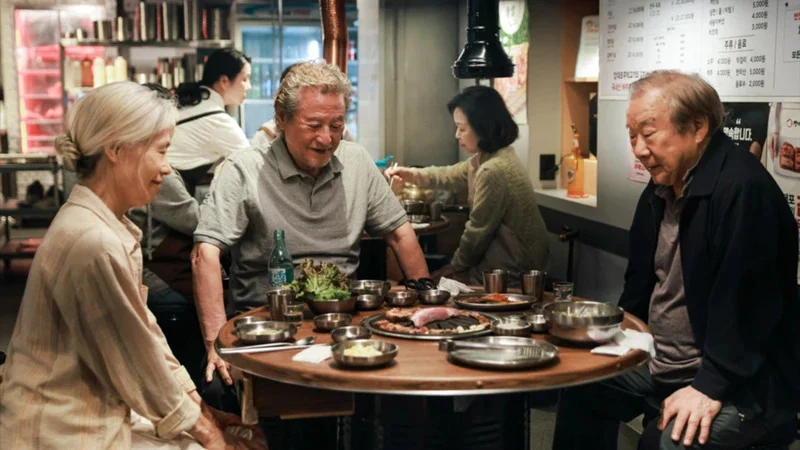
The cinematic landscape is often a mirror reflecting the complexities of human existence, and Yang Jong-hyun’s latest directorial effort, "People and Meat," penned by Lim Namoo, offers a stark yet surprisingly tender examination of aging, poverty, and the defiant pursuit of life’s pleasures in its twilight years. The film boldly confronts the existential question: faced with the inevitable, would one seek solace in sterile medical environments or embrace a final, vibrant burst of living, even if it skirts the edges of societal norms? This introspective journey, disguised initially as a darkly humorous caper, gradually unveils a poignant narrative of criminal undertones, bittersweet realities, and moments of profound, quiet contemplation.
The Unlikely Trio: A Symphony of Scarcity and Spirit
At the heart of "People and Meat" are U-sik (Jang Yong), Hyeon-jung (Park Keun Hyong), and Hwa-jin (Ye Soo-jung), all in their seventies and eighties. They are a trio bound not by shared history, but by shared hardship and an audacious spirit. Known derisively in their local establishments as "the dine-and-dash trio," they have become infamous for their elaborate schemes to secure a hearty meal without the means to pay. U-sik, a seasoned veteran of these culinary heists, initially lures a reluctant Hyeon-jung, a fellow collector of paper cupboards, into his world of subterfuge. Their initial rivalry soon blossoms into a genuine friendship, further cemented by the inclusion of Hwa-jin, a woman who runs a modest roadside vegetable stall. Their bond solidifies around a seemingly whimsical, yet deeply resonant, idea: to prepare a shared pot of beef and radish soup, a symbol of warmth and sustenance in their otherwise precarious lives.
The film meticulously details their precarious existence, living "hand-to-mouth" in a society that often leaves its elderly vulnerable. U-sik’s ingenious, albeit illegal, strategy of dining and dashing at barbecue restaurants becomes the catalyst for their unlikely camaraderie. The narrative unfolds with a deceptive lightness as U-sik, after some initial hesitation, confesses his inability to foot the bill. This confession, rather than leading to immediate recrimination, propels the trio into a shared predicament, forcing them into hasty retreats and feigned departures. While Hyeon-jung and Hwa-jin initially harbor discomfort with these illicit activities, U-sik’s persuasive charm and the undeniable allure of a satisfying meal, a luxury long denied, gradually erode their reservations. The shared experience of enjoying a good meal after a prolonged period of scarcity creates a powerful, if temporary, balm for their hardened realities.
From Survival to Resistance: The Deeper Meanings of Dine-and-Dash
As the trio hones their "skills," their synchronized escapes become increasingly seamless, a testament to their developing synergy and shared purpose. This newfound synchronicity, however, is not merely about the thrill of a successful meal. It is a revelation of their individual struggles and the profound loneliness that often accompanies advanced age and poverty. U-sik carries the weight of regret from a fleeting encounter in his youth, a ghost from his past that continues to haunt him. Hyeon-jung, abandoned by his family, navigates the emptiness of a spacious, yet desolate, home. Hwa-jin grapples with the profound loss of her daughter, attempting to bridge the emotional chasm with her aloof grandson through small, often insufficient, financial contributions.
Director Yang Jong-hyun masterfully weaves threads of light humor through the narrative’s inherently somber core. The dialogue, often wry and laced with a dark wit, serves as a coping mechanism, a way for the characters to articulate their predicaments without succumbing to despair. This delicate balance between dramatic comedy and stark realism transforms these "outlaws" from mere delinquents into deeply sympathetic figures. Lim Namoo’s choice of Korean barbecue as the setting for their bacchanalian excesses is particularly resonant. It highlights the stark contradiction between their impoverished living conditions and their unwavering anticipation of life’s simple pleasures, creating a powerful visual metaphor for their enduring hope.
The act of "dine-and-dash" transcends mere survival for this trio. It evolves into a subtle, yet potent, act of resistance against a capitalist system that often marginalizes its elderly, and against the rigid social norms that dictate a predictable life trajectory, culminating in an often solitary demise. The sheer joy and unadulterated pleasure they derive from these stolen moments represent a form of self-created value, a testament to their enduring vitality, even as they acknowledge the inevitable legal repercussions of their actions. In a society that often overlooks the needs of its senior citizens, their defiant pursuit of happiness, however unconventional, becomes a powerful statement of self-preservation and a reclamation of agency.
Stellar Performances and Cinematic Craftsmanship
The success of "People and Meat" is undeniably amplified by the exceptional performances of its lead actors. Jang Yong, as U-sik, embodies a disarming joviality that masks a deep well of endured pain and an enigmatic past. His optimistic smile, even in the face of hardship, is a testament to his character’s resilience. Park Keun Hyong delivers a nuanced portrayal of Hyeon-jung, a stern old man who rarely lets his guard down, carrying the palpable resentment of familial abandonment. Ye Soo-jung’s performance as Hwa-jin is profoundly touching. Her expressive eyes and natural reactions capture subtle emotional nuances, imbuing her character with a quiet strength and an enduring maternal instinct, even in the face of profound loss. The interplay between these three actors is remarkable, their varying performance styles complementing each other to create a believable and deeply human dynamic.
The film’s visual language, guided by cinematographer Lee Seong-eun, captures the authentic grit and soul of Seoul’s cityscape. The visual style is deeply embedded in the fabric of everyday life, eschewing overt stylization for a more naturalistic approach. Lee maintains a balanced framing among the three central characters, effectively underscoring the dynamics of their evolving relationships. Editor Son Jin-woo plays a crucial role in shaping the film’s narrative rhythm. Through strategic use of fast cuts during moments of action and occasional longer takes to allow for emotional resonance, he skillfully weaves moments of quiet introspection into scenes of levity. The inclusion of two fleeting flashback scenes from U-sik’s youth is particularly delicate, adding layers of sentiment and hinting at the solitary destination he must ultimately confront. These brief glimpses into his past serve to deepen the audience’s understanding of his present motivations and the weight of his accumulated life experiences.
Societal Implications and a Call for Empathy
"People and Meat" emerges as an affectingly poignant work that delves into the profound challenges faced by elderly individuals living on the margins of society. It unflinchingly explores themes of aging, poverty, and the confrontation with mortality, all while highlighting the enduring human spirit’s quest to preserve dignity amidst abject living conditions. The film bravely shines a spotlight on a senior population often overlooked in Korean society, individuals who navigate their twilight years through their own resourcefulness and often unconventional means.
At its core, the film serves as a stark indictment of the systemic lack of social care for these individuals, both financially and spiritually. It underscores the urgent need for greater societal recognition of their basic life needs and a deeper appreciation for their enduring vitality. Even when their actions are deemed immoral and illicit by the public, "People and Meat" implores audiences to look beyond the superficial judgment and recognize the deeply human motivations that drive them. The film’s success in resonating with audiences, as evidenced by its critical reception and the discussions it has sparked, suggests a growing awareness of the plight of the elderly poor and a yearning for more compassionate societal structures.
The film’s implications extend beyond the Korean context, resonating with similar issues faced by aging populations worldwide. As global life expectancies continue to rise, the economic and social challenges associated with supporting a growing elderly demographic become increasingly apparent. "People and Meat" offers a compelling, albeit fictionalized, case study that can inform policy discussions and encourage a more empathetic approach to elder care and social welfare. The film’s narrative serves as a powerful reminder that even in the face of immense adversity, the human capacity for joy, connection, and the pursuit of a meaningful life remains undiminished. The characters’ defiance, their shared meals, and their stolen moments of laughter are not just acts of survival; they are profound affirmations of life itself, a testament to the enduring power of the human spirit to find light in the darkest of circumstances.