




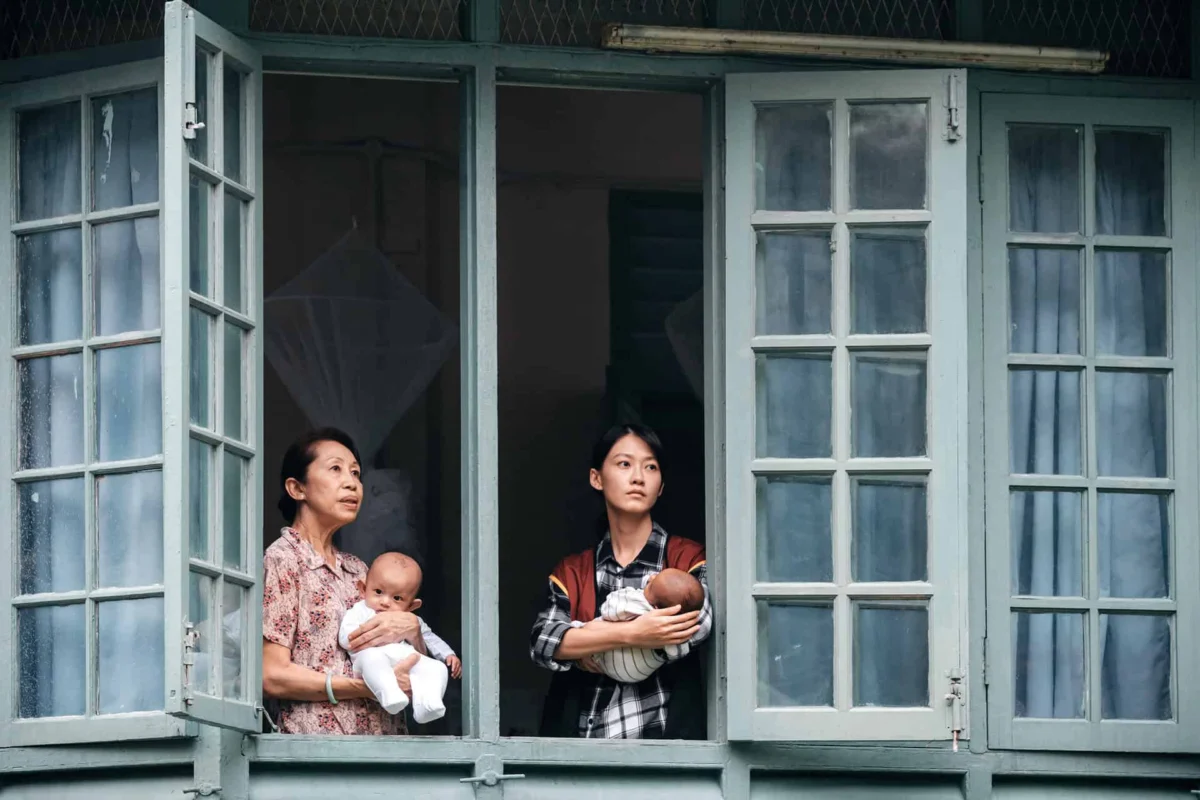
Director Chong Keat Aun pivots from the ethereal to the grounded, confronting a deeply troubling societal ill in his latest cinematic offering, "Pavane for an Infant." Following the critically acclaimed yet perhaps emotionally distant "Snow in Midsummer," Chong turns his lens toward a starkly realistic and urgent issue plaguing Malaysia: the heartbreaking phenomenon of baby abandonment, a crisis that sees approximately 100 infants left behind each year. This new film delves into the grim realities faced by both the mothers forced to make such desperate choices and the dedicated individuals working on the front lines to offer a lifeline.
The narrative centers on Lai Sum, a compassionate social worker stationed at a baby hatch, an institution designed to provide a safe haven for abandoned newborns. Her commitment is underscored by a personal burden of trauma, hinted at through her own past experiences with her child. Lai Sum and her colleagues are confronted daily with the stories of women driven to the brink, often mothers of children conceived through rape or illicit relationships with married men who subsequently disavow all responsibility. The weight of these encounters is palpable, a constant reminder of the societal pressures and vulnerabilities that lead to such desperate acts.
A pivotal connection forms when Lai Sum encounters Siew Man, a younger woman grappling with a similar, harrowing past. Their shared experiences forge a bond of friendship and mutual support, with Lai Sum offering guidance and solace to Siew Man as she navigates her own difficult circumstances. This relationship becomes a crucial anchor in the film, illustrating the power of human connection in the face of overwhelming adversity.
A Bleak Portrait of Malaysian Society
Chong Keat Aun’s direction paints a somber and unflinching picture of contemporary Malaysia. The film meticulously weaves a narrative tapestry where pervasive patriarchy, deeply ingrained superstitions, fervent religious dogma, and persistent racism converge to create an environment that is particularly oppressive for women. As the film progresses, the individual stories of women forced to abandon their children accumulate, each one intensifying the critique of these societal structures. Siew Man’s personal journey, in particular, serves as a brutal crystallization of these systemic failings, leaving an indelible mark on the viewer.
The filmmaker’s directorial prowess is evident in the way he crafts moments of profound emotional resonance. The drama unfolds not only through the overarching narrative but also through a series of intensely memorable and often harrowing scenes. Lai Sum’s public humiliation in a market and her subsequent emotional reaction are deeply affecting. A particularly intimate and vulnerable scene unfolds in a bathroom between Lai Sum and Siew Man, highlighting their burgeoning trust and shared pain. Furthermore, two separate fortune-telling sequences serve as powerful visual metaphors, underscoring the sense of helplessness and the search for answers in a world that offers few. These sequences are not mere plot devices; they are imposing artistic statements that linger long after the credits roll.
Visual Storytelling and Thematic Resonance
The film’s visual language, masterfully crafted by cinematographer Leung Ming Kai, contributes significantly to its oppressive yet evocative atmosphere. The entire film is bathed in a pervasive darkness, punctuated by stark close-ups of seemingly disparate scenes. The strategic use of shadows imbues the film with a significant visual flair, perfectly complementing the bleak and suffocating mood. This visual approach is not gratuitous; it serves as a powerful metaphor for the hidden struggles and the lack of visibility afforded to the women at the heart of the story.
Symbolism, a hallmark of Chong Keat Aun’s filmmaking, is once again present, though often subtly woven into the fabric of the narrative. The presentation of various traditional rituals and the recurring imagery of the timer within the baby hatch stand out as particularly potent symbols. The timer, a device meant to measure the time an infant spends waiting to be discovered, becomes a stark representation of the fleeting moments and the desperate hope associated with abandonment. The rituals, while seemingly tied to superstition, also reflect a desperate attempt to find meaning or solace in otherwise incomprehensible circumstances.
Emily Leung Man Shan’s editing contributes to the film’s deliberate and often slow pace, a choice that aligns seamlessly with the contemplative and somber nature of the narrative. Despite its 117-minute runtime, the film never feels overly long. This is largely due to the sheer volume of compelling events and emotional weight packed into its runtime, an unusual characteristic for an arthouse film. Significantly, Chong Keat Aun manages to infuse the film with glimmers of hope, even as these moments are hard-won and come at a considerable emotional cost. This nuanced approach elevates "Pavane for an Infant" beyond mere social commentary, offering a more complex and ultimately rewarding cinematic experience.
Performances that Anchor the Narrative
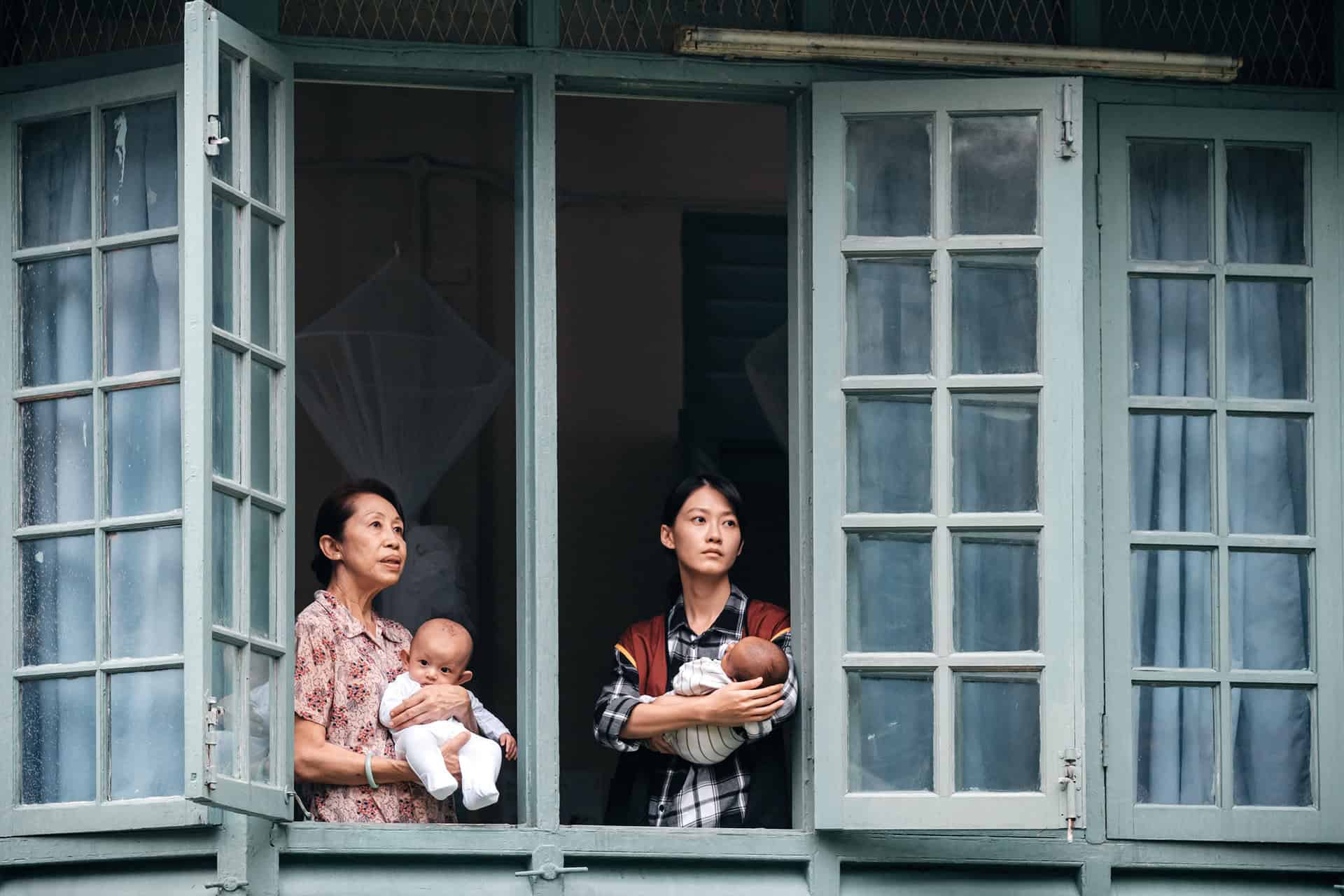
Fish Liew delivers a commanding and deeply affecting performance as Lai Sum. She embodies the film’s central critiques of societal injustices, her portrayal capturing the immense pressure and emotional toll of her work. The scenes in which Lai Sum’s composure cracks are among the most powerful in the film, showcasing Liew’s raw talent. Her interactions with Natalie Hsu, who portrays Siew Man with equal brilliance, are a standout aspect of the movie. The chemistry between Liew and Hsu is palpable, forming one of the film’s most compelling relationships and providing a vital emotional core. Hsu’s portrayal of Siew Man is nuanced and deeply empathetic, allowing the audience to connect with her pain and resilience.
Addressing a National Crisis: Data and Context
The issue of baby abandonment in Malaysia is not a new one, but "Pavane for an Infant" brings a heightened sense of urgency and a human face to statistics that are often abstract. Official figures, while sometimes difficult to pinpoint precisely due to reporting variations, consistently highlight a significant problem. Reports from various non-governmental organizations (NGOs) and social welfare departments over the years have indicated a steady rise in abandoned infants. For instance, in the mid-2010s, media reports cited numbers ranging from 80 to over 100 cases annually. While these numbers fluctuate, the underlying societal pressures contributing to these incidents remain largely consistent.
Factors contributing to this crisis are multifaceted and deeply rooted in Malaysian society. These include:
- Unplanned Pregnancies and Social Stigma: A significant driver is the fear of social ostracism and shame associated with out-of-wedlock pregnancies, particularly in communities where traditional values and religious beliefs are strongly upheld. This stigma can lead young women to conceal their pregnancies, often without adequate support, leading to desperate measures.
- Economic Hardship: Poverty and lack of financial resources can make it impossible for some mothers to care for a child, especially if they lack a support system. The cost of raising a child, coupled with limited job opportunities, can be an insurmountable burden.
- Rape and Domestic Violence: As depicted in the film, instances of rape and relationships with married men who refuse to acknowledge paternity contribute to a substantial number of abandoned infants. Victims of sexual assault often face immense psychological trauma and lack the support network to cope with an unplanned pregnancy.
- Lack of Comprehensive Sex Education and Contraception Access: Inadequate access to comprehensive sex education and reliable contraception can contribute to unintended pregnancies. While efforts are being made, gaps in these areas persist, particularly in rural or less affluent communities.
The existence of baby hatches, like the one depicted in the film, represents a pragmatic, albeit tragic, response to this crisis. Introduced in Malaysia in the early 2000s, these facilities offer a legal and anonymous way for individuals to surrender unwanted infants without fear of prosecution, provided the infant is not harmed. While lauded for saving lives, they also serve as a stark reminder of the societal failures that necessitate their existence.
Reactions and Implications
While specific official statements directly addressing "Pavane for an Infant" are not available, the film’s subject matter inevitably invites reflection from various stakeholders. Social welfare organizations working with distressed mothers and abandoned children often advocate for greater support systems, improved sex education, and more accessible family planning services. Their reactions, inferred from their ongoing work, would likely be one of recognition and a call for intensified efforts to address the root causes of abandonment.
The film’s implications are far-reaching. By shining a light on the dark realities of baby abandonment, Chong Keat Aun’s "Pavane for an Infant" serves as a potent catalyst for public discourse. It challenges viewers to confront uncomfortable truths about societal pressures, gender inequality, and the systemic failures that leave vulnerable individuals with seemingly no other option. The film’s critical success and its ability to provoke thought suggest that it will resonate with audiences and potentially influence policy discussions.
The broader impact of such a film lies in its capacity to foster empathy and understanding. By humanizing the women involved, the film moves beyond statistics and abstract problems, presenting a compelling argument for compassion and societal change. It underscores the urgent need for accessible mental health support, stronger social safety nets, and a more inclusive and supportive environment for women facing difficult circumstances.
Conclusion
"Pavane for an Infant" is more than just a film; it is a powerful social document that confronts a critical issue with artistic integrity and emotional depth. Chong Keat Aun has crafted a cinematic experience that is both thought-provoking and deeply moving, a testament to his skill as a storyteller and his commitment to shedding light on the marginalized and the suffering. The film’s success lies not only in its technical achievements and compelling performances but in its unflinching portrayal of a societal crisis, urging audiences to look beyond the darkness and consider the path towards a more humane future. It is a film that demands attention, discussion, and ultimately, action.