



In a definitive conclusion to one of the most contentious bidding wars in modern media history, Netflix has officially withdrawn its proposal to acquire the studio and streaming assets of Warner Bros. Discovery, clearing the path for a massive merger between Paramount Skydance and the legacy media titan. The decision follows a Thursday announcement from the Warner Bros. Discovery (WBD) board of directors, which designated a revised all-cash offer from Paramount Skydance as a "superior proposal." The move marks a seismic shift in the entertainment landscape, signaling a massive consolidation of traditional Hollywood powerhouses to compete against the dominance of Silicon Valley’s streaming giants.
The final deal, which unseats a previously tentative agreement between WBD and Netflix, values the entirety of Warner Bros. Discovery at $31 per share. This represents a significant premium over Netflix’s targeted bid of $27.75 per share, which was focused specifically on WBD’s production studios and the Max streaming platform. Unlike the Netflix proposal, the Paramount Skydance offer encompasses the full breadth of WBD’s portfolio, including its embattled but still lucrative linear television networks such as CNN, TBS, and TNT.
The Final Hours of a High-Stakes Negotiation
The resolution of the bidding war came after a week of intense strategic maneuvering. Last week, Netflix granted WBD a seven-day waiver to re-engage with Paramount Skydance, an unusual move intended to provide WBD shareholders with "clarity and certainty" amidst a flurry of competing claims. During this window, Paramount Skydance increased its bid from $30 to $31 per share in an all-cash transaction, a move that ultimately proved insurmountable for Netflix’s more conservative financial model.
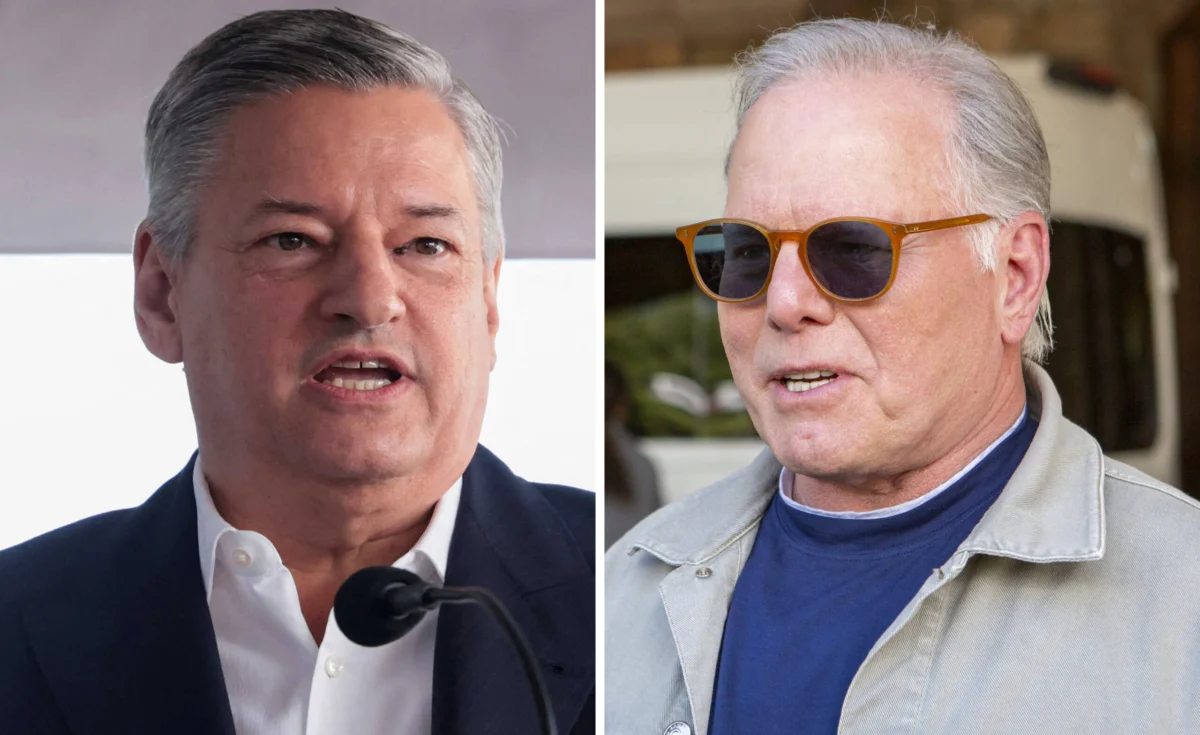
Under the terms of the existing agreement, Netflix had four business days to match or exceed the revised Paramount bid. However, Netflix executives signaled early on Thursday that they would not engage in a further price war. In a joint statement, Netflix co-CEOs Ted Sarandos and Greg Peters emphasized a philosophy of financial discipline. "The transaction we negotiated would have created shareholder value with a clear path to regulatory approval," the statement read. "However, we’ve always been disciplined, and at the price required to match Paramount Skydance’s latest offer, the deal is no longer financially attractive, so we are declining to match the Paramount Skydance bid."

WBD CEO David Zaslav expressed optimism regarding the impending merger, praising the professionalism of the Netflix leadership while pivoting toward the future of the combined Paramount-WBD entity. "Once our Board votes to adopt the Paramount merger agreement, it will create tremendous value for our shareholders," Zaslav stated. "We are excited about the potential of a combined Paramount Skydance and Warner Bros. Discovery and can’t wait to get started working together telling the stories that move the world."
Chronology of the Hostile Takeover and Bidding War
The road to this merger began in late 2025, characterized by a series of aggressive moves and hostile bids that took the industry by surprise.
- December 2025: Paramount Skydance launched a hostile bid for Warner Bros. Discovery, aiming to bypass the board and appeal directly to shareholders. This move was prompted by WBD’s fluctuating stock price and high debt load following its initial merger of Discovery and WarnerMedia.
- January 2026: Netflix entered the fray, seeking to carve out the "crown jewels" of WBD—the Warner Bros. Film and TV studios and the Max streaming service—while avoiding the declining linear television assets.
- February 17, 2026: Netflix granted WBD a seven-day waiver to allow the board to formally review a revised proposal from Paramount Skydance. This was seen as a strategic gamble by Netflix to force Paramount to put its final cards on the table.
- February 24, 2026: Paramount Skydance raised its bid to $31 per share, all cash, and included significant regulatory protections.
- February 26, 2026: Netflix officially declined to match the offer, and Sarandos was seen at the White House discussing the industry-wide implications of the deal.
Financial Structures and Regulatory Safeguards
The Paramount Skydance offer was distinguished not just by its higher per-share price, but by its comprehensive "deal certainty" measures. Paramount has committed to a staggering $7 billion breakup fee in the event that the merger fails to receive regulatory approval from the Department of Justice (DOJ) or the Federal Trade Commission (FTC). This fee is intended to insulate WBD shareholders from the risks of a protracted legal battle with antitrust regulators.
Furthermore, Paramount has agreed to cover the $2.8 billion breakup fee that Warner Bros. Discovery owes to Netflix for terminating their prior arrangement. This brings the total immediate financial commitment regarding fees alone to nearly $100 billion when factoring in the total enterprise value and debt assumptions of the deal.
Market reaction to the news was swift and revealing. Netflix shares spiked 10% in extended trading on Thursday, as investors cheered the company’s decision to maintain capital discipline rather than overpay for legacy assets. Paramount stock gained 5% on the news of the victory, though some analysts expressed concern over the long-term debt implications of the acquisition. Warner Bros. Discovery shares fell 2%, reflecting shareholder uncertainty about the integration process ahead.

Strategic Divergence: "Must Have" vs. "Nice to Have"
The collapse of the Netflix-WBD deal highlights a fundamental divergence in strategy between pure-play streamers and traditional media conglomerates. For Netflix, the acquisition of Warner Bros. was viewed as a strategic acceleration—a way to bolster its content library with iconic franchises like Harry Potter, DC Comics, and Game of Thrones. However, Sarandos clarified that the acquisition was always a "nice to have" at the right price, rather than a "must have" for survival.
"We believe we would have been strong stewards of Warner Bros.’ iconic brands," Sarandos and Peters noted. "But this transaction was always a ‘nice to have’ at the right price, not a ‘must have’ at any price."
In contrast, for Paramount Skydance—led by David Ellison with the backing of substantial private capital—the merger is viewed as an existential necessity. By combining Paramount’s library (including Mission: Impossible and Yellowstone) with WBD’s massive portfolio, the new entity creates a content powerhouse that rivals Disney in scale. The inclusion of linear networks like CNN and TNT also provides the combined company with significant "cash cow" revenue streams to fund the ongoing transition to digital streaming, despite the secular decline of cable television.
Regulatory Hurdles and the Political Landscape
While the bidding war has concluded, the regulatory battle is only beginning. The $7 billion breakup fee offered by Paramount suggests that the company anticipates significant pushback from the Biden administration’s antitrust regulators. The merger will consolidate two of the "Big Five" Hollywood studios, reducing competition in film production, television distribution, and news media.
Ted Sarandos’s presence at the White House on Thursday underscores the political sensitivity of the deal. Discussions reportedly focused on the impact of media consolidation on American production jobs and the health of the domestic entertainment industry. Netflix had argued that its bid would have preserved and created more production jobs in the U.S. by integrating WBD assets into its global distribution machine.

Regulators are expected to scrutinize the "vertical integration" aspects of the deal, as well as the concentration of sports broadcasting rights. A combined Paramount-WBD would control a massive share of the NBA, NCAA March Madness, and NFL broadcasting contracts, potentially giving the company outsized leverage in negotiations with cable providers and digital platforms.
Implications for the Entertainment Industry
The successful bid by Paramount Skydance signals the end of the "independent" era for Warner Bros. Discovery, a company that has undergone multiple transformations over the last decade. It also likely triggers further consolidation among the remaining mid-tier players in the industry. Companies like NBCUniversal (Comcast) and Disney will be watching the integration of Paramount and WBD closely as they navigate their own paths in an increasingly expensive and competitive content market.
For consumers, the merger will likely result in a consolidated streaming offering. Analysts expect that Paramount+ and Max will eventually be merged into a single platform, creating a "super-service" designed to reduce churn and compete directly with Netflix and Disney+. However, the integration of such massive organizations often comes with "synergy" cuts, leading to concerns about creative layoffs and a reduction in the total volume of original content produced.
As the WBD board prepares to formally adopt the Paramount merger agreement, the focus shifts from the drama of the boardroom to the complexities of corporate integration. The entertainment world now waits to see if this "mega-merger" can deliver the "tremendous value" promised by David Zaslav, or if it will become a cautionary tale of the challenges inherent in merging legacy media giants in a digital-first world.