

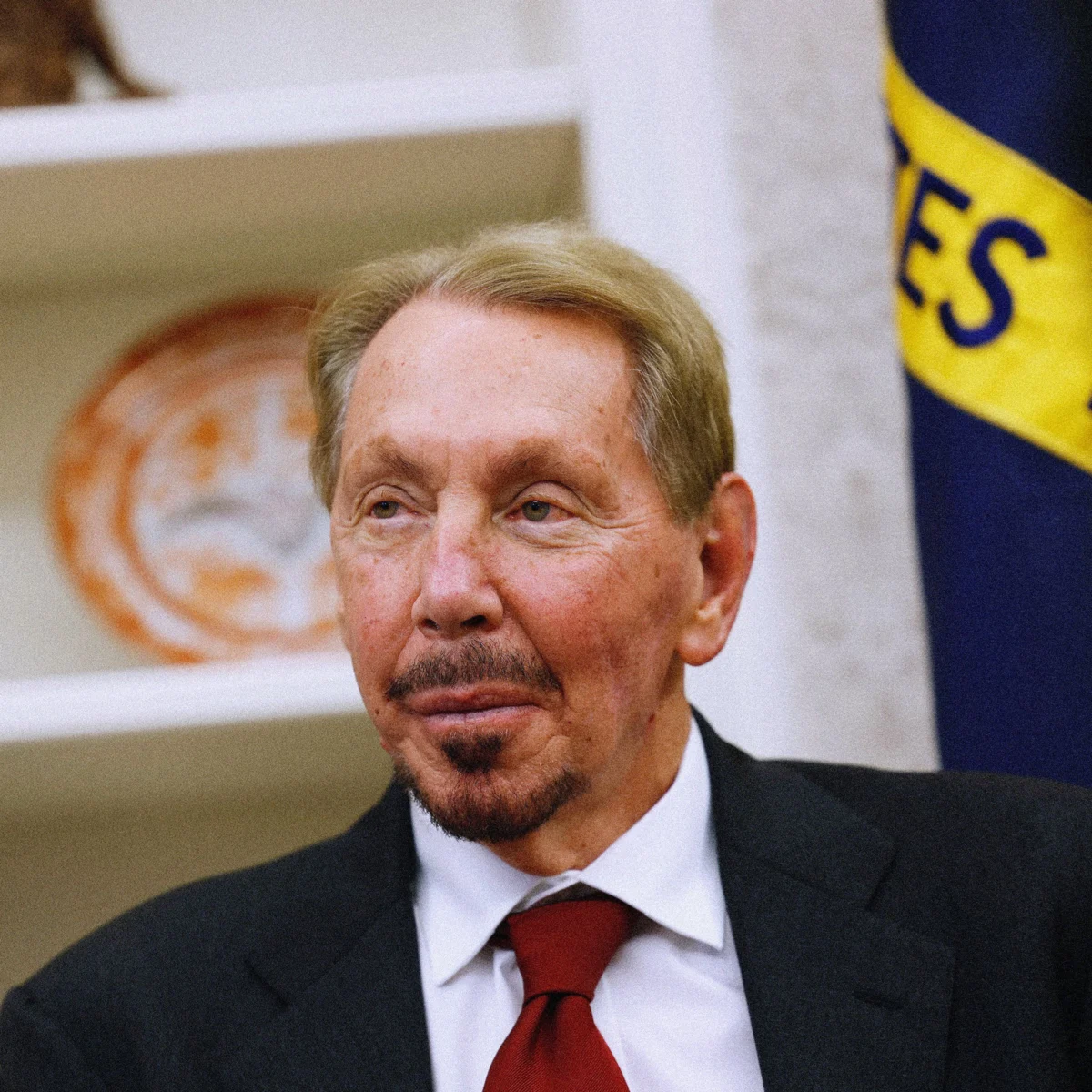
The landscape of the American media industry underwent a seismic transformation this week as Paramount Skydance, led by David Ellison, finalized a definitive agreement to acquire Warner Bros. Discovery (WBD) for $110 billion. This landmark transaction, signed on Friday, marks the culmination of a rapid period of consolidation that has placed the Ellison family—including David Ellison, CEO of the merged entity, and his father, Oracle co-founder Larry Ellison—at the helm of what is arguably the most influential media and technology conglomerate in history. The deal comes on the heels of Netflix withdrawing its own pursuit of WBD, effectively clearing the path for the Ellisons to merge two of the "Big Five" Hollywood studios.
Under the terms of the agreement, Paramount Skydance will assume control of Warner Bros. Discovery’s massive portfolio of intellectual property, production facilities, and broadcasting networks. To mitigate concerns regarding the significant regulatory hurdles such a massive merger faces, the companies have agreed to a $7 billion termination fee. This sum would be payable to Warner Bros. Discovery should federal regulators, including the Department of Justice or the Federal Trade Commission, move to block the deal on antitrust grounds.
A Rapid Chronology of Consolidation
The path to this $110 billion acquisition was paved by a series of high-stakes maneuvers over the past 14 months. In early 2025, Skydance Media successfully closed an $8 billion merger with Paramount Global, a deal that saw the Ellison family take control of the legacy studio from National Amusements. That initial merger was characterized by a strategy of stabilizing Paramount’s balance sheet and streamlining its streaming operations.
By late 2025, rumors of a potential tie-up between the newly formed Paramount Skydance and Warner Bros. Discovery began to circulate. Warner Bros. Discovery, which had been struggling under a heavy debt load since the 2022 merger of WarnerMedia and Discovery Inc., was viewed as a prime target for acquisition. While Netflix initially emerged as a frontrunner to acquire the company to bolster its own library of prestige content, the streaming giant reportedly backed out of negotiations in early February 2026, citing valuation concerns and the complexities of integrating legacy linear television assets.
The Ellisons’ expansionist strategy was further bolstered in January 2026, when Oracle Corporation, the technology giant founded by Larry Ellison, secured a 15 percent stake in TikTok’s United States operations. This move provided the family with a direct pipeline into the social media and short-form video market, creating a unique synergy between traditional Hollywood production and modern digital distribution.
The Financial Architecture of the Deal
The $110 billion price tag reflects the premium placed on Warner Bros. Discovery’s library in an era where "content is king." The acquisition is expected to be financed through a combination of equity and new debt, supported by the significant capital reserves of the Ellison family and Oracle’s robust financial position.
Industry analysts suggest that the $7 billion termination fee is one of the largest in the history of media transactions, signaling Paramount Skydance’s confidence that the deal will receive regulatory approval. This confidence may be rooted in the current political climate; the Ellisons have maintained a visible and friendly relationship with various political factions, positioning themselves as American-centric owners capable of safeguarding domestic cultural assets against foreign competition.
However, the merger’s financial success will likely depend on the realization of massive "synergies"—a term often used to describe cost-cutting measures. The initial Paramount-Skydance merger has already resulted in significant layoffs across the board, particularly within CBS News and Paramount’s corporate offices. Analysts predict that the integration of WBD will lead to a further round of workforce reductions as redundant departments in marketing, distribution, and administration are consolidated.
The Portfolio: A New Era of Intellectual Property
The acquisition grants the Ellison family control over a staggering array of cultural touchstones and commercial franchises. The combined entity will now own:
Scripted Entertainment and Prestige Television
Through the acquisition of HBO and HBO Max, Paramount Skydance gains the industry’s most decorated prestige television brand. The library includes global phenomena such as Game of Thrones, The Wire, The Sopranos, and Succession, alongside current hits like The Gilded Age and the Game of Thrones prequel series, A Knight of the Seven Kingdoms. These assets will be integrated with Paramount’s own hits, including the Yellowstone universe and Star Trek, creating a streaming offering that rivals Disney+ and Netflix in both volume and quality.
The DC Universe and Cinematic Blockbusters
Perhaps the most significant strategic asset in the deal is DC Comics. The Ellisons will now oversee the cinematic and publishing future of iconic characters like Superman, Batman, and Wonder Woman. This puts Paramount Skydance in direct competition with Disney’s Marvel Cinematic Universe. Furthermore, the deal includes the legendary Warner Bros. Studios, home to the Harry Potter franchise—including the highly anticipated 2027 television reboot—and recent box-office successes like Barbie and the Dune franchise.
News and Information Hegemony
The merger creates a news powerhouse by bringing CNN under the same corporate umbrella as CBS News. While CNN has faced ratings challenges in the linear television market, it remains a dominant digital force and a top-five cable network. The integration of these two news organizations raises questions about editorial independence and cultural direction. Notably, Bari Weiss, the founder of Free Press, was recently appointed editor-in-chief of CBS News to lead a "cultural overhaul." It remains to be seen if a similar shift will be implemented at CNN, which features established personalities such as Anderson Cooper and Kaitlan Collins.
Sports and Lifestyle Networks
The deal includes a vast array of cable networks that command significant advertising revenue and carriage fees. These include TNT and TBS—which hold critical sports broadcasting rights for the NBA and MLB—as well as lifestyle staples like The Food Network, HGTV, Discovery, and TLC.
Strategic Integration of Technology and Media
The inclusion of Oracle’s stake in TikTok into the broader Ellison media strategy cannot be overstated. By controlling the infrastructure (Oracle Cloud), the content (Paramount and WBD), and a primary distribution channel for younger audiences (TikTok), the Ellisons are constructing a vertically integrated empire that bypasses traditional gatekeepers.
David Ellison has frequently emphasized that the future of media lies at the intersection of storytelling and technology. "We are not just a movie studio; we are a platform for global engagement," Ellison stated during a recent industry keynote. The ability to use TikTok’s algorithms to promote Warner Bros. films or HBO series provides a competitive advantage that few other media companies can match.
Official Responses and Industry Reactions
While official statements from Warner Bros. Discovery leadership have focused on the "value unlocked for shareholders," the reaction from within the creative community has been more guarded. The Writers Guild of America (WGA) and SAG-AFTRA have expressed concerns regarding the further contraction of the job market and the potential for reduced competition for original scripts.
"The consolidation of two of the most historic studios in Hollywood under a single family’s control is a moment of profound concern for creators," a representative for the WGA stated. "We will be watching closely to ensure that this merger does not lead to the further erosion of creative diversity or the suppression of wages for the people who actually make the content."
Conversely, Wall Street has largely reacted with optimism. Shares of Warner Bros. Discovery rose 12 percent following the announcement, as investors cheered the end of the company’s independent struggle with debt. Analysts at Goldman Sachs noted that the deal "rationalizes the streaming landscape" and creates a "must-have" package for cable providers and digital subscribers alike.
Broader Implications and the Regulatory Path
The primary obstacle remains the federal government. The Biden-era regulatory framework has been historically skeptical of mega-mergers, particularly those that reduce the number of major film studios. However, legal experts suggest that Paramount Skydance may argue that the merger is necessary to compete with the existential threat posed by "Big Tech" players like Apple and Amazon, who have entered the content space with near-infinite resources.
If approved, the merger will represent the most significant consolidation of media power since the 2019 acquisition of 21st Century Fox by Disney. It marks the transition of Hollywood from a town governed by legacy studio heads to one dominated by tech-adjacent billionaires.
As the 2026 deadline for regulatory review approaches, the industry will be watching to see how the Ellisons manage their newfound influence. With control over the stories Americans watch, the news they consume, and the social media platforms they scroll, the family has secured a position of cultural currency that is unprecedented in the modern era. The $110 billion deal is more than a business transaction; it is a fundamental rewriting of the American media landscape.