

The cinematic landscape of 2025 has been further enlivened by the premiere of "Our Hero, Balthazar," an American dark comedy-drama that marks the directorial debut of Oscar Boyson. Co-written by Boyson and Ricky Camilleri, the film has already garnered significant attention following its world premiere at the prestigious Tribeca Festival, where it was met with critical acclaim for its compelling performances, incisive direction, and sharp screenplay. The ensemble cast features a notable roster of talent, including Jaeden Martell, Asa Butterfield, Chris Bauer, Jennifer Ehle, Anna Baryshnikov, Noah Centineo, Becky Ann Baker, Avan Jogia, and Pippa Knowles.
A Tale of Online Obsession and Real-World Consequences
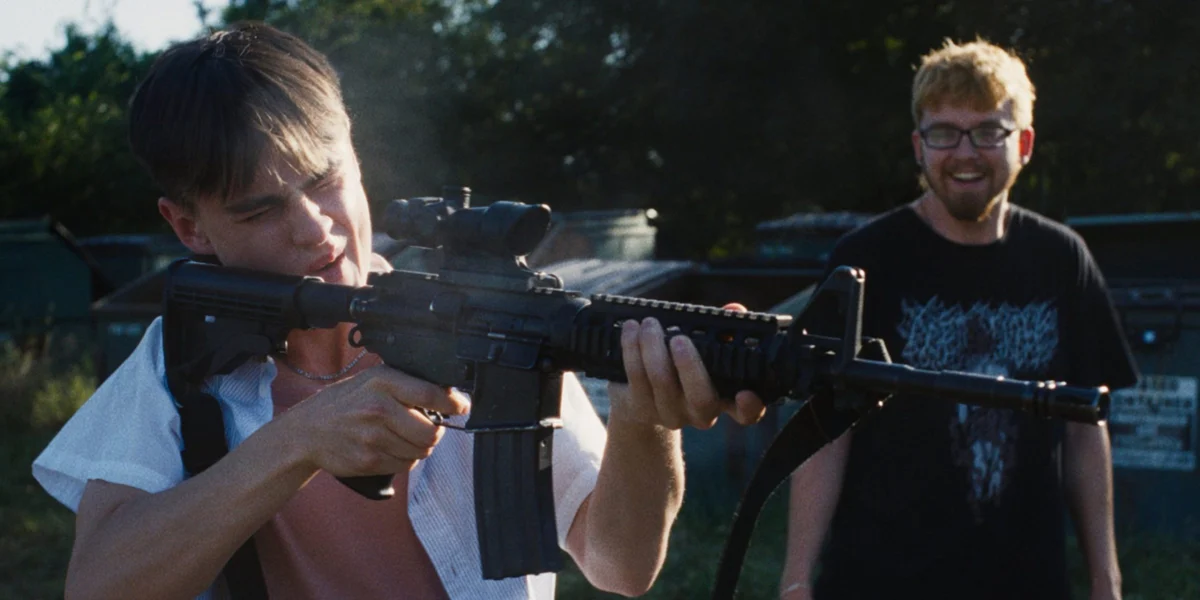
"Our Hero, Balthazar" delves into the complex and often fraught territory of online activism, mental health, and the blurred lines between digital personas and reality. The narrative centers on a wealthy teenager, whose fervent desire to capture the attention of his crush leads him down an unconventional path of online advocacy. He begins posting videos advocating for stricter gun laws, a topic that resonates deeply in contemporary American discourse. However, his well-intentioned efforts soon attract an unwelcome audience when an anonymous online troll begins to relentlessly mock his earnest appeals.
This relentless online harassment escalates in the protagonist’s mind, fostering a growing paranoia that the troll is not merely a keyboard warrior but a potentially dangerous individual, perhaps even a mass shooter. Driven by a mixture of fear, obsession, and a misguided sense of justice, the teenager makes the drastic decision to travel to Texas, the supposed location of the troll, with the intent of confronting him. This journey into the heart of the American South becomes a descent into the protagonist’s own psychological landscape, questioning the efficacy of online activism, the dangers of unchecked obsession, and the profound impact of digital interactions on real-world actions.
Tribeca Festival Debut and Critical Reception
The world premiere of "Our Hero, Balthazar" at the 2025 Tribeca Festival served as a crucial platform for the film’s introduction to the industry and the public. The festival, known for its commitment to independent cinema and its role as a launchpad for emerging talent, provided an ideal setting for a film exploring contemporary societal issues with a dark, comedic edge. Early reviews from the festival were overwhelmingly positive, highlighting the film’s ability to tackle sensitive subject matter with a nuanced approach. Critics lauded the performances, particularly those of the young leads, for their authenticity and emotional depth. The direction by Oscar Boyson was commended for its confident handling of tone, seamlessly blending moments of dark humor with genuine dramatic tension. The screenplay, credited to Boyson and Ricky Camilleri, was praised for its sharp dialogue, intricate plotting, and its ability to provoke thought on issues of gun violence, online toxicity, and the psychological toll of digital engagement.
Key Figures Behind the Film: A Deeper Dive
The genesis of "Our Hero, Balthazar" lies in the collaborative vision of director Oscar Boyson and screenwriter Ricky Camilleri. For Boyson, this film represents a significant milestone as his directorial debut, showcasing a maturity and artistic vision that belies his first feature. His background in producing and his engagement with contemporary cultural narratives have clearly informed his approach to this project. Ricky Camilleri, co-writer of the screenplay, brings his own unique perspective to the storytelling, contributing to the film’s incisive social commentary.
The casting of Jaeden Martell and Asa Butterfield in the central roles was a strategic choice that has paid dividends. Martell, who has a history of portraying complex teenage characters with emotional resonance, brings a compelling vulnerability to his role. Butterfield, known for his nuanced performances, complements Martell’s portrayal, creating a dynamic on-screen partnership that anchors the film’s narrative. The supporting cast, including established actors like Chris Bauer and Jennifer Ehle, alongside rising stars like Noah Centineo and Becky Ann Baker, further elevates the film’s dramatic weight and authenticity. Avan Jogia and Pippa Knowles also contribute significantly to the film’s rich tapestry of characters.
The Power of Conversation: Insights from the Filmmakers

In an exclusive interview conducted by Matt Neglia for Next Best Picture, the creative forces behind "Our Hero, Balthazar" shared their insights into the film’s production and thematic concerns. The opportunity to speak with Jaeden Martell, Asa Butterfield, Oscar Boyson, and Ricky Camilleri provided a unique window into the creative process. Their discussions, available in both video and audio formats, offer a deeper understanding of the film’s genesis, the challenges of its production, and the filmmakers’ intentions. These interviews are invaluable for audiences seeking to connect with the film on a more profound level, understanding the artistic choices and personal experiences that shaped the final product.
Distribution and Exhibition: Bringing "Our Hero, Balthazar" to Audiences
Following its successful premiere, "Our Hero, Balthazar" has embarked on its theatrical release, orchestrated by Picturehouse. The film has already opened in New York City, drawing significant attention from both critics and audiences. Its expansion into Los Angeles on April 3rd, followed by a nationwide rollout throughout the month of April, signifies a broad commitment to making this timely and thought-provoking film accessible to a wider demographic. This strategic release plan aims to capitalize on the positive buzz generated at Tribeca and the film’s resonance with current societal conversations.
Contextualizing "Our Hero, Balthazar": The Landscape of American Cinema and Societal Issues
The themes explored in "Our Hero, Balthazar" are deeply embedded in the contemporary American zeitgeist. The film’s exploration of gun violence activism, particularly by young people, reflects a growing trend of youth-led movements and online organizing. The persistent issue of gun violence in the United States, a topic that has seen numerous legislative debates and public discourse, forms the backdrop against which the protagonist’s actions unfold. The film also taps into the pervasive nature of online trolling and cyberbullying, phenomena that have become increasingly recognized for their detrimental impact on mental health and societal well-being. The rise of social media as a platform for both activism and harassment provides fertile ground for a narrative that scrutinizes the power and peril of digital interaction.
Furthermore, the film’s dark comedy genre allows for a critical examination of these serious issues without succumbing to didacticism or despair. By employing humor, the filmmakers can explore the absurdities and ironies inherent in the digital age and the human psyche, making the film both entertaining and intellectually stimulating. This approach aligns with a broader trend in contemporary cinema to use genre conventions to address complex social and political realities.
Implications and Broader Impact
"Our Hero, Balthazar" has the potential to spark important conversations about the efficacy and dangers of online activism, the psychological impact of online harassment, and the complex relationship between digital personas and real-world actions. As the film expands its theatrical reach, it is likely to resonate with a generation that has grown up immersed in the digital world, grappling with its benefits and drawbacks. The film’s success at Tribeca suggests a strong reception from critics and industry professionals who recognize its timely themes and artistic merit.
The narrative’s exploration of a wealthy teenager’s descent into paranoia also offers a commentary on privilege and its potential to both empower and isolate individuals. His access to resources might enable his physical journey to confront the troll, but it does not shield him from the internal turmoil and obsessive thinking that drives his actions. This aspect of the story can prompt discussions about the diverse motivations and consequences of activism, regardless of socioeconomic background.
The film’s success hinges on its ability to navigate these sensitive topics with nuance and authenticity. By avoiding simplistic answers and instead presenting a complex portrayal of a troubled young protagonist, "Our Hero, Balthazar" aims to encourage introspection and dialogue among its viewers. The continued success of films that tackle contemporary issues with a blend of entertainment and social commentary suggests a receptive audience eager for stories that reflect their own experiences and concerns. The nationwide release signifies a belief in the film’s broad appeal and its capacity to engage a diverse audience in meaningful discussions about the digital age and its impact on human behavior.