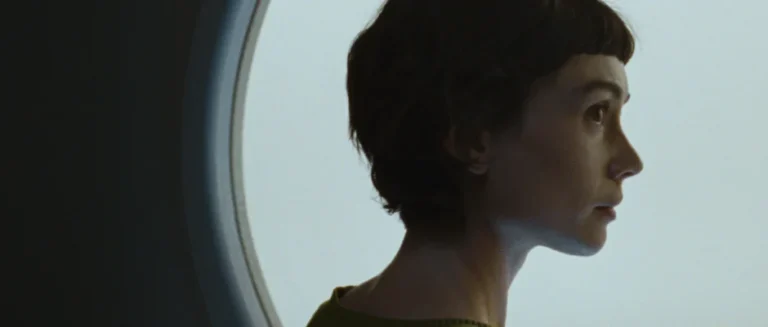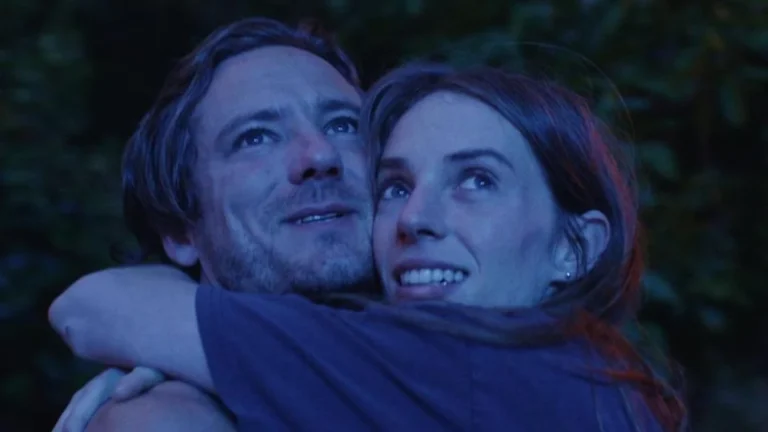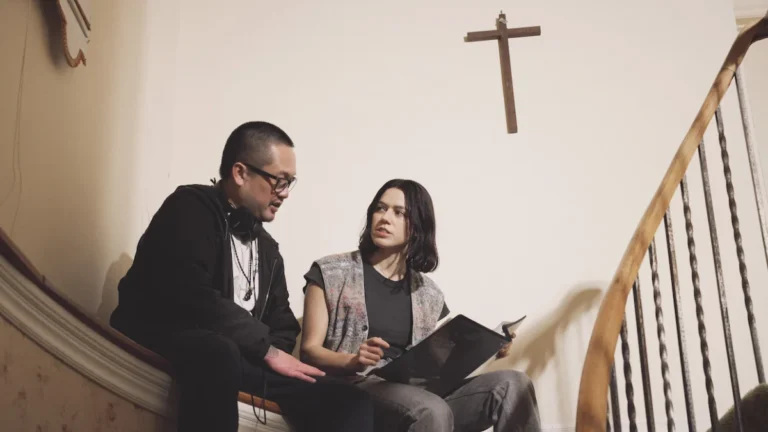

Directed and co-written by Oscar Boyson, alongside co-writer and producer Ricky Camilleri, the film represents a complex cinematic exploration of contemporary digital culture, the performance of identity, and the disturbing reality of youth radicalization. Premiering at the Tribeca Film Festival, the feature debut from Boyson—a veteran producer known for his collaborations with the Safdie brothers—seeks to navigate the precarious boundary between dark comedy and social provocation. The narrative centers on Balthazar Malone, portrayed by Jaeden Martell, a privileged Manhattan teenager who attempts to prevent a school shooting not through a sense of moral duty, but as a calculated maneuver to bolster his social standing and romantic prospects.
The film’s arrival coincides with a period of intense public discourse regarding the influence of social media on adolescent mental health and the increasingly blurred lines between online personas and physical reality. By casting Martell, known for his roles in It and Knives Out, alongside Asa Butterfield of Sex Education fame, the production leverages established talent to anchor a story that delves into the "edge-lord" subcultures of the internet without, as the filmmakers suggest, descending into the very "shit-posting" tropes it critiques.
Narrative Architecture and the Ego of Heroism
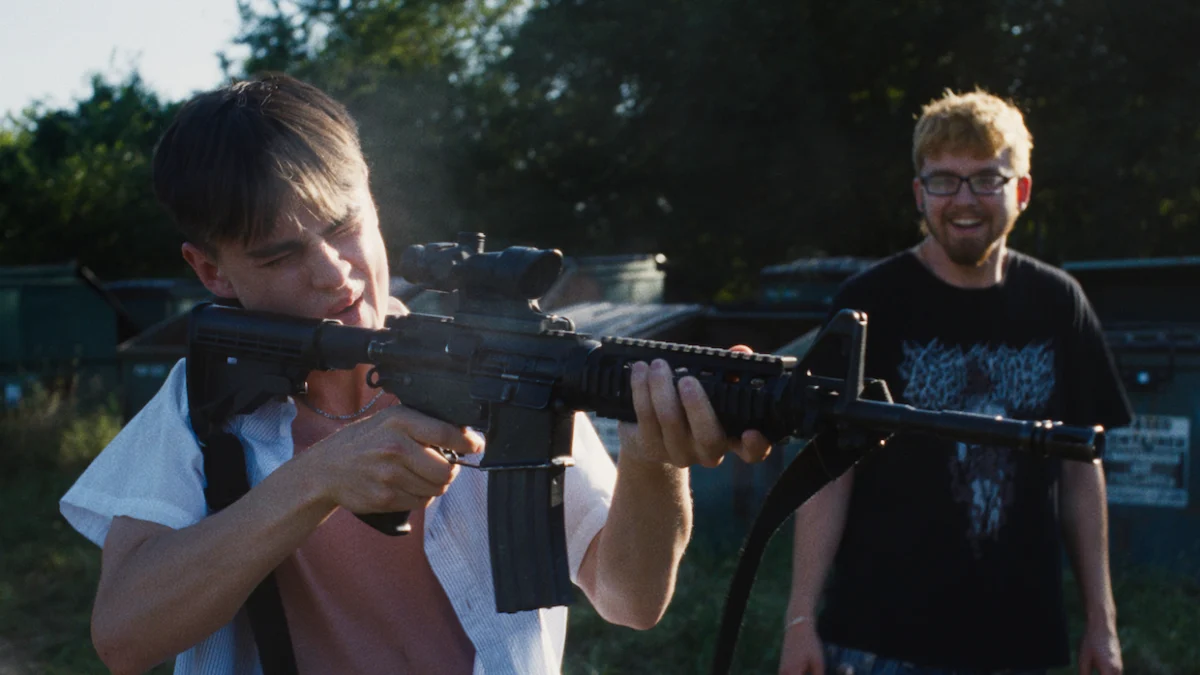
The plot follows Balthazar Malone, a resident of a high-rise luxury apartment who utilizes social media to curate an image of profound emotional sensitivity. His "performance" of grief and empathy is a strategic effort to gain influence and capture the attention of a politically active classmate. This quest for relevance leads him to identify a potential threat: a marginalized individual in Texas operating under the pseudonym @deathdealer_16. Using a combination of digital forensics and deceptive "catfishing" techniques involving AI-generated imagery, Balthazar tracks the individual to a rural trailer park.
This narrative framework allows Boyson and Camilleri to examine the "white knight" complex through a modern lens. Balthazar’s journey is characterized by a lack of genuine altruism; his intervention is a form of brand-building. The filmmakers purposefully contrast Balthazar’s sterile, high-tech environment in New York with the stark, economically depressed landscape of his target, Solomon, played by Butterfield. Solomon is a young man adrift, struggling with unemployment, impending eviction, and the toxic influence of his father’s "men’s rights" style pyramid schemes. The collision of these two neglected youths forms the psychological core of the film, highlighting how different forms of isolation can lead toward radical or delusional behavior.
Digital Disconnect and the Evolution of Online Spaces
A central theme of the production is the shift in the nature of the internet from a tool for discovery to a platform for constant performance. Boyson and Camilleri, both in their forties, contrast their own formative experiences with the digital landscape faced by the "Zoomer" generation. During the post-pandemic era, the filmmakers observed a trend where children as young as ten felt compelled to establish themselves as "brands" on social media.
The creators describe their own adolescence as being part of the "Zuckerberg generation," where platforms like Facebook initially felt like exclusive spaces for subculture, independent film, and music discovery. In contrast, Our Hero, Balthazar portrays the modern internet as a more corrosive environment. To maintain authenticity, the production avoided using contemporary slang that might quickly become dated, opting instead to show characters interacting with real social media applications. This decision was intended to ground the film in a recognizable, if unsettling, reality where identity is untethered from authentic experience.
Real-World Catalysts: From Uvalde to AI-Assisted Violence
The impetus for the screenplay was partially rooted in the tragic events of the 2022 Uvalde school shooting. Reports surfaced following the massacre that the perpetrator had sent cryptic messages to a young woman in Germany, who had responded with irony or indifference, not realizing the gravity of the threat. This "distance" from tragedy—facilitated by the screen—is a phenomenon the film seeks to unpack. Boyson noted that in an era of extreme digital noise, individuals often tune out or respond ironically to genuine cries for help or threats of violence.
Further context is provided by more recent events, such as a school shooting incident in Vancouver where the perpetrator allegedly used ChatGPT to assist in the planning phases. The filmmakers point to these instances as evidence of a systemic failure in digital monitoring and a growing desensitization to violence. Balthazar, in his misguided attempt to be a hero, represents a person who has the means and the lack of traditional oversight to act on these digital signals, albeit for the wrong reasons.

Production Methodology and Aesthetic Choices
Given Oscar Boyson’s background producing for the Safdie brothers (Heaven Knows What, Uncut Gems), critics have noted a similar "handheld freneticism" in Our Hero, Balthazar. The film utilizes a synth-heavy score by James William Blades, which incorporates unconventional sounds to mirror the internal agitation of its protagonists. Despite these stylistic parallels, the filmmakers argue that their work possesses a different emotional frequency, aiming for "heart" rather than pure shock value.
The production prioritized performance over technical flourish. Despite a limited budget, Boyson insisted on a two-week rehearsal period to allow the actors to take risks and build chemistry. The shooting style was designed to preserve the "electricity" of the performances, with the director eschewing elaborate dolly shots in favor of a more reactive, documentary-style approach. This method was intended to keep the audience connected to the characters’ energy rather than the artifice of the filmmaking process.
Socio-Economic Realism and Avoiding Caricature
A significant portion of the film was shot on location in a Texas trailer park, utilizing local residents as extras. Boyson and Camilleri were vocal about their desire to avoid "poverty porn"—a trope where affluent filmmakers depict lower-income environments as grotesque or simplified caricatures. Boyson, who grew up in an area with a diverse economic mix, expressed a sense of responsibility in portraying Solomon’s world with specificity.
This commitment to realism extended to the supporting cast. Jennifer Ehle plays Balthazar’s well-meaning but neglectful mother, while Noah Centineo appears as a self-absorbed life coach whose "self-actualization" mantras provide a comedic but hollow counterpoint to the film’s darker themes. Solomon’s father, played by Chris Bauer, serves as a representation of a specific type of modern masculinity—one that peddles testosterone and self-help as a cure for economic and social displacement.
The film also navigates the nuances of regional humor. In one notable scene, Solomon’s grandmother, played by Becky Ann Baker, makes a joke that some test audiences found inappropriate. Camilleri defended the dialogue as reflective of a "crass and vulgar" humor that serves as a coping mechanism in many working-class environments. By leaning into this specificity, the filmmakers aimed to create a world that felt lived-in rather than curated for a "cool" indie audience.
Chronology of Development and Release
The development of Our Hero, Balthazar followed a multi-year trajectory:
- 2020-2021: Boyson and Camilleri began conceptualizing the script during the COVID-19 lockdowns, influenced by the surge in adolescent social media usage.
- 2022: The Uvalde shooting provided a grim real-world anchor for the narrative’s themes of digital communication and missed warning signs.
- Late 2022: Casting was finalized, bringing together a mix of established young stars and veteran character actors.
- 2023: Principal photography took place on location in Texas and New York, followed by a post-production phase focused on the synth-driven soundscape.
- 2024: The film premiered at the Tribeca Film Festival, garnering comparisons to the gritty New York cinema of the 1970s while being recognized for its uniquely modern subject matter.
Broader Impact and Implications for Independent Cinema
The film arrives at a time when the independent film market is increasingly polarized between low-budget genre experiments and "prestige" awards contenders. Our Hero, Balthazar attempts to occupy a middle ground—a "swing" at a difficult, relevant subject that refuses to offer easy moral resolutions. The filmmakers expressed a desire to evoke the feeling of discovery they felt watching films like Boogie Nights or the Pusher series in their youth—movies that felt "alive" and unpredictable.
The critical response to the film has highlighted its willingness to engage with the "flawed" character. Camilleri argued that the most compelling conflicts arise from characters who lack the capacity to make the right decisions, forcing the audience to grapple with uncomfortable realities rather than witnessing a standard hero’s journey.
As digital radicalization remains a pressing global concern, Our Hero, Balthazar serves as a cinematic case study of the conditions that allow such ideologies to flourish. By focusing on the intersection of wealth, neglect, and the performative nature of the internet, the film suggests that the greatest danger may not just be the "lonely soul" in the trailer park, but the "hero" in the penthouse who views tragedy as a prerequisite for personal branding. Whether the film succeeds in sparking a broader conversation about these issues depends on its reception beyond the festival circuit, but its commitment to a raw, non-judgmental portrayal of modern youth marks it as a significant entry in the contemporary indie landscape.