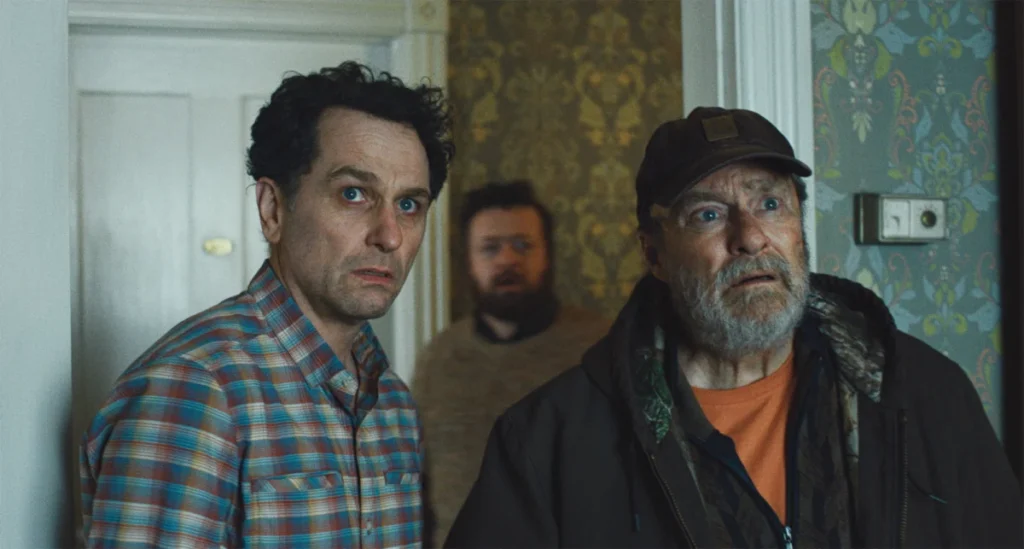



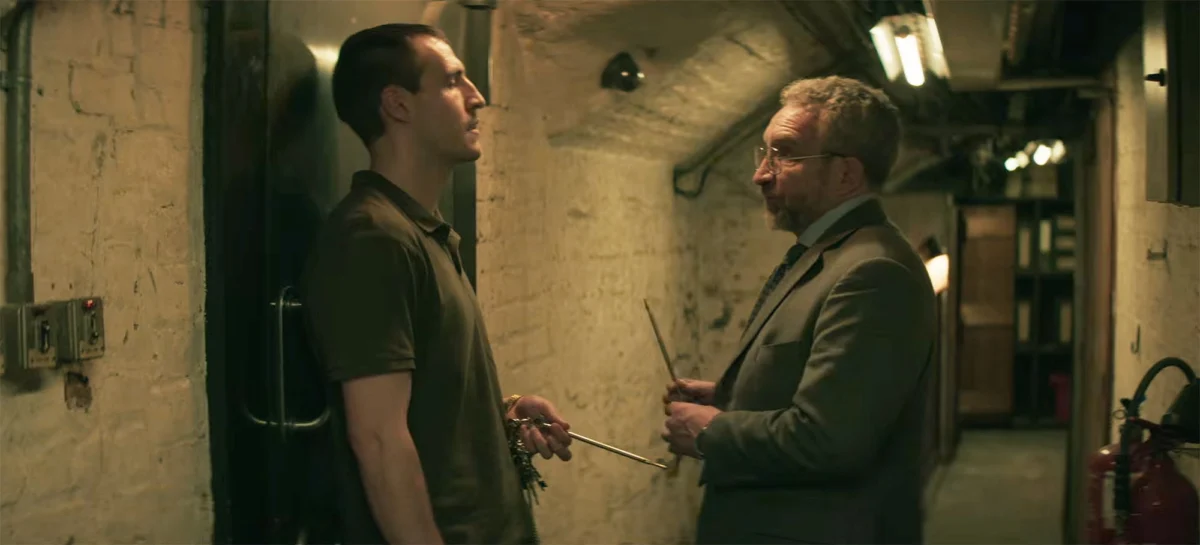
Epic Pictures Group has unveiled the official US trailer for No Ordinary Heist, an Irish crime thriller slated for release in select US theaters and on VOD starting April 24th, 2026. Inspired by the real-life Northern Bank robbery, the film delves into the harrowing true story of two rival bank employees coerced into orchestrating Ireland’s largest cash heist when criminals abduct their families and threaten their lives. The narrative promises a tense, character-driven exploration of human resilience under extreme duress, set against the backdrop of a historically charged Belfast.
The Gripping Premise of No Ordinary Heist
The film introduces a unique twist on the traditional heist genre: "A bank heist where the gang never steps foot inside the bank." This intriguing premise sets the stage for a psychological thriller where the protagonists, despite their mutual animosity, are forced into a reluctant alliance. The core conflict revolves around two feuding bank employees who become pawns in a meticulously planned criminal operation. Their families are kidnapped, and they are given an ultimatum: facilitate the robbery of their own institution or face dire consequences for their loved ones. This external pressure forces them to navigate a high-stakes scenario, turning their workplace into a battleground for survival.
Director Colin McIvor articulates his vision for the film: "Defined by a simple and economical concept, our story follows two men driven by the desperate need to keep their families alive over the course of a single day. Their emotional arcs are a series of jagged spikes, lurching from despair to hope and fury in a strained battle of wits against the clock. By alternating between cooperation and conflict, the characters expose their deepest prejudices and vulnerabilities through moments of both trauma and tenderness. Ultimately, my hope is that No Ordinary Heist delivers a gripping, old-fashioned crime thriller that achieves a lasting permanence in the mind."
This statement underscores the film’s commitment to character depth and emotional intensity, positioning it as more than just a crime caper but a profound study of the human spirit pushed to its absolute limit. The narrative is expected to oscillate between moments of desperate collaboration and simmering resentment, revealing the complex interplay of fear, loyalty, and self-preservation.
Director Colin McIvor’s Vision and Cinematic Approach
Irish filmmaker Colin McIvor, known for his previous works such as Cup Cake and Zoo, brings a distinctive directorial style to No Ordinary Heist. McIvor emphasizes the film’s deep roots in Belfast’s history and its ambition to give the city the cinematic treatment it deserves. "It’s a story with Belfast at its heart, deeply rooted in its history. It was a privilege to tell it in a way that gives the city the cinematic treatment it deserves—showcasing the beautiful visuals of Damien Elliot’s cinematography, the wit and language unique to the city, and never losing sight of the human impact at its centre."
This focus on authenticity extends to the film’s aesthetic and thematic choices. McIvor aimed to create "a taut, claustrophobic, and immersive study of the human spirit pushed to its absolute limit." To achieve this, he and cinematographer Damien Elliot meticulously crafted a visual palette characterized by "icy winter blues, warm sodium lamps, tobacco-stained ceilings, and a central, claustrophobic, tomb-like cash vault." These elements are designed to immerse the audience in the grim reality and escalating tension of the heist, emphasizing the oppressive atmosphere faced by the protagonists. The interplay of light and shadow, combined with the enclosed spaces, is intended to heighten the sense of dread and urgency, reflecting the psychological confinement experienced by the characters.

A Stellar Cast Brings Depth to the Narrative
The film boasts a formidable cast led by veteran actor Eddie Marsan and rising star Éanna Hardwicke. Eddie Marsan, renowned for his intense and versatile performances in films like Happy-Go-Lucky, Tyrannosaur, and The World’s End, is expected to bring his signature gravitas and psychological depth to his role. Marsan has a proven track record of portraying complex characters grappling with moral dilemmas and extreme circumstances, making him a compelling choice for a film that explores the fragility of human nature under duress.
Éanna Hardwicke, increasingly recognized for his powerful performances in productions such as Normal People and The Sixth Commandment, offers a dynamic counterpoint to Marsan. His ability to convey vulnerability and inner turmoil will be crucial in portraying a protagonist caught in an unimaginable situation. The casting of these two actors as "rival" bank employees forced to collaborate suggests a compelling on-screen chemistry driven by conflict and necessity.
The supporting cast further strengthens the ensemble, featuring Michelle Fairley (Game of Thrones, Gangs of London), Eva Birthistle (Bad Sisters, Brooklyn), Donal O’Hanlon, and Steven Calvert. Their collective talent is expected to enrich the narrative, providing nuanced portrayals of characters impacted by the unfolding crisis, from the kidnapped family members to other bank personnel. The strength of this ensemble cast is critical for a film that relies heavily on character interaction and emotional resonance to drive its narrative.
The Real-Life Inspiration: The 2004 Northern Bank Robbery
No Ordinary Heist draws its inspiration from the infamous Northern Bank robbery, which occurred in Belfast in December 2004. This event remains one of the largest cash heists in UK and Irish history, with approximately £26.5 million (around €36.5 million at the time) stolen. The audacious nature of the crime, coupled with its profound political implications, captivated public attention and left a lasting scar on the region.
Background and Context: The robbery took place during a sensitive period in Northern Ireland’s peace process. The Good Friday Agreement had been signed in 1998, but political tensions and the legacy of paramilitary activity continued to cast a long shadow. The Northern Bank, a major financial institution in Belfast, became the target of a sophisticated criminal operation that exploited vulnerabilities within its security apparatus and, more alarmingly, within the personal lives of its employees.
The Incident: The modus operandi of the real-life robbery bears a striking resemblance to the film’s premise. Over the weekend of December 18-19, 2004, the homes of two senior bank officials were infiltrated by armed gangs. The families of these officials were held hostage, terrorized, and their lives threatened. Under immense duress, the bank officials were forced to cooperate with the robbers. On Monday, December 20, they were compelled to go to work as normal and, at the appointed time, facilitate the emptying of the bank’s cash vaults. The scale of the theft was unprecedented, involving a complex logistics operation to transport the vast sum of money. The robbers meticulously planned every detail, demonstrating a high degree of organization and insider knowledge.
Investigation and Aftermath: The robbery sent shockwaves across Northern Ireland and beyond. Police investigations were launched immediately, involving both the Police Service of Northern Ireland (PSNI) and the Garda Síochána in the Republic of Ireland. The primary focus of the investigation quickly turned to paramilitary involvement, specifically the Provisional Irish Republican Army (IRA). Both the British and Irish governments, along with unionist politicians, publicly accused the IRA of being behind the heist, a charge vehemently denied by Sinn Féin, the political wing of the IRA.

The accusations had significant political repercussions, straining cross-border relations and jeopardizing the fragile peace process. The Democratic Unionist Party (DUP) withdrew from power-sharing talks with Sinn Féin, leading to a political crisis. While some arrests were made and a portion of the stolen money was eventually recovered in subsequent operations, the vast majority of the funds remained missing, and no one was ever successfully prosecuted for the robbery itself. The Northern Bank heist thus became a symbol of unresolved questions surrounding paramilitary decommissioning and criminal activity in post-conflict Northern Ireland.
Belfast as a Central Character
McIvor’s assertion that Belfast is "at its heart" signifies more than just a geographical setting. The city itself, with its unique history, architecture, and socio-political complexities, is intended to function as a character in the film. Belfast, a city that has witnessed decades of conflict and transformation, provides a rich, textured backdrop for a story of crime, coercion, and survival. The film is expected to explore the city’s distinct "wit and language," immersing audiences in the local culture and dialect, which adds another layer of authenticity.
The decision to showcase "beautiful visuals of Damien Elliot’s cinematography" in Belfast suggests an effort to move beyond stereotypical portrayals of the city often associated with the Troubles. Instead, the film aims to capture the city’s inherent cinematic qualities, from its industrial heritage to its evolving modern landscape, while acknowledging the underlying historical tensions that still resonate. The specific visual palette of "icy winter blues, warm sodium lamps, tobacco-stained ceilings" evokes a sense of stark reality, perhaps mirroring the cold, calculating nature of the crime and the bleak choices facing the protagonists.
The Thriller Genre and True Crime Adaptations
The enduring appeal of true crime stories, particularly those involving high-stakes heists, lies in their ability to tap into fundamental human fascinations: the allure of transgression, the ingenuity of criminals, and the moral ambiguities inherent in such events. No Ordinary Heist joins a long tradition of films that dramatize real-life criminal acts, offering audiences a glimpse into the mechanics and consequences of such events.
The subgenre of the "forced heist" is particularly potent, stripping away the glamour often associated with cinematic robberies and replacing it with raw, desperate survival. This approach distinguishes No Ordinary Heist from films that romanticize criminal endeavors, instead focusing on the terror and psychological trauma inflicted upon victims forced to commit acts against their will.
The film’s exploration of cooperation and conflict between protagonists who "hate each other but have to work together" is a classic dramatic device that heightens tension and allows for profound character development. This dynamic, set against the backdrop of a life-or-death situation, ensures that the film is not merely a recounting of events but a deep dive into human psychology.
Production Details and Cinematic Craft

The screenplay for No Ordinary Heist was penned by Aisling Corristine and Colin McIvor, indicating a collaborative effort in shaping the narrative and dialogue. The production team includes Ruth Carter, Johanna Hogan, and Damon Lane, who are responsible for bringing the intricate story to the screen. Their work in managing the logistics of recreating a historical event, particularly one with such sensitivity, is crucial.
The director’s emphasis on the visual aesthetics, particularly Damien Elliot’s cinematography, suggests a commitment to high production values. The detailed description of the visual palette – "icy winter blues, warm sodium lamps, tobacco-stained ceilings, and a central, claustrophobic, tomb-like cash vault" – indicates a deliberate approach to world-building that enhances the film’s immersive quality. The claustrophobic nature of the cash vault, described as "tomb-like," is a powerful metaphor for the entrapment felt by the characters and the grim reality of their situation.
Release Strategy and Anticipation
Epic Pictures Group will debut No Ordinary Heist in select US theaters and on VOD starting April 24th, 2026. This hybrid release strategy allows for broad accessibility, catering to both traditional cinema-goers and audiences who prefer to watch films from home. The late April release positions the film in a competitive slot but also provides an opportunity for it to stand out as a distinctive, character-driven thriller.
Anticipation for the film is likely to be high, particularly among fans of true crime narratives, Irish cinema, and character-driven thrillers. The involvement of established talents like Eddie Marsan and Michelle Fairley, combined with the compelling real-life inspiration, is expected to draw significant attention. The trailer’s release serves as the initial touchpoint, aiming to generate buzz and pique audience interest with its intriguing premise and intense visuals.
Implications and Broader Impact
No Ordinary Heist has the potential to contribute significantly to the cultural narrative surrounding Northern Ireland’s recent history. By dramatizing the Northern Bank robbery, the film re-examines a pivotal moment that highlighted the complexities of the post-conflict era, particularly the blurred lines between political and criminal activity. It offers a cinematic lens through which audiences can reflect on the human cost of such events and the profound impact on individuals caught in the crossfire.
The film also raises ethical considerations inherent in adapting sensitive true stories, especially those with unresolved aspects and living victims. The challenge for McIvor and his team is to present a compelling narrative that respects the gravity of the real events while delivering an engaging thriller. The director’s focus on "human impact" suggests an intention to handle the subject matter with sensitivity, foregrounding the emotional and psychological toll on the characters rather than sensationalizing the crime itself.
Ultimately, No Ordinary Heist promises to be more than just a crime film; it is an exploration of desperation, morality, and the enduring human will to protect loved ones, all set against the rich, often turbulent, tapestry of Belfast. As audiences await its release, the film stands poised to offer a gripping, thought-provoking experience that resonates long after the credits roll.