


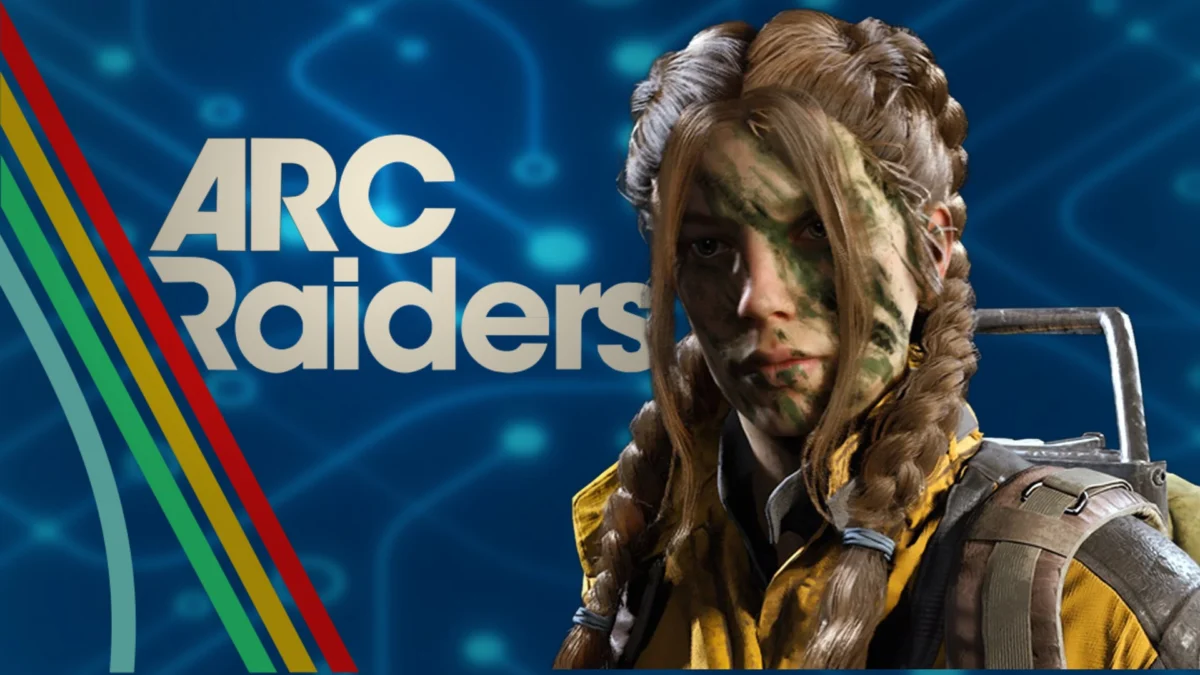
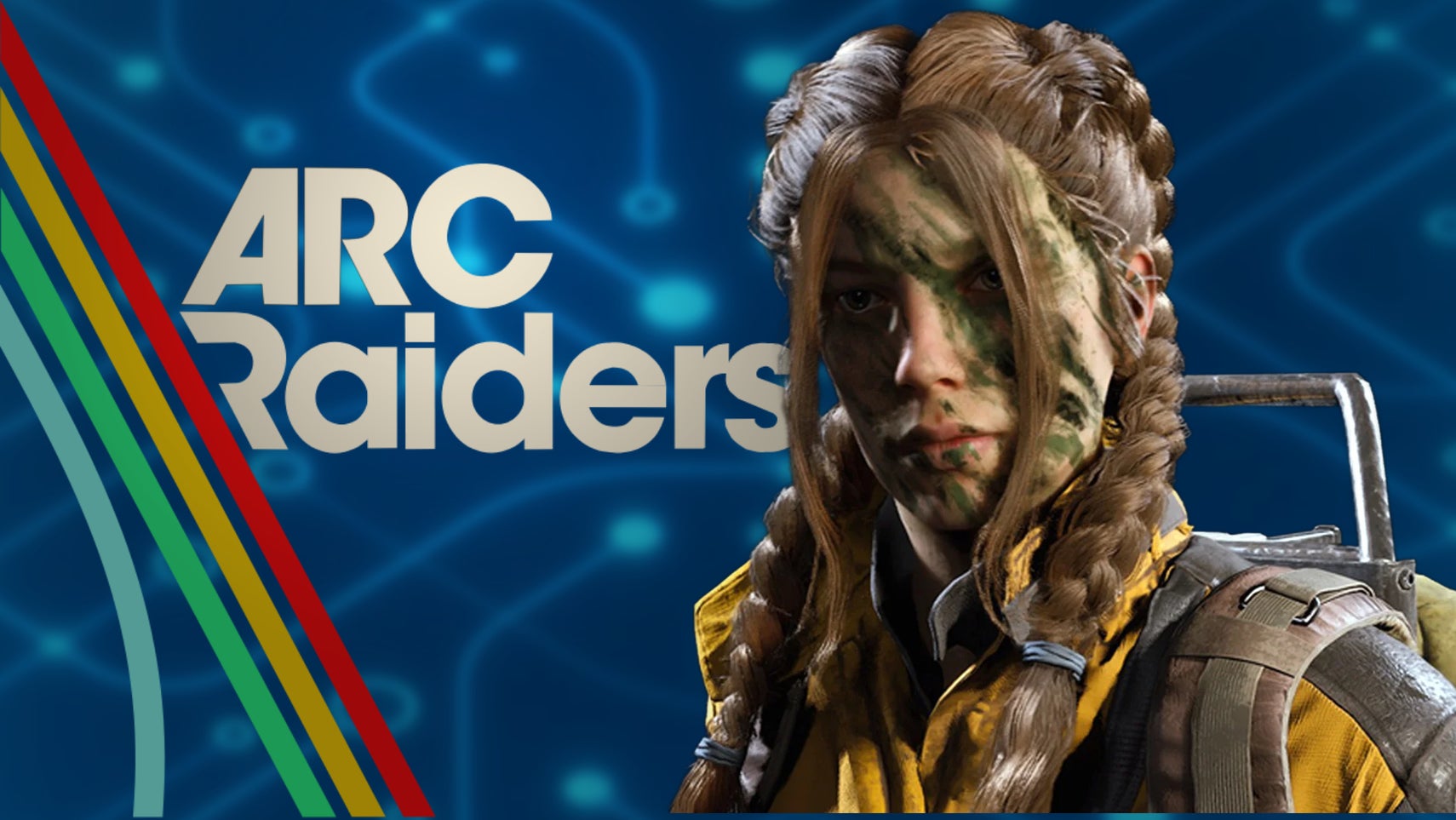
Nexon, the South Korean-Japanese gaming giant, has identified the commercial success of its latest title, Arc Raiders, as more than just a financial victory; it is a strategic "Trojan Horse" intended to fundamentally alter the methodology of game production through the integration of artificial intelligence. Speaking during a comprehensive financial presentation held on March 31, Nexon President and CEO Junghun Lee articulated a vision where AI is not merely a supplementary tool but a foundational element that shifts the internal mindset of developers. According to Lee, the success of Arc Raiders serves as a proof of concept for a broader corporate initiative known as "Mono Lake AI," which aims to streamline the development of high-fidelity, live-service games while significantly reducing the traditional labor-intensive burdens of coding and content creation.
The pivot toward AI-assisted development comes at a time when the global video game industry is grappling with ballooning budgets and decade-long development cycles. Nexon’s leadership argues that the traditional AAA model is becoming increasingly unsustainable, and the solution lies in "freeing" developers from repetitive tasks. Lee described this shift as a gift to the creative process, suggesting that technology allows teams to spend less time typing and more time innovating. The objective is to move past the "tool level" of AI—where software performs isolated tasks—to a stage where AI provides context to every facet of the development pipeline, informed by billions of data points gathered from player behavior.
The Evolution of AI Integration in Arc Raiders
The development of Arc Raiders, spearheaded by Stockholm-based Embark Studios, has been a lightning rod for discussions regarding the ethical and practical use of AI in creative industries. Early in its development cycle, the game faced scrutiny from both players and industry professionals for its use of AI-generated voice lines. Critics argued that the use of synthetic voices undermined the craft of professional voice acting and resulted in a lack of emotional resonance. In response to this feedback, Embark Studios partially retreated from its initial stance, re-recording several lines with professional actors. Despite this adjustment, the studio has remained transparent about its continued use of procedural and AI-based tools.
The Arc Raiders Steam page explicitly notes that while AI assists with content creation, the final product remains a reflection of the development team’s creativity and expression. This balance is central to Nexon’s messaging: that AI is a force multiplier for human talent rather than a replacement for it. Lee emphasized that the creative content experienced by players remains the work of developers, but the methodology used to produce that content has been radically optimized. This "context-based" development allows teams to make informed creative decisions based on massive datasets, a capability Lee claims few other companies can match.
Financial Performance and Market Significance
The financial metrics surrounding Arc Raiders provide the empirical weight behind Nexon’s strategic shift. Patrick Soderlund, the founder of Embark Studios and newly appointed executive chairman of Nexon, revealed that the game delivered the most successful launch in the company’s history. In its first 15 weeks on the market, Arc Raiders sold more than 14 million units. This performance is particularly significant for Nexon, a company that has historically found its greatest successes in the Asian markets with titles like MapleStory and Dungeon & Fighter.
Perhaps more vital than the raw sales figures is the geographic distribution of the revenue. Soderlund noted that an overwhelming 85 percent of Arc Raiders’ revenue originated from North America and Europe. For a South Korean-Japanese firm, this represents a breakthrough in Western market penetration—a feat that has often eluded major Asian publishers attempting to launch new intellectual properties on consoles. Soderlund stated that this success was not accidental but a deliberate result of the "blank slate" approach taken at Embark, where the team questioned every aspect of traditional game development, from the green-lighting process to the division of labor between humans and machines.
The Economics of the "Blank Slate" Approach
A core component of the Embark Studios philosophy, which is now being exported to the rest of Nexon’s global operations, is the ability to produce "AAA" quality games with significantly smaller teams and lower costs. Soderlund pointed to both The Finals and Arc Raiders as evidence of this efficiency. Both games were built with a fraction of the staff and capital typically required for high-end multiplayer titles. This lean approach is facilitated by "smarter processes" and the abandonment of legacy habits that Soderlund claims no longer serve the industry.
In a market where major titles like Sony’s Spider-Man 2 or Ubisoft’s recent open-world entries can cost upwards of $200 million to $300 million to produce, the Embark model offers a competitive advantage. By leveraging procedural generation for environments and AI-driven systems for animation and testing, the studio can maintain a high cadence of content updates—a necessity for modern live-service games—without the massive overhead of a 1,000-person development team. This agility is what Lee refers to as the "Arc Raiders playbook," a roadmap for success that Nexon intends to apply to multiple projects currently in development at Embark.
Chronology of Development and AI Policy Shifts
The timeline of Arc Raiders’ development reflects the rapid evolution of AI technology and the industry’s fluctuating response to it:

- 2018: Patrick Soderlund leaves Electronic Arts to found Embark Studios, with Nexon as a primary investor. The studio is built on the premise of using new technologies to disrupt game development.
- 2021: Arc Raiders is officially announced as a free-to-play cooperative shooter.
- 2022-2023: Embark faces internal and external debates regarding the use of AI-generated voices. During the closed testing phases, the studio confirms the use of AI for "scratch" dialogue and some final assets.
- Late 2023: Following community feedback, the studio announces that professional actors have been brought in to re-record key dialogue, though AI tools remain integrated into the procedural generation of the game world.
- Early 2024: Arc Raiders launches to massive commercial success, particularly in Western markets, surpassing 14 million units in less than four months.
- March 31, 2024: Nexon leadership uses the game’s success to justify a company-wide pivot toward the Mono Lake AI initiative, signaling a permanent change in their development philosophy.
The Mono Lake AI Initiative and Future Implications
The "Mono Lake AI" initiative represents Nexon’s formal commitment to making AI the centerpiece of its technological infrastructure. While Junghun Lee was sparse on specific technical details during the presentation, he described it as a move toward "applying context to everything we do." This likely involves the use of machine learning models to analyze player retention, combat balance, and economic stability in real-time, allowing developers to make adjustments based on empirical evidence rather than intuition alone.
The implications of this shift are profound for the global labor market in game development. While Nexon maintains that these tools "free" creative people, the reality is that such efficiencies often lead to smaller headcount requirements for entry-level roles in coding, QA testing, and asset creation. This trend is already being observed across the tech sector, but Nexon is among the first major publishers to publicly frame a blockbuster success as a direct result of these AI-driven efficiencies.
Furthermore, the success of Arc Raiders on consoles and in Western markets suggests that Nexon will continue to move away from its traditional mobile-first, microtransaction-heavy roots in favor of "alternative pricing models" and high-fidelity console experiences. The "playbook" developed by Embark Studios is now the standard by which Nexon’s future projects—many of which remain shrouded in secrecy—will be measured.
Analysis of the "Trojan Horse" Metaphor
By calling Arc Raiders a "Trojan Horse," Junghun Lee has highlighted a strategic maneuver within the company. On the surface, the game is a gift to the market—a high-quality, engaging experience that has captured the attention of millions. Inside that gift, however, is a transformative engine that has already begun to reshape the internal culture of one of the world’s largest gaming companies.
The success of the game effectively silences internal critics of AI integration by providing undeniable financial results. It proves to shareholders that AI-assisted development is not just a theoretical cost-saving measure, but a viable path to creating global hits. As Nexon moves forward, the "Arc Raiders playbook" will likely serve as a blueprint for other publishers watching from the sidelines, potentially marking the beginning of a new era where the "human-made" label in gaming becomes as debated as it currently is in the world of digital art and literature. For now, Nexon remains confident that their methodology does not replace people, but rather empowers them to focus on "breakthrough innovation" while the machines handle the "less-creative work."