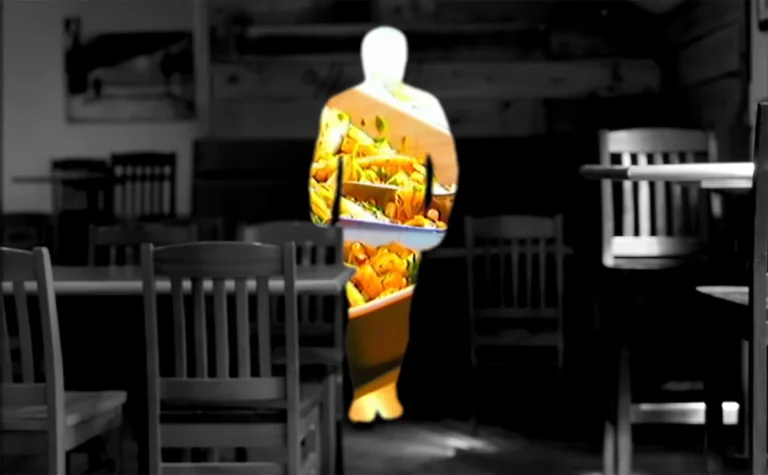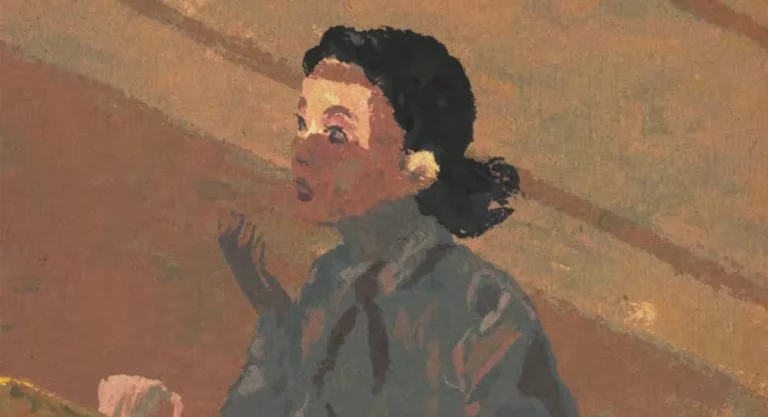



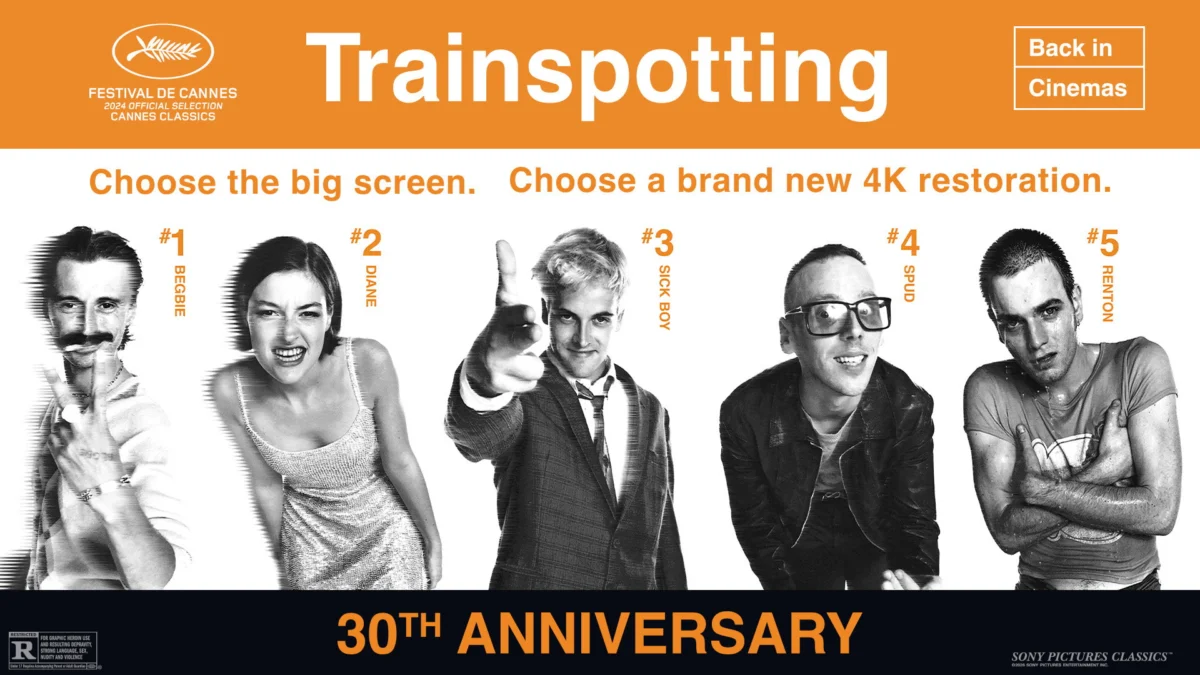
Sony Pictures Classics has officially announced the highly anticipated theatrical re-release of Danny Boyle’s seminal 1996 film, Trainspotting, in a pristine new 4K restoration, set to hit cinemas on June 5, 2026. This cinematic event marks the 30th anniversary of the British cult classic, offering both long-time devotees and new generations the opportunity to experience the raw energy, dark humor, and visceral narrative of Mark Renton and his Edinburgh cohorts on the big screen with unprecedented clarity. The announcement was accompanied by a compelling new trailer, which encapsulates the film’s enduring appeal with the evocative tagline: "Choose the big screen. Choose a brand new 4K restoration. Choose cinema." This strategic re-release underscores the film’s lasting cultural significance and its continued relevance in contemporary cinema.
A Cultural Landmark Reborn: The Significance of Trainspotting‘s 4K Restoration
The decision by Sony Pictures Classics to embark on a full 4K restoration for Trainspotting is a testament to the film’s indelible mark on cinematic history. A 4K restoration involves a meticulous process of scanning the original camera negatives at ultra-high resolution, followed by extensive digital cleaning, color grading, and sound remastering. This intricate work ensures that every frame and every sound cue is presented with the highest fidelity possible, bringing the film closer to its original artistic intent while also enhancing it for modern viewing platforms. For Trainspotting, a film celebrated for its distinctive visual style, rapid-fire editing, and iconic soundtrack, this means a sharper image, richer colors, and a more immersive audio experience that promises to deepen the impact of Boyle’s kinetic direction.
The restoration process is not merely a technical upgrade; it is an act of preservation that ensures a film’s longevity and accessibility. For a movie like Trainspotting, which captured the zeitgeist of 1990s Britain, a 4K version allows its distinct aesthetic to shine, showcasing the gritty realism of Edinburgh’s underbelly alongside Boyle’s surreal, often shocking, stylistic flourishes. Audiences will be able to appreciate the intricate details of the production design, the nuanced performances of its then-emerging cast, and the dynamic cinematography that defined a new era of British filmmaking. The re-release also serves as a bridge, connecting the film’s initial impact with current cinematic trends and audience expectations for high-quality presentation.
Chronology of a Classic: From Novel to Iconic Film
The journey of Trainspotting from its literary origins to a global cinematic phenomenon is a compelling narrative in itself. The film is based on the groundbreaking 1993 novel of the same name by Scottish author Irvine Welsh, a raw, unflinching, and often darkly humorous portrayal of heroin addiction in late 1980s Edinburgh. Welsh’s novel gained critical acclaim for its authentic voice, regional dialect, and its stark depiction of a marginalized subculture.
Upon its publication, the novel quickly attracted the attention of filmmakers, including producer Andrew Macdonald, who recognized its cinematic potential. Macdonald partnered with director Danny Boyle and screenwriter John Hodge, a team that had previously collaborated on the successful 1994 thriller Shallow Grave. Their collective vision was to translate Welsh’s powerful prose into an equally impactful visual medium, a challenge that required balancing the novel’s grim subject matter with a vibrant, often darkly comedic, cinematic language.

The film’s production took place in 1995, with principal photography primarily in Glasgow, Scotland, despite being set in Edinburgh. The choice of locations, combined with Boyle’s distinctive visual flair, contributed to the film’s unique aesthetic. Trainspotting premiered to significant buzz at the 1996 Cannes Film Festival, where it garnered widespread critical attention. Its initial theatrical release in the UK on February 23, 1996, was met with immediate commercial success and critical adulation, solidifying its status as a cultural phenomenon within months. The film subsequently opened in the United States on July 19, 1996, where it quickly became a breakout hit, transcending its independent film roots to achieve mainstream popularity.
Two decades later, the original cast and crew reunited for a legacy sequel, T2 Trainspotting, released in 2017. While T2 offered a more reflective and melancholic look at the characters’ lives twenty years on, revisiting themes of nostalgia, regret, and the passage of time, it struggled to replicate the raw, incendiary energy of its predecessor. Many critics and fans observed that while it was a worthy continuation, the original Trainspotting remained the definitive and most impactful entry in the saga, primarily due to its groundbreaking narrative and stylistic innovations that defined a generation. The upcoming 30th-anniversary re-release thus serves as a powerful reminder of the enduring power and singular vision of the original film.
The Architect of Anarchy: Danny Boyle’s Vision and the Ensemble Cast
At the helm of Trainspotting‘s distinctive aesthetic was director Danny Boyle, whose sophomore feature film cemented his reputation as a visionary filmmaker. Following Shallow Grave, Boyle demonstrated a keen ability to blend intense narratives with stylish visuals and a propulsive soundtrack. In Trainspotting, his direction is characterized by a kinetic energy, employing fast cuts, surreal dream sequences, and an almost musical rhythm that mirrors the characters’ chaotic lives. Boyle’s refusal to glamorize drug addiction, instead presenting it with a stark, often disturbing, honesty, was crucial to the film’s impact. Yet, he also infused the narrative with a dark humor and a sense of camaraderie that made the characters, despite their flaws, undeniably compelling.
The screenplay, penned by John Hodge, skillfully adapted Irvine Welsh’s complex novel, retaining its core themes and unforgettable dialogue, including the iconic "Choose Life" monologue that became a cultural touchstone. Hodge managed to distill the essence of Welsh’s sprawling narrative into a tightly structured, yet expansive, cinematic experience.
Beyond the directorial vision, Trainspotting is celebrated for launching the careers of its exceptionally talented ensemble cast. Ewan McGregor’s portrayal of Mark Renton, the articulate yet deeply conflicted protagonist, was a breakout performance that established him as a leading man. McGregor navigated Renton’s internal struggles with addiction and his yearning for a different life with a captivating blend of cynicism, vulnerability, and charm.
The supporting cast delivered equally memorable performances:

- Robert Carlyle as Francis Begbie, the terrifying, volatile psychopath, became an instant icon of cinematic villainy, his performance chilling audiences and showcasing his remarkable range.
- Jonny Lee Miller as Sick Boy, the cynical, womanizing pop culture obsessive, brought a sharp wit and dangerous intelligence to his character.
- Ewen Bremner as Spud, the lovable, hapless addict, provided much of the film’s comedic relief and pathos.
- Kevin McKidd as Tommy, the clean-cut friend whose descent into addiction is particularly tragic, anchored the film’s emotional core.
- Kelly Macdonald as Diane, the precocious schoolgirl who forms an unlikely connection with Renton, made a striking debut, hinting at her future success.
The chemistry among the cast was palpable, contributing significantly to the film’s authentic portrayal of friendship and dysfunction. Their performances were instrumental in Trainspotting‘s success, earning them critical acclaim and paving the way for illustrious careers in Hollywood and independent cinema alike.
The Sound of a Generation: Trainspotting‘s Iconic Soundtrack
No discussion of Trainspotting would be complete without acknowledging its legendary soundtrack, which is as integral to the film’s identity as its visuals and performances. Curated by Danny Boyle and music supervisor K2, the soundtrack is a masterclass in cinematic music selection, perfectly complementing the film’s frenetic pace, emotional highs, and harrowing lows. It became a cultural phenomenon in its own right, introducing many to the vibrant Britpop, punk, and electronic music scenes of the era.
The soundtrack features an eclectic mix of artists, from Iggy Pop’s raw "Lust for Life" (which opens the film with Renton’s iconic monologue and frantic chase scene) and "Nightclubbing," to Lou Reed’s melancholic "Perfect Day" (used poignantly during Renton’s overdose scene). It also included tracks from contemporary British bands like Blur ("Sing"), Pulp ("Mile End"), and Elastica ("2:1"), firmly rooting the film in the "Cool Britannia" movement of the 1990s. Perhaps most famously, Underworld’s "Born Slippy .NUXX" became synonymous with the film, its pulsating electronic beats providing the backdrop for the film’s climactic sequence and solidifying its place as an anthem of the decade.
The Trainspotting soundtrack wasn’t just background music; it was a character in itself, driving the narrative, enhancing the emotional impact, and providing a sonic landscape that perfectly captured the mood and energy of the film’s world. Its commercial success, selling millions of copies worldwide, underscored its profound influence on popular culture and cemented its status as one of the greatest movie soundtracks of all time. The 4K restoration will undoubtedly allow audiences to experience this auditory masterpiece with renewed clarity and depth, further immersing them in Boyle’s meticulously crafted world.
Broader Impact and Enduring Legacy: Why Trainspotting Still Matters
Trainspotting‘s impact extended far beyond the box office and critical acclaim. It became a cultural touchstone, influencing fashion, music, and subsequent generations of filmmakers. Its unflinching depiction of addiction sparked conversations, challenging perceptions and bringing a raw authenticity to a topic often sensationalized or ignored. The film’s critical reception was overwhelmingly positive, earning an Academy Award nomination for Best Adapted Screenplay, a rare feat for a film of its gritty subject matter and independent origins.
Upon its initial release, the film garnered approximately $72 million worldwide on a modest budget of £1.5 million (around $2.5 million USD at the time), demonstrating immense commercial success and proving the viability of distinct, edgy British cinema on a global stage. This financial triumph, combined with its critical accolades, cemented Trainspotting‘s place in the pantheon of modern classics.

The film’s legacy lies in its ability to remain relevant three decades later. While the specific context of 1980s Edinburgh may be historical, the universal themes it explores—addiction, friendship, betrayal, the search for identity, and the struggle to "choose life" against societal pressures—continue to resonate deeply. The "Choose Life" monologue, often parodied and referenced, has evolved from a cynical rejection of consumerism to a broader commentary on agency and self-determination.
The upcoming 4K re-release offers a crucial opportunity for both established fans and new viewers to engage with Trainspotting in its most visually and sonically enhanced form. For those who experienced its raw power in 1996, it’s a chance to revisit a defining cinematic moment with renewed appreciation for its craft and audacity. For younger audiences, it’s an invitation to discover a landmark film that dared to be different, pushing boundaries and leaving an indelible mark on cinematic history.
As Sony Pictures Classics prepares to bring Trainspotting back to the big screen, the excitement is palpable. The 30th-anniversary 4K restoration is more than just a re-release; it’s a celebration of a film that defied conventions, launched careers, defined a generation, and continues to provoke, entertain, and inspire. On June 5, 2026, cinema-goers will once again have the chance to "choose the big screen" and immerse themselves in the unforgettable, wild, and brilliant world of Trainspotting.