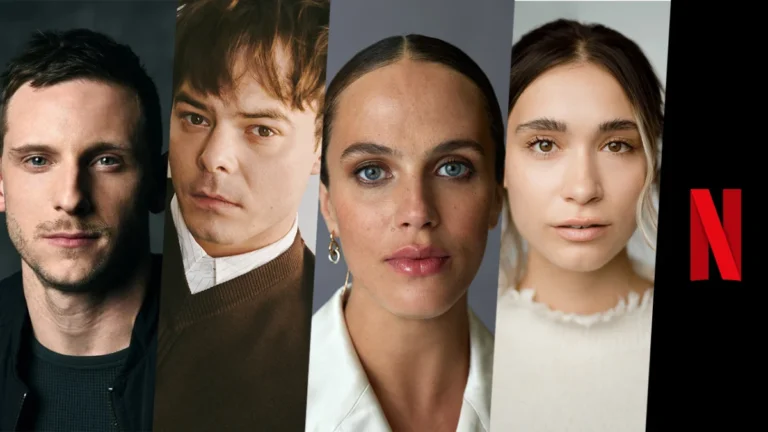


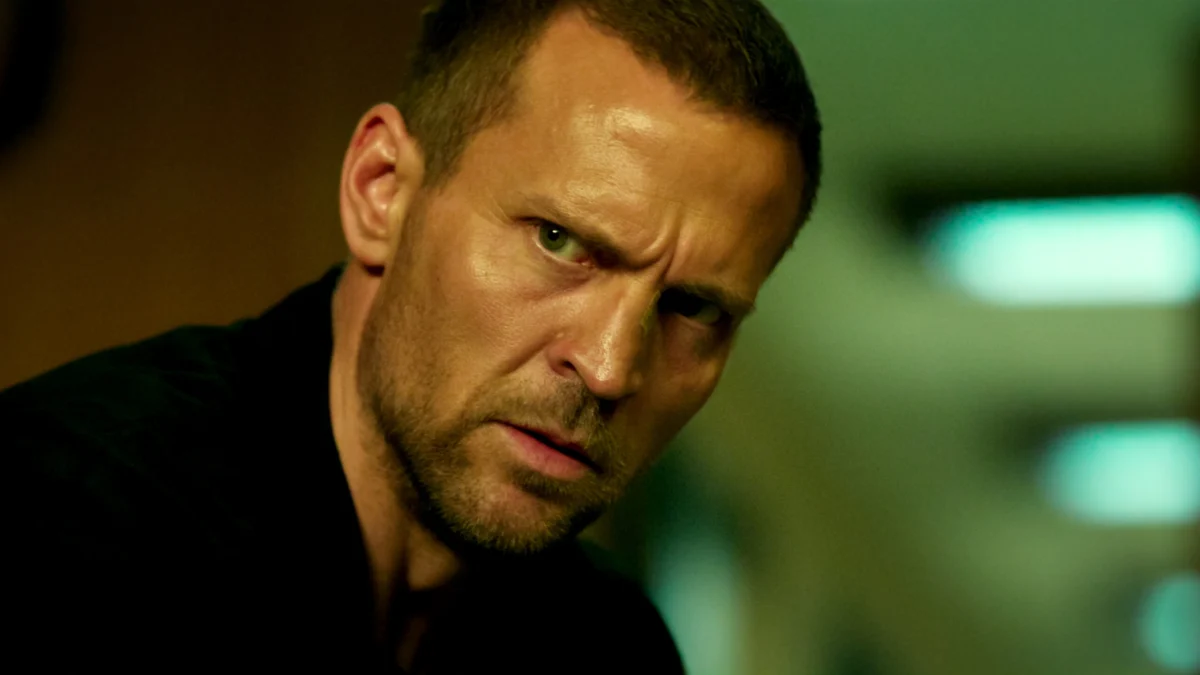
The highly anticipated Netflix series adaptation of Jo Nesbø’s globally acclaimed "Harry Hole" novels has premiered, featuring Tobias Santelmann as the titular detective and Joel Kinnaman as his adversary, Tom Waaler. While the series boasts strong performances from its lead actors and a distinctive aesthetic, it struggles under the weight of its own deliberate pacing and a narrative structure that may test the patience of viewers unfamiliar with the source material. Positioned as one of the most significant European productions for Netflix in 2026, this Nordic noir murder mystery embarks on a complex journey into the dark underbelly of Oslo, exploring themes of corruption, personal demons, and the relentless pursuit of justice.
The Legacy of Harry Hole: From Page to Screen
Jo Nesbø’s Harry Hole character first appeared in 1997 with the novel Flaggermusmannen (The Bat), quickly establishing himself as a formidable presence in the burgeoning Nordic noir genre. Over a dozen books, Hole has become synonymous with intricate, psychologically rich crime narratives, earning Nesbø a reputation as one of the "greatest storytellers in crime fiction." The novels, translated into over 50 languages and selling millions worldwide, are celebrated for their complex plots, deeply flawed protagonist, and atmospheric depiction of Oslo’s urban landscape, often contrasting its modern facade with ancient, primal darkness.
The journey of Harry Hole to the screen has, however, been fraught with challenges. The 2017 film adaptation of The Snowman, starring Michael Fassbender, was widely panned by critics and audiences alike, failing to capture the essence or intricate plotting of Nesbø’s work. This cinematic misstep left a significant void and created immense pressure for any subsequent adaptation to not only redeem the character but also live up to the high expectations set by the books. Netflix’s decision to greenlight a series, with Nesbø himself penning all nine episodes of this first season, signals a concerted effort to deliver a faithful and compelling rendition, learning from past mistakes. The current series draws its narrative from The Devil’s Star, the fifth book in the saga, a pivotal point in Hole’s career and personal life.
Production Vision and Aesthetic
The Netflix adaptation, produced by the British company Working Title, aims for a distinctive visual and auditory experience. The series immerses viewers in a "golden summer hues" depiction of Oslo, providing a visually striking contrast to the grim events unfolding within. This aesthetic choice is paired with "ever-shining pupils" that hint at the internal turmoil and sharp observational skills of its characters. The overall "distinctive flair" is further enhanced by a carefully curated soundtrack. The inclusion of "well-placed rock needle drops" from bands like The Ramones and Pixies serves not only to underscore Harry Hole’s known affinity for rock music—a trait shared with his creator, Jo Nesbø, who was a rock musician himself—but also to inject a raw, edgy energy into critical scenes. Complementing this, a "haunting score" by the acclaimed duo Nick Cave and Warren Ellis provides an atmospheric bedrock, weaving a tapestry of tension and melancholy that is characteristic of the Nordic noir genre. This blend of visual artistry and aural depth attempts to craft an immersive world for Hole’s latest investigation.
The Tormented Detective: Tobias Santelmann as Harry Hole
At the heart of the series is Tobias Santelmann’s portrayal of Harry Hole. Santelmann steps into the shoes of a character burdened by a tragic past. The series opens five years after a devastating car accident, which occurred during the pursuit of a bank robber and resulted in the death of Hole’s colleague. This incident has left him with "long-sustained psychological wounds," manifesting as a profound struggle with alcoholism and personal demons. In the present timeline, Hole is depicted as attempting to find some semblance of stability, embracing a difficult sobriety and nurturing a relationship with Rakel (Pia Tjelta), a single mother whose son he genuinely tries to bond with. This domestic aspiration provides a rare glimpse into Hole’s vulnerability and his yearning for normalcy, a welcome respite from the relentless darkness of his professional life.
Santelmann’s performance captures Hole’s complex nature: a "brilliant but tormented homicide detective" whose extraordinary talent for solving crimes is inextricably linked to his self-destructive tendencies. His journey in the series sees this fragile balance shattered by a new wave of events, testing his hard-earned trust and forgiveness, and forcing him to confront not only external evils but also his internal battles. Santelmann navigates Hole’s intellectual prowess and emotional fragility with nuance, presenting a character who is both deeply flawed and profoundly empathetic, striving to do good in a world that constantly pulls him back into the abyss.
The Corrupt Adversary: Joel Kinnaman as Tom Waaler
Opposing Hole is the equally compelling figure of Tom Waaler, brought to life by Joel Kinnaman. Known for his roles in prominent American series such as AMC’s The Killing, Prime Video’s Hanna, and the first season of Netflix’s Altered Carbon, Kinnaman brings a familiar intensity to the role of the corrupt detective. Waaler is presented as a respected figure within the police hierarchy, yet he harbors a deep-seated "personal grudge against Hole." This animosity stems from the same car accident five years prior that haunted Hole, as the deceased colleague was Waaler’s partner. This shared traumatic event fuels a complex dynamic between the two, transcending mere professional rivalry into a deeply personal vendetta.
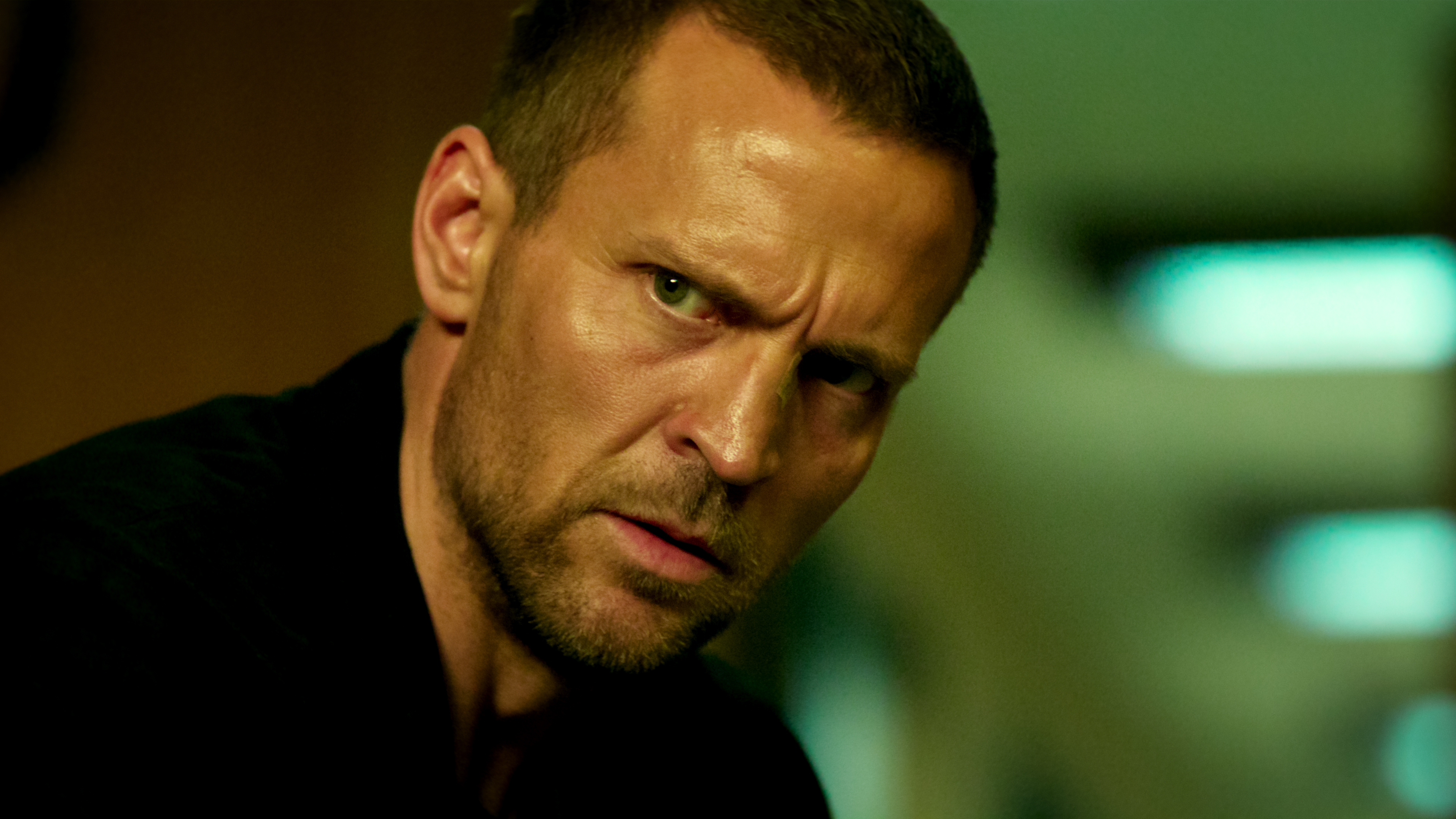
Kinnaman delivers a "controlled performance" as Waaler, characterized by "empty, creepy stares" that effectively convey the character’s sinister nature. Waaler’s recklessness in his dealings with Oslo’s criminal underworld soon leads to a "bloody mess" that awakens Hole’s suspicions, setting the stage for their inevitable confrontation. Nesbø’s writing adeptly crafts this "dance between lonely, tortured characters," portraying Waaler as a "Mephisto figure" attempting to lure Hole to the dark side of the law. This ideological and personal clash between Hole and Waaler forms a significant "backdrop for much of the dramatic tension," exploring the "blurred ethical lines of the criminal justice system" and providing a compelling exploration of good versus evil within the police force. While effective, the narrative’s insistence on this "dance with the devil" occasionally risks overshadowing other plot developments.
The Narrative Arcs and Pacing Critique
The series unfolds along two primary narrative arcs. The first is the aforementioned cat-and-mouse game between Hole and Waaler. This arc delves into police corruption, loyalty, and betrayal, providing a psychological thriller element that examines the moral compromises inherent in law enforcement. Waaler’s manipulation and Hole’s unwavering commitment to justice, despite his own struggles, create a potent dramatic engine.
The second, and central, arc revolves around the titular Devil’s Star case: a series of "grisly murders" targeting young women, each body marked by a "mysterious red jewel." This is where the series’ pacing becomes a critical point of contention. While Nesbø’s novels are renowned for their intricate plotting, the adaptation "takes its sweet time in unveiling the motives and sinister plans of the criminals." This deliberate, almost languid, pace means that "most of the time, the audience is clued in as to what happened before Hole," leaving the detective to slowly piece together information already known to the viewer. This approach, while perhaps faithful to certain aspects of literary pacing, "may not make for the most interesting show" for a television audience accustomed to more immediate gratification and active participation in solving the mystery alongside the protagonist.
The series’ commitment to a "moody, struggling lead character" and a slow burn narrative "rewards patience," but it also means it "does not make for an easy watch." Furthermore, the narrative is punctuated by "occasional bursts of graphic violence," which "eventually veer towards the gratuitous." This explicit depiction of brutality, coupled with a notable absence of "lighter moments"—save for Hole’s tentative attempts to connect with Rakel’s son, which offer a brief, welcome respite—contributes to the series’ heavy atmosphere. While Nordic noir is known for its darkness, the balance between intensity and narrative progression is crucial, and the gratuitous nature of some violence might alienate a segment of the audience.
Broader Implications and Netflix’s Global Strategy
The launch of Harry Hole on Netflix is not just another series premiere; it’s a significant marker in the streaming giant’s broader strategy for global content. Netflix has heavily invested in international productions, particularly in the Nordic region, which has a proven track record of delivering compelling crime dramas. Past successes like Borgen, Ragnarok, and The Valhalla Murders demonstrate the appetite for high-quality, regionally specific content that can transcend linguistic and cultural barriers. For Netflix, Harry Hole represents an opportunity to tap into a massive, pre-existing fan base of Nesbø’s novels, potentially attracting millions of subscribers worldwide who are already familiar with the character and his world.
The choice to involve Jo Nesbø directly in the scripting process is a calculated move to ensure authenticity and appease dedicated fans. This level of authorial control is often seen as a guarantee of fidelity to the source material, differentiating it from previous adaptations that lacked such direct involvement. The series’ reception, therefore, will be closely watched not just by fans, but by industry analysts, as it provides insights into the viability of direct authorial adaptations on streaming platforms.
Verdict and Future Prospects
In conclusion, Netflix’s Harry Hole presents a mixed bag. The undeniable "chemistry" between Tobias Santelmann and Joel Kinnaman as two sides of the same tormented coin is a clear strength, elevating their respective performances and fueling the central dramatic tension. The aesthetic choices, from the sun-drenched Oslo to the distinctive musical score, create an immersive atmosphere that aligns with the expectations of the Nordic noir genre. However, the series’ "messy murder mystery" and its "too comfortable with its own slow pace" narrative structure may prove to be a significant hurdle for general audiences. The decision to reveal plot points to the audience before Hole does, coupled with the slow unraveling of the "Devil’s Star" case, means that the series "may not earn interest beyond fans of the character and the books."
Moreover, the "effusions of graphic violence, from episode to episode, may not be suitable for all subscribers," raising questions about its broad appeal. Despite these challenges, the inherent "appeal of the well-defined Harry Hole character" and the global popularity of Jo Nesbø’s literary universe suggest that this series could still carve out a dedicated viewership. The potential for "possible sequels," still adapted from the rich tapestry of Hole’s adventures in Nesbø’s books, remains a strong possibility. For Netflix, securing a long-running, critically acclaimed series based on a beloved international property would be a significant win, cementing its reputation as a home for diverse and high-quality storytelling, even if this initial outing requires a considerable investment of patience from its audience.