



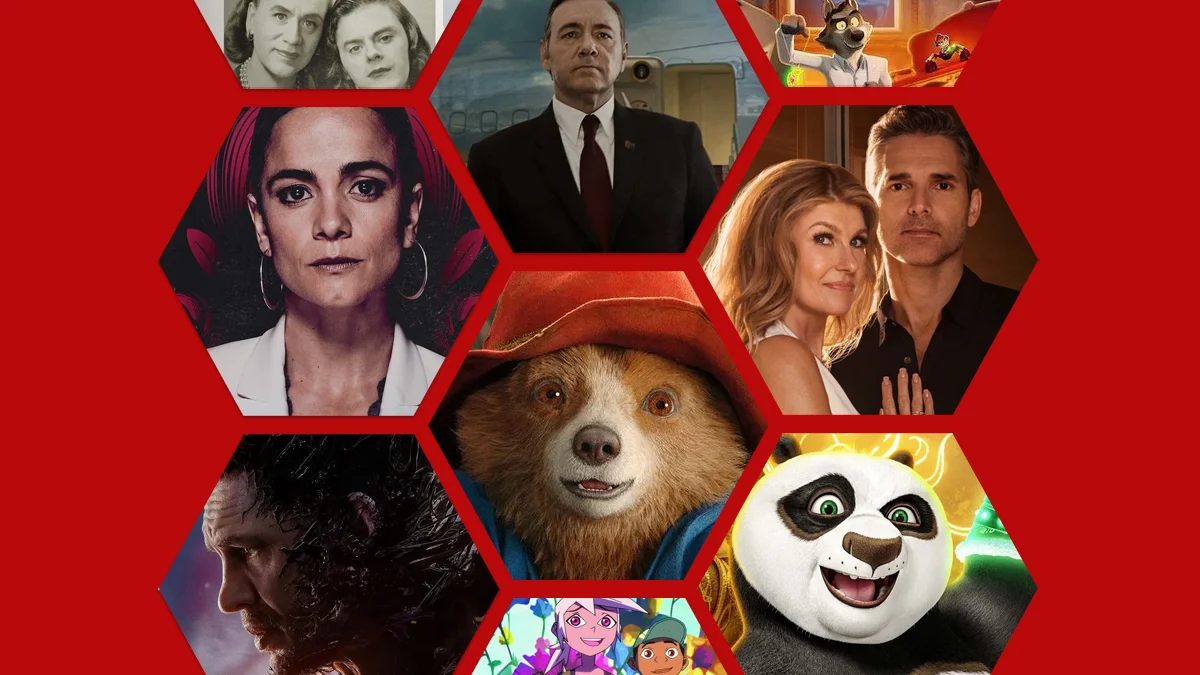
As of April 2026, Netflix’s ad-supported streaming tier in the United States continues its remarkable trajectory towards content parity with its ad-free counterparts, with only 119 titles currently blocked from viewing. This represents a mere 1.47% of the total US library, which now stands at an impressive 8,105 titles. This significant reduction in unavailable content marks a pivotal moment for the platform’s "Basic with Ads" offering, which has steadily improved since its initial launch, addressing one of its most prominent drawbacks.
The Evolution of Netflix’s Ad Tier: A Chronology of Improvement
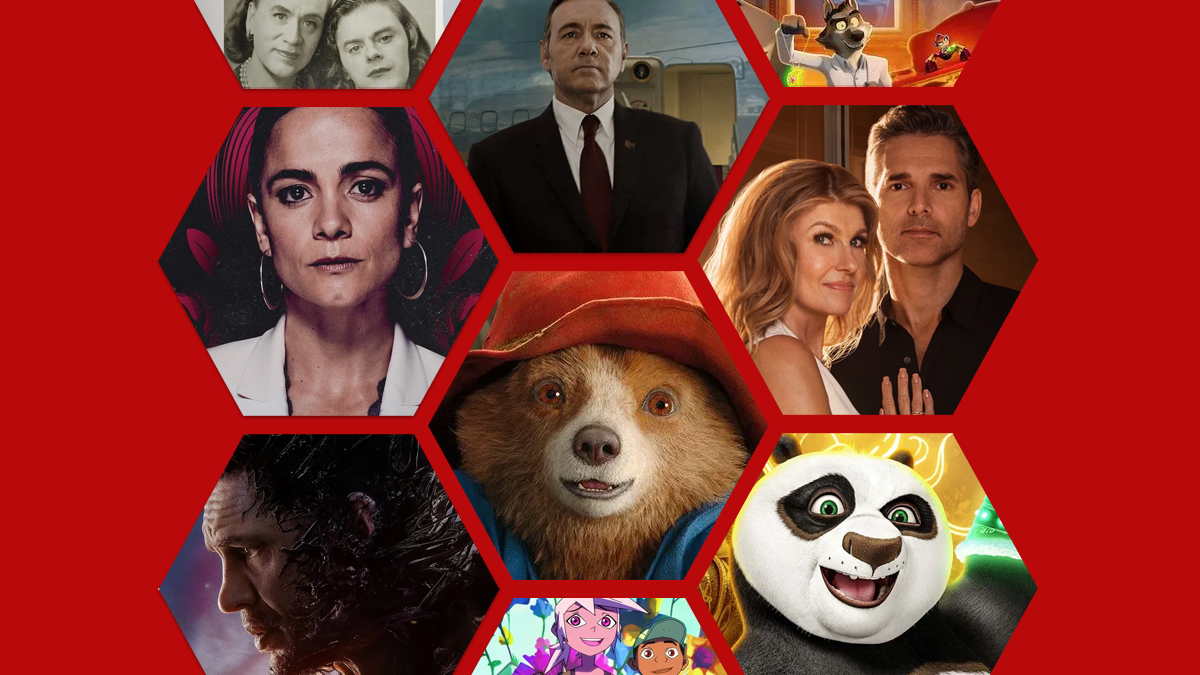
The introduction of Netflix’s ad-supported tier in November 2022 was a strategic move by the streaming giant to diversify its revenue streams and attract a more price-sensitive demographic, amidst increasing competition and a slowdown in subscriber growth for its premium plans. However, its debut was met with some skepticism, primarily due to several limitations, including a reduced content library, lower video resolution, and the absence of download capabilities. Crucially, a significant portion of its content, including some highly anticipated Netflix Originals, remained inaccessible to ad-tier subscribers.
Upon its initial launch, approximately 5.1% of Netflix’s then-6,324 titles were unavailable on the ad-supported plan. This figure saw a slight increase a few months later, reaching 5.4% in February 2023, with 348 titles out of 6,444 being blocked. This early period highlighted the complex challenge Netflix faced in renegotiating licensing agreements with various content owners to permit ad-supported streaming. Many existing contracts were drafted before the advent of widespread ad-supported streaming models, necessitating intricate legal and commercial discussions.
The company, however, demonstrated a clear commitment to enhancing the value proposition of its ad tier. By February 7, 2024, the number of unavailable titles had dramatically decreased by 50% from the previous year, standing at 175. This positive trend continued through the end of 2024. As of December 2024, the percentage of blocked content had further fallen to 2% of the overall library, with 151 titles out of 7,381 being inaccessible. A notable factor in this particular drop was the removal of the majority of DreamWorks’ interactive specials from the platform on December 1st, titles that were previously unavailable on the ad tier. The current figure of 119 titles (1.47%) by April 2026 underscores Netflix’s ongoing success in securing broader rights for its ad-supported subscribers.
Understanding the Persistent Content Restrictions
Despite the significant progress, a small but notable collection of titles continues to be excluded from the ad tier. These restrictions are not arbitrary but are rooted in the intricate web of licensing agreements and intellectual property rights that govern the streaming industry. The titles fall into two primary categories: Netflix Originals (or titles branded as such but not wholly owned by Netflix) and licensed content from third-party distributors.
Netflix Originals with Ad-Tier Restrictions
The term "Netflix Original" can sometimes be misleading, as it encompasses a range of production and distribution deals. While many are fully owned or commissioned by Netflix, others are licensed exclusives where Netflix acts as a distributor in certain territories. It is these latter categories that often present challenges for ad-tier inclusion.
For instance, earlier in its ad tier’s history, the critically acclaimed series Peaky Blinders was unavailable, despite being distributed globally by Netflix as an "Original." The fact that it is now accessible on all tiers indicates successful renegotiations. However, some key holdouts persist:
- DreamWorks Animation Titles: A significant portion of DreamWorks Animation content, particularly certain series and films, continues to be impacted. These titles often come with complex licensing structures that predate Netflix’s ad-supported model. Interestingly, popular children’s programming like Gabby’s Dollhouse has managed to navigate these restrictions and remains available across all tiers, suggesting varying contractual terms even within the same studio’s catalog.
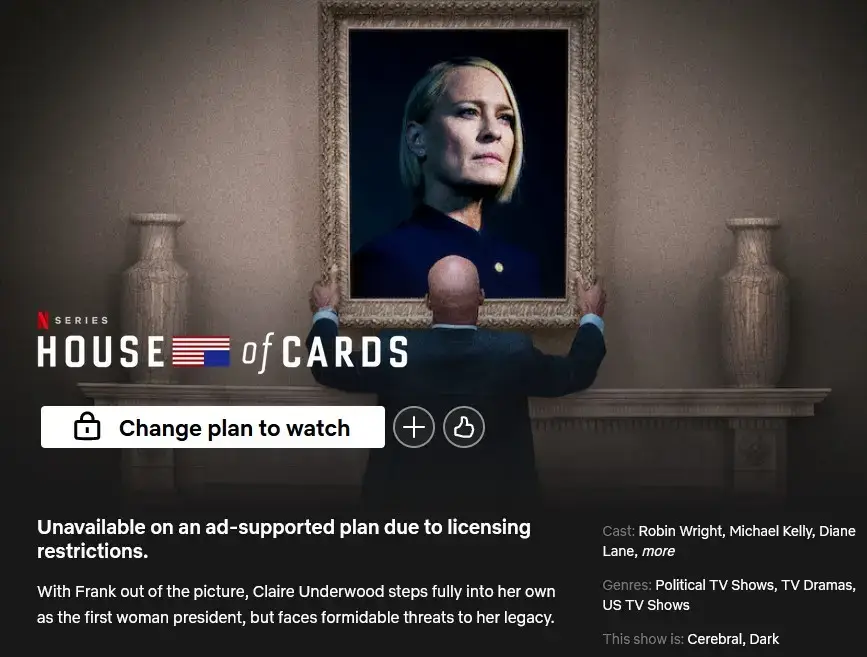
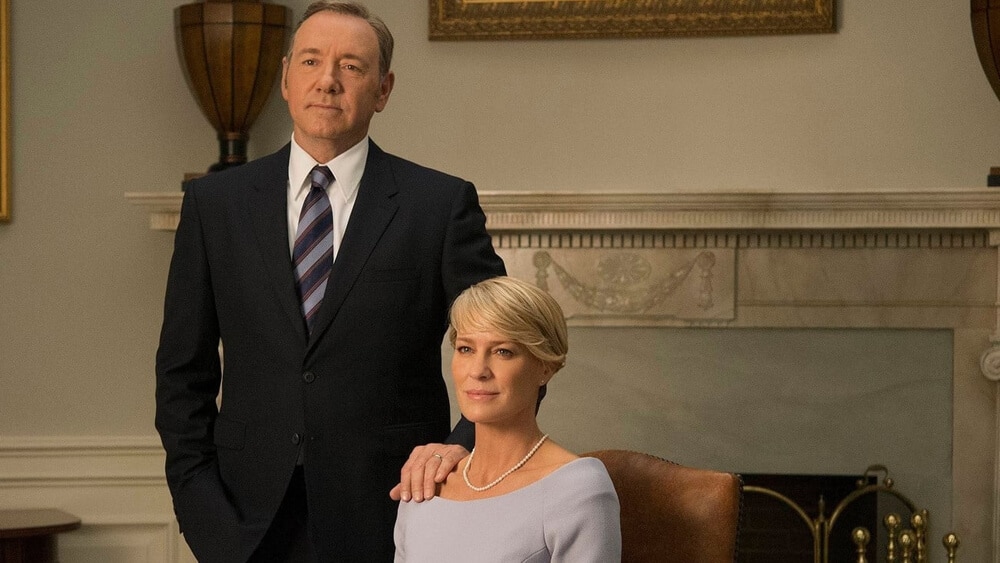
- House of Cards: This seminal series, an early flagship "Netflix Original," remains unavailable on the ad tier. Produced by MRC, the rights for ad-supported streaming for such a legacy title are likely tied up in older, perhaps less flexible, agreements. The complexity of sharing ad revenue with a third-party production company for a show that predates the ad tier’s existence can be substantial.
The continued presence of these "Originals" on the blocked list highlights the ongoing effort required to retroactively secure ad-supported rights for content acquired under different market conditions.

Licensed Movies: A Major Battleground
The most substantial portion of unavailable content on the ad tier stems from licensed movies, with Sony Pictures (and its subsidiaries like Columbia, TriStar, Screen Gems, and Stage 6) being the most prominent rights holder behind these restrictions. This is particularly impactful given Netflix’s "first window" deal with Sony in the US, meaning new theatrical releases from Sony typically debut on Netflix before other streamers.
The complexities here often involve:

- Pre-existing Studio Deals: Many studio licensing deals were structured before ad-supported streaming became a dominant model. Renegotiating these to include ad revenue sharing can be a lengthy and costly process.
- Exclusive Ad-Tier Rights: Some studios may have already granted exclusive ad-supported rights to other platforms or wish to retain the option for future deals.
- Valuation of Ad Inventory: Determining the fair market value for ad impressions on specific titles, especially high-profile ones, requires careful negotiation.
The good news for subscribers is that this situation is set to change dramatically. Netflix has confirmed that from 2027 onwards, it will be able to carry Sony Pictures movies within its advertising tier. This future agreement signifies a major breakthrough and is expected to significantly reduce the number of blocked licensed movies, especially newer releases. Titles like 28 Years Later, Eleanor The Great, Nuremberg, and Venom: The Last Dance, which are examples of Sony Pictures content that have been flagged as potentially unavailable, are expected to become accessible to ad-tier subscribers in the future.
Beyond Sony, smaller distributors such as The Weinstein Company (or its successor entities), StudioCanal, Canal+, and IFC Films also contribute to the list of blocked movies. These companies often have unique or older distribution agreements that are harder to amend for ad-supported streaming.
Licensed Series: Fewer but Notable Holdouts

On the television series front, the number of unavailable titles is generally smaller than movies, but there are still specific content providers that present challenges:
- Universal Television: Certain series from Universal Television remain inaccessible on the ad tier. Universal, a major studio with its own streaming service (Peacock), likely has strategic reasons or existing contractual obligations that limit ad-supported distribution on rival platforms like Netflix.
- AMC Titles: A select number of AMC series, such as Brockmire, are also among the blocked content. Similar to Universal, AMC is a network with its own streaming ventures, leading to complex negotiations for rights on competing services. Queen of the South is another example of a licensed series that has faced ad-tier restrictions.
Implications and Netflix’s Forward Strategy
The steady reduction in blocked content is a strong indicator of Netflix’s strategic success in navigating the intricate landscape of content licensing. For subscribers, this means an increasingly attractive value proposition for the ad-supported tier. As more popular titles become available, the "Basic with Ads" plan inches closer to offering the full Netflix experience at a lower price point, potentially driving further subscriber growth. This move is critical in a streaming market where nearly all major players, including Disney+, Max, Hulu, and Peacock, offer ad-supported options. Content parity ensures Netflix remains competitive and offers a clear, cost-effective entry point for new users.

From a business perspective, the ability to sell advertising against a larger and more desirable content library enhances Netflix’s ad revenue potential. Advertisers are more likely to commit to a platform that can guarantee reach across a broad spectrum of popular titles. The 2027 agreement with Sony Pictures is a particularly significant win, as it will unlock a continuous flow of new, high-demand theatrical films for ad-tier viewers, directly addressing a major historical content gap.
The ongoing efforts reflect a broader industry trend where ad-supported streaming is no longer a niche offering but a fundamental component of platform strategy. As contracts are renegotiated and new deals are struck, it is becoming standard practice to include provisions for ad-supported distribution. While the path to complete content uniformity is complex and involves numerous stakeholders, Netflix’s consistent progress demonstrates its commitment to making its most affordable tier as comprehensive as possible.
In conclusion, the journey of Netflix’s ad-supported tier from a somewhat restricted offering to one with minimal content gaps is a testament to the platform’s adaptability and negotiation prowess. The continuous reduction in unavailable titles, particularly the upcoming inclusion of Sony Pictures content, strengthens the ad tier’s appeal, benefiting both subscribers seeking value and Netflix in its pursuit of sustained growth and profitability in the highly competitive streaming ecosystem.