

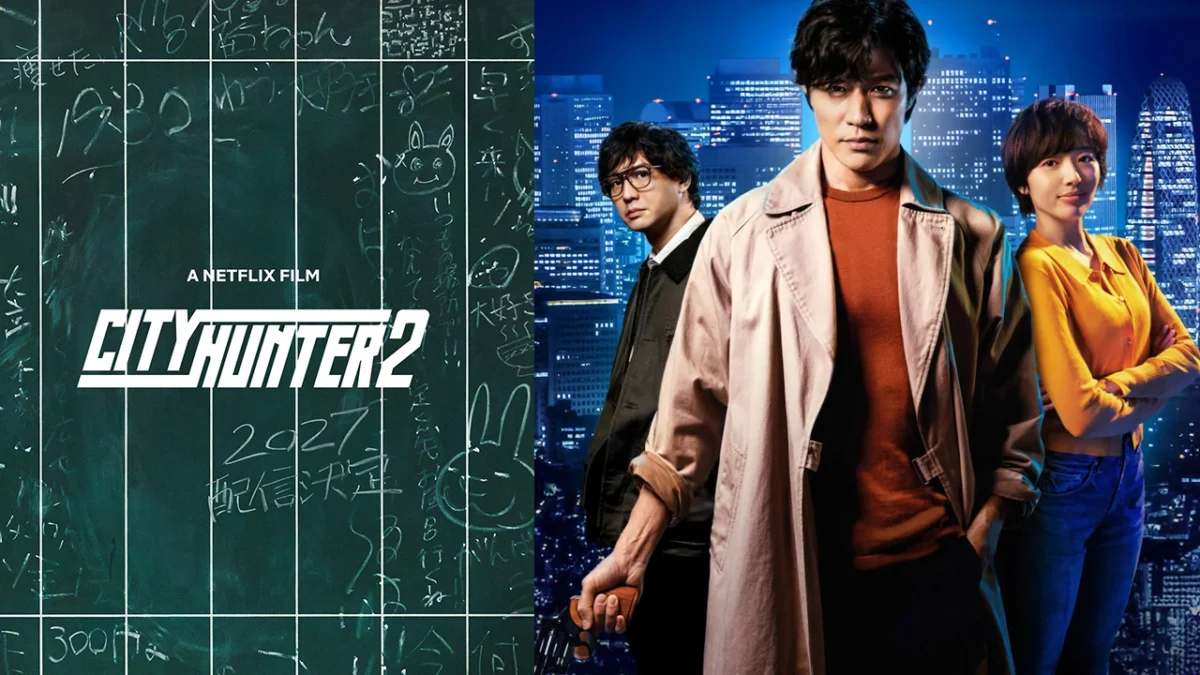
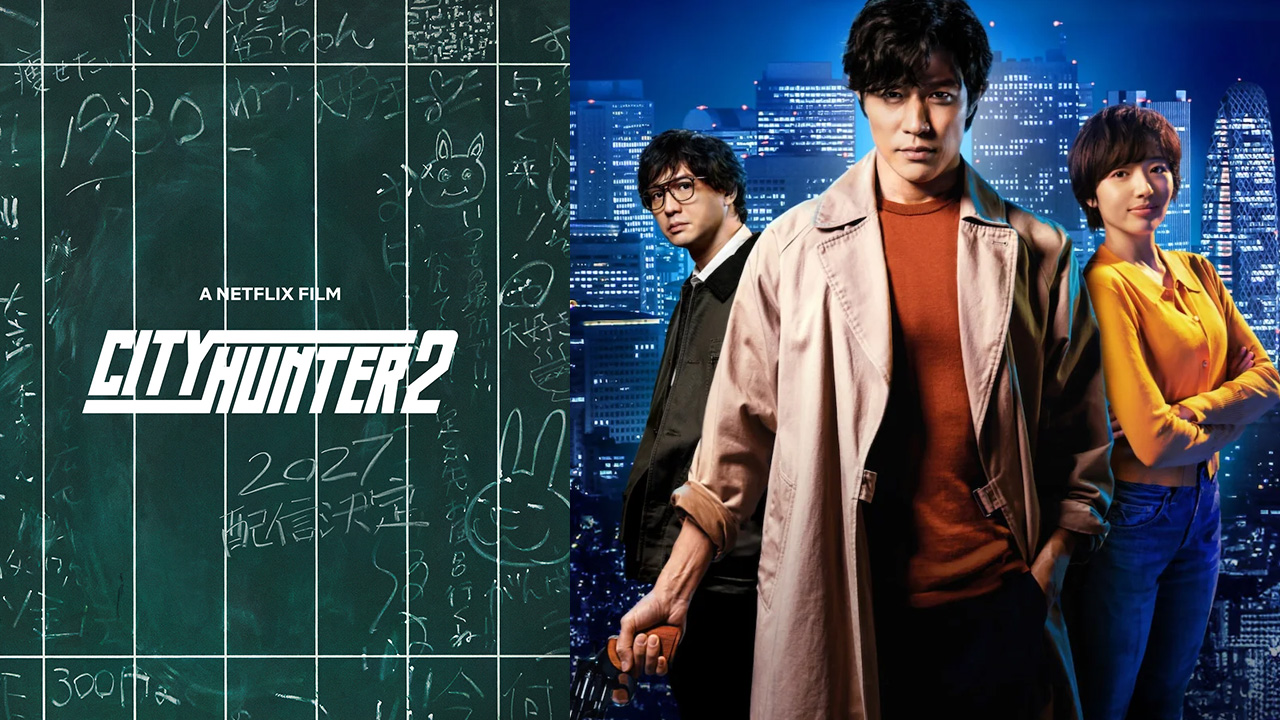
Netflix has officially confirmed that City Hunter 2, the highly anticipated sequel to its successful 2024 live-action adaptation, is currently in production. This announcement marks a significant milestone for Netflix’s commitment to Japanese content and follows the overwhelming global reception of the initial film, which brought Tsukasa Hojo’s iconic manga to a new generation of viewers while satisfying long-time fans. The return to the gritty yet humorous streets of Shinjuku underscores the platform’s strategy of investing in locally produced, globally appealing adaptations of beloved intellectual properties.
The Enduring Legacy of City Hunter: From Manga to Global Phenomenon
The City Hunter franchise originates from the pen of legendary manga artist Tsukasa Hojo, whose work was serialized in Shueisha’s Weekly Shōnen Jump from 1985 to 1991. The series quickly captivated readers with its unique blend of hard-boiled detective action, slapstick comedy, and underlying romantic tension. At its core is Ryo Saeba, an "exceptional marksman and hopeless playboy" operating as a "sweeper" – a private detective, bodyguard, and general problem-solver – in Tokyo. His partnership with the pragmatic and often exasperated Kaori Makimura, the younger sister of his late partner, forms the emotional backbone of the narrative.
City Hunter‘s influence extends far beyond its original manga run. It spawned a highly successful anime series that debuted in 1987, alongside numerous animated films and OVAs, solidifying its place in pop culture history. The franchise’s global appeal led to various international live-action adaptations over the decades, including the notable Hong Kong film starring Jackie Chan in 1993, a popular South Korean drama in 2011, and a French film in 2018. Each adaptation, while taking liberties, attempted to capture the essence of Ryo’s distinctive personality and the dynamic between the main characters. The enduring popularity across different media and cultures speaks volumes about the timeless quality of Hojo’s storytelling and character development, particularly the charismatic yet flawed protagonist and his evolving relationship with Kaori. The series’ ability to balance intense action sequences with genuinely comedic moments and poignant dramatic beats has allowed it to transcend generational and geographical boundaries, building a devoted global fanbase over nearly four decades.
The Netflix Adaptation: A Critical and Commercial Triumph
When Netflix announced its plans for a new Japanese live-action adaptation of City Hunter, there was a palpable mix of excitement and apprehension among fans, given the mixed track record of live-action anime/manga adaptations. However, the 2024 film, which premiered globally on April 25th, quickly allayed many concerns, earning "mostly positive reviews" from critics and audiences alike. The adaptation was praised for its faithfulness to the source material’s tone, successfully balancing the signature humor, thrilling action, and emotional depth that defined the original series.
A significant factor in its success was the casting of Ryohei Suzuki as Ryo Saeba. Suzuki’s performance was widely lauded for his ability to embody both Ryo’s goofy, perverted tendencies and his underlying professionalism and skill as a formidable marksman. Critics often highlighted his physical transformation and commitment to the role, which resonated deeply with fans of the manga and anime. The film’s production quality, including its cinematography and action choreography, also received positive feedback, demonstrating a high level of dedication to bringing Hojo’s world to life authentically.
Beyond critical reception, the 2024 City Hunter was a monumental commercial success for Netflix. It swiftly climbed to the top of the global charts, a testament to its broad appeal. The film spent an impressive three weeks in Netflix’s global top 10, accumulating 23.1 million hours watched and 13.3 million views shortly after its release. According to Netflix Engagement Reports, this viewership continued to grow, ultimately clocking 26.1 million views through the end of 2025. This performance positioned City Hunter as one of the most successful Japanese original films on the platform, reinforcing Netflix’s strategic investment in premium Japanese content. The film’s ability to attract millions of viewers globally not only validated the creative team’s approach but also signaled a strong demand for further explorations of the City Hunter universe within the Netflix ecosystem. The success of the first film was a clear indicator that a sequel was not just desired but almost inevitable, given the immense fan engagement and critical acclaim it garnered.
Key Returns: Cast and Creative Team for City Hunter 2
The continuity of talent, both in front of and behind the camera, is a strong indicator of Netflix’s confidence in the direction of the City Hunter live-action franchise. For City Hunter 2, the core team responsible for the first film’s success is set to reunite, promising a seamless continuation of the established tone and characterizations.
Reprising their pivotal roles are:
- Ryohei Suzuki as Ryo Saeba: Suzuki’s return as the legendary "sweeper" is perhaps the most anticipated aspect of the sequel. His portrayal in the first film was a cornerstone of its success, capturing Ryo’s complex personality – a masterful detective and marksman with a notoriously lecherous streak, yet possessing a deep sense of justice and loyalty. Fans are eager to see how his character evolves now that the origin story has been laid out.
- Misato Morita as Kaori Makimura: Morita will once again portray Kaori, Ryo’s strong-willed and often exasperated partner. Kaori is essential to balancing Ryo’s eccentricities and serves as his moral compass. Their evolving partnership, moving beyond the initial formation, is central to the series’ appeal, and Morita’s return ensures that dynamic remains intact.
- Fumino Kimura as Saeko Nogami: Kimura is back as the "no-nonsense detective" Saeko Nogami, Ryo’s occasional ally and frequent foil. Saeko’s sharp intellect, formidable skills, and complicated history with Ryo add layers of intrigue and humor to the narrative. Her presence guarantees the continuation of the intricate web of relationships that define the City Hunter world.
Behind the scenes, the creative leadership also remains consistent:
- Keiichiro Shiraki (Director): Shiraki’s direction was praised for effectively translating Hojo’s vision to the screen, balancing action, comedy, and drama. His return ensures a consistent directorial style and a deep understanding of the source material.
- Junpei Yamaoka (Writer): Yamaoka’s screenplay for the first film successfully navigated the challenge of adapting a beloved manga into a cohesive live-action narrative. His continued involvement as the writer for City Hunter 2 promises a storyline that respects the original while offering fresh developments.
This strong sense of continuity in both cast and crew suggests that Netflix and the production team are committed to building upon the foundation laid by the first film, aiming to deliver a sequel that not only meets but exceeds the high expectations set by its predecessor. The collaborative synergy among these key individuals was undoubtedly a major factor in the original film’s triumph, and their collective return is a strong assurance for the quality and authenticity of City Hunter 2.
Creative Vision and Expanded Expectations for City Hunter 2
The creators and stars of City Hunter 2 have articulated a clear vision for the sequel, aiming to elevate the narrative beyond the foundational elements established in the first film. The initial adaptation served as a compelling origin story, detailing how Ryo Saeba and Kaori Makimura officially became partners following the tragic death of Kaori’s brother, Hideyuki Makimura. With that groundwork laid, the sequel is poised to dive deeper into the established dynamic and deliver what many fans truly associate with the City Hunter experience.
Ryohei Suzuki, who embodies Ryo Saeba with remarkable dedication, highlighted this shift in focus. "The previous film depicted the origin story between Ryo and Kaori," Suzuki stated. "In this sequel, we’re delivering what you might call the City Hunter – the most quintessential version of City Hunter yet." This suggests that viewers can expect to see Ryo and Kaori operating as a more seasoned team, confronting more complex cases that demand Ryo’s unique skills and Kaori’s unwavering support, while also exploring the nuances of their evolving professional and personal relationship. This "quintessential version" likely implies a greater emphasis on the signature elements of the franchise: intricate mysteries, high-stakes action sequences, Ryo’s flamboyant antics, and the underlying emotional current that binds the duo.
Original creator Tsukasa Hojo expressed his profound satisfaction and excitement after visiting the set of the new film. His endorsement is invaluable, especially for a franchise with such a dedicated fanbase. "I was deeply impressed by the incredible passion of Ryohei Suzuki and the director," Hojo remarked. "In particular, Ryohei’s physical transformation was remarkable." Hojo’s praise for Suzuki’s commitment goes beyond mere acting; it acknowledges the physical demands of portraying Ryo Saeba, a character known for his athletic prowess and distinctive appearance. Such a commendation from the source material’s creator lends significant credibility and anticipation to the sequel.
Director Keiichiro Shiraki candidly admitted to feeling the immense weight of the legacy they are entrusted with. Adapting such a beloved and long-standing property for a contemporary audience, especially in Japan’s "Reiwa era" (the current imperial era, which began in 2019, signifying modern sensibilities), is no small feat. Shiraki shared insights into the rigorous creative process, noting that he and the team have been holding intense "daily meetings at a family restaurant somewhere in Tokyo" to meticulously plan and refine every aspect of the production. This dedication underscores their commitment to "capture the magic of the series" for today’s viewers, ensuring that the essence of City Hunter remains intact while appealing to a new generation. These meetings likely involve intricate discussions about script development, character arcs, action choreography, and how to best integrate the series’ comedic and dramatic elements.
Shinichi Takahashi, Director of Live Action Creative (Japan) at Netflix, articulated the broader significance of City Hunter 2 for the streaming giant. "Following the tremendous response to the previous film, we are truly delighted to bring you the first-ever sequel to a Netflix film from Japan," Takahashi announced. This statement highlights Netflix’s confidence in its Japanese original content strategy and the City Hunter franchise’s pivotal role within it. It signifies a precedent for developing multi-film sagas from Japanese intellectual properties on the platform. Takahashi further teased the upcoming film, promising a more intensified experience: "Cooler than ever, goofier than ever, and more emotional than ever – City Hunter 2 is on its way." This description encapsulates the multifaceted appeal of the series, indicating that the sequel will push boundaries in all the aspects that made the original so beloved. The combination of heightened coolness, expanded humor, and deeper emotional resonance suggests a film that aims to deliver a richer, more engaging experience for all audiences.
The Broader Impact: Netflix’s Strategy and Live-Action Adaptations
The greenlighting of City Hunter 2 holds significant implications for both Netflix’s global content strategy and the wider landscape of live-action adaptations of Japanese manga and anime. For years, live-action adaptations of beloved anime and manga have faced a challenging road, often struggling to capture the magic of their source material while satisfying fervent fanbases. However, recent successes, including Netflix’s own One Piece live-action series and the first City Hunter film, suggest a positive shift in this trend.
Netflix’s commitment to City Hunter 2 reinforces its strategy of investing heavily in local-language content, particularly from key markets like Japan. The success of the first film demonstrates that well-executed adaptations of popular Japanese IPs can resonate globally, attracting diverse audiences beyond their original cultural context. This approach not only provides Netflix with exclusive, high-demand content but also strengthens its position in competitive international streaming markets. By producing sequels, Netflix aims to foster long-term audience engagement and loyalty, turning successful single films into robust franchises. This strategy is crucial for subscriber retention and for attracting new viewers who are drawn to established and recognizable brands.
For the Japanese entertainment industry, the success of City Hunter and its subsequent sequel signal a renewed opportunity for their vast catalogue of manga and anime to find new life and reach on a global stage. The meticulous attention to detail and respect for the source material shown in the Netflix City Hunter adaptation can serve as a blueprint for future projects, encouraging more collaborative ventures between Japanese creators and international production companies. This trend could lead to increased investment in Japanese talent, both in front of and behind the camera, and foster a new era of high-quality, globally distributed live-action adaptations. It also validates the enduring power and universal themes present in Japanese storytelling, proving that stories originating from Japan can captivate and entertain audiences worldwide when handled with care and vision.
Furthermore, the "Reiwa era" context mentioned by Director Shiraki highlights the ongoing challenge and opportunity to modernize classic narratives for contemporary viewers without alienating long-time fans. Successfully navigating this balance is key to the longevity and continued relevance of franchises like City Hunter. The fact that an original creator like Tsukasa Hojo is openly praising the adaptation further solidifies its standing as a respectful and well-executed rendition, which is paramount for fan acceptance. This collaborative and respectful approach to intellectual property is a critical factor in the evolving landscape of global media production.
Looking Ahead: The Next Mission for Ryo Saeba
With production now officially underway, the anticipation for City Hunter 2 will only grow. While specific plot details and an official release window are yet to be announced, the statements from the cast and crew provide a clear direction: a deeper dive into the "quintessential" City Hunter experience, moving beyond the origin story to explore the fully formed partnership of Ryo Saeba and Kaori Makimura. Fans can expect an intensified blend of the series’ signature action, humor, and emotional depth, all delivered with the commitment and quality that made the first film a global hit.
The return of the beloved characters and the dedicated creative team promises a sequel that not only honors Tsukasa Hojo’s enduring legacy but also pushes the boundaries of live-action adaptations. As development progresses, further announcements regarding the narrative, additional cast members, and a premiere date will undoubtedly emerge. Until then, the confirmed production of City Hunter 2 stands as a testament to the power of a well-told story and Netflix’s continued success in bringing iconic Japanese narratives to a worldwide audience, ensuring that Ryo Saeba’s next big mission will be keenly watched by millions.