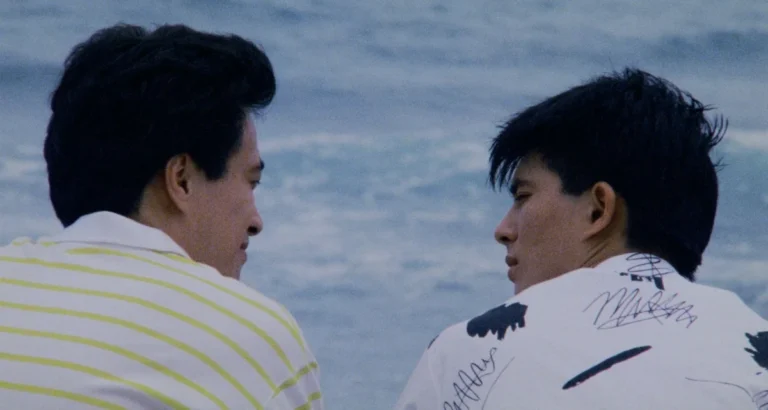



The documentary "Myanmar Bride," a 65-minute ethnographic film released in 2016 by journalist and filmmaker Huang Shudan, delves into the nuanced reality of marriages between Chinese men and Burmese women, a phenomenon prevalent along the Sino-Myanmar border. Huang, born in 1991 in Yichang, Hubei Province, uses her lens to explore this cross-border relationship dynamic, which is often misunderstood and oversimplified in public discourse.
Unpacking the Demographic Landscape
Crucially, the Chinese men featured in "Myanmar Bride" are predominantly not members of the Han ethnic majority. Instead, the film highlights their affiliation with ethnic minority groups residing in southwestern China. The documentary specifically focuses on the regions of Mangshi, Dehong Dai, and Jingpo in Yunnan Province, an area that is home to at least five distinct ethnic minorities: the Dai, Jingpo, De’ang, Achang, and Lisu. This detail is significant given the complex and often sensitive nature of ethnic minority policy in China. While the official narrative emphasizes tolerance and the promotion of linguistic and cultural preservation for these groups, along with a degree of autonomy, independent observers often express skepticism regarding the efficacy and sincerity of these policies.
The geographical proximity of these ethnic groups, straddling both China and Myanmar, naturally facilitates intergroup interactions, including marriage. This shared heritage and presence across the border means that the transition to marriage is not as abrupt a cultural leap as it might appear to outsiders. However, the stark economic disparity between the People’s Republic of China and Myanmar, one of the world’s least developed nations, introduces a significant underlying factor. While this economic gap may be less apparent in the predominantly rural and agricultural border regions, its impact is discernible in critical areas such as the educational systems.
The Genesis of the Documentary: From News Reports to Personal Narratives
Filmmaker Huang Shudan stated that her initial awareness of this phenomenon stemmed from media reports detailing human trafficking, forced sales of women, and coerced marriages along the Sino-Myanmar border. These reports painted a grim picture, often reducing the complex reality to sensationalized narratives. Motivated by a desire to understand the lived experiences behind these headlines, Huang embarked on a journey to document the personal stories of women involved in these cross-border unions.
After initial, brief interactions with three women, Huang decided to concentrate her research on three very different individuals from Myanmar who were married in China: Ma Azhen, Ma Yong, and Lang Han’ai. She subsequently immersed herself in their lives, spending three months living in their communities. This extended period of observation allowed her to gain a deeper understanding of their backgrounds, ages, and circumstances, moving beyond the superficial portrayals often found in news cycles.
Beyond the Stereotypes: Individual Stories of Marriage
Contrary to the prevalent narrative of coercion and exploitation, Huang’s research revealed a more nuanced reality. A common thread among Azhen, Yong, and Han’ai was that none of them were sold or forced into marriage. Instead, they met their husbands through what could be described as more "traditional" courtship processes.
Ma Azhen, the youngest and arguably the most contemporary of the three women, is married to a young farmer. Their life together centers around agricultural pursuits, including the cultivation of sugarcane. The film touches upon the issue of bride-buying, with the wedding ceremony itself being captured on camera. While the topic is addressed, it is done with a degree of levity, suggesting a less transactional arrangement in this particular instance.
The story of Ma Yong presents a more complex and emotionally charged narrative. Her Chinese husband passed away at a young age. Yong had a son from her previous marriage in Myanmar, and a significant challenge she faces is the persistent refusal by Chinese authorities to grant her son citizenship. This denial of legal status, without apparent justification, highlights bureaucratic hurdles and potential discriminatory practices that impact families formed through cross-border marriages.
Lang Han’ai, who is fluent in Chinese and a devout Catholic, pursued higher education, even attending university. She openly states that she married her husband, who comes from a humble background, out of love. Her decision was met with disapproval from her parents, but she defended her choice, underscoring the personal agency and emotional drivers behind her marriage.
A Glimpse into a Region and its People
Through these intimate portraits, Huang Shudan’s short, yet deeply affectionate and empathetic film offers a window into a region and its inhabitants that remain largely unknown to Western audiences. The documentary’s strength lies in its humanistic approach, allowing the viewers to connect with the protagonists on a personal level. Huang, who appears to have handled all aspects of filming and editing herself, maintains a consistent and close connection with the women throughout the documentary.
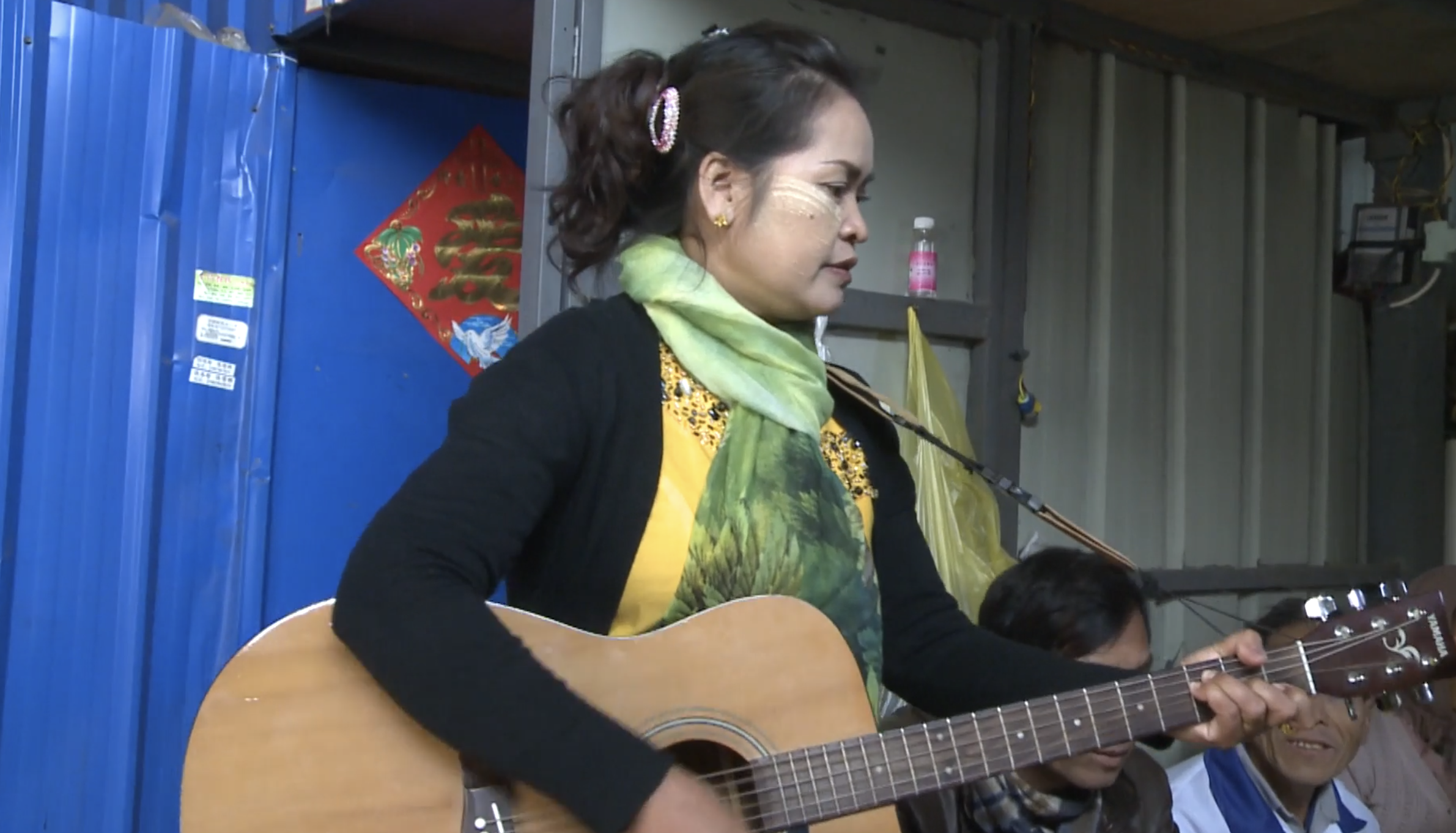
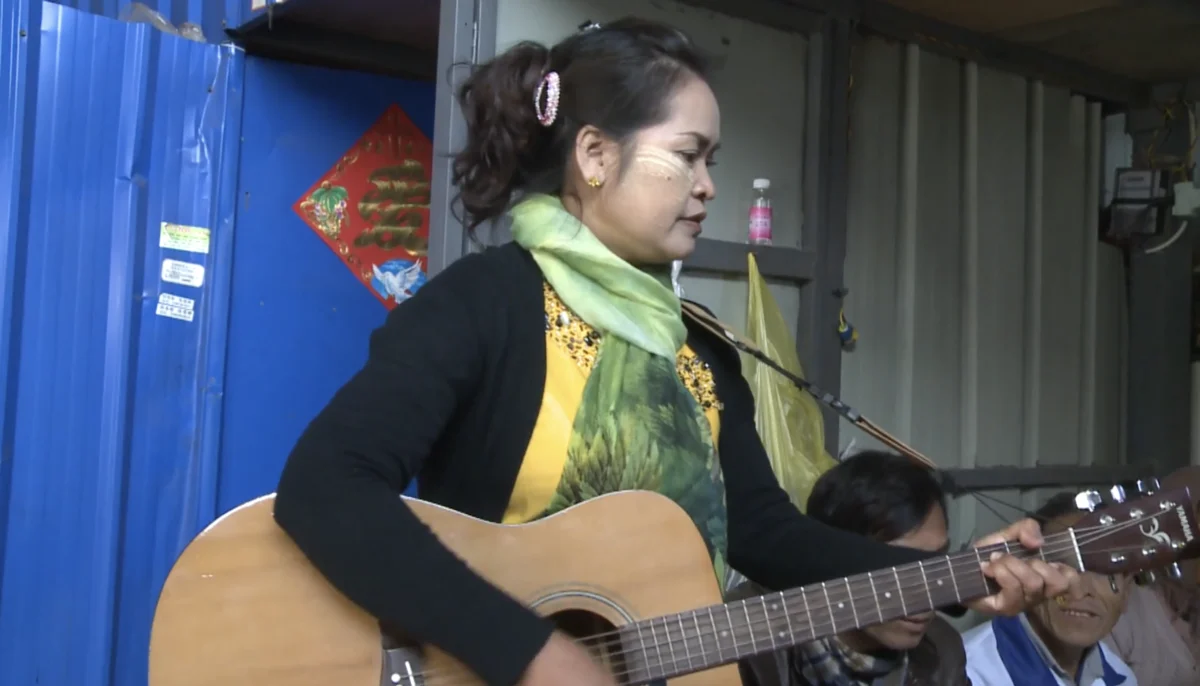
The film thoughtfully incorporates elements of music and folklore, recognizing their central role in the lives and cultural identities of these women. This deliberate inclusion adds depth and authenticity to the portrayal of their daily lives and traditions.
While the film touches upon the negative issues, such as human trafficking and forced marriages, that initially spurred Huang’s investigation, these darker aspects are addressed briefly. It can be inferred that the constraints of the documentary’s runtime, likely intended for television broadcast, precluded a more in-depth exploration of these multifaceted and sensitive topics. Such complex social and economic issues would require extensive analysis and extensive evidence, which a 65-minute documentary might not be able to fully encompass.
The Filmmaker’s Trajectory
According to her brief biographical information, Huang Shudan has since pursued further academic endeavors, studying at the University of South Carolina in the United States. She appears to be charting a different course in her career, suggesting that "Myanmar Bride" might be her sole directorial work to date. Nevertheless, this compelling and insightful film stands as a significant contribution to understanding the intricate social dynamics along the Sino-Myanmar border, offering a counter-narrative to simplistic and often prejudiced portrayals of cross-border marriages. The documentary’s value lies in its ability to humanize individuals caught in a complex web of socio-economic realities, cultural traditions, and personal aspirations.
Broader Implications and Contextualization
The phenomenon explored in "Myanmar Bride" is not isolated but rather symptomatic of larger demographic and economic trends. For decades, China has faced a significant gender imbalance, often referred to as the "missing women" phenomenon, largely attributed to the one-child policy (which ended in 2015) and a traditional preference for male heirs. This imbalance has led to a shortage of marriageable women in certain parts of China, particularly in rural areas where economic opportunities are limited and traditional values are more entrenched.
This demographic pressure, coupled with the vast economic disparity between China and its Southeast Asian neighbors, has created a market for cross-border brides. While "Myanmar Bride" focuses on cases where marriages are not overtly forced, it acknowledges the underlying economic incentives that can facilitate these unions. For men in less economically developed regions of China, a Burmese bride might be more accessible and affordable than a Chinese bride. Conversely, for women from Myanmar, marriage to a Chinese man can offer the prospect of improved economic stability and opportunities, particularly if their home country faces significant developmental challenges.
The documentary’s focus on ethnic minorities in Yunnan Province is also crucial. These regions share porous borders with Myanmar and have historically seen significant cross-cultural exchange. The ethnic minority populations in these border areas often have kinship ties and cultural similarities that extend across the international boundary. This can make intermarriage seem less of an alien concept. However, it also raises questions about the extent to which economic disparities influence these relationships, even within culturally proximate groups.
The case of Ma Yong’s son highlights a persistent issue for families formed through cross-border unions in China: the legal status of children. The "hukou" system, China’s household registration system, can be a barrier to accessing social services, education, and healthcare for individuals not officially registered. Children born to foreign mothers and Chinese fathers may face significant hurdles in obtaining hukou and, consequently, citizenship. This bureaucratic challenge can perpetuate a cycle of marginalization for these families.
The reactions of Lang Han’ai’s parents, while disapproving, also point to intergenerational differences in perspective and evolving social norms. As younger generations gain access to education and broader global perspectives, their views on marriage and relationships may diverge from those of their elders, leading to potential familial conflict.
The film’s understated approach to the darker aspects of human trafficking and forced marriages is a common challenge in documentaries dealing with such sensitive issues. Achieving the trust of victims and ensuring their safety often requires a delicate balance between revealing the truth and protecting individuals. By focusing on more consensual unions, Huang Shudan may have sought to portray a broader spectrum of realities and avoid further traumatizing her subjects or putting them at risk. However, the broader context of potential coercion and exploitation remains an undeniable backdrop to the phenomenon.
In conclusion, "Myanmar Bride" offers a valuable ethnographic study, moving beyond sensationalism to present the complex realities of cross-border marriages. It underscores the importance of understanding the interplay of economic disparities, demographic pressures, ethnic dynamics, and individual agency in shaping human relationships. While the documentary may leave some questions unanswered, its empathetic portrayal of its subjects provides a crucial human dimension to a global phenomenon.