


The independent development studio Mega Crit has issued a formal response to the player community following the release of the first significant balance update for Slay the Spire 2, clarifying the studio’s long-term vision for the Early Access period. This communication, released on March 22, 2026, follows a flurry of community discussion regarding a "huge" balance pass implemented on the game’s beta branch just two days prior. The developer’s statement serves as both a roadmap for the next 24 months of development and a primer on the iterative design philosophy that defined the success of the original 2017 title.
As Slay the Spire 2 continues its record-breaking trajectory in the roguelike deckbuilder genre, the studio has emphasized that the current state of the game is highly fluid. The recent patch, which targeted high-level gameplay exploits and reworked the mechanics of newly introduced character classes, sparked debate among the game’s rapidly growing player base. Mega Crit’s response seeks to manage expectations for those who may be participating in a high-profile Early Access launch for the first time, reinforcing that the journey to a "final shape" will be characterized by experimentation rather than linear progression.
The First Major Balance Pass: Objectives and Mechanics
The beta patch released on Friday, March 20, 2026, represented the most comprehensive set of mechanical adjustments since Slay the Spire 2 entered its public testing phase. The primary objective of this update was to address the prevalence of "infinites"—gameplay loops where a player can draw and play cards indefinitely within a single turn, effectively bypassing the game’s strategic difficulty. While these combos were a hallmark of high-level play in the original game, Mega Crit’s design philosophy for the sequel appears to prioritize a more varied tactical landscape where victory is earned through synergy and resource management rather than mechanical exploits.
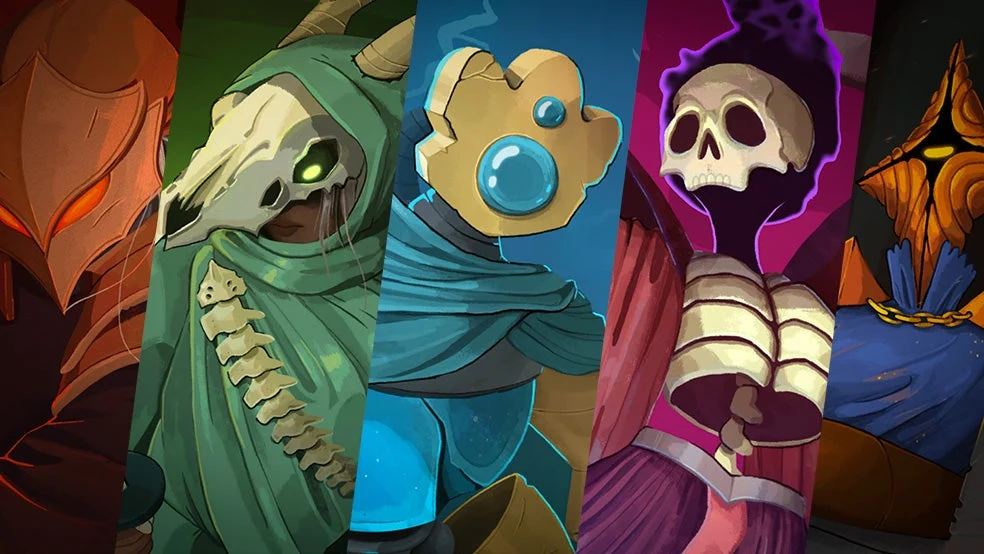
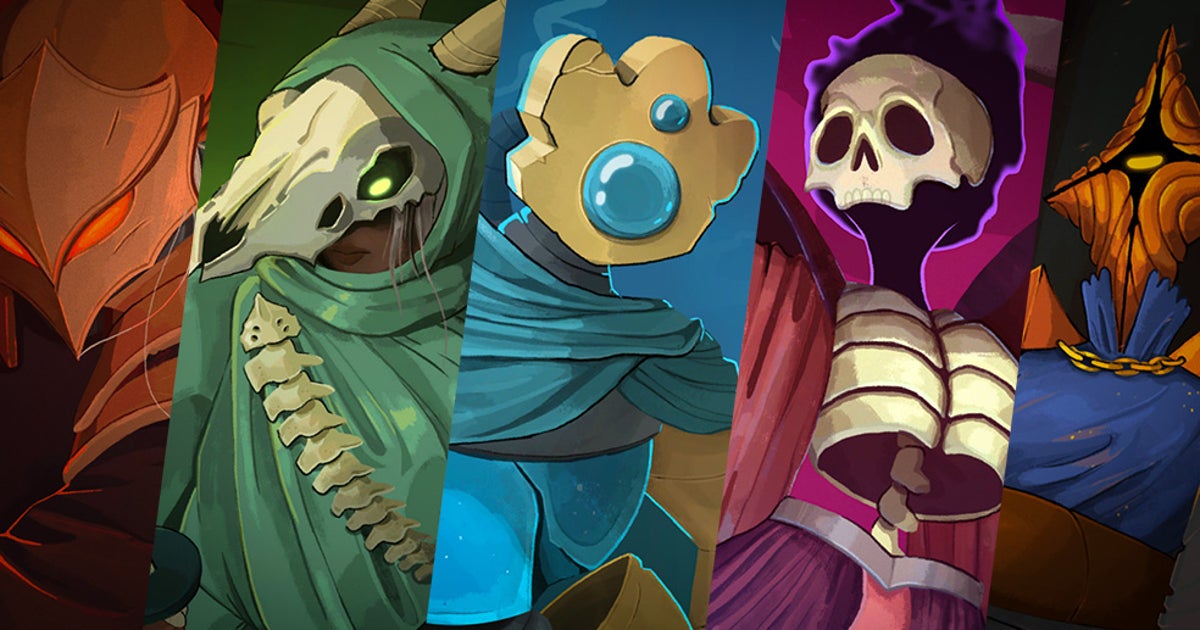
Beyond the systemic changes to card draw and energy generation, the patch introduced significant tweaks to the game’s roster. While the Ironclad and the Silent received minor adjustments to their starting relics and common-tier cards, the bulk of the developer’s attention was directed at the two newest additions: The Regent and the Necrobinder.
The Regent, a character defined by complex positioning and stance-dancing mechanics, saw a redistribution of power away from its "Finisher" cards into its setup phase. Conversely, the Necrobinder, whose mechanics revolve around the "Bind" keyword and the manipulation of a unique secondary resource, received buffs to its survivability in the early game. These changes were aimed at smoothing out the "difficulty spikes" that many players reported during the second and third acts of a run.
Mega Crit’s Early Access Methodology
In their social media address, Mega Crit acknowledged that the influx of new players—many of whom were not present during the original Slay the Spire’s Early Access years—necessitated a transparent explanation of their patching methodology. The developers noted that the process of balancing a deckbuilder with millions of potential card and relic combinations is an immense task that relies on three primary pillars: player feedback, internal design philosophy, and collected telemetry.
"We make changes based on a mix of player feedback, collected metrics, and our own design philosophies," the team stated. They specifically highlighted the importance of the in-game reporting tool, which allows testers to submit data-rich feedback directly from the point of play. According to the studio, this first-hand data is the most valuable asset they possess, as it provides context that social media discussions or third-party forums often lack.
The studio was careful to remind the community that the beta branch is intended to be a "laboratory" for the most experimental changes. Only after a mechanic has been tested, tweaked, and verified as stable will it be moved to the main branch of the game. This tiered system allows the developers to take risks with game balance without alienating the broader player base who may prefer a more consistent experience.
Contextualizing the Success of Slay the Spire 2
The intensity of the community response to the March 20th patch is a direct reflection of the game’s unprecedented commercial and critical success. Since its launch, Slay the Spire 2 has shattered expectations for the indie sector. Within just over a week of its release, the game surpassed 3 million copies sold, a milestone that took the original game significantly longer to achieve.
Furthermore, the game’s concurrent player count on the Steam platform has placed it in a rare echelon of software. At its peak, Slay the Spire 2 surpassed the player counts of major AAA titles such as Fallout 4 and Helldivers 2, as well as highly anticipated live-service entries like Arc Raiders. This level of engagement has placed Mega Crit under a microscope, as every minor adjustment to card values or relic effects impacts hundreds of thousands of active runs simultaneously.
Industry analysts suggest that the massive initial adoption of Slay the Spire 2 is due to the "perfect storm" of the first game’s enduring legacy and the sequel’s transition to the Godot engine, which has allowed for smoother performance and more ambitious visual effects. However, with such a large audience comes a diverse range of opinions on how the game should evolve, leading to the "non-linear" development path Mega Crit described in their statement.
A Two-Year Horizon for Development
Perhaps the most significant revelation in the studio’s recent communication is the confirmation that Slay the Spire 2 will remain in Early Access for at least the next one to two years. This timeline aligns with the development cycle of the first game, which spent approximately 18 months in public testing before its 1.0 release.
During this period, players can expect a constant cycle of iteration. Mega Crit explicitly stated that "no change is necessarily permanent," a move designed to reassure players who may be frustrated by the nerfing of their favorite strategies. The ultimate goal is to reach the same level of "near-perfect" balance that characterized the end-of-life state of Slay the Spire 1, where every character had multiple viable paths to victory even at the highest "Ascension" difficulty levels.
The 2026-2028 roadmap is expected to include not only balance patches but also the introduction of additional character classes, new acts, and potentially new game modes. By maintaining a two-year window, Mega Crit is signaling that they do not intend to rush the product to market despite its early financial success.
Analysis of Implications for the Roguelike Genre
The approach taken by Mega Crit represents a growing trend in the "Gold Standard" of indie development: radical transparency and community-driven iteration. By addressing the "infinite" problem early, the developers are setting a precedent that Slay the Spire 2 will be a game about decision-making and risk-taking rather than solving a mathematical puzzle to achieve invincibility.
For the broader gaming industry, the success of Slay the Spire 2 serves as a case study in the power of a dedicated community. The fact that an indie sequel can outpace the concurrent player counts of multi-billion-dollar franchises suggests that the "depth over breadth" philosophy of game design remains highly lucrative. However, the challenge for Mega Crit over the next two years will be balancing the desires of the "hardcore" player base—who often seek out and exploit infinites—with the needs of the casual audience who desire a fair and readable challenge.
Conclusion and Future Outlook
As the dust settles on the March 20th patch, the community’s focus shifts toward the next scheduled update. Mega Crit has expressed gratitude for the patience of their players, acknowledging that the process of "molding StS2 into its final shape" is a collaborative effort.
With 3 million players already engaged and a two-year development cycle ahead, Slay the Spire 2 is positioned to define the roguelike genre for the remainder of the decade. The studio’s commitment to an experimental beta branch ensures that while the game may change drastically from month to month, the core experience will remain grounded in the feedback of those who play it most. For now, the message from Mega Crit is clear: the spire is shifting, and those who wish to reach the top must be prepared to adapt alongside it.