


Epic Games, the developer behind the global phenomenon Fortnite and the industry-standard Unreal Engine, has announced a significant reduction in its workforce, eliminating over 1,000 positions in a move that has sent shockwaves through the interactive entertainment sector. The decision, confirmed on March 24, represents one of the most substantial staff reductions in the company’s history and highlights a growing volatility within the live-service gaming market. Despite Fortnite’s status as a cultural juggernaut, Epic Games CEO Tim Sweeney cited a "downturn" in engagement and a mismatch between revenue growth and operational expenditures as the primary drivers behind the restructuring.
The layoffs impact approximately 16% of Epic’s total workforce, affecting multiple departments ranging from core gameplay development to narrative design and engineering. This contraction occurs as Fortnite approaches its tenth anniversary, a milestone that typically signals a transition into a legacy phase for most titles but one that Epic had hoped to bypass through its ambitious "metaverse" expansion. The news has left industry analysts and the remaining staff questioning the long-term sustainability of the high-velocity content model that has defined the battle royale genre for the last several years.
The Economic Context of a "Downturn"
For years, Fortnite has been viewed as an outlier in the gaming industry—a title seemingly immune to the standard cycles of player fatigue. However, internal data and market analysis from late 2024 and early 2025 indicated a shift in player behavior. While the game continues to boast millions of daily active users, the "playtime" metrics have reportedly seen a cooling period. This decline in engagement is particularly concerning for a free-to-play model that relies heavily on the constant sale of "Battle Passes" and digital cosmetics.
Tim Sweeney’s communication to the staff acknowledged that for some time, Epic has been spending significantly more money than it earns. The company has invested billions into the Epic Games Store, high-profile intellectual property (IP) collaborations, and the development of the "Creator Economy 2.0." Under this new economic structure, Epic distributes 40% of Fortnite’s net revenue to eligible island creators. While this move was intended to foster a robust ecosystem of user-generated content, it has significantly thinned the company’s profit margins, necessitating a leaner corporate structure to maintain solvency.
A Chronology of Strategic Shifts
The road to these layoffs can be traced through a series of aggressive expansions and legal battles that have defined Epic’s corporate strategy over the past five years. Following the meteoric rise of Fortnite in 2017, Epic transitioned from a traditional game developer into a diversified technology platform.
In 2020, Epic initiated a high-stakes legal confrontation with Apple and Google over app store commission fees, a move that resulted in Fortnite’s removal from the iOS App Store for several years. While Epic eventually secured a legal victory against Google in late 2023, the prolonged litigation cost the company hundreds of millions in legal fees and lost revenue from the mobile market.
By 2024, Epic shifted its focus toward integrating external brands into the Fortnite ecosystem at an unprecedented scale. Partnerships with LEGO, Harmonix (Rocket Racing), and the announcement of a $1.5 billion investment from Disney pointed toward a future where Fortnite would serve as a portal for various entertainment hubs. However, the overhead required to maintain these distinct experiences simultaneously—while also funding the development of Unreal Engine 6—created a financial burden that the current revenue streams could no longer support.
Official Responses and Internal Turmoil
The internal reaction to the layoffs has been described by employees as "gut-wrenching." In the immediate aftermath, remaining staff members expressed concerns regarding the feasibility of maintaining the game’s aggressive update schedule with a drastically reduced headcount. Gameplay producer Robby Williams took to social media to express the sentiment of the workforce, stating that teams are currently struggling to "pick up the pieces" and that the full impact on the game’s 2025 roadmap remains unknown.
Prominent figures within the company were not spared from the cuts. The departure of veteran employees, including design director Christopher Pope, principal engineer Evan Kinney, and lead writer Nik Blahunka, suggests a loss of institutional knowledge that could affect the creative direction of the game. Sweeney’s mandate for the remaining staff is to continue delivering "fresh seasonal content" and "live events," yet the morale within the North Carolina-based headquarters is reportedly at an all-time low.
The messaging from leadership has been one of forced optimism, promising more details regarding the company’s "Next Phase" toward the end of the year. However, for the developers tasked with the day-to-day operations of a massive multiplatform title, the immediate reality is one of increased workloads and diminished resources.
Technological Transitions: The Move to Unreal Engine 6
A critical component of Epic’s future strategy is the transition to Unreal Engine 6 (UE6). The company has long utilized Fortnite as a live testing ground for its proprietary technology, showcasing the capabilities of Unreal Engine 5 with the launch of Chapter 4. The push toward UE6 is intended to unify the development of the "Metaverse," allowing for more seamless integration between user-generated content and professional-grade development.
However, the transition to a new engine architecture is a resource-intensive process that requires specialized engineering talent—the very talent that has been impacted by the recent layoffs. Industry experts suggest that Epic is attempting a difficult balancing act: cutting costs to satisfy investors and partners like Tencent and Disney, while simultaneously trying to innovate at a pace that outstrips competitors like Roblox and Minecraft.
Broader Implications for the Games Industry
The layoffs at Epic Games are not an isolated incident but rather part of a broader "post-COVID correction" affecting the entire technology and gaming sector. During the 2020–2022 period, the industry saw unprecedented growth as homebound consumers spent record amounts on digital entertainment. This led to a hiring surge across the board. As consumer habits have normalized and inflation has impacted discretionary spending, many of the world’s largest publishers—including Sony, Microsoft, and Electronic Arts—have implemented similar workforce reductions.

Epic’s situation is unique due to its dual role as a game developer and a tool provider. If the stability of Fortnite is compromised, it could have a secondary effect on the Unreal Engine ecosystem. Many developers rely on the financial health of Epic Games to ensure continued support and updates for the engine that powers a significant portion of the global gaming market.
Furthermore, the "Live Service" model itself is under scrutiny. The expectation that a single game can provide infinite growth and daily engagement is being challenged by the reality of a saturated market. When even a title as dominant as Fortnite feels the need to shed over 1,000 employees, it serves as a warning to other developers pursuing the "forever game" strategy.
Looking Ahead: The Future of Fortnite and Epic Games
As Epic Games moves toward the end of the fiscal year, the company faces the monumental task of proving that it can do more with less. The upcoming seasons of Fortnite will be a litmus test for the remaining team’s ability to sustain the high quality that players expect. There is also the question of the Disney partnership; the planned "persistent universe" that will coexist with Fortnite represents a massive undertaking that will require precise execution.
For the players, the immediate changes may be subtle—perhaps a shift in the frequency of small-scale updates or a change in the complexity of seasonal "live events." However, the long-term trajectory of the game has undoubtedly been altered. Epic Games is no longer the untouchable titan of the 2018 era; it is a company in transition, grappling with the same economic realities as the rest of the corporate world.
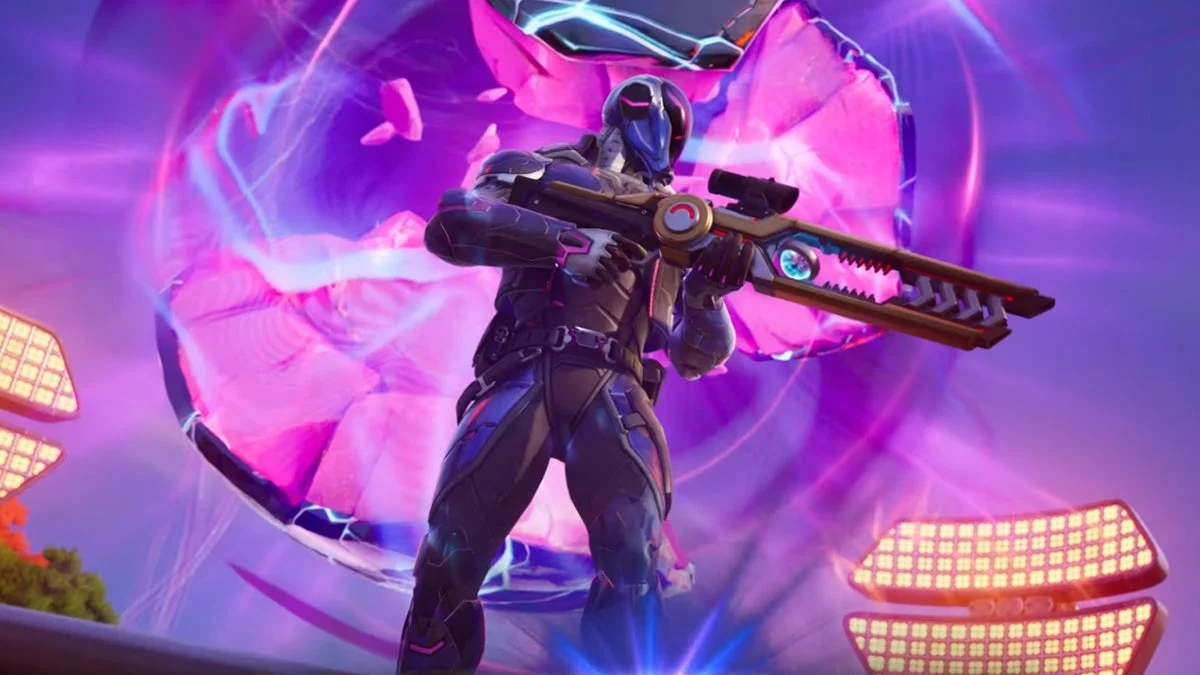
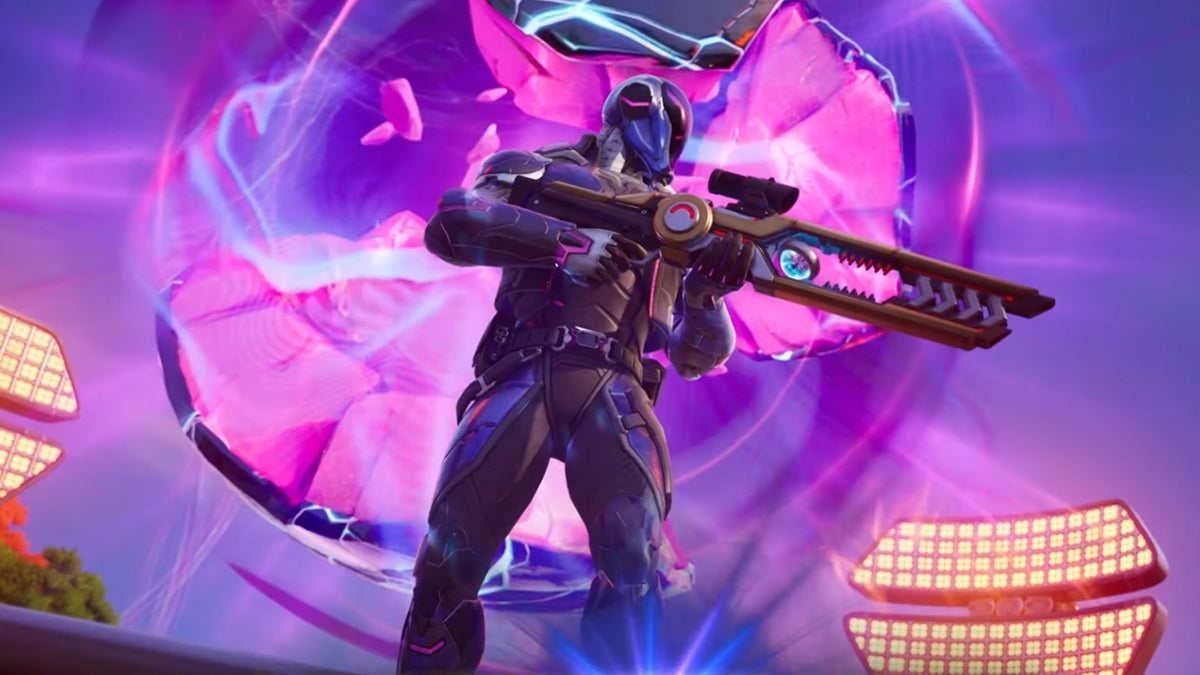
The "Showdown" trailer for Chapter 7, Season 2, which was released shortly before the layoff news, ironically depicts a world in conflict and transition. For the developers at Epic Games, the battle is no longer just on the virtual island, but in the halls of a company trying to redefine its identity in an increasingly unforgiving economic landscape. The coming months will determine whether Epic can successfully navigate this "tough time" or if the "downturn" Sweeney mentioned is the beginning of a more permanent decline for the world’s most famous battle royale.