


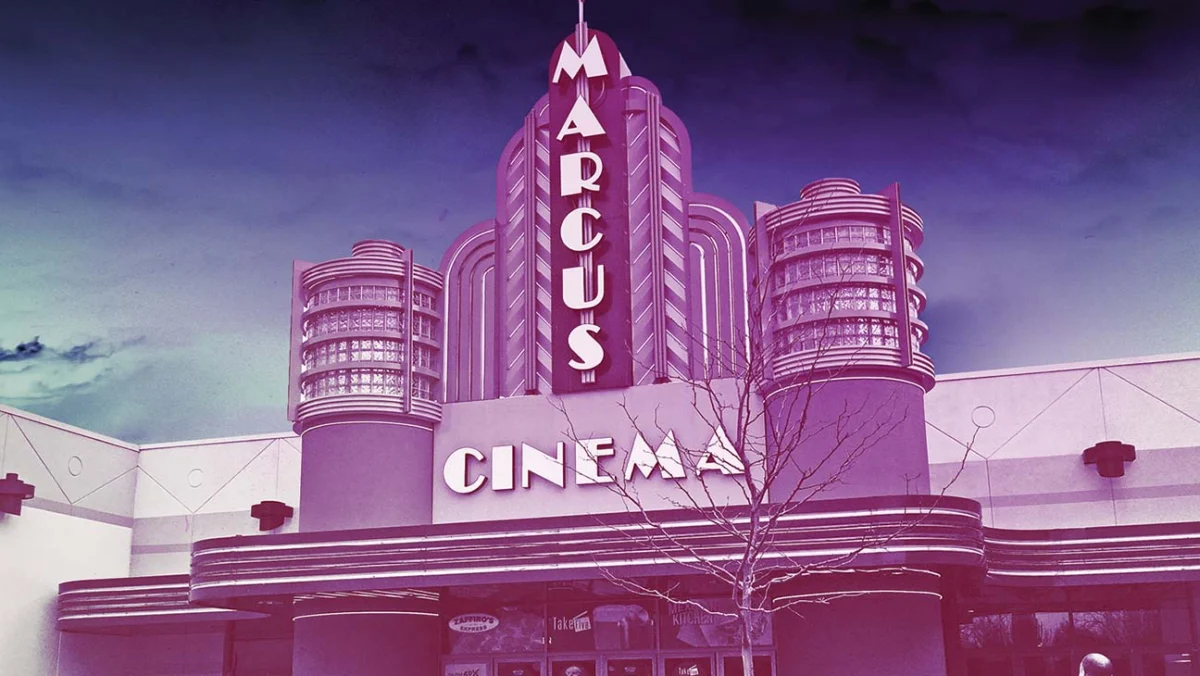
Milwaukee, Wisconsin – Marcus Theatres, the nation’s fourth-largest cinema exhibition circuit, has announced the appointment of Jeffry F. Tomachek as its new President, effective immediately. Tomachek, a seasoned executive with three decades of experience within the company, steps into the leadership role previously held by Mark A. Gramz, who retired at the end of March after an extraordinary 55-year tenure with the organization. This leadership transition comes at a pivotal time for the exhibition industry, which is experiencing a notable rebound in box office performance and grappling with evolving consumer habits.
The New Leadership: Jeffry F. Tomachek at the Helm
Jeffry F. Tomachek’s ascension to the presidency marks a significant moment for Marcus Theatres. Having served most recently as the Chief Financial Officer (CFO) of the company, Tomachek brings a deep understanding of the financial intricacies and operational mechanics crucial for navigating the complexities of the modern cinema landscape. His 30-year career at Marcus Theatres has provided him with an intimate knowledge of the company’s culture, strategic priorities, and extensive operational footprint. This internal promotion underscores Marcus Corporation’s commitment to continuity and leveraging proven leadership from within its ranks.
Gregory S. Marcus, CEO of the parent company Marcus Corporation, lauded Tomachek’s qualifications in an official statement. "Following a thorough national search for this critical role, it became abundantly clear that the combination of Jeff’s financial acumen, operational expertise, strategic mindset, and long history with our company set him apart as the best candidate," Marcus stated. This endorsement highlights the multifaceted skill set Tomachek is expected to bring to the presidential role, balancing fiscal prudence with strategic vision and a deep understanding of the customer experience. His background as CFO is particularly pertinent in an industry where efficient capital allocation, cost management, and revenue diversification are paramount. Industry analysts often note that executives with strong financial backgrounds are well-positioned to drive growth and profitability, especially in sectors undergoing significant transformation. Tomachek is anticipated to focus on enhancing operational efficiencies, optimizing asset utilization across the company’s extensive portfolio, and leveraging data-driven insights to refine the customer experience and improve profitability margins.
A Legacy of Dedication: Mark A. Gramz’s Retirement
The departure of Mark A. Gramz signifies the end of an era for Marcus Theatres. Gramz’s career with the company spanned an incredible 55 years, a testament to his unwavering dedication and significant contributions to the growth and evolution of the cinema chain. His tenure witnessed monumental shifts in the film industry, from the rise of multiplexes and digital projection to the recent challenges posed by streaming services and a global pandemic. Gramz’s long-standing leadership provided a steady hand through decades of change, helping Marcus Theatres maintain its competitive edge and foster a loyal customer base. His retirement, formally effective at the end of March, leaves a substantial void but also paves the way for new leadership to build upon his legacy. While specific details of his achievements during his long career were not fully elaborated in the initial announcement, such a lengthy and dedicated service typically involves overseeing major expansion projects, technological upgrades, and adapting to numerous industry cycles. His institutional knowledge and mentorship would have been invaluable to generations of Marcus Theatres employees. The transition from such a long-serving leader to a successor, while a natural part of corporate evolution, often requires careful planning to ensure a smooth handover and maintain organizational stability.
Marcus Theatres: A Unique Business Model in a Changing Landscape
Marcus Theatres operates a substantial network of 985 screens across 78 locations in 17 states, firmly establishing its position as a major player in the North American exhibition market, trailing only industry giants AMC Entertainment, Regal Cinemas, and Cinemark Holdings. What distinguishes Marcus Theatres, and contributes significantly to its perceived financial insulation from the volatile box office market, is its unique business model. Unlike many of its competitors, which frequently lease a large number of their theater locations, Marcus Theatres is housed within the broader Marcus Corporation, a publicly traded company (NYSE: MCS) with extensive real estate holdings. This integrated structure means that a substantial portion of Marcus Theatres’ properties are owned rather than leased.
This ownership model provides several strategic advantages. Firstly, it mitigates the significant and often fluctuating costs associated with commercial real estate leases, particularly in high-value urban and suburban locales. This can lead to greater long-term cost stability and potentially higher profit margins, especially during periods of box office downturns or economic uncertainty. Secondly, property ownership offers greater flexibility in terms of facility upgrades, renovations, and strategic repurposing, without being constrained by landlord agreements. Thirdly, the real estate assets themselves provide a stable base for the parent company’s balance sheet, offering a buffer against market volatility that purely exhibition-focused companies might lack. This "asset-heavy" approach contrasts sharply with "asset-light" strategies pursued by some competitors, which, while offering flexibility, can expose them to rental market fluctuations. The Marcus Corporation’s diverse portfolio, which also includes hotels and resorts, further strengthens its financial foundation, allowing for cross-subsidization and strategic investments across its various divisions. This diversified revenue stream and real estate leverage are often cited by financial analysts as key factors in Marcus Theatres’ resilience compared to its peers who are more singularly exposed to the cyclical nature of the movie business.
Navigating the Box Office Rebound and Industry Trends
The leadership transition at Marcus Theatres occurs during a period of cautious optimism for the exhibition industry. After several challenging years, largely due to the global pandemic and subsequent shifts in content distribution strategies, domestic box office revenues are showing encouraging signs of recovery. According to Comscore data, the domestic box office is up approximately 26 percent year-to-date compared to the same comparable frame last year (assuming current year is 2024 compared to 2023), with total grosses having already surpassed the $2 billion mark for the year. This represents a significant improvement from the depths of the pandemic-affected years and signals a renewed appetite among audiences for the communal cinema experience.
A major contributor to this resurgence has been a strong film slate, particularly around key holiday periods. The recent Easter holiday frame, in particular, delivered record-breaking results for many chains. Universal and Nintendo’s The Super Mario Bros. Movie (correcting the original article’s "Galaxy" title) proved to be an explosive success, blasting off to an impressive $190 million over its five-day opening period. This animated blockbuster resonated deeply with families and gamers alike, demonstrating the power of event cinema and well-marketed intellectual property. Marcus Theatres itself disclosed that the phenomenal performance of The Super Mario Bros. Movie contributed to its highest sales for combined concessions, merchandise, and food & beverage for a holiday weekend since 2019. This statistic is particularly significant as concession sales typically represent a higher-margin revenue stream for exhibitors than ticket sales, which are heavily split with studios. The ability to drive ancillary revenue streams is crucial for profitability in the cinema business, and Mario‘s success underscores the importance of a robust content pipeline that attracts diverse audiences and encourages spending beyond the ticket.
Beyond Mario, the industry has seen success with a mix of genres, from horror hits to action blockbusters, indicating a broadening appeal. However, challenges persist. The consistency of the film slate remains a concern, with some periods experiencing content droughts. The ongoing evolution of streaming services and the shrinking theatrical window for some films continue to put pressure on exhibitors. Nevertheless, the industry has responded by investing in premium large format (PLF) screens, luxury seating, enhanced food and beverage options, and loyalty programs to differentiate the cinema experience from at-home viewing. These investments aim to make moviegoing a premium, experiential outing that cannot be replicated elsewhere.
Strategic Outlook and Future Implications
With Jeffry F. Tomachek at the helm, Marcus Theatres is expected to continue its trajectory of strategic growth, balancing innovation with financial prudence. His background as CFO suggests a keen eye on operational efficiencies and sustainable profitability. Key strategic areas for the company under his leadership could include:
- Continued Investment in Premium Experiences: Leveraging the success of films like Mario, Marcus Theatres will likely continue to invest in amenities that enhance the moviegoing experience, such as heated recliners, in-theater dining, and premium formats like UltraScreen DLX and SuperScreen DLX. These offerings command higher ticket prices and drive increased concession sales.
- Technological Adoption: Exploring advancements in projection technology, sound systems, and digital customer engagement tools (e.g., mobile ticketing, loyalty apps) to streamline operations and improve customer convenience.
- Data-Driven Decision Making: As a former CFO, Tomachek is likely to emphasize leveraging data analytics to understand audience preferences, optimize film scheduling, manage inventory for concessions, and tailor marketing efforts for maximum impact.
- Strategic Real Estate Management: Given Marcus Corporation’s real estate expertise, there may be continued focus on optimizing their property portfolio, potentially exploring opportunities for expansion in underserved markets or redevelopment of existing sites.
- Talent Development and Employee Engagement: Building upon Gramz’s long tenure, fostering a strong company culture and investing in employee training will be crucial for maintaining high service standards and adapting to industry changes.
The stability afforded by Marcus Corporation’s diversified holdings positions Marcus Theatres favorably for future growth and resilience. While the exhibition industry will always be subject to the whims of content creators and consumer preferences, Marcus’s unique financial structure provides a robust foundation for navigating these dynamics. Tomachek’s appointment signals a commitment to leveraging financial strength and operational excellence to capitalize on the ongoing box office recovery and secure the company’s long-term future.
The Broader Exhibition Ecosystem
The competitive landscape for movie theaters remains intense. AMC Entertainment, Regal Cinemas (owned by Cineworld Group), and Cinemark Holdings continue to dominate market share. Each chain employs distinct strategies to attract and retain customers, from subscription models like AMC Stubs A-List to loyalty programs and unique experiential offerings. The industry as a whole is focused on demonstrating the irreplaceable value of the theatrical experience. This includes advocating for consistent and exclusive theatrical windows for major films, collaborating with studios on marketing efforts, and continuously innovating the in-theater experience.
The success seen with The Super Mario Bros. Movie and other recent hits is a powerful reminder that audiences will flock to cinemas for compelling content presented in an immersive environment. However, the path forward requires continuous adaptation, strategic investment, and agile leadership. Jeffry F. Tomachek’s appointment at Marcus Theatres positions one of the industry’s key players with leadership that is deeply rooted in its financial and operational history, poised to navigate these complexities and capitalize on future opportunities. The coming years will reveal how his strategic vision, informed by three decades of company experience and a strong financial background, will shape Marcus Theatres’ trajectory in an evolving entertainment world.