



A Tribute to Malayalam Cinema: Exploring Govindan Aravindan’s "Marattam"
Govindan Aravindan, a filmmaker celebrated for his avant-garde approach and profound philosophical inquiries, created "Marattam" during a period when television was beginning to emerge as a significant medium for artistic expression in India. The film’s adaptation of Kavalam Narayana Panicker’s one-act play signifies a confluence of two influential artistic traditions: Aravindan’s cinematic vision and Panicker’s masterful storytelling, deeply entrenched in Kerala’s dramatic heritage. The decision to produce "Marattam" for television, rather than cinema, allowed for a more intimate and perhaps experimental engagement with the material, free from the commercial pressures often associated with feature film production. This choice also underscores a broader trend of national television channels commissioning works that explore diverse cultural narratives and artistic forms, thereby broadening their cultural footprint.
The Narrative Unravels: A Disrupted Performance and Its Aftermath
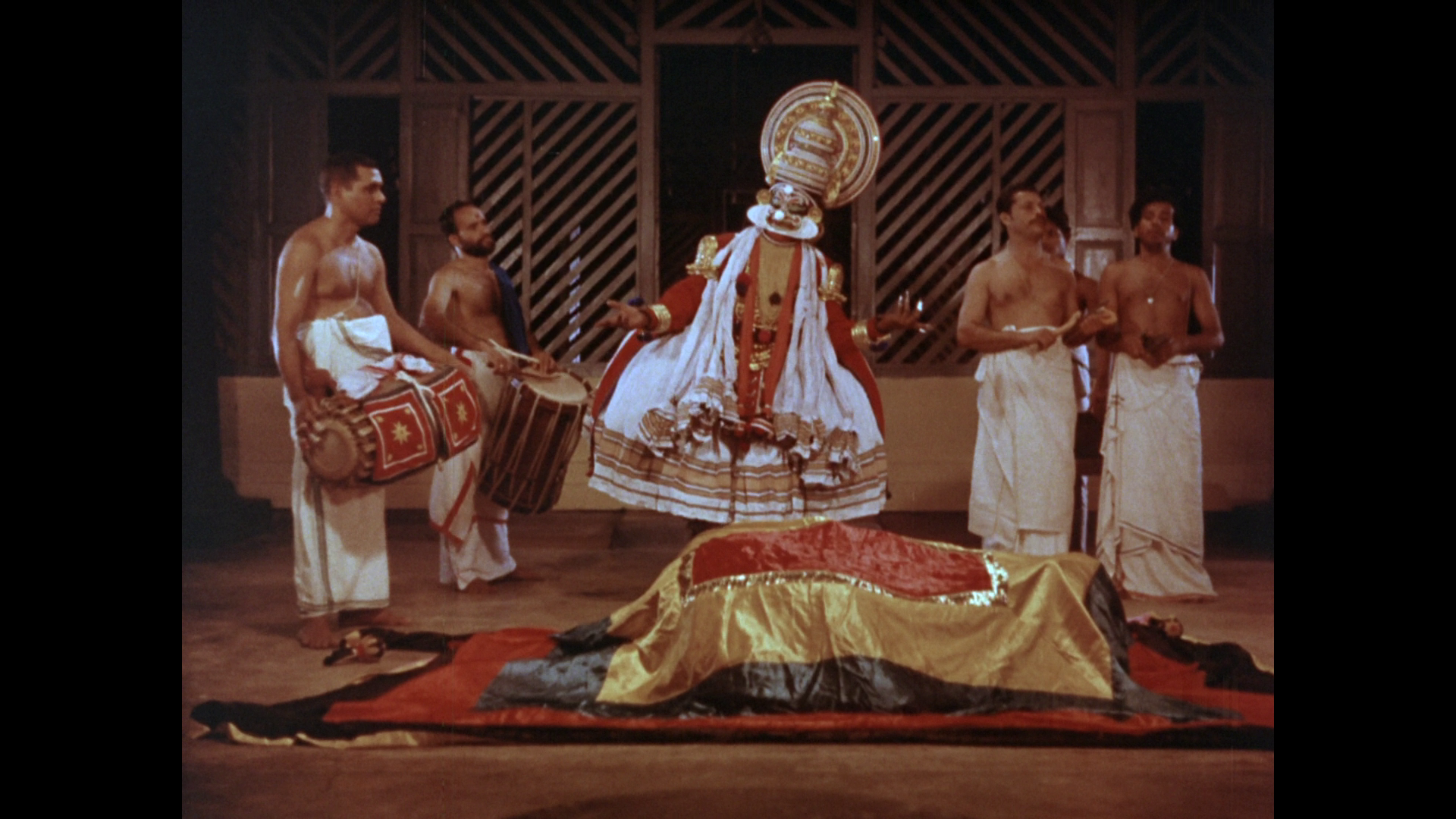
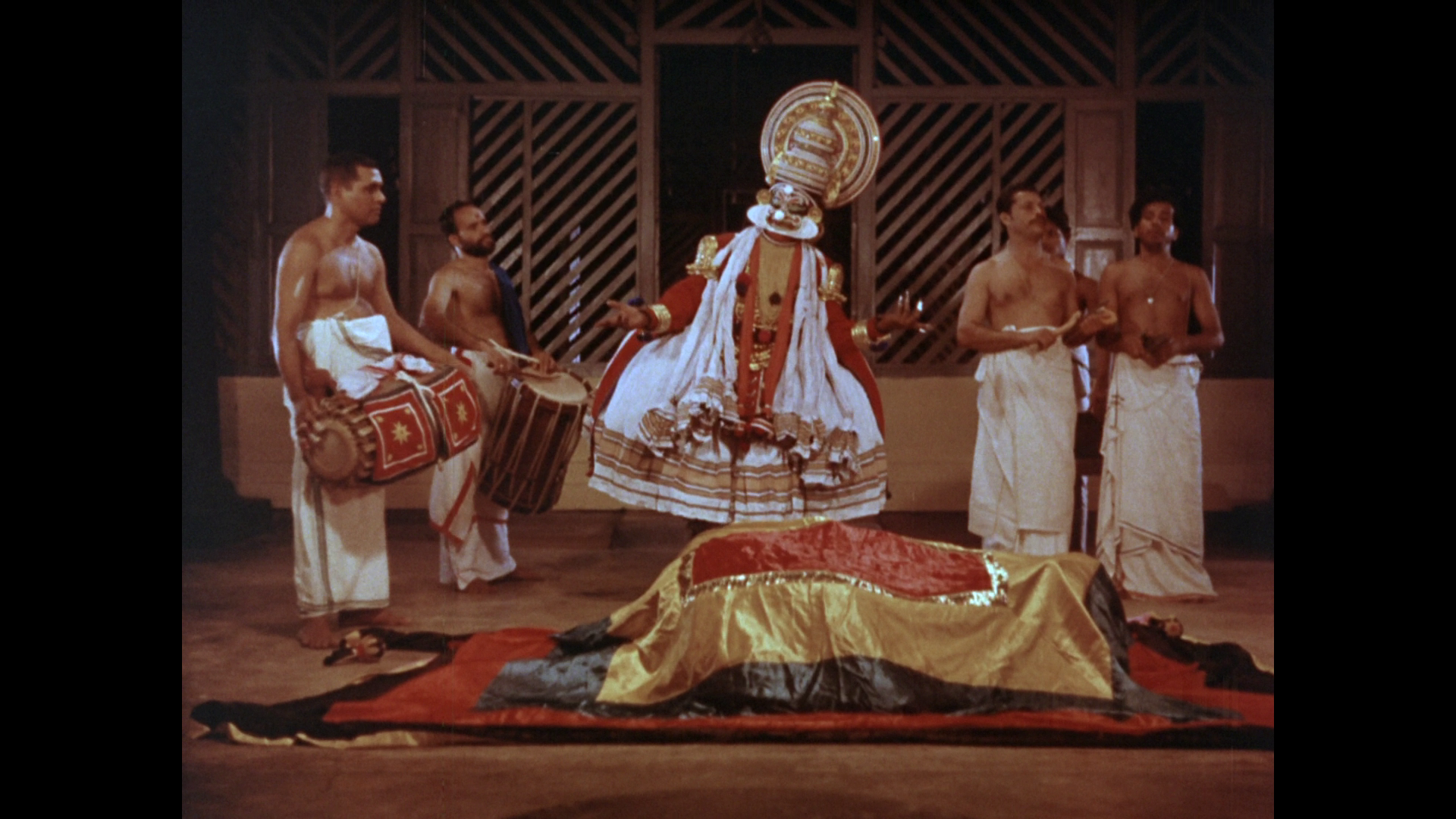
The central premise of "Marattam" is set against the backdrop of the eve of a Kathakali performance of "Keechakavadham" (The Killing of Keechaka), a classic tale from the Mahabharata. However, the narrative swiftly diverges from any semblance of linear storytelling. A murder is reported, with the victim identified as the actor who was to portray the formidable character of Keechaka. The arrival of a police investigator ostensibly initiates a formal inquiry, but what unfolds is a deliberate subversion of the investigative genre. Instead of a singular, definitive account, the film presents three distinct and conflicting versions of the same event. These narratives are not only contradictory but remain irreconcilably so, leaving the audience to grapple with ambiguity.
In one rendition, suspicion falls upon the actor playing the avenger figure within the "Keechakavadham" narrative. This version hints at a blurring of lines between the performer and the archetypal roles they embody, suggesting that the persona of the avenger might have seeped into the actor’s reality or been projected onto him by others. A second account features a woman confessing to the murder of the man behind the role, yet simultaneously professing unwavering devotion to the character he portrayed. This introduces a complex psychological dimension, exploring how an individual’s admiration for a fictional persona can manifest in extreme and tragic ways in the real world. The third perspective offers a collective voice, positing a more symbolic or ritualistic execution of the "artist" within the performer. This interpretation elevates the event from a simple crime to a commentary on the very nature of artistic sacrifice or the perceived destruction of the creative spirit.
As these disparate narratives interweave and overlap, the film systematically dissolves the boundaries between the staged reality of the Kathakali performance and the ostensibly "real" events of the murder. "Marattam" thus gradually transforms into a profound meditation on identity, illusion, and the subjective nature of perception. All these complex themes are explored through the singular lens of a stage play performance, highlighting the inherent theatricality that permeates human experience.
The Performer-Role Nexus: Identity, Illusion, and Socio-Political Resonance
At its conceptual core, "Marattam" delves into the often fragile and fraught relationship between a performer and the characters they inhabit. Director Govindan Aravindan demonstrates a keen interest in how audiences internalize performances, how fervent admiration or desire can devolve into confusion and even delusion, and how the power of art can profoundly shape, distort, or even dictate the perception of reality. This exploration gains significant weight when considered within the socio-political context of southern India, particularly Kerala, where cinema and performance have historically held a potent intersection with political power. Actors have frequently transcended their on-screen personas to become influential public figures, their celebrity status imbuing them with a societal weight that can sometimes blur the lines between their public and private lives.
The film’s suggestion that an actor might be "punished" for the actions of a character he portrays is both inherently absurd and disturbingly plausible within such a cultural framework. It serves as a stark illustration of the immense power of representation and the ways in which audiences can project their own desires, anxieties, and judgments onto those who embody fictional beings. This raises profound questions about the responsibility of artists and the expectations placed upon them by a society that often imbues them with a larger-than-life aura.
Furthermore, "Marattam" probes the philosophical implications of an actor’s experience. The question of whether actors undergo a form of existential death when their characters die on stage adds a layer of philosophical depth to the narrative. This meta-commentary elevates the film’s avant-garde approach, pushing its exploration of identity and reality to an even more intense and introspective level. It challenges viewers to consider the psychological toll of deeply embodying diverse lives and the potential for identity diffusion that might arise from such an immersion.
Stylistic Daring: A Ritualistic Experience Beyond Conventional Drama
Stylistically, "Marattam" is as audacious as its thematic concerns. Dialogue is conspicuously absent for the most part, replaced by evocative narration and a rich tapestry of music. This deliberate choice reinforces the film’s departure from conventional dramatic structures, positioning it more as a ritualistic experience designed to immerse the viewer in its thematic explorations. While brief moments may bear a superficial resemblance to traditional cinematic scenes, these primarily function as introductions or transitions to the vignettes that follow. Similarly, intertitles, appearing throughout the film, serve not as expository devices but as structural markers, guiding the audience through the fragmented narrative.
Each distinct version or vignette of the story is accompanied by a unique musical tradition. This is not merely a stylistic choice; it is integral to the film’s fabric. The varied musical forms not only differentiate the narratives but also embed them deeply within Kerala’s vibrant folk heritage. The decision to employ these diverse traditional forms, rather than adhering strictly to Kathakali music, grants Aravindan greater flexibility in shaping the emotional and thematic resonance of each segment. However, this flexibility is achieved while maintaining a profound connection to Kerala’s cultural identity, ensuring that the artistic exploration remains grounded in its regional roots. The use of specific musical styles for each narrative thread imbues the film with a layered sonic identity, further enhancing the sense of ritual and immersion.
Performances: Embodiment of Character and Performer
The performances in "Marattam" are delivered predominantly by seasoned practitioners of Kathakali and theatre. This choice is critical to the film’s success, as the actors are adept at a style of performance that emphasizes gesture, posture, and expression over naturalistic acting. This inherently stylized approach is further intensified by the actors’ almost constant, piercing gazes, which convey a wealth of emotion and internal turmoil. The elaborate hair, costumes, and makeup contribute significantly to this purposeful exaggeration, creating characters that are both larger than life and deeply resonant.
Figures such as Sadanandan Krishnamurthy and Kalamandalam Kesavan embody the dual nature of their roles with remarkable skill. They seamlessly navigate the space between the character they portray and the performer embodying that character, reinforcing the central duality that drives the narrative. Their presence, alongside that of Urmila and other performers, imbues the film with a palpable sense of authenticity, even as it embraces its theatrical abstraction. The actors’ ability to convey complex psychological states through their deeply ingrained performative traditions is a testament to Aravindan’s directorial acumen and the actors’ profound artistic capabilities. Their visages, etched with the intensity of their craft, become windows into the film’s explorations of identity and illusion.
Cinematography and Editing: A Documentary Gaze on Theatrical Abstraction
Director of Photography Shaji N. Karun employs mostly steady camera work, which paradoxically enhances the impression that the audience is witnessing a documentary recording of a play. This controlled visual approach lends a sense of observational distance, allowing the viewer to process the unfolding events without undue directorial manipulation. However, judicious camera movement is employed when the intensity of the performances demands it, ensuring that the visual language remains dynamic and responsive to the dramatic content.
The scenes in "Marattam" are often lengthy, with cuts being infrequent. This deliberate pacing intensifies the aforementioned sense of observing a live performance, allowing moments to breathe and the actors’ expressions and gestures to register fully. The extended takes create a contemplative atmosphere, encouraging the audience to engage deeply with the visual and thematic elements of each segment. This stylistic choice underscores Aravindan’s commitment to a non-conventional cinematic language, prioritizing immersion and reflection over rapid narrative progression.
"Marattam" Today: A Curio for the Dedicated Cinephile
When viewed today, particularly from a Western perspective, "Marattam" can indeed emerge as a singular curio. It presents itself as a documentary exploration of local art forms, albeit one that demands a certain receptiveness to its particular brand of music, which can be perceived as both loud and pervasive. Despite its undeniable artistic merit and its profound engagement with themes of identity and performance, "Masquerade" is, in this light, a film that primarily appeals to completionists of Malayalam cinema and serious scholars of Indian parallel cinema. Its avant-garde nature, its deep cultural specificity, and its non-traditional narrative structure make it a challenging yet rewarding experience for those willing to immerse themselves in its unique world. The film’s legacy lies not in broad accessibility but in its potent contribution to the discourse on cinema, performance, and the ever-elusive nature of truth and identity.