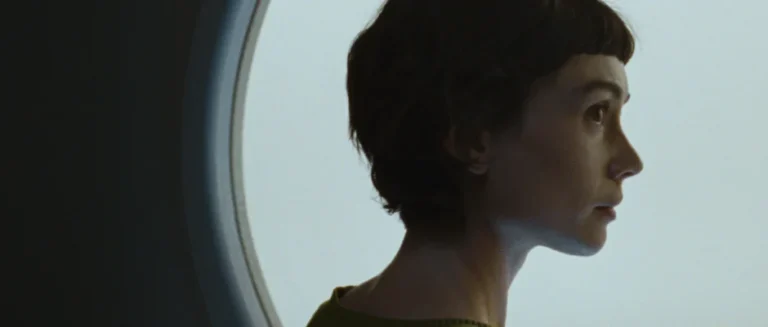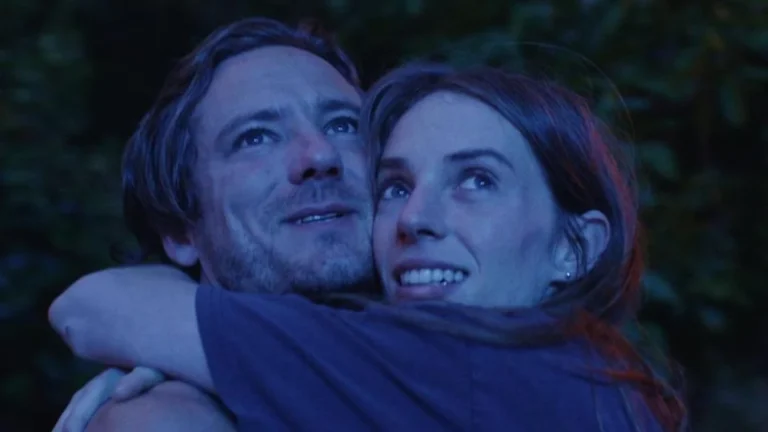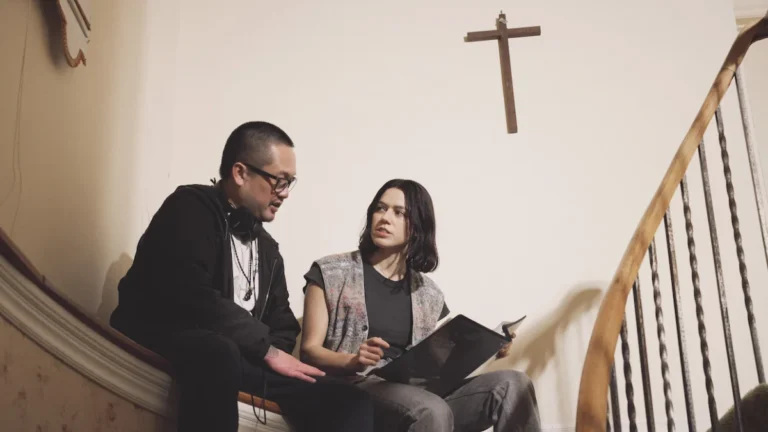
The release of Maggie Gyllenhaal’s second directorial feature, The Bride!, marks a pivotal moment in the ongoing resurgence of the Frankenstein mythos within the landscape of modern prestige cinema. Following her critically acclaimed debut with The Lost Daughter, Gyllenhaal has pivoted toward a genre-bending, 1930s-set period piece that seeks to reclaim the narrative of one of horror’s most enduring yet underserved figures: the Bride of Frankenstein. Produced under the Warner Bros. Pictures banner, the film arrives at a time when the "monstrous feminine" is being rigorously re-examined by a new generation of filmmakers. By blending elements of gothic horror, noir, and punk-rock rebellion, Gyllenhaal attempts to bridge the gap between Mary Shelley’s 19th-century radicalism and 21st-century feminist discourse.
Narrative Architecture and Character Revitalization
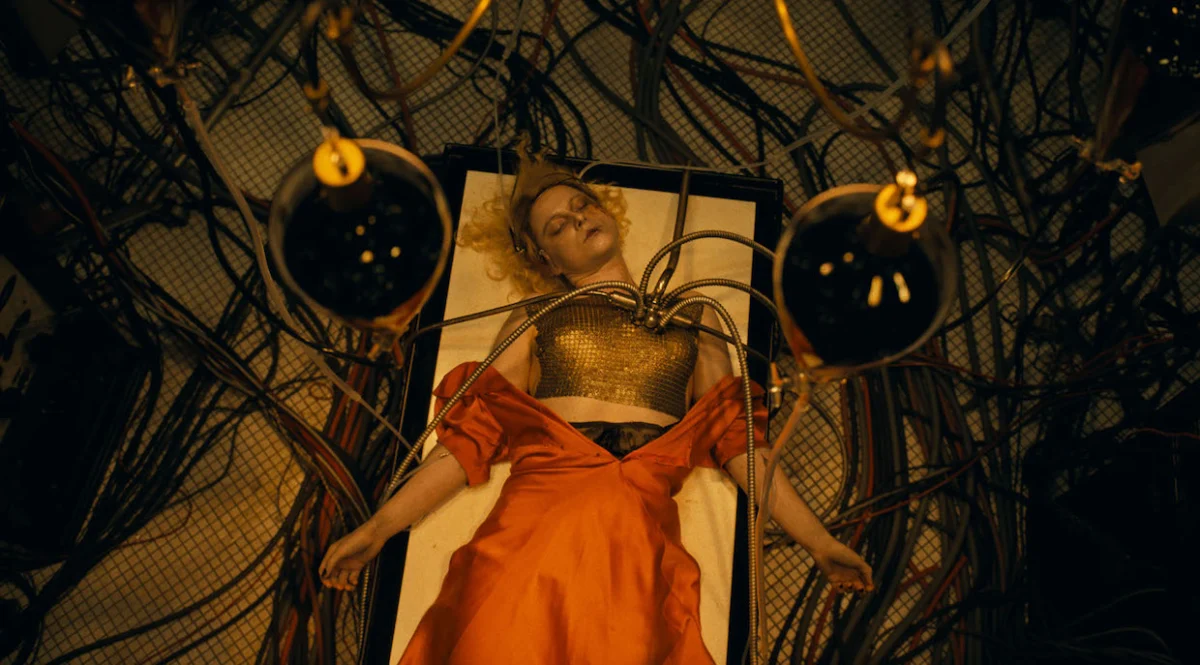
Set against the backdrop of a stylized 1930s Chicago, The Bride! reimagines the origins of its central protagonist through a layered, metatextual lens. The film stars Jessie Buckley as Ida, a boisterous mob moll who is murdered after becoming a liability to her criminal associates. Her body is subsequently claimed by a mad scientist, portrayed by Annette Bening, at the urgent request of Frankenstein’s Monster, played by Christian Bale. Unlike the 1935 James Whale original, where the Bride appeared only in the final moments as a silent, terrified witness to her own creation, Gyllenhaal’s iteration grants the character immediate and chaotic agency.
The narrative is further complicated by a possession subplot, suggesting that the spirit of Mary Shelley herself inhabits Ida’s resurrected form. This authorial haunting serves as a literalization of the feminist rage inherent in Shelley’s original 1818 text. As Ida navigates her new existence, she suffers from amnesia while simultaneously displaying a "Jack Sparrow-esque" eccentricity, a performance choice by Buckley that has become a central point of discussion among early critics. The film’s plot is intentionally dense, weaving in a subplot involving a detective played by Penélope Cruz, a musical interlude featuring Jake Gyllenhaal, and a burgeoning "Riot Grrrl" revolution that positions the undead as catalysts for social upheaval.
The Historical Lineage of the Frankenstein Mythos
To understand the significance of The Bride!, one must look back to the inception of the genre. Mary Shelley, the daughter of feminist philosopher Mary Wollstonecraft, wrote Frankenstein; or, The Modern Prometheus during a period of intense personal and political turmoil. The novel was born from a ghost story competition among friends, yet it evolved into a foundational text of science fiction and horror that explored the ethics of creation and the isolation of the social outcast.
While Victor Frankenstein’s creature became a staple of early cinema, the character of the Bride remained largely peripheral until 1935. In Bride of Frankenstein, Elsa Lanchester’s performance—lasting less than five minutes of screen time—defined the visual iconography of the character for nearly a century. Her iconic shock of hair and bird-like movements captured the imagination of audiences, but the character was ultimately a tragic figure, rejected by her suitor and destroyed moments after her birth. Gyllenhaal’s film explicitly targets this historical silence, attempting to give the Bride the voice and the longevity she was denied in the Universal Monsters era.
The Contemporary "Micro-Revival" of the Undead
The Bride! does not exist in a vacuum; it is the latest entry in what industry analysts are calling a "micro-revival" of Frankenstein-inspired narratives. Over the past three years, several high-profile projects have explored similar themes of feminine resurrection and bodily autonomy:
- Poor Things (2023): Directed by Yorgos Lanthimos, this film won four Academy Awards and starred Emma Stone as Bella Baxter, a woman brought back to life with the brain of an infant. Like The Bride!, it focused on the protagonist’s journey toward self-discovery and sexual liberation.
- Lisa Frankenstein (2023): Written by Diablo Cody and directed by Zelda Williams, this film targeted a younger demographic, blending 1980s pop-punk aesthetics with a "teen-angst" rom-com sensibility.
- Dead Lover (2024): Grace Glowicki’s independent feature, set for limited U.S. release in March, offers a raunchy, gothic reversal of the Shelley script, focusing on a female gravedigger’s attempt to revive a male partner.
- Queens of the Dead (2024): Directed by Tina Romero, daughter of the legendary George A. Romero, this film introduces a queer, comic sensibility to the zombie genre, set within the nightlife culture of Brooklyn.
- Frankenstein (Upcoming): Guillermo del Toro is currently developing a high-budget adaptation for Netflix, which reportedly places significant focus on the character of Elizabeth Lavenza (played by Mia Goth), reimagining her as a politically active figure with a deep affinity for the macabre.
Production Data and Technical Craftsmanship
The production of The Bride! utilized a top-tier technical crew, many of whom previously collaborated on Todd Phillips’ Joker. This influence is evident in the film’s visual and auditory identity. The cinematography by Lawrence Sher employs a sleek, high-contrast palette that emphasizes the grittiness of the 1930s setting while allowing for surrealistic flourishes. The score, composed by Academy Award winner Hildur Guðnadóttir, provides a brooding, atmospheric foundation that mirrors the internal turmoil of the characters.

Warner Bros. has positioned the film as a major theatrical release, reflecting a growing confidence in "R-rated" auteur-driven genre films. The film’s production design is notably inventive, featuring a blend of period-accurate details and "mall-goth" aesthetics. One of the most striking visual elements is the character design for the Bride herself, whose mouth is frequently stained with a torrent of black ink—a metaphorical representation of the "narrative overflow" and the voice that can no longer be contained.
Industry Reception and Critical Analysis
Early reactions to The Bride! have been polarizing, highlighting the film’s ambitious but uneven execution. While many have praised the performances of Buckley and Bale, critical consensus suggests that the film’s "overstuffed" nature may hinder its mainstream appeal. The narrative attempts to balance a wide array of genres, including noir detective fiction, mob drama, and feminist manifesto, leading to comparisons with Joker: Folie à Deux regarding its divisive tone.
Thematic analysis of the film often centers on the concept of agency. In her 2021 study, Women and Other Monsters, author Jess Zimmerman argues that women and monsters are both perceived as threats to established power structures due to their "fluctuating and transgressive" bodies. Gyllenhaal echoed this sentiment at the film’s U.S. premiere, stating, "There’s a little monster in all of us." However, industry observers note that while the film gestures toward these complex ideas, its rapid pacing and numerous subplots—such as the "Riot Grrrl" revolution and the possession narrative—often leave these themes underdeveloped.
Sociological Implications and the Cult Film Potential
Despite the "box-office bomb" predictions from some financial analysts, The Bride! is widely expected to achieve cult status. Its unique visual style and "riotous" energy appeal to a specific niche of cinephiles who value creative ambition over narrative cohesion. The film’s exploration of systemic misogyny through the lens of zombification aligns it with previous cult classics like Frankenhooker (1990) and Life After Beth (2014). These films use the trope of resurrection to demonstrate that even when women are literally "built" or "brought back" to serve male needs, they remain fundamentally untamable.
The film’s inclusion of a "Me Too" reference in its dialogue further cements its status as a contemporary political allegory. By placing this modern rhetoric in a 1930s setting, Gyllenhaal suggests that the struggles for feminine autonomy are cyclical rather than linear. The Bride’s scream is not just a reaction to her own death, but a response to centuries of authorial and societal suppression.
Future Outlook for Genre-Bending Cinema
As The Bride! transitions from the festival circuit to wide theatrical release, its performance will likely influence how studios approach similar "revisionist" projects. The current trend suggests that audiences are increasingly drawn to familiar IP—like Frankenstein—when it is presented through a fresh, often subversive, perspective. Whether The Bride! succeeds commercially or not, its existence confirms that the legacy of Mary Shelley remains a potent tool for modern storytelling.
The film serves as a reminder that the zombie story, while often associated with male-dominated action cinema, has its roots in feminine anguish and maternal loss. By returning to these roots, Gyllenhaal has contributed a flawed but fiercely original chapter to the Frankenstein canon. As the cinematic landscape continues to evolve, the "monstrous feminine" appears poised to remain a central figure in the exploration of identity, power, and the enduring human desire to defy the limitations of life and death.