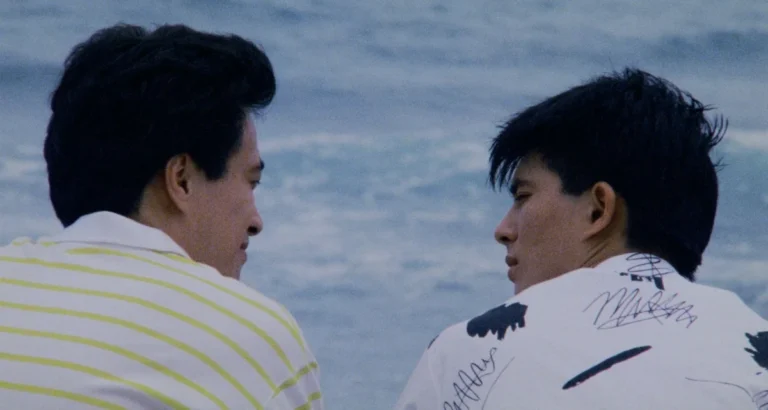




The burgeoning landscape of independent Chinese cinema continues to surprise and impress, with Lei Kaipo’s "Leaving the Zoo at Nightfall" emerging as a significant testament to this trend. This film, an original Mandarin production titled "Bangwan likai dongwuyuan," represents a caliber of independent filmmaking that has steadily gained momentum and critical acclaim from the People’s Republic of China over the past several years. What immediately sets "Leaving the Zoo at Nightfall" apart is its directorial origin: Lei Kaipo, born in 1998 in Nanchang, the capital of Jiangxi Province, helmed this project at the remarkably young age of 23. This youthful perspective infuses the film with a raw, immediate energy that resonates with its portrayal of nascent adulthood.
The film’s thematic resonance and stylistic approach invite comparisons to other poignant works within contemporary Chinese independent cinema. Notably, it shares a thematic preoccupation with the zoo as a symbolic space with Hu Bo’s critically acclaimed "An Elephant Sitting Still" (2018), a film whose director tragically passed away shortly after its completion. The zoo, a recurring motif in recent Chinese cinema, also features prominently in Guan Hu’s 2024 release, "Black Dog." These connections highlight a broader narrative current exploring liminal spaces and the human condition within the Chinese cultural context.
"Leaving the Zoo at Nightfall" aligns with a discernible movement in Chinese indie cinema that specifically targets and reflects the experiences of a young, urban demographic. Director Lei Kaipo focuses his lens on four recent high school graduates navigating the precarious transition into adulthood. Their futures are depicted as uncertain, fluid, and largely undecided, a sentiment that likely strikes a chord with a generation grappling with societal expectations and economic realities. The narrative initially centers on Kele, a character whose name translates to "Cola" or "Coke" in English, and his girlfriend Wen. Their relationship, however, is portrayed as inherently transient, with Wen making her intentions clear to Kele, underscoring the ephemeral nature of their connection. Alongside them are their friends, Xiao Kang and Po. Po, whose name shares a similarity with the director’s, is posited as a potential alter ego for Lei, his favorite pastime being the candid photography of strangers on the street—an activity that subtly hints at a burgeoning filmmaker’s observational eye and nascent artistic drive.
This focus on the inner lives and external struggles of young individuals places "Leaving the Zoo at Nightfall" within the context of evolving Chinese societal narratives. The rapid urbanization and economic development in China have created a generation that is increasingly exposed to global influences while simultaneously navigating unique domestic challenges. Films like Lei’s offer a window into the anxieties, aspirations, and interpersonal dynamics of this demographic, providing a counterpoint to more state-sanctioned or historically focused cinematic narratives. The film’s success in capturing this zeitgeist is a testament to its authenticity and relatable portrayal of contemporary youth culture.
The film’s auditory landscape is as meticulously crafted as its visual elements. A predominantly subdued and fitting score accompanies the narrative, creating an immersive atmosphere. This sonic palette is dramatically punctuated by bursts of loud techno and disco music during scenes depicting the characters’ nocturnal excursions to clubs, an experience they seem to frequent. This contrast in music effectively mirrors the duality of their lives—the introspective quietude of their daily struggles juxtaposed with the fleeting escapism of their nights out.
The narrative structure, characterized by an innovative voice-over technique, further enhances the film’s depth. The narration alternates between the different characters, with each voice offering insights into the others, rather than focusing solely on first-person accounts. This polyphonic approach creates a rich tapestry of perspectives, allowing the audience to piece together the characters’ motivations and inner thoughts through the observations of their peers. The lyrical quality of these monologues is striking, often veering into poetic pronouncements. A particularly poignant moment occurs when Wen quotes the Indian poet and philosopher Rabindranath Tagore: "When you leave the past and the yesterday behind, your dreams become transparent and your steps become light." Such instances elevate the film beyond a simple character study, imbuing it with philosophical undertones and a universal exploration of personal liberation and forward momentum.
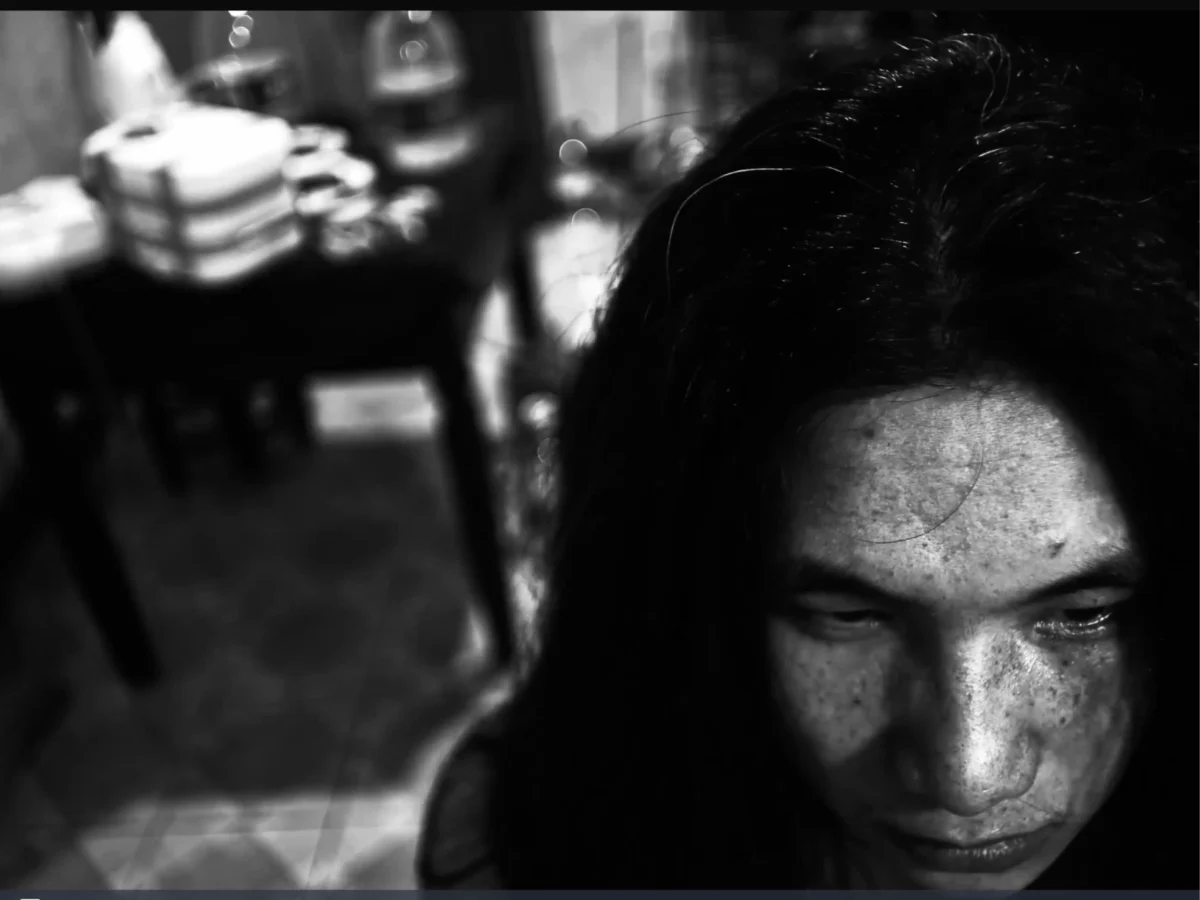
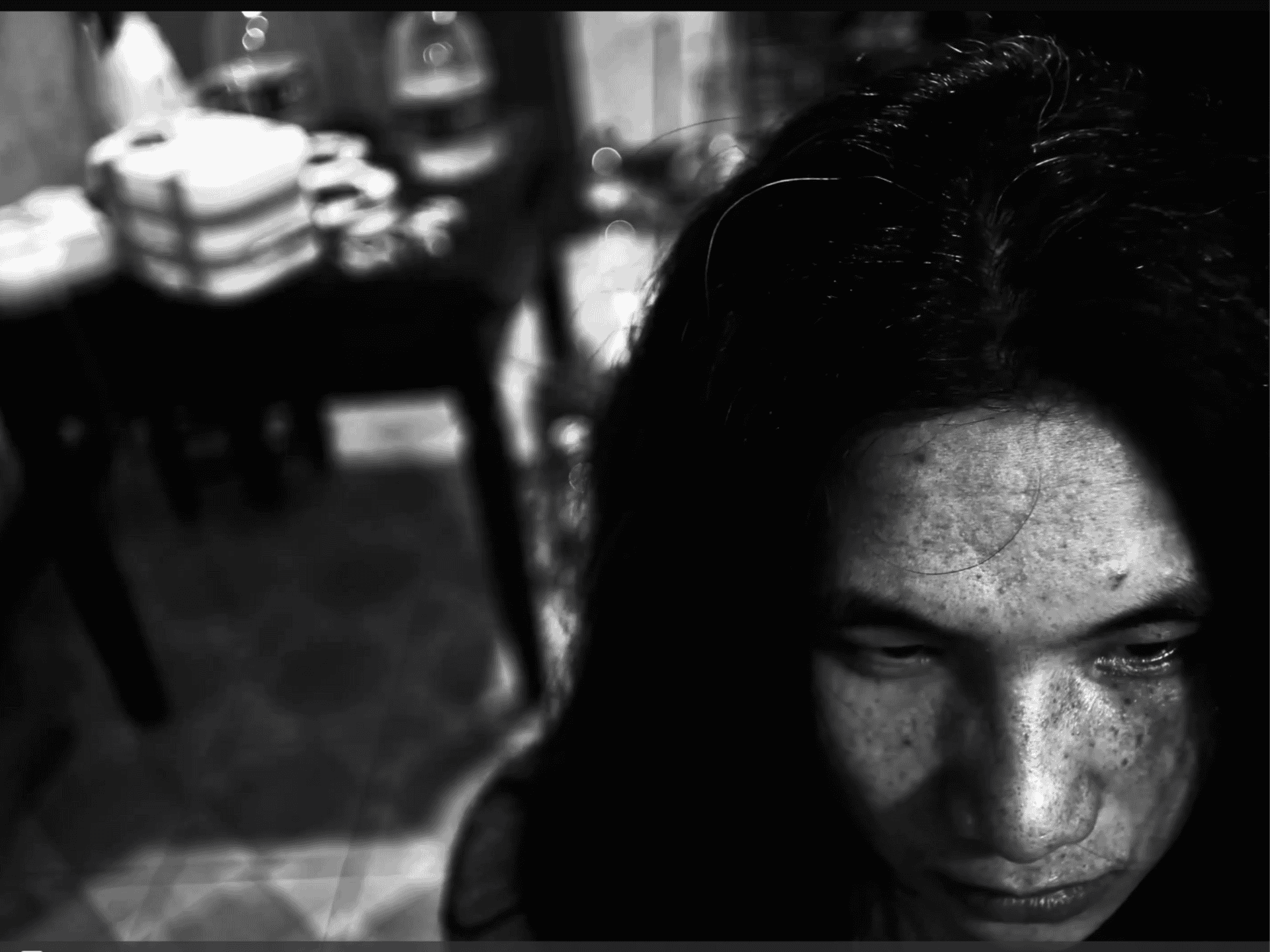
Visually, "Leaving the Zoo at Nightfall" is a tour de force, offering a rich and varied cinematic experience. While comparisons to Wong Kar-wai’s distinctive aesthetic might arise, such a reduction would fail to encompass the full breadth of Lei Kaipo’s directorial vision. The film is a showcase of inventive cinematography, featuring a wealth of striking images. These visuals oscillate between black and white and color, employ time-lapse techniques, utilize stretched perspectives, and are enriched by numerous dissolves and double exposures. This visual dynamism creates a dreamlike quality, mirroring the characters’ often disoriented and searching states of mind.
Beyond these stylistic flourishes, Lei demonstrates a keen eye for capturing the essence of his hometown and its inhabitants. Extended sequences where the camera fluidly traverses the urban landscape imbue the film with a documentary-like texture, providing a palpable sense of place and grounding the fragmented narrative of the four protagonists within a larger, lived reality. These urban explorations are interspersed with evocative imagery, such as spectacular fireworks displays—another recurring motif in independent cinema, often symbolizing fleeting beauty or explosive emotion—and the arresting sight of burning grass on a riverbank. Scenes of rain further contribute to the film’s atmospheric richness, adding layers of melancholy and introspection. Yet, despite its visual abundance, the film maintains an element of enigma, deliberately withholding certain interpretations and allowing for viewer engagement and contemplation.
The film’s thematic exploration of the zoo, as a metaphor for confinement, observation, and the inherent complexities of existence, warrants further analysis. Zoos, by their nature, represent curated environments where wildness is contained and presented for public consumption. In "Leaving the Zoo at Nightfall," this setting likely serves as a symbolic representation of the characters’ own perceived limitations and their struggle to break free from societal or personal constraints. The act of "leaving the zoo at nightfall" suggests an attempt to escape these confines under the cover of darkness, perhaps representing a clandestine or unconventional pursuit of freedom and self-discovery. This symbolic layering adds a profound dimension to the film’s narrative, inviting audiences to consider the broader implications of the characters’ journeys.
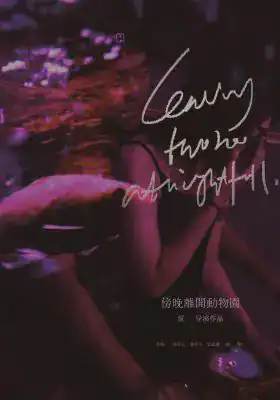
The relatively limited dissemination of "Leaving the Zoo at Nightfall" beyond China’s borders is a point of regret for many observers of international cinema. The film’s critical reception within China and its subsequent availability on platforms like CathayPlay suggest a growing international interest in contemporary Chinese independent filmmaking. The success of "Leaving the Zoo at Nightfall" signals a promising trajectory for director Lei Kaipo. His ability to craft a visually compelling, thematically rich, and emotionally resonant film at such a young age suggests a significant talent that is poised for further development. The broader implications of this film’s emergence lie in its contribution to the ongoing diversification and international recognition of Chinese cinema. As more films like "Leaving the Zoo at Nightfall" gain visibility, they challenge monolithic perceptions of Chinese filmmaking and showcase the multifaceted artistic expressions emerging from the nation.
The film’s production context is also important to consider. Independent filmmaking in China often operates under unique constraints and pressures, including navigating censorship regulations and securing distribution channels outside of the mainstream studio system. The fact that Lei Kaipo was able to produce a film of such artistic merit under these circumstances speaks to the resilience and ingenuity of emerging Chinese filmmakers. The availability of streaming platforms dedicated to Asian cinema, such as CathayPlay, plays a crucial role in bridging geographical divides and making these independent productions accessible to a global audience. This accessibility is vital for fostering cross-cultural understanding and appreciation of diverse cinematic voices.
Furthermore, the film’s thematic engagement with youthful disillusionment and the search for meaning is a universal concern, transcending cultural boundaries. The specific socio-economic context of China—characterized by rapid societal change, intense competition, and evolving value systems—provides a unique backdrop for these universal themes. By portraying the struggles of recent graduates, "Leaving the Zoo at Nightfall" offers a nuanced commentary on the challenges of entering adulthood in a rapidly modernizing society. The film’s subtle critique of societal pressures and its exploration of individual agency within these constraints are likely to resonate with young audiences worldwide who are facing similar predicaments.
The success of "Leaving the Zoo at Nightfall" serves as a valuable case study for understanding the dynamics of contemporary Chinese independent cinema. It highlights the emergence of a new generation of filmmakers who are not only technically adept but also possess a strong artistic vision and a keen understanding of their cultural and social landscape. The film’s critical reception and its increasing availability to international audiences suggest that Chinese independent cinema is poised to play an even more significant role on the global stage in the coming years. The continued support and promotion of such works will be instrumental in ensuring that the full spectrum of Chinese artistic expression is recognized and celebrated worldwide. The potential for future works from Lei Kaipo, building upon the foundation laid by this remarkable debut, is a prospect that cinephiles globally will undoubtedly anticipate with keen interest.