

Swiss Drama "Late Shift" Garners International Acclaim, Securing Oscar Shortlist Spot and Limited Theatrical Release
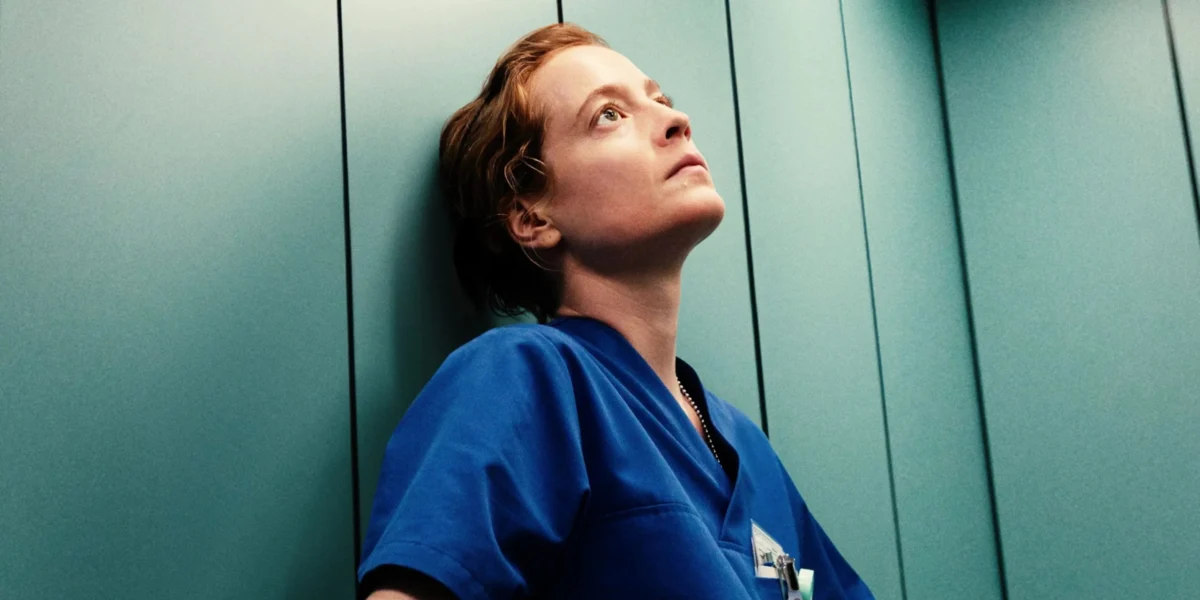
The compelling Swiss drama "Late Shift," penned and helmed by director Petra Volpe, is making significant waves on the international film circuit, culminating in its selection for the December shortlist for the Best International Feature Film at the 98th Academy Awards. Inspired by Madeline Calvelage’s poignant book, "Unser Beruf ist nicht das Problem: Es sind die Umstände" (Our Profession is Not the Problem: It is the Circumstances), the film stars Leonie Benesch in a powerful portrayal of Floria, a young nurse grappling with the immense pressures of an understaffed hospital ward. This critical recognition follows the film’s world premiere in the prestigious Berlinale Special Gala section of the 75th Berlin International Film Festival last year, where it garnered positive critical reception.
The narrative of "Late Shift" plunges viewers into the heart of a high-stakes medical environment, where Floria’s unwavering dedication is tested by a shift that transforms into a harrowing race against time. The film’s thematic core, rooted in the realities of healthcare professionals facing overwhelming conditions, has resonated deeply with audiences and critics alike. The decision to select "Late Shift" as Switzerland’s official submission for the Academy Awards underscores its artistic merit and its ability to transcend cultural boundaries with its universal themes of resilience, compassion, and the human struggle against overwhelming odds.
From Berlinale to the Oscars: A Journey of Recognition
The journey of "Late Shift" began with its premiere at the 75th Berlin International Film Festival in February 2024. As part of the Berlinale Special Gala, a section known for showcasing ambitious and artistically significant films, "Late Shift" immediately caught the attention of festival-goers and industry professionals. The festival, one of the most prominent film events globally, provides a crucial platform for emerging and established filmmakers to present their work to a discerning international audience. The positive reception at Berlinale served as a strong indicator of the film’s potential for broader success.
Following its Berlin debut, the film’s trajectory continued upwards. Its selection as the Swiss entry for the Best International Feature Film at the 98th Academy Awards was a significant milestone. This nomination requires a film to be submitted by its country of origin and to meet specific criteria related to language and creative control. The Academy then curates a shortlist of films that advance to the final nomination stage. "Late Shift" successfully navigated this rigorous selection process, making it among the top contenders vying for an Oscar. The December shortlist announcement confirmed its standing as a serious contender in a highly competitive category.
Thematic Resonance and Critical Acclaim
The critical success of "Late Shift" can be attributed to its authentic portrayal of the demanding realities faced by healthcare workers. The film’s inspiration from Madeline Calvelage’s book, which delves into the systemic challenges within the healthcare profession, provides a strong foundation for its narrative. The book itself is a testament to the often-unseen struggles of medical staff, highlighting how external circumstances, rather than a lack of dedication, can create insurmountable obstacles.
Leonie Benesch’s performance as Floria has been widely praised for its depth and emotional honesty. Her portrayal captures the exhaustion, the unwavering commitment, and the moments of profound vulnerability that define the experience of a nurse working under immense pressure. The film’s ability to balance the intense drama of Floria’s shift with the underlying human element has been a key factor in its positive reviews. Critics have noted Volpe’s sensitive direction and her skill in creating a palpable sense of urgency and empathy.

Director Petra Volpe Discusses Her Creative Process
Director Petra Volpe, who also wrote the screenplay for "Late Shift," shared insights into her creative process and the experience of bringing this story to the screen. In an interview with Next Best Picture, Volpe discussed the inspiration behind the film and the challenges of adapting Calvelage’s work. Her discussion, available in both video and audio formats, offers a deeper understanding of the artistic intentions and the meticulous crafting that went into "Late Shift." Volpe’s perspective sheds light on the careful consideration given to the film’s themes, character development, and visual storytelling. Her willingness to engage in such dialogue further enhances the film’s accessibility and allows audiences to connect with its creators on a more profound level.
Limited Theatrical Release and Nationwide Rollout
"Late Shift" is currently enjoying a limited theatrical run in major U.S. cities, providing audiences with the opportunity to experience the film on the big screen. It is playing at The Quad Cinema in New York City and at the Laemmle Royal in Los Angeles. This initial release is crucial for generating buzz and allowing critics and the public to engage with the film before its wider distribution. Following these engagements, Music Box Films is set to spearhead a nationwide rollout, making "Late Shift" accessible to a broader audience across the United States. This strategic release plan is common for films garnering critical acclaim and seeking to capitalize on awards season momentum.
Supporting Data and Context
The healthcare industry globally faces persistent challenges related to staffing shortages and burnout among medical professionals. According to the World Health Organization (WHO), there is an estimated global shortfall of 10 million healthcare workers by 2030, with a disproportionate impact on low- and middle-income countries. While Switzerland generally boasts a well-developed healthcare system, individual hospitals and specific departments can still experience significant strain due to increased patient loads, aging populations, and the ongoing demands of medical advancements.
The film’s focus on a nurse’s experience is particularly relevant given that nurses constitute the largest group of healthcare professionals worldwide. Their roles are often at the forefront of patient care, and they are frequently the first to experience the direct impact of understaffing and resource limitations. The narrative of "Late Shift" taps into this widely recognized issue, making it a relatable and important story for contemporary audiences.
Potential Implications and Broader Impact
The Academy Award nomination shortlist for "Late Shift" brings significant international attention not only to the film itself but also to Swiss cinema and the critical issues it addresses. Such recognition can:
- Elevate Swiss Cinema: Increased visibility for "Late Shift" can pave the way for more Swiss films to gain international distribution and recognition, fostering a stronger global presence for the country’s film industry.
- Spark Dialogue on Healthcare: By highlighting the pressures faced by healthcare professionals, the film has the potential to initiate or deepen public and policy discussions about the state of healthcare systems, the importance of adequate staffing, and the well-being of medical personnel.
- Inspire Future Filmmakers: The success of a film rooted in a socially relevant theme can encourage other filmmakers to explore similar narratives that address societal challenges through compelling storytelling.
- Economic Impact: A successful film can lead to increased tourism for filming locations, as well as stimulate economic activity through its distribution and related marketing efforts.
The journey of "Late Shift" from its world premiere at Berlinale to its inclusion on the Oscar shortlist is a testament to its artistic merit and its powerful thematic resonance. As the film continues its theatrical run and prepares for a nationwide rollout, its story of dedication, resilience, and the often-unseen struggles within the healthcare profession is poised to reach and impact a global audience. The film’s success serves as a powerful reminder of the importance of supporting both cinematic artistry and the critical work of those on the front lines of human care.