


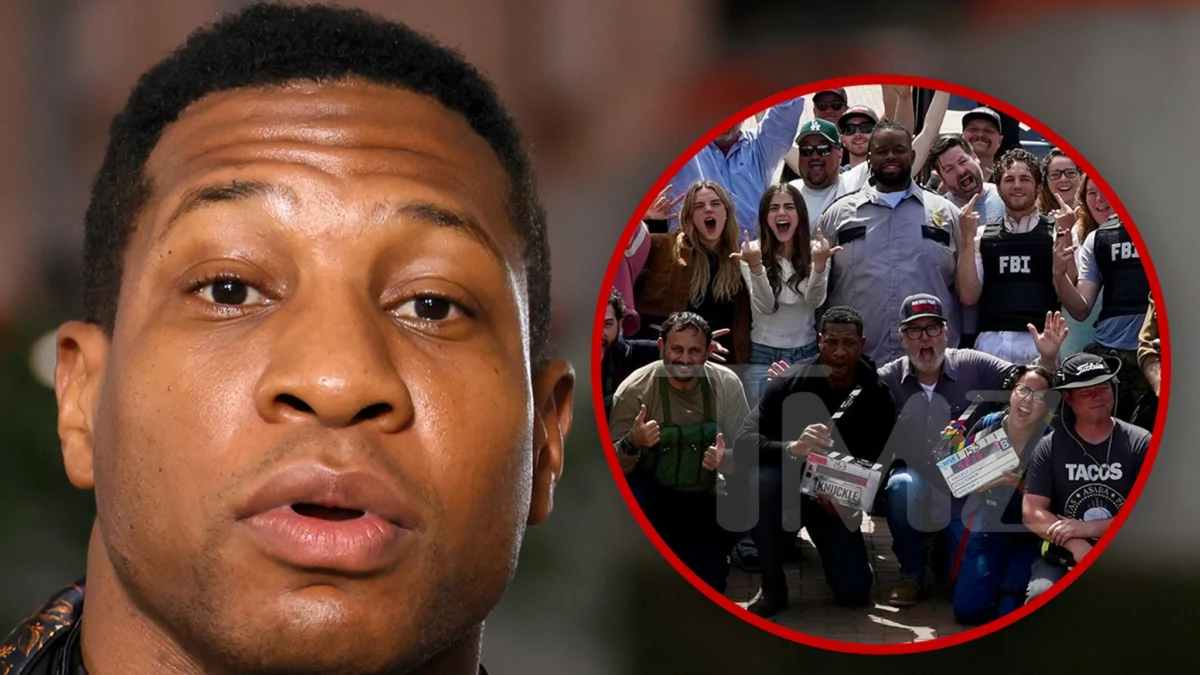
A recent incident on the set of an untitled film produced by The Daily Wire and Bonfire Legend saw actor Jonathan Majors and co-star JC Kiljoyne fall through a stunt window, sparking a partial crew strike and reigniting discussions around set safety and labor practices within the independent film industry. While initial reports indicated minor injuries and a swift return to production, the event has drawn scrutiny to the complexities of filmmaking, particularly in non-union environments, and the ongoing dialogue between production companies and labor organizations.
Incident Details Emerge
The accident occurred earlier this week during the filming of a pivotal scene. According to production sources, actors Jonathan Majors and JC Kiljoyne were involved in a stunt that required them to interact with a glass window. Filmmakers had reportedly planned to substitute Majors with a stunt double at the crucial moment before impact; however, during the execution of the scene, both actors unexpectedly passed through the window. Sources close to the production described the incident as a "complete accident," attributing it to "simple inertia" where the momentum of the actors carried them beyond the intended breaking point. Rehearsals for this specific scene, along with other demanding stunts, had reportedly been conducted for several months prior to filming, underscoring the unpredictable nature of live action sequences.
Following the fall, JC Kiljoyne sustained cuts to his hands, necessitating three to four stitches. A fake blood pack, or squib, which had been deployed as part of the stunt, reportedly exploded, initially making Kiljoyne’s injury appear more severe than it ultimately proved to be. Despite the immediate concern, both actors have downplayed the seriousness of their injuries, expressing a strong desire to continue with the project.
Actor Statements and Career Context
Jonathan Majors, known for his roles in various high-profile productions, provided a statement emphasizing his well-being and commitment to the film. "I’m ok," Majors affirmed, "I was happy to be on set and help tell the story. I am grateful for whoever is checking on me, the cast and crew for regarding our safety. It’s going to be a great movie and I am looking forward to fans seeing it!" This statement aligns with a broader narrative surrounding Majors’ recent career trajectory. The untitled film marks a significant return for the actor following a period of legal challenges and a conviction earlier this year. His eagerness to participate and express gratitude for the production’s safety considerations could be seen as an effort to refocus public attention on his professional endeavors.
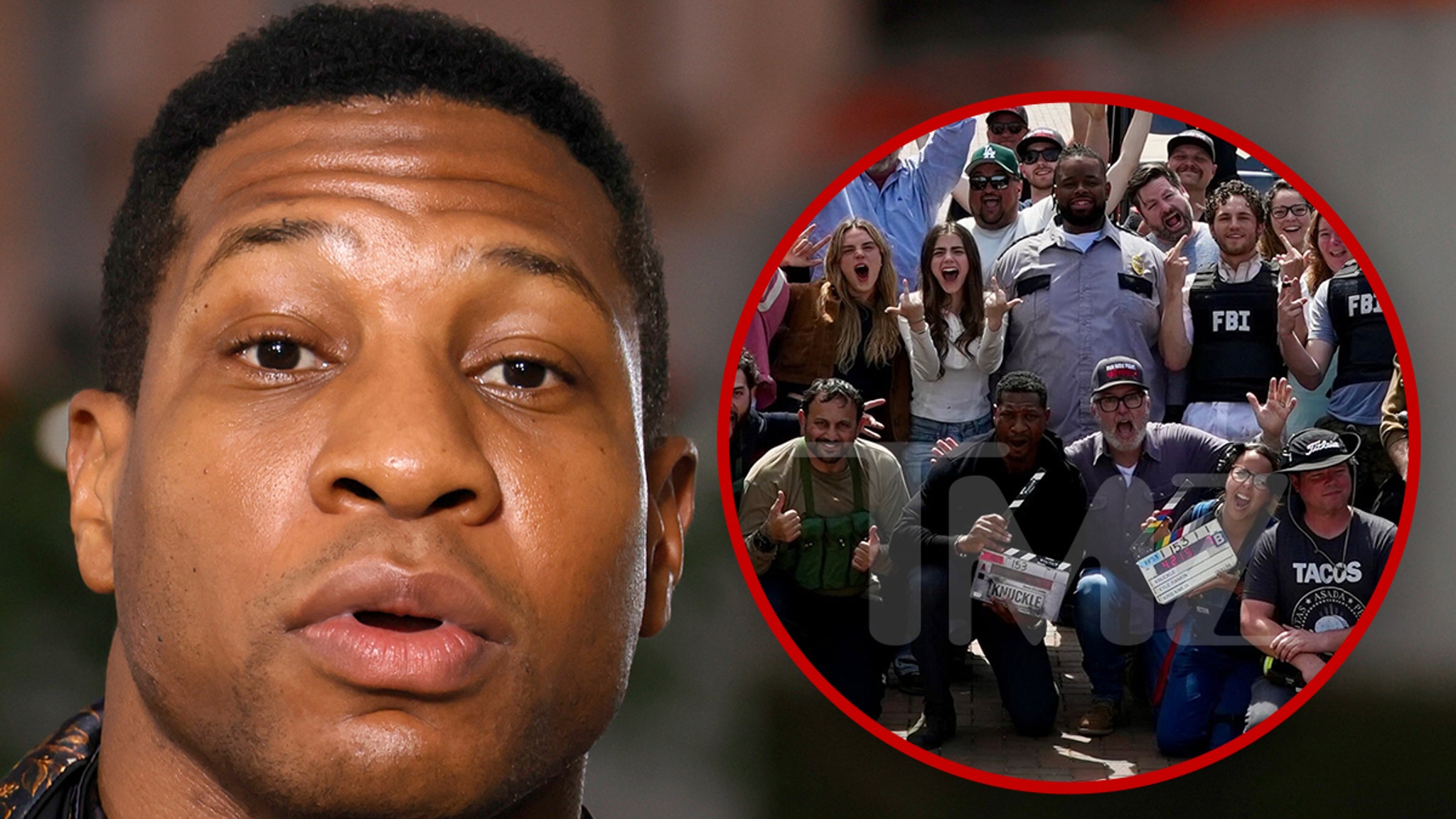
Similarly, JC Kiljoyne’s representative conveyed the actor’s perspective to Deadline, stating that Kiljoyne "did not feel unsafe on set and continues to have a positive experience working on the project." These congruent statements from both actors involved aim to reassure stakeholders and the public about the production’s overall safety environment, despite the isolated incident. The emphasis on a positive experience and commitment to the film suggests a unified front from the talent involved, potentially seeking to mitigate any negative perceptions arising from the accident and subsequent labor dispute.
The Evolving Landscape of Set Safety and Stunt Coordination
Film sets are inherently dynamic and often involve controlled risks to achieve cinematic realism. The safety protocols in place are designed to minimize these risks, with stunt coordinators playing a crucial role in planning, rehearsing, and executing dangerous sequences. Industry standards typically mandate rigorous safety meetings, detailed stunt breakdowns, and the availability of medical personnel. Accidents, even with extensive precautions, are not entirely uncommon in the fast-paced and physically demanding environment of film production.
The specific incident involving Majors and Kiljoyne highlights the challenges inherent in executing complex stunts. While rehearsals are vital, the live nature of filming introduces variables that can sometimes lead to unexpected outcomes, even when "simple inertia" is cited as the cause. Professional stunt performers undergo extensive training to manage such risks, and the decision to replace actors with stunt doubles for critical impact moments is a standard safety measure. The fact that the planned switch did not occur, leading to the actors themselves going through the window, will undoubtedly be a point of review for the production team and safety supervisors.
Statistics from organizations like the Occupational Safety and Health Administration (OSHA) and various film safety committees consistently show that while major fatalities are rare, minor to moderate injuries are more frequent on film sets, ranging from sprains and cuts to concussions. These incidents often underscore the need for continuous vigilance, adherence to established safety guidelines, and transparent communication between all levels of production staff.
Union Discontent and Production Response

The accident involving Majors and Kiljoyne quickly escalated into a labor dispute, with reports indicating that some crew members began striking earlier in the week. The protest was reportedly fueled not only by the window incident but also by pre-existing complaints about "other happenings around set." This suggests a cumulative dissatisfaction among a segment of the crew regarding working conditions or practices.
The production in question, a collaboration between The Daily Wire and Bonfire Legend, operates in the independent film space, often outside the traditional framework of Hollywood’s major unions, such as the International Alliance of Theatrical Stage Employees (IATSE). This non-union status is a significant factor in the unfolding dispute. Unionized productions adhere to collective bargaining agreements that outline specific safety standards, working hours, and grievance procedures. Non-union productions, while still bound by federal and state labor laws, may have more flexibility in their operational protocols, which can sometimes lead to different interpretations of worker protections.
Dallas Sonnier, CEO of Bonfire Legend, offered a robust counter-narrative to the strike reports. Sonnier stated that the production was "fully staffed for the most part," but acknowledged a turnover last week when "they had to replace 15% of the staff ‘when the unions started illegitimately "striking" and shaming specific crew members into standing down.’" Sonnier’s strong condemnation of the unions, asserting he never received a direct call from them because "they are total cowards and whiny busybodies," highlights the deep ideological and operational schism that often exists between independent, non-union producers and established Hollywood labor organizations.
From the perspective of unions, the incident and subsequent strike attempts underscore their core mission: to advocate for safer working conditions, fair wages, and benefits for their members. They would likely argue that such incidents, especially when coupled with pre-existing grievances, are precisely why robust union protections and collective bargaining are essential. The alleged "shaming" of crew members could be interpreted by unions as a necessary tactic to maintain solidarity and pressure productions to meet perceived safety and labor standards.
The incident thus becomes a microcosm of a larger industry debate concerning worker rights, safety oversight, and the economic models of film production, particularly as independent and non-traditional financing sources become more prevalent. The claim that the window incident "actually brought the crew closer together, despite reports" and that "not everyone picketed the production" suggests internal divisions or differing perspectives among the crew regarding the legitimacy and efficacy of the strike action.
Broader Industry Implications and Outlook
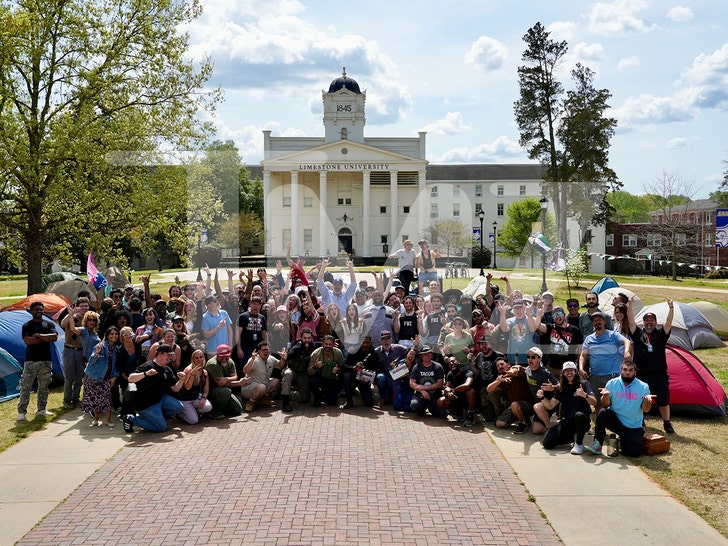
The incident on Majors’ set, while resulting in minor physical injuries, carries broader implications for the individuals involved and the industry at large. For Jonathan Majors, who is navigating a complex period in his career, the quick resolution of the incident and his positive public statements are crucial. His ability to demonstrate resilience and commitment to his craft, even amidst minor setbacks, contributes to rebuilding his professional image.
For the production company, Bonfire Legend, and The Daily Wire, managing the narrative around set safety and labor relations is paramount. Operating outside traditional union structures often means facing increased scrutiny from labor advocates. Successfully completing the film and ensuring its safe delivery will be key to validating their production model and demonstrating their commitment to industry standards, regardless of union affiliation.
The incident also serves as a reminder to the entire film industry about the constant need for vigilance in set safety. While stunt professionals strive for perfection, the human element and the inherent risks of creative endeavors mean that accidents can and do happen. These events often prompt internal reviews of safety protocols, refresh training for crew members, and reinforce the importance of open communication channels for reporting concerns without fear of reprisal.
In conclusion, the glass window incident on Jonathan Majors’ film set has unfolded into a multifaceted story encompassing actor safety, labor disputes, and the intricate dynamics of independent film production. While the actors involved have largely downplayed their injuries and expressed continued enthusiasm for the project, the incident has highlighted ongoing tensions between non-union productions and organized labor. As the film progresses towards completion, its production journey will likely remain a subject of interest, not only for its cinematic content but also for the broader conversations it has sparked about safety, labor practices, and the evolving landscape of filmmaking.