


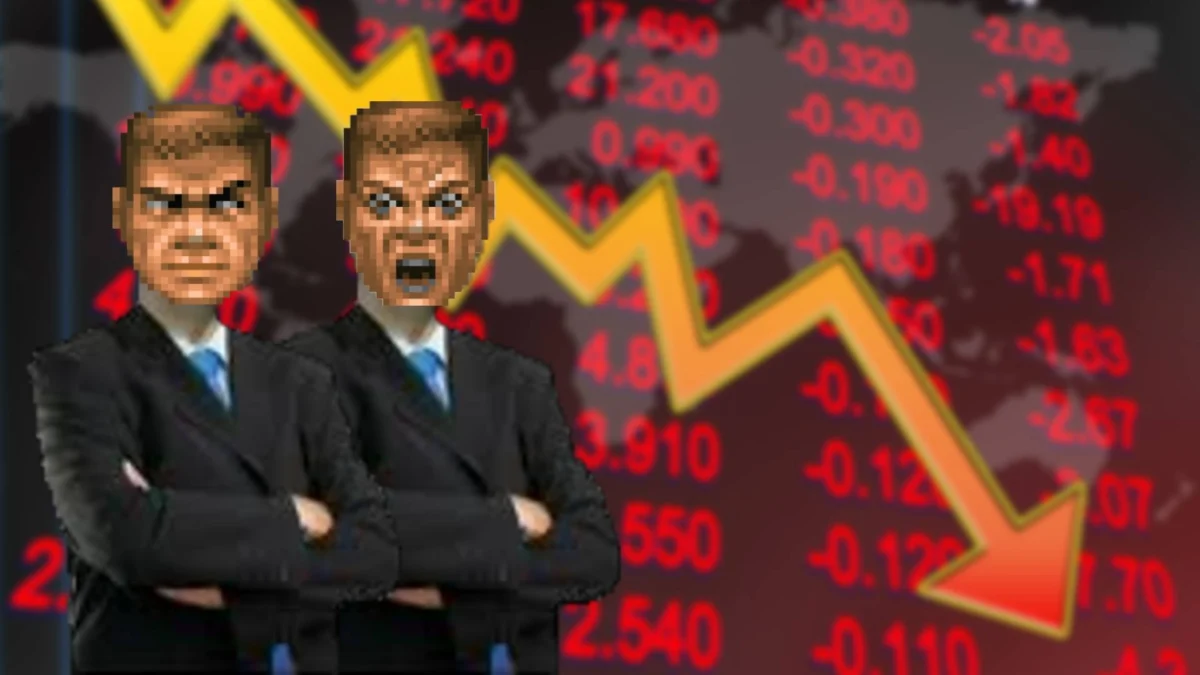
The global video game industry is currently navigating a period of unprecedented volatility, characterized by mass layoffs, studio closures, and a fundamental shift in project funding. Among the most prominent voices speaking out on this crisis are John and Brenda Romero, the award-winning founders of Romero Games and legendary figures in game development history. Speaking in the wake of a significant restructuring of their Galway-based studio, which saw their workforce contract from approximately 110 employees to just nine, the Romeros have offered a sobering assessment of the industry’s health. According to Brenda Romero, the current climate is not merely a downturn but is in many ways "crashier" than the infamous North American video game crash of 1983, a sentiment that highlights the depth of the challenges facing modern developers.
The Downsizing of Romero Games and the Loss of Funding
The restructuring at Romero Games serves as a microcosm of the broader instability within the sector. The studio, known for titles such as Empire of Sin and led by the creator of Doom and Quake, was recently forced to undergo a radical downsizing process. This contraction was primarily triggered by the withdrawal of funding for their upcoming first-person shooter (FPS) project, a casualty of the sweeping budget cuts implemented by Microsoft across its gaming divisions over the past eighteen months.
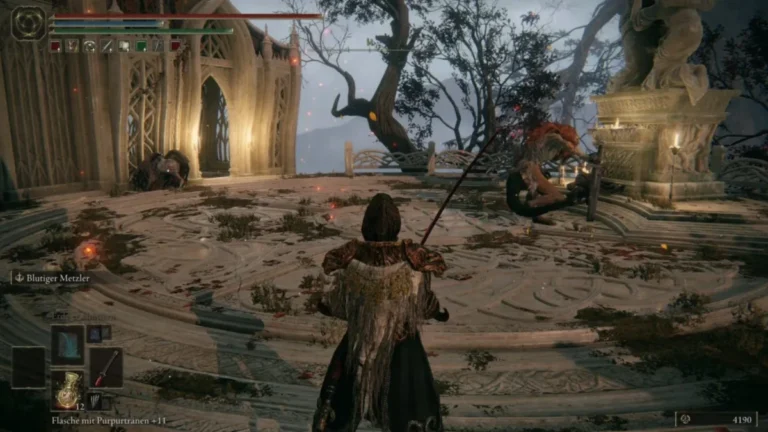
Initially employing a team of 110 developers, Romero Games had to navigate a lengthy and difficult redundancy process. While the studio remains operational, its current iteration consists of a core team of nine. Despite the loss of their primary publishing partner, the Romeros have successfully secured the future of their project through a significant redesign. The upcoming shooter, once a large-scale production, has been reimagined with a new creative direction reportedly inspired by the open-ended design philosophies of Elden Ring. While several publishers have expressed interest in the revised project, the transition highlights the precarious nature of independent development when tied to the fluctuating strategies of major platform holders.
Historical Context: The 1983 Crash Versus Modern Volatility
To understand Brenda Romero’s assertion that the current state is "crashier" than the 1980s, one must examine the historical precedent of the 1983 North American video game crash. During that era, the market was flooded with low-quality software produced by companies eager to capitalize on the success of the Atari 2600. The lack of quality control, combined with a proliferation of competing consoles and the rising popularity of home computers like the Commodore 64, led to a catastrophic loss of consumer confidence. Revenues plummeted from a peak of $3.2 billion in 1982 to around $100 million by 1985, an 85% drop that nearly ended the console industry in the United States until the arrival of the Nintendo Entertainment System (NES).
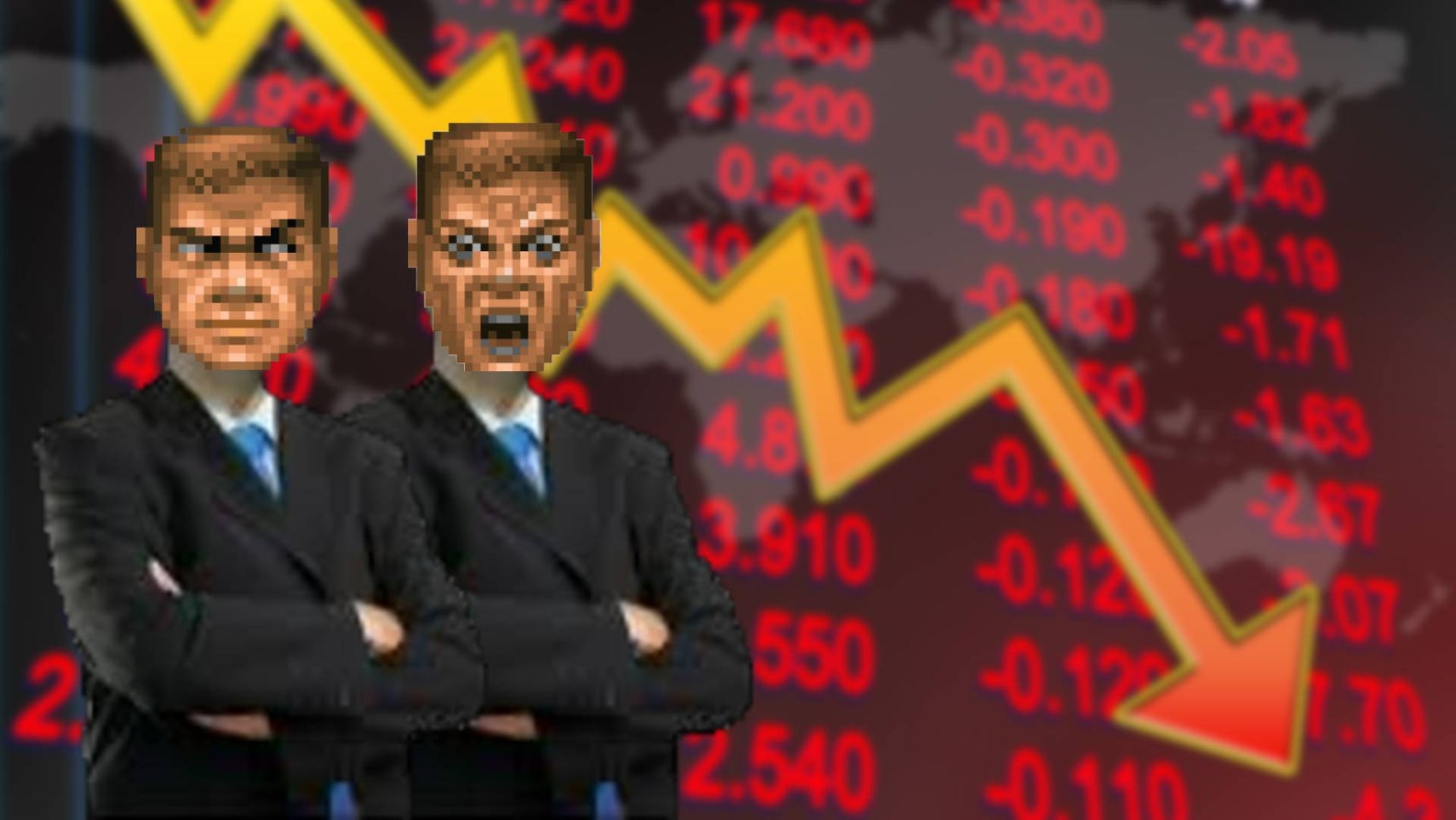
The Romeros, who were active in the industry during that period, argue that while the 1983 crash was severe, the modern crisis is more pervasive and affects a significantly larger global workforce. In the 1980s, the industry was a fraction of its current size. Today, the video game sector is a multi-billion-dollar global enterprise, meaning the human cost of instability is exponentially higher. The current crisis is not defined by a lack of consumer interest—as gaming engagement remains high—but by a correction following over-expansion during the COVID-19 pandemic, rising interest rates, and the unsustainable costs of "AAA" development.
The Paradox of Success: Record Sales and Mass Layoffs
One of the most confounding aspects of the current industry landscape, as noted by John Romero, is the disconnect between commercial success and job security. John Romero specifically cited Electronic Arts (EA) and the Battlefield franchise as a primary example of this industry-wide paradox. Despite Battlefield 2042 (referred to in recent discussions in the context of the franchise’s trajectory) and other major titles moving millions of units, the parent companies have frequently followed these successes with significant staff reductions.
In early 2024, EA announced it would lay off approximately 5% of its workforce, or about 670 employees, as part of a restructuring plan that included the cancellation of a Star Wars FPS and the closure of certain studios. This followed a record-breaking year for many large publishers in terms of revenue. John Romero expressed confusion regarding this trend, questioning why substantial sales figures no longer provide a safety net for the developers who created the products. This "success-linked redundancy" suggests that the current corporate model prioritizes short-term margin expansion and shareholder returns over long-term institutional stability.
A Chronology of the 2023-2024 Industry Contraction
The crisis described by the Romeros is supported by a staggering timeline of layoffs and closures that began in early 2023 and accelerated through 2024. The following events represent the broader context of the "crashier" environment:
- January 2023: Microsoft announces 10,000 layoffs across the company, significantly impacting Xbox and Bethesda.
- August 2023: Embracer Group begins a massive restructuring after a $2 billion deal collapsed, leading to the closure of Volition (Saints Row) and Free Radical Design.
- January 2024: Microsoft announces an additional 1,900 layoffs within its gaming division following the acquisition of Activision Blizzard.
- February 2024: Sony Interactive Entertainment announces it will cut 900 jobs (8% of its workforce) and shutter its London Studio.
- May 2024: Microsoft shuts down several Bethesda-affiliated studios, including Tango Gameworks (creators of Hi-Fi Rush) and Arkane Austin.
- Late 2024: Romero Games completes its downsizing from 110 to nine staff members following the loss of Microsoft funding.
Estimates suggest that over 10,500 game industry professionals lost their jobs in 2023, and that number has already been surpassed in the first three quarters of 2024. The scale of these cuts has created a saturated labor market where thousands of highly skilled developers are competing for a dwindling number of available roles.

Analyzing the Implications: The Shift Toward Sustainable Development
The Romeros’ reflections point toward a necessary, albeit painful, evolution in how games are developed and funded. The "AAA" model, which often requires hundreds of millions of dollars in investment and thousands of staff, is increasingly viewed as high-risk. When a single project failure or even a "moderate success" can lead to the dissolution of a studio, developers are looking toward alternative models.
The redesign of the upcoming Romero Games project—moving from a high-budget, publisher-funded model to a more focused, "Elden Ring-inspired" design—reflects a shift toward efficiency. By utilizing a smaller, more agile team, the studio aims to reduce the "burn rate" (monthly operating costs) and retain more creative control. This mirrors a trend in the wider industry where "III" (Triple-I) developers—independent studios with high production values but smaller footprints—are finding more success than their bloated counterparts.
However, the human impact remains the most pressing concern. Brenda Romero noted that there are "so few people that have not been affected" by the current wave of layoffs, either directly or through partners and colleagues. This atmosphere of constant anxiety has the potential to drive talent out of the industry entirely, as developers seek stability in other tech sectors.
Conclusion: A Difficult Road to Recovery
While the industry eventually recovered from the 1983 crash through the introduction of stricter quality controls and new hardware, the path out of the current crisis is less clear. The issues today are structural and economic, tied to the global financial climate and the demands of public market investors.
The testimony of John and Brenda Romero serves as a stark warning from those who have witnessed the industry’s highest peaks and lowest ebbs. Their experience at Romero Games—surviving a near-total collapse of funding and successfully pivoting to a new creative vision—offers a glimmer of hope for the resilience of independent creators. Nevertheless, their assessment that the industry is in a "really horrible place" remains a definitive statement on the current era of game development. For the industry to stabilize, a fundamental reassessment of the relationship between publishers, developers, and the financial metrics of success will be required to ensure that the "crashier" elements of the 2020s do not become a permanent fixture of the landscape.