


Hawaiian native and celebrated actor Jason Momoa found himself directly in the path of a catastrophic storm that unleashed unprecedented flooding across the island of Oahu in March 2026, forcing him and his loved ones to navigate a perilous, life-threatening situation. The "Aquaman" star, known for his deep connection to his Polynesian heritage and environmental advocacy, utilized his platform to share real-time updates of the unfolding disaster, highlighting the widespread devastation and urging community solidarity. The severe weather event, characterized by relentless rainfall, triggered landslides, toppled trees, and propelled surging tides that necessitated mass evacuations across various communities.
The Genesis of the Deluge: A Kona Low System Strikes
The destructive weather system that gripped Hawaii was identified by meteorologists as a potent "Kona Low" – a non-frontal low-pressure system that forms over the waters west of the Hawaiian Islands, drawing moisture from the tropics and delivering prolonged, heavy rainfall. Unlike typical trade wind showers, Kona Lows bring winds from the south and west, disrupting the usual weather patterns and often leading to widespread and intense precipitation. This particular system began to coalesce in the days leading up to March 20, 2026, with initial forecasts warning of significant rainfall, flash flooding, and strong winds. However, the intensity and duration of the event exceeded many predictions, catching residents and emergency services off guard in several areas.
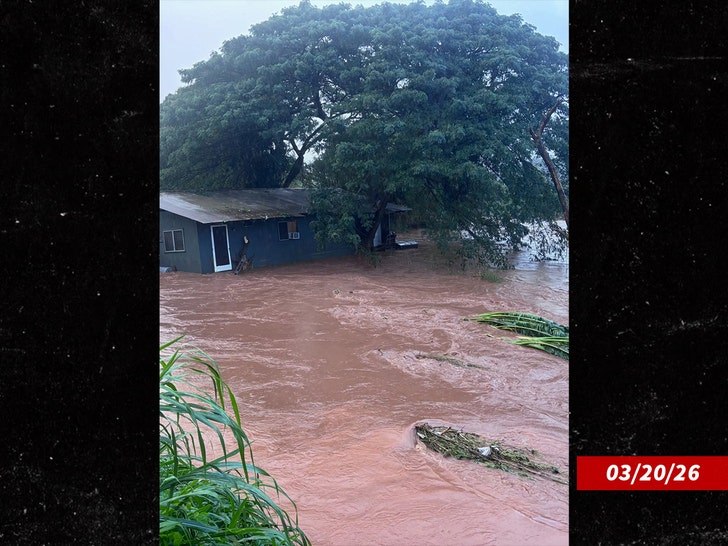
By the evening of March 21st and into March 22nd, Oahu bore the brunt of the storm’s fury. Rainfall totals in some mountainous areas were estimated to have surpassed 20 inches over a 48-hour period, leading to rapid saturation of the volcanic soil and overwhelming the island’s natural drainage systems. Rivers and streams quickly burst their banks, turning streets into torrents and low-lying areas into vast lakes. The sheer volume of water, combined with gale-force winds, created a perilous environment, making travel impossible and forcing residents to seek immediate refuge.
Momoa’s Harrowing Account from Oahu’s North Shore
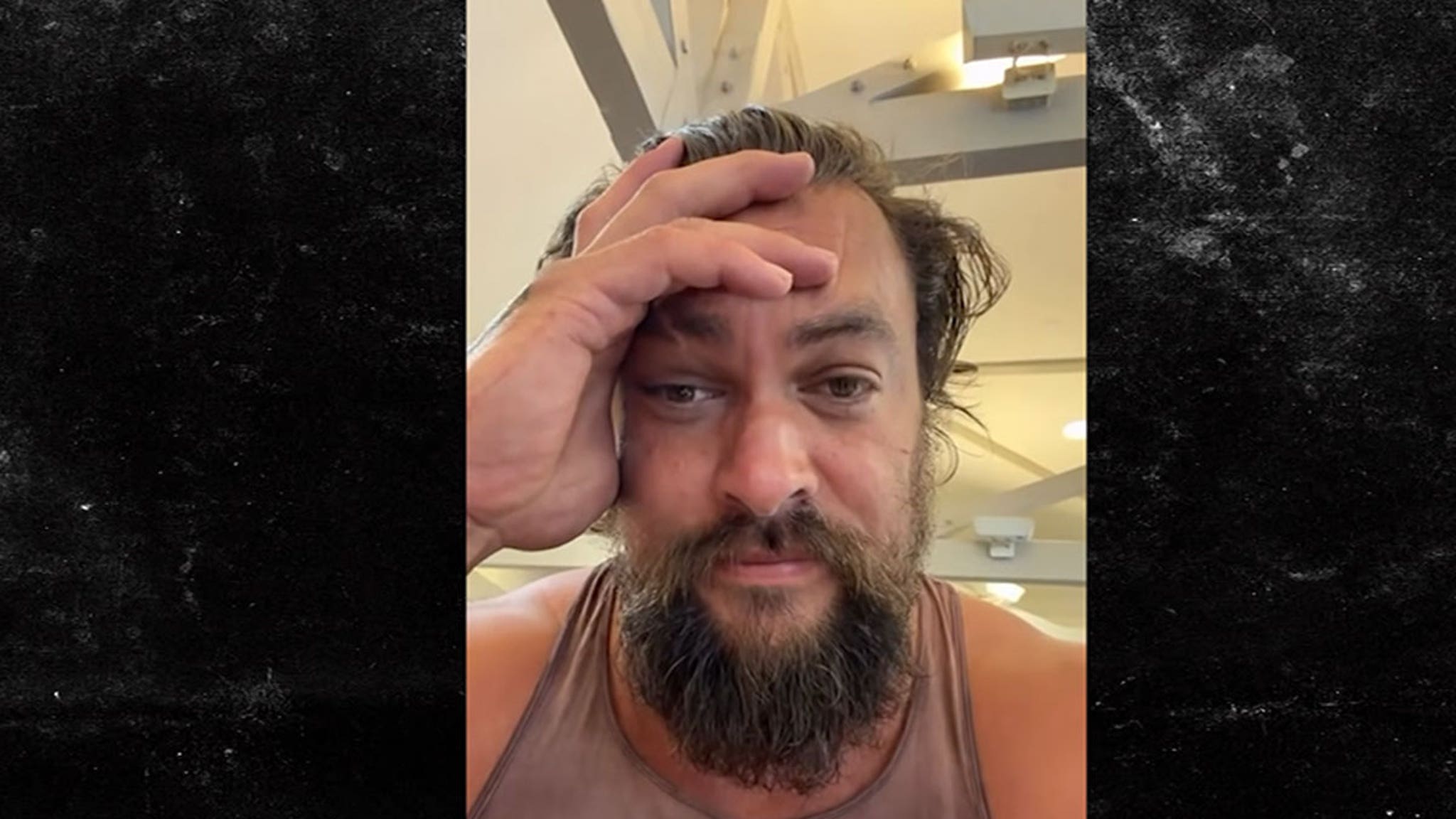
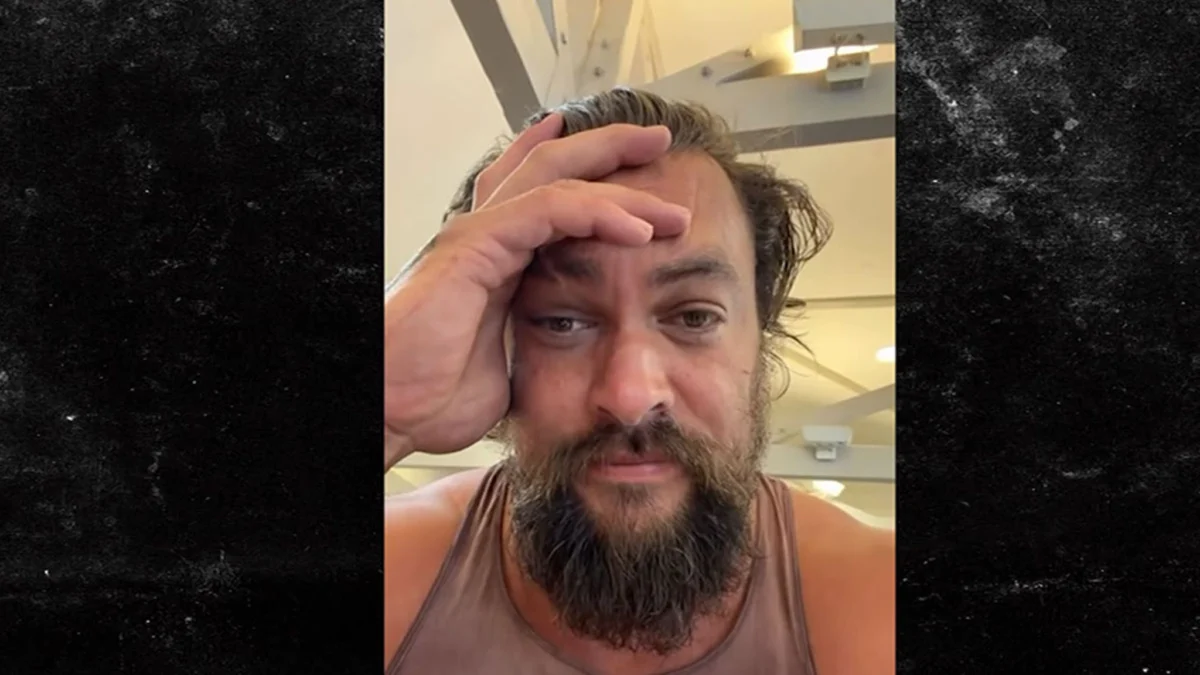
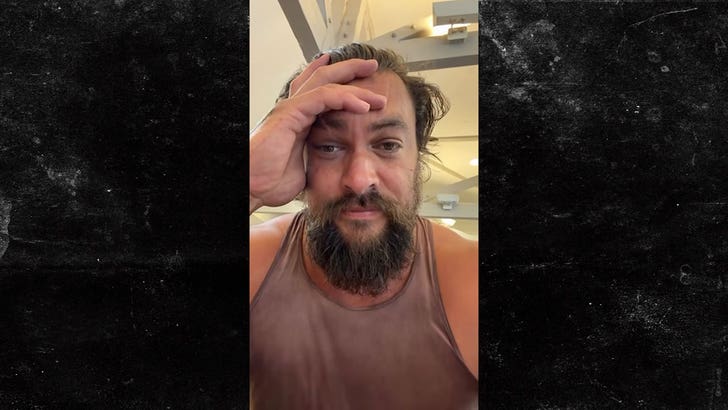
Jason Momoa, who was on Oahu’s North Shore with his family and girlfriend at the time, provided a first-hand account of the crisis via an emotional Instagram video. In the footage, shared widely across social media, Momoa described the "nightmare unfolding," detailing the immediate impact on his temporary residence. He recounted how their power had been completely cut off, plunging them into darkness and highlighting the fragility of essential services during such an extreme event. The loss of electricity, a common occurrence during severe storms, proved particularly challenging as it also disrupted communication channels for many.
The actor, visibly concerned yet composed, explained that he and his family were compelled to evacuate their location on the North Shore due to the escalating conditions. "We’re safe now, but there’s a lot of people who weren’t, so sending all our love," Momoa stated in his video, his voice conveying the gravity of the situation and his profound empathy for those less fortunate. His words underscored the immediate danger faced by countless Hawaiians, many of whom were caught unprepared by the storm’s rapid intensification. The evacuation itself would have been fraught with peril, navigating flooded roads and debris-strewn landscapes.
Widespread Devastation and Emergency Response Efforts
The storm’s impact extended far beyond individual inconveniences, wreaking havoc across Oahu. Reports from the Honolulu Fire Department (HFD) and other emergency services painted a grim picture of widespread destruction. Landslides, particularly prevalent in the island’s steep, verdant valleys, blocked major roadways, isolated communities, and posed significant threats to homes built on hillsides. Thousands of trees, unable to withstand the saturated soil and powerful winds, were uprooted, further obstructing transportation networks and damaging power lines.
Rising tides exacerbated the inland flooding, particularly in coastal communities, where seawater ingress compounded the freshwater deluge. Mass evacuations were initiated in several low-lying areas, with residents advised to move to designated shelters or higher ground. Emergency responders worked tirelessly through treacherous conditions, conducting numerous rescues. Officials reported that approximately 230 residents had been rescued by Saturday afternoon, many from flooded homes or stranded vehicles. These heroic efforts involved a coordinated response from HFD, the U.S. Coast Guard, and local law enforcement, often utilizing specialized equipment like high-water vehicles and rescue boats.
Hawaii Governor Josh Green, in a press briefing on Saturday afternoon, confirmed the severity of the situation while offering a glimmer of positive news amidst the chaos: remarkably, no fatalities had been reported as of that time. However, he noted that "a few serious injuries" had occurred, and around 10 individuals had been treated at hospitals for hypothermia, a testament to the cold, wet conditions endured by those caught in the storm. The absence of fatalities, given the scale of the disaster, was widely attributed to timely warnings, effective evacuation procedures, and the swift actions of first responders.
Community Resilience and Calls for Aid
Momoa and his girlfriend further amplified the call for community support, sharing an Instagram photo of themselves embracing inside a house, accompanied by a poignant message. Their post highlighted the profound human cost of the storms, which had been impacting the islands for several weeks, culminating in this massive deluge. They spoke of "families displaced" and "communities struggling," drawing particular attention to "our unhoused neighbors hit the hardest." This segment of the population, already vulnerable, faced unimaginable challenges in finding shelter and safety amidst the torrential rains and rising waters.
Their message resonated deeply with the spirit of ‘Ohana (family) and aloha that defines Hawaiian culture, urging locals to "check in on neighbors to make sure they’re safe." This emphasis on grassroots community care is often the first line of defense in disaster-stricken areas, where formal emergency services can be overwhelmed. Local non-profit organizations and volunteer groups quickly mobilized, establishing donation centers for food, clothing, and blankets, and offering assistance to those in need. The social fabric of Hawaii, often strengthened by adversity, was once again put to the test, and community bonds proved vital.
Ongoing Threats and Long-Term Implications
Even as the immediate impact was being assessed, the Hawaii Emergency Management Agency (HI-EMA) issued continuous warnings, indicating that the storm’s threat was far from over. On Saturday, concerns escalated regarding the Wahiawa dam on Oahu, with HI-EMA announcing the "potential for heavy rain" to continue, posing a risk to the dam’s integrity. Such warnings underscore the cascading nature of natural disasters, where initial impacts can lead to secondary dangers like dam breaches or prolonged infrastructure failures. Monitoring dam levels and ensuring their stability became a critical priority for engineering teams and emergency services.
The long-term implications of this massive flood event for Hawaii are multifaceted. Economically, the damage to infrastructure, homes, and businesses will likely amount to millions of dollars, placing a significant burden on the state’s resources. The agricultural sector, particularly susceptible to heavy rainfall and landslides, could face substantial crop losses, impacting local food supplies and livelihoods. While tourism, a cornerstone of Hawaii’s economy, might see a temporary dip, the island’s resilient nature and appeal are expected to facilitate a recovery.
Environmentally, the floods will have lasting effects. Runoff from the land carries pollutants, debris, and sediment into coastal waters, potentially harming delicate coral reef ecosystems, which are vital for marine biodiversity and coastal protection. Erosion, particularly on deforested or vulnerable slopes, could permanently alter landscapes and increase the risk of future landslides.
From a societal perspective, the displacement of families, especially the unhoused population, will necessitate sustained support and long-term housing solutions. The psychological toll on affected residents, grappling with loss and disruption, will also require community and governmental attention. This event serves as a stark reminder of Hawaii’s vulnerability to extreme weather phenomena, a vulnerability that many experts predict will only intensify with ongoing climate change. Sea-level rise and altered precipitation patterns are projected to increase the frequency and severity of such events, prompting urgent calls for enhanced infrastructure resilience, improved early warning systems, and comprehensive climate adaptation strategies across the islands.
As clean-up efforts begin and communities slowly recover, the experience of Jason Momoa and countless other Hawaiians highlights the profound power of nature and the enduring spirit of human resilience. The call for compassion, mutual aid, and governmental support will be crucial in the weeks and months ahead as Hawaii embarks on the long road to recovery, demonstrating that even the mightiest Aquaman is not immune to the forces of the natural world, but his voice can certainly amplify the urgent need for action and assistance.