

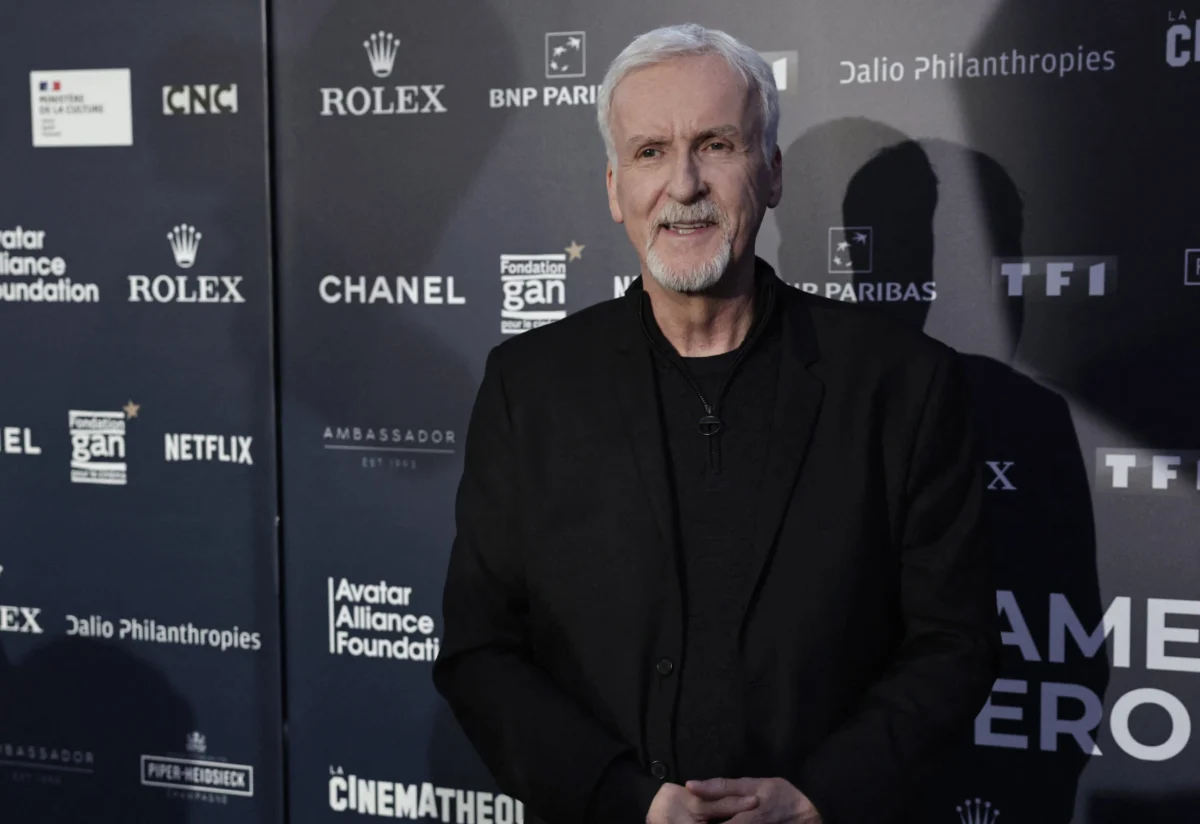
The landscape of American cinema faces an existential crossroad as James Cameron, the Academy Award-winning director behind "Titanic" and "Avatar," has formally petitioned the United States Senate to intervene in Netflix’s proposed acquisition of Warner Bros. Discovery’s film studio. In a detailed letter addressed to Senator Mike Lee (R-Utah), chairman of the Senate subcommittee on antitrust, competition policy, and consumer rights, Cameron characterized the potential merger as a catastrophic event that could render the traditional theatrical experience a "sinking ship." The correspondence, recently obtained by news outlets, marks a significant escalation in the industry-wide resistance to the consolidation of legacy Hollywood assets by Silicon Valley streaming giants.
Cameron’s intervention follows a high-profile hearing held on February 3, 2026, where the Senate subcommittee examined the competitive implications of the Netflix-Warner Bros. transaction. During that session, Netflix co-CEO Ted Sarandos and Warner Bros. Discovery (WBD) executive Bruce Campbell provided testimony defending the deal as a necessary evolution in a fragmenting media market. However, Cameron, who has spent decades at the vanguard of cinematic technology and exhibition, argues that the fundamental business incentives of a streaming-first entity like Netflix are irreconcilable with the preservation of the global theatrical box office.
The Director’s Warning: A Threat to the Theatrical Ecosystem
In his letter to Senator Lee, Cameron articulated a vision of a Hollywood in decline should one of its "Big Five" legacy studios fall under the control of a platform that historically views movie theaters as an obstacle rather than a partner. "I believe strongly that the proposed sale of Warner Brothers Discovery to Netflix will be disastrous for the theatrical motion picture business that I have dedicated my life’s work to," Cameron wrote. While acknowledging that his films eventually move to "downstream" digital platforms, he emphasized that the primary medium for high-scale storytelling must remain the cinema.
Cameron’s concerns center on the "volume of production" and the "diversity of choice." Currently, Warner Bros. Discovery maintains a robust theatrical slate, releasing approximately 15 major feature films annually. These releases serve as the lifeblood for theater chains such as AMC and Regal, providing the consistent foot traffic necessary to sustain the exhibition industry. Cameron argues that Netflix’s internal metrics, which prioritize subscriber retention and "watch time" over per-ticket revenue, would inevitably lead to a reduction in the number of films receiving wide theatrical releases. This, in turn, would diminish the "theatrical window"—the period during which a film plays exclusively in theaters—eventually starving exhibitors of content.
Chronology of a Mega-Merger: From Announcement to Congressional Scrutiny
The path toward this potential acquisition began in late 2025, following a period of intense financial restructuring within Warner Bros. Discovery. The proposed deal, which would see Netflix acquire WBD’s film studio and streaming assets (including HBO Max), sent shockwaves through the entertainment industry.
- December 2025: Initial reports surfaced regarding a formal bid by Netflix to acquire WBD’s studio assets. Almost simultaneously, Paramount Skydance launched a hostile tender offer to acquire WBD in its entirety, setting the stage for a bidding war.
- January 2026: Netflix’s top executives, including Sarandos and co-CEO Greg Peters, used quarterly earnings calls to frame the acquisition as "pro-consumer" and "pro-worker," arguing that the merger would stabilize a volatile media environment.
- February 3, 2026: The Senate Subcommittee on Antitrust, Competition Policy, and Consumer Rights convened a hearing. Lawmakers questioned how the combination of Netflix’s 325 million global subscribers with HBO Max’s 128 million subscribers would affect pricing and consumer choice.
- February 2026: Following the hearing, James Cameron submitted his formal opposition, joining a chorus of anonymous filmmakers and industry guilds who had previously sent an open letter to Congress.
Economic Implications and the "Export" Argument
A unique facet of Cameron’s argument involves the protection of American economic interests and the preservation of Hollywood as a dominant export sector. Drawing a comparison to the decline of other domestic industries, Cameron noted that while the United States may no longer lead the world in automotive or steel manufacturing, it remains the undisputed leader in high-budget cinematic production.
He suggested that the merger would undermine this standing by shifting the focus from global theatrical distribution—which brings in billions in foreign currency—to a closed-loop subscription model. Cameron even alluded to the trade policies of the Trump administration, noting that protecting Hollywood’s output is as vital to the national interest as protecting physical manufacturing. "The US may no longer lead in auto or steel manufacturing, but it is still the world leader in movies," Cameron stated. "Under a Netflix-WBD merger, that will change for the worse."
Netflix’s Defense: $20 Billion in Domestic Investment
In response to the mounting criticism from the creative community, Netflix has pointed to its massive financial commitments as proof of its dedication to the industry. In written testimony submitted to the Senate, Netflix outlined a plan to spend $20 billion on film and television production in 2026 alone. The company highlighted that the vast majority of this capital would be deployed within the United States, supporting thousands of jobs in production hubs like New Mexico and a massive upcoming studio facility in New Jersey.
Ted Sarandos has been adamant that Netflix is "expanding content creation, not collapsing it." He argued that the acquisition of WBD’s production teams would bring in "extensive experience and expertise" that Netflix currently lacks. To appease theatrical exhibitors, Netflix has pledged to honor a 45-day theatrical window for major Warner Bros. titles, a move they claim will support the theater industry while still feeding their streaming pipeline.

However, Cameron remains skeptical of these "verbal commitments." In his letter, he warned that once a major studio is absorbed into a streaming conglomerate, the change is "irrevocable." He questioned whether Netflix would maintain these theatrical windows once the initial regulatory scrutiny faded, suggesting that the company’s core business model—which views theaters as "outdated concepts"—would eventually prevail.
Antitrust Concerns and Market Competition
Beyond the cultural impact, the deal faces significant regulatory hurdles regarding market concentration. Critics argue that allowing the world’s largest streaming service to acquire one of the most storied film libraries and production houses in history creates an anti-competitive environment.
The combined entity would control a massive percentage of the "prestige" television market (via HBO) and a significant portion of the "blockbuster" film market. This has led to concerns about "monopsony power," where a single buyer (Netflix) has so much influence that it can dictate lower wages for actors, directors, and crew members, as there would be fewer alternative studios to bid for their services.
Netflix has countered this by redefining the market. Sarandos and Peters argue that they are not just competing with other movie studios, but with every form of "screen time," including YouTube, TikTok, and traditional linear television. By this metric, Netflix claims its share of the total entertainment ecosystem is relatively small, thereby negating antitrust claims.
The Paramount Skydance Factor
Adding a layer of complexity to the situation is the ongoing hostile bid by Paramount Skydance. David Ellison’s Skydance, which has long been a production partner for major franchises like "Mission: Impossible," has positioned itself as the "pro-theatrical" alternative to Netflix.
Industry analysts suggest that the Skydance bid is designed to exploit the very fears Cameron highlighted. By promising to keep Warner Bros. Discovery as a standalone theatrical entity, Skydance is appealing to the regulatory preference for maintaining a "multi-player" market. The outcome of this corporate battle will likely depend on whether the Department of Justice and the Federal Trade Commission (FTC) view the Netflix deal as a threat to the fundamental structure of the American film industry.
Analysis: The Future of the "Sinking Ship"
The metaphor of the "sinking ship" used by Cameron is particularly poignant given his historical association with the Titanic. It suggests a belief that the decline of cinema is not a sudden crash, but a slow, avoidable submersion caused by the weight of corporate consolidation.
If the Netflix-WBD deal is approved, it could signal the end of the "Studio Era" as it has been understood for a century. The focus would shift from "event" cinema designed for the communal big-screen experience to "content" designed for individual consumption on mobile devices and home theaters. While Netflix promises growth and investment, Cameron and his peers fear that the "soul" of the industry—the cultural impact of the wide theatrical release—will be lost in the pursuit of algorithmic optimization.
As Senator Mike Lee prepares for follow-up hearings, the testimony of a figure as influential as James Cameron carries significant weight. Lawmakers must now weigh the immediate economic benefits of Netflix’s $20 billion investment against the long-term cultural and structural risks of allowing a streaming giant to absorb one of the pillars of American cinema. For Cameron, the stakes are clear: the ship is taking on water, and only federal intervention can prevent it from disappearing beneath the waves of the digital revolution.