


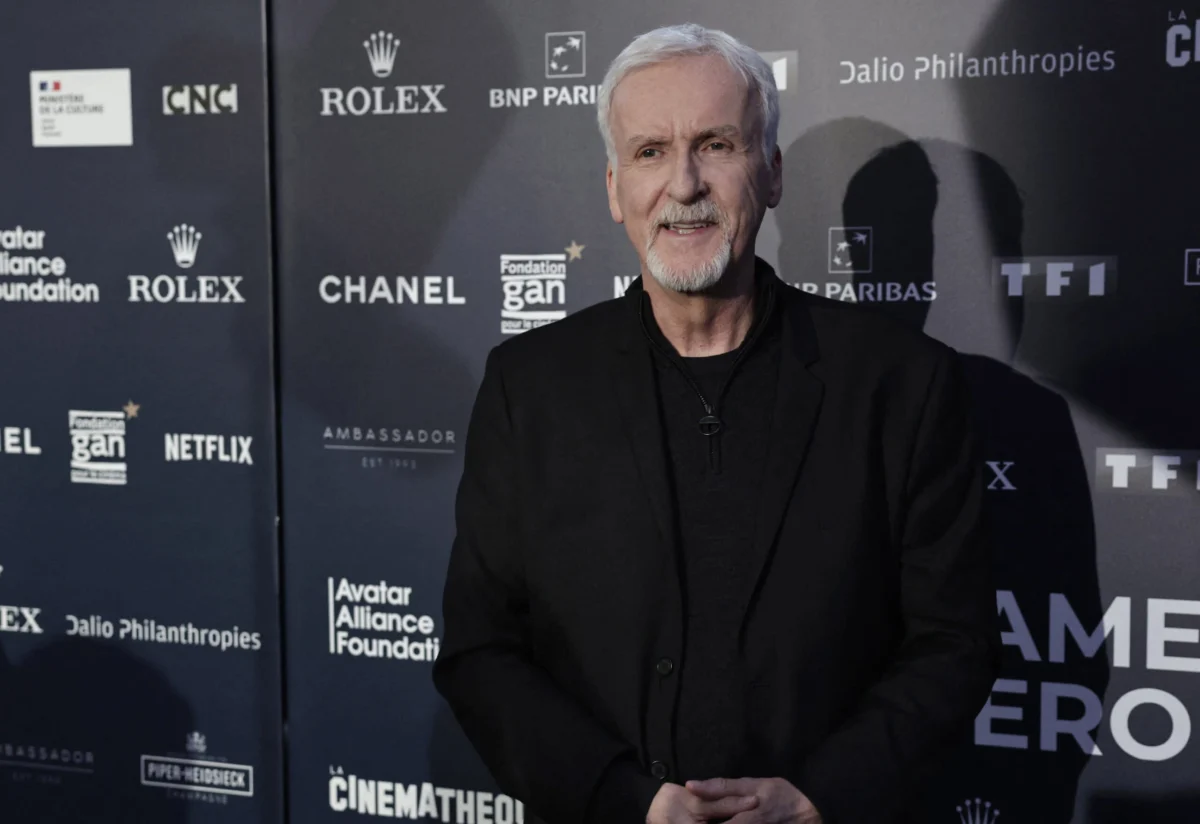
Legendary filmmaker James Cameron has issued a stark warning to federal lawmakers, characterizing the potential acquisition of Warner Bros. Discovery’s film studio by Netflix as a catastrophic event that could render the traditional theatrical experience a "sinking ship." In a detailed letter addressed to Senator Mike Lee (R-Utah), Chairman of the Senate Subcommittee on Antitrust, Competition Policy, and Consumer Rights, the Academy Award-winning director of Titanic and Avatar argued that the proposed merger threatens to dismantle the foundation of the American motion picture industry, leading to significant job losses and a permanent decline in the quality and variety of cinematic releases.
The letter, obtained by CNBC and reported here with additional context, marks a significant escalation in the industry-wide resistance to the consolidation of Hollywood’s "Big Five" studios. Cameron’s intervention follows a high-stakes Senate hearing held on February 3, where Netflix co-CEO Ted Sarandos and Warner Bros. Discovery (WBD) executive Bruce Campbell testified regarding the competitive impacts of the transaction. For Cameron, the deal is not merely a corporate reshuffling but a fundamental threat to the art form he has championed for over four decades.
A Direct Appeal to the Senate Subcommittee
In his correspondence to Senator Lee, Cameron expressed a profound professional and personal concern regarding the fate of Warner Bros., one of the oldest and most storied institutions in global cinema. "I believe strongly that the proposed sale of Warner Brothers Discovery to Netflix will be disastrous for the theatrical motion picture business that I have dedicated my life’s work to," Cameron wrote. While acknowledging that his films eventually reach audiences through streaming and home video, he emphasized that his "first love is the cinema," a medium he believes Netflix is structurally incentivized to undermine.
Senator Lee responded to the growing chorus of opposition from the creative community, noting that his office has received significant outreach from actors, directors, and industry stakeholders. "I share many of their concerns," Lee stated, confirming that a follow-up hearing would be necessary to address the long-term implications of allowing a streaming giant to absorb a legacy theatrical studio. The subcommittee’s scrutiny focuses on whether such a merger would stifle competition, reduce the volume of theatrical releases, and ultimately harm the consumer by limiting choices.
The Core of the Conflict: Streaming vs. Cinema
The tension at the heart of the Netflix-WBD deal lies in the divergent business models of the two entities. Warner Bros. has historically operated on a "windowing" model, where films are released exclusively in theaters for a set period—typically 45 to 90 days—before moving to digital purchase and eventually streaming. This model supports the financial health of theater chains like AMC and Regal and provides a cultural "event" status to major releases.
Conversely, Netflix’s primary objective is the growth and retention of its 325 million global subscribers. Historically, the company has favored "day-and-date" releases or very limited theatrical runs designed primarily to qualify films for Academy Award consideration. Cameron pointed to previous comments by Ted Sarandos, who has described movie theaters as an "outdated concept" and an "outmoded idea."
"The business model of Netflix is directly at odds with the theatrical film production and exhibition business, which employs hundreds of thousands of Americans," Cameron argued in his letter. He noted that Warner Bros. currently releases approximately 15 theatrical films annually—a volume that is critical to the survival of exhibition circuits. If Netflix were to pivot these titles to a streaming-first strategy, the resulting vacuum in theater lobbies could lead to a wave of cinema closures across the United States.
A Chronology of Consolidation and Crisis
The proposed acquisition comes at a volatile time for Hollywood. The industry is still reeling from the dual strikes of the Writers Guild of America (WGA) and SAG-AFTRA in 2023, which halted production for months and highlighted deep-seated anxieties regarding streaming residuals and artificial intelligence.
The timeline of the current transaction reflects a broader trend of media consolidation:
- December 2025: Initial reports surface of Netflix’s interest in acquiring WBD’s studio assets as WBD seeks to manage a massive debt load following its 2022 merger of WarnerMedia and Discovery Inc.
- January 2026: Netflix executives confirm during earnings calls that they view the acquisition as a way to scale their content library and production infrastructure.
- February 3, 2026: The Senate Subcommittee on Antitrust holds its first hearing. Ted Sarandos defends the deal as "pro-consumer" and "pro-worker," promising continued investment in American production.
- Late February 2026: James Cameron’s letter is delivered to Senator Lee, amplifying the concerns of "below-the-line" workers and high-profile creators.
This potential merger follows the 2019 acquisition of 21st Century Fox by Disney, a move that reduced the number of major studios and led to thousands of layoffs. Critics argue that the Netflix-WBD deal would further shrink the marketplace for independent filmmakers and mid-budget dramas, which are increasingly sidelined in favor of "content" designed for algorithmic appeal.
Netflix’s Defense: Investment and Job Preservation
In response to the mounting criticism, Netflix has launched a robust public relations and legal defense. In written testimony, the company outlined plans to spend $20 billion on film and television production in 2026, with a significant portion allocated to domestic projects. Sarandos has argued that the acquisition would actually preserve jobs by providing financial stability to Warner Bros. assets that might otherwise face austerity measures under WBD’s current debt-laden structure.
"We’re going to need those teams, these folks that have extensive experience and expertise," Sarandos said during a recent earnings call. "We want them to stay on and run those businesses. So we’re expanding content creation, not collapsing it in this transaction."

Furthermore, Netflix has made verbal commitments to maintain a 45-day theatrical window for certain Warner Bros. titles. They argue that their acquisition of production facilities, including major hubs in New Mexico and a planned studio in New Jersey, proves their commitment to the physical infrastructure of filmmaking. However, Cameron remains skeptical, suggesting that once the acquisition is finalized, these promises could "evaporate" as the company prioritizes its subscription revenue over box office returns.
The Broader Economic and Cultural Impact
Beyond the artistic debate, the merger raises significant questions regarding American trade and cultural exports. Cameron’s letter touched upon the geopolitical importance of Hollywood, noting that while the U.S. may have lost its dominance in sectors like auto manufacturing or steel, it remains the undisputed world leader in filmed entertainment.
"The US… is still the world leader in movies," Cameron noted. He warned that under a Netflix-WBD merger, "That will change for the worse." The concern is that a streaming-centric model focuses on "globalized" content that may lack the cultural specificity and prestige of traditional American cinema, potentially weakening the "soft power" that Hollywood exerts globally.
The economic implications are equally vast. The film and television industry supports approximately 2.4 million jobs in the U.S. and pays out $186 billion in total wages annually. Industry analysts suggest that a merger of this scale would inevitably lead to "synergies"—a corporate euphemism for the elimination of redundant roles in marketing, distribution, and administration.
Regulatory Scrutiny and the Paramount Skydance Rivalry
The Netflix-WBD deal does not exist in a vacuum. It has triggered a "hostile tender offer" from Paramount Skydance, which is attempting to block Netflix by buying WBD in its entirety. This rival bid highlights the desperation of legacy media companies to achieve the scale necessary to compete with tech-driven platforms.
Regulators are also examining the data privacy and pricing implications of the deal. A combined entity would control the data of nearly half a billion subscribers worldwide. Critics worry that such a monopoly on viewing habits would give Netflix unprecedented power to dictate what projects get greenlit, based solely on predictive algorithms rather than creative merit.
Lawmakers like Senator Lee are particularly interested in how the merger would affect consumer pricing. With HBO Max (128 million subscribers) and Netflix (325 million subscribers) under one roof, the incentive to raise subscription fees while reducing the overall volume of new content would be high.
The Technical and Creative Vision at Stake
James Cameron’s opposition is particularly poignant given his history as a technical pioneer. He has spent his career developing 3D production systems, high-frame-rate (HFR) technologies, and advanced visual effects—all of which are designed to be experienced on the largest screens possible with state-of-the-art sound systems.
In his letter, Cameron argued that the "creative vision" of filmmakers is inextricably linked to the theatrical environment. He expressed fear that the shift to streaming would lead to a "de-skilling" of the industry, where the technical rigors required for the big screen are sacrificed for the "good enough" standards of home mobile devices and televisions.
"Once they own a major movie studio, that is irrevocable," Cameron warned. "That ship has sailed (as I like to say, mindful that I directed ‘Titanic.’ I am very familiar not only with ships that sail, but also those that sink. And the theatrical experience of movies could become a sinking ship.)"
Conclusion: An Irrevocable Shift in Hollywood’s Foundation
As the Senate Subcommittee prepares for further hearings, the debate over the Netflix-Warner Bros. Discovery merger has become a proxy for the future of the American film industry. On one side stands the "disruptor" model—data-driven, subscription-focused, and tech-heavy. On the other stands the traditional "studio" model—theatrical-first, legacy-driven, and centered on the communal experience of the cinema.
The outcome of this regulatory battle will likely determine whether Hollywood remains a diverse ecosystem of competing studios or becomes a consolidated landscape dominated by a few digital platforms. For James Cameron, the stakes could not be higher. His letter serves as a reminder that while technology evolves, the cultural and economic pillars of the movie business are fragile. If the "sinking ship" of the theatrical experience does indeed go under, the ripples will be felt far beyond the shores of Southern California, affecting workers, consumers, and the very nature of American storytelling for generations to come.