



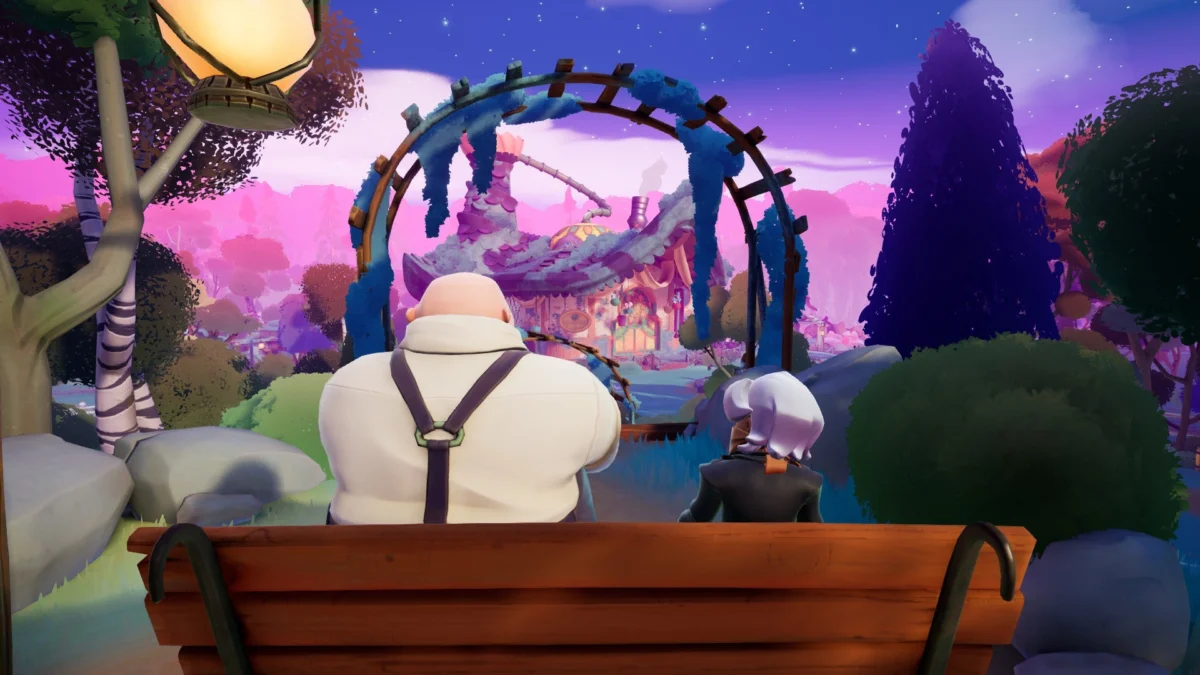
Ivy Road, the independent game development studio founded by high-profile industry veterans responsible for seminal titles such as The Stanley Parable, Gone Home, and Minecraft, has officially announced its closure. The decision follows a period of unsuccessful negotiations to secure financial backing for the studio’s second project, titled Engine Angel. Despite the critical success of its debut release, Wanderstop, the studio confirmed that it was unable to find a publishing partner in a climate described as "particularly tough" for game development funding. While the studio’s operations are ceasing, a final collaboration with Annapurna Interactive is currently in development to extend the reach of Wanderstop to new audiences.
The dissolution of Ivy Road marks a significant moment for the indie development scene, as the studio was widely regarded as a "supergroup" of narrative-driven talent. Founded by Davey Wreden, the creator of The Stanley Parable, and Karla Zimonja, a co-founder of Fullbright and a key figure behind Gone Home, the studio aimed to push the boundaries of "cozy" and narrative-centric gaming. Their sole released title, Wanderstop, launched approximately one year ago to positive critical reception, currently maintaining an 80 score on the review aggregator Metacritic. However, critical acclaim did not insulate the company from the volatile economic realities currently facing the global interactive entertainment industry.
The Struggle for Sustainability and the Fate of Engine Angel
The primary catalyst for the studio’s closure was the inability to secure a deal for Engine Angel, a concept led by studio member Liz Ryerson. In a public statement detailing the situation, the Ivy Road team expressed profound disappointment that the project would not see the light of day under the current studio structure. The team spent considerable time "shopping the concept around" to various publishing partners, but the search for a sustainable investment deal ultimately proved fruitless.
"It’s hard to put into words how thankful we are to have been able to work together on Wanderstop—this is an incredible group of people," the studio stated. "While we had a new project, Engine Angel, that we were excited about, unfortunately the funding didn’t come to fruition and the studio had to shut down. It’s a particularly tough time for raising game funds, so while we weren’t necessarily surprised, we are disappointed."
The studio’s leadership noted that the decision was not a reflection of the creative merit of Engine Angel, which they described as an "incredible" concept. Instead, they pointed to the broader industry-wide contraction that has made venture capital and publishing agreements increasingly rare for mid-sized independent projects. While Ivy Road as a legal entity is closing, the developers expressed hope that the intellectual property or the core concepts of Engine Angel might eventually be realized in another form or under a different banner in the future.
One Last Surprise: The Annapurna Partnership
Despite the cessation of active development on new projects, Ivy Road has revealed that it is not quite finished with its existing catalog. The studio announced that it has been working for the past year on a final initiative intended to bring Wanderstop to a wider audience. This "last surprise" is being managed in coordination with Annapurna Interactive, the publisher of Wanderstop known for its curated portfolio of artistic and narrative-heavy games.
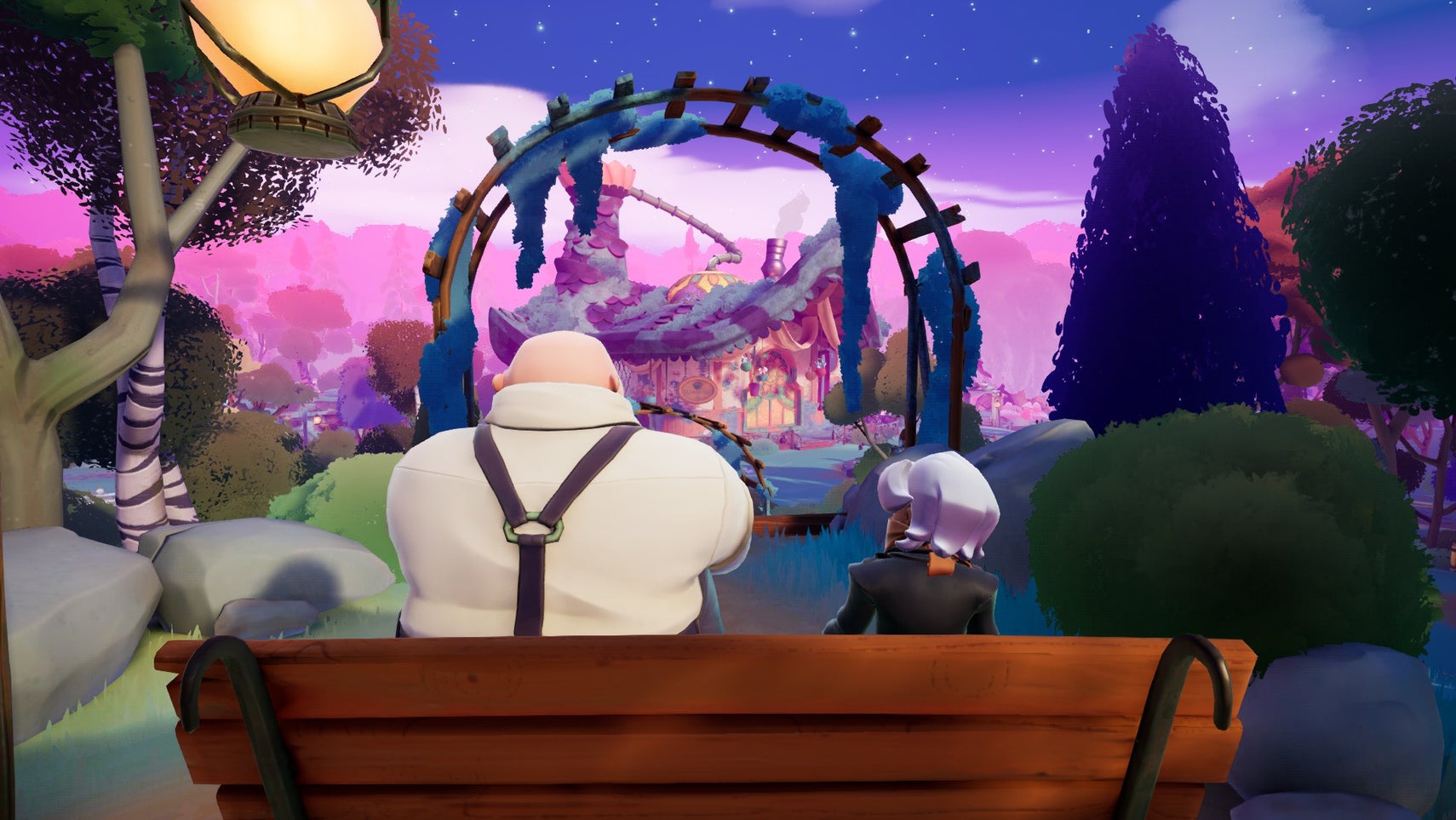
While specific details regarding this surprise remain under wraps, industry analysts speculate that it could involve a port to new platforms, such as mobile devices or additional console ecosystems, or perhaps a physical release for collectors. Annapurna Interactive is expected to share further news regarding this project in the coming months. In a final gesture to their existing player base, Ivy Road also released a "Chapter Select" cheat for Wanderstop. This feature is designed to assist players who may have encountered progression issues or who wish to revisit specific narrative beats without replaying the entire game, ensuring the title remains accessible even as the studio fades from the scene.
Wanderstop was praised by critics for its subversion of the "cozy game" genre. While it presented as a charming management simulation about running a tea shop, it incorporated deeper, more sincere explorations of trauma and mindfulness. Eurogamer’s review of the title described it as "warm-hearted, funny, and never less than sincere," noting that while it may have been less successful as a literal tool for mindfulness, it was an exceptional "vehicle for storytelling."
A Pedigree of Narrative Innovation
The closure of Ivy Road is particularly poignant given the historical impact of its founders. Davey Wreden’s work on The Stanley Parable redefined the "walking simulator" genre by introducing meta-fictional elements and a focus on player agency—or the illusion thereof. Similarly, Karla Zimonja’s contributions to Gone Home helped establish environmental storytelling as a pillar of modern indie games. The combination of these creative forces, along with talent from the Minecraft team, suggested that Ivy Road would be a long-term fixture in the industry.
The studio’s philosophy centered on the intersection of technical skill and emotional investment. In their farewell statement, the team emphasized that making games requires a delicate balance of financial support and "serendipitous timing." They noted that they were proud to have created a work that was experienced by hundreds of thousands of players worldwide, hoping that their journey would inspire others to pursue creative endeavors in art, music, and software development.
Contextualizing the Industry-Wide Downturn
The shuttering of Ivy Road does not occur in a vacuum; it is part of a staggering trend of layoffs and studio closures that has plagued the video game industry since 2024. According to industry tracking data, the first three months of 2026 alone have seen at least 3,000 developers lose their jobs. This follows a devastating 2025, during which approximately 5,300 industry professionals were displaced, and a 2024 that saw nearly 15,000 layoffs.
To date in 2026, at least 13 studios have been forced to shut down entirely. The reasons cited by Ivy Road—lack of funding and a difficult publishing market—are becoming common refrains among independent and AA developers. The "survivability" era of game development, as some analysts have termed it, has seen a shift where even studios with high Metacritic scores and veteran leadership struggle to find the capital necessary to sustain multi-year development cycles.
The high cost of living, rising interest rates, and a saturated market have made investors more risk-averse. For a studio like Ivy Road, which specialized in "narrative-centric" games that do not always follow traditional live-service or high-monetization models, the path to sustainability has become increasingly narrow. The closure serves as a stark reminder that critical success and a high-profile pedigree do not always translate to financial security in the current economic climate.

Analysis of Implications for the Indie Sector
The loss of Ivy Road raises questions about the future of the "prestige indie" sector. For years, publishers like Annapurna Interactive, Devolver Digital, and Finji have championed games that prioritize artistic expression over mass-market appeal. However, as the cost of producing high-fidelity indie games rises, the margin for error shrinks.
If a studio comprised of the creators of The Stanley Parable and Gone Home cannot secure funding for a second project, it suggests a systemic barrier for smaller, less-established teams. This may lead to a further "thinning of the ranks" in the indie space, where only the most commercially safe or extremely low-budget projects are able to secure the necessary resources to reach completion.
Furthermore, the reliance on a single "last surprise" through a publisher like Annapurna highlights the importance of strong platform and publishing partnerships. Without the continued support of Annapurna, it is unlikely that Wanderstop would have the opportunity to reach new players post-closure. This dependency underscores the precarious nature of independent development, where the end of a studio’s life does not necessarily mean the end of its games, provided there are partners willing to maintain the legacy.
Conclusion and Final Reflections
Ivy Road’s departure from the industry is a loss of a creative collective that prioritized sincerity and emotional depth. Their final statement reflected a sense of pride in their accomplishments despite the premature end of the studio: "We are so proud that we got to create something together as a team that was ultimately experienced by hundreds of thousands of players."
As the industry moves deeper into 2026, the focus for many developers has shifted from expansion to mere preservation. The story of Ivy Road—one of high ambitions met by harsh economic realities—is likely to be repeated as the sector continues to recalibrate. For now, fans of Wanderstop can look forward to the "last surprise" brewing at Annapurna, a final chapter for a studio that sought to bring a little more mindfulness and heart to the world of interactive entertainment. The "Chapter Select" feature remains a parting gift, a way for the community to keep the tea shop open even after the lights have gone out at the studio.