



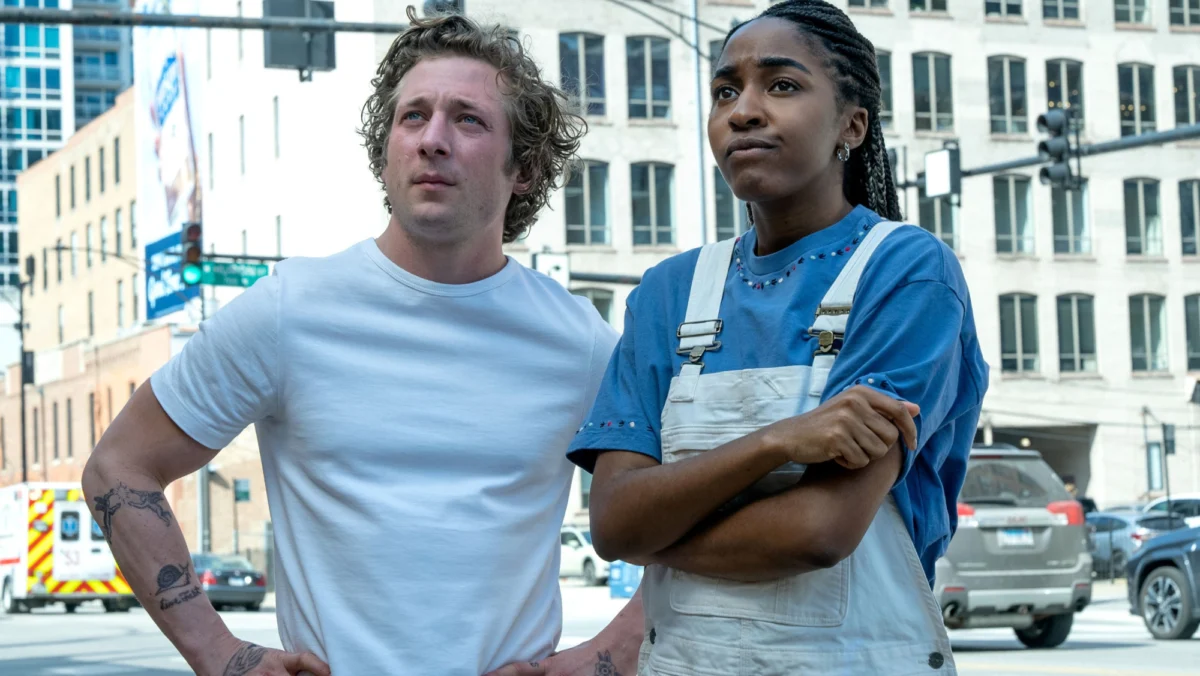
The state of Illinois is solidifying its position as a burgeoning hub for film and television production, demonstrating a remarkable ascent in capturing a significant share of Hollywood’s expenditure. This growing prominence is fueled by a strategic combination of robust state incentives, a diverse array of independent films, high-profile series, and streaming shows, alongside the enduring success of its established productions. The consistent performance of the long-running "Chicago" franchise — including Chicago Med, Chicago Fire, and Chicago P.D. — now exceeding a decade on air and regularly drawing over 6 million viewers for crossover events on NBC, serves as a powerful testament to the state’s capacity to host and sustain major network productions.
A Surge in Spending: Illinois Reaches All-Time Highs
Illinois’ trajectory in the entertainment industry is underscored by impressive financial figures. The state’s film production expenditure is projected to reach an unprecedented $703 million in 2025. This marks a substantial increase from the pre-pandemic figure of $560 million recorded in 2019, an achievement proudly shared by the office of Governor JB Pritzker with The Hollywood Reporter, hailing it as an "all-time high" for the state. This declaration is corroborated by independent industry analytics. ProdPro, a leading tracker of production data, reported a significant 46 percent surge in production spend in Illinois during the fourth quarter of last year, totaling $240 million. Concurrently, the state’s filming count experienced a remarkable 70 percent year-over-year growth in the same quarter, indicating a rapid expansion of activity.
This accelerated growth places Illinois in an elite category among states actively vying for film production. For context, this rate of increase in filming count mirrors the momentum observed in New Jersey, often dubbed "Hollywood East," which saw its shoots escalate by 75 percent in the fourth quarter of last year, according to ProdPro. While New Jersey is making headlines with forthcoming major studio soundstage bases from industry giants like Paramount, Netflix, and Lionsgate, and currently boasts a higher overall production spend, Illinois’s comparative growth rate highlights its aggressive push and effectiveness in attracting new projects. The ability to grow at such a pace, even without the immediate presence of several new mega-studio complexes, speaks volumes about Illinois’s current appeal and future potential.
The Anchors of Success: Long-Running Series and Diverse Productions
The foundation of Illinois’s production success rests significantly on its ability to foster and retain long-running series, which provide stability and continuous employment for local crews. Dick Wolf’s Chicago procedurals — Chicago Med, Chicago Fire, and Chicago P.D. — are prime examples. These shows, deeply embedded in the state’s production landscape, have not only provided consistent work for thousands but have also created a robust ecosystem of skilled professionals and support services. Their enduring popularity and viewership figures on a major broadcast network underscore the viability and appeal of Illinois as a filming location for high-volume, long-term productions.
Beyond these broadcast stalwarts, Illinois has successfully diversified its portfolio by attracting a host of premium cable and streaming shows, showcasing its versatility. This includes critically acclaimed series such as Paramount+’s The Chi, which is currently filming its eighth and final season, and FX’s Emmy-winning sensation The Bear, now in production for its fifth and final season. The state has also hosted three seasons each of HBO’s poignant comedy Somebody Somewhere and Starz’s popular drama Power Book IV: Force. This mix of genres and platforms demonstrates Illinois’s broad appeal across different segments of the entertainment industry, from gritty dramas to character-driven comedies, and its capacity to cater to varied production needs and artistic visions. The consistent return of these shows for multiple seasons further cements Illinois’s reputation as a reliable and attractive production environment.
Economic Ripple Effects: Jobs, Wages, and Local Prosperity
The surge in film production expenditure in Illinois translates directly into significant economic benefits for the state and its residents. The governor’s office reported a substantial increase in film industry wages, climbing from $350 million in 2019 to $401 million in 2025. This rise in wages reflects not only more employment opportunities but also potentially higher compensation for skilled workers within the industry.
Furthermore, the number of hires in the film sector, excluding background actors, has grown from 15,200 in 2019 to 18,100 in 2025. This increase of nearly 3,000 jobs signifies a robust expansion of the workforce directly employed in production. These jobs span a wide range of highly skilled professions, including directors, cinematographers, grips, gaffers, set designers, costume designers, sound engineers, editors, and production coordinators, among many others. The growth in these specialized roles creates a deeper talent pool within the state, making it even more attractive for future productions.
The impact extends beyond the core crew. Data from Everyset, a prominent entertainment industry payroll processor, indicates that Illinois saw "large growth" in booked extras jobs last year. Background actors, while often temporary, represent a vital component of film production and their increased engagement is a strong indicator of overall heightened activity and local job creation.
The economic benefits ripple throughout local communities. Film productions require extensive support services, including catering, transportation, lodging, equipment rentals, construction materials, and local retail purchases. This influx of activity stimulates local businesses, generates tax revenue, and fosters a vibrant economic ecosystem that extends far beyond the immediate confines of the film set. Governor Pritzker underscored this broader impact, stating, "By investing in our workforce, expanding our film tax credit, and building world-class production infrastructure, Illinois is creating good union jobs and attracting major productions from across the industry." This commitment to "good union jobs" also highlights the state’s support for organized labor within the entertainment sector, providing stable, well-compensated employment opportunities.
Strategic Incentives: The Power of Illinois’ Film Production Tax Credit
A cornerstone of Illinois’s strategy to attract and retain film productions is its robust Film Production Tax Credit. This incentive program was significantly bolstered in December when Governor Pritzker signed Senate Bill 1911 into law. The updated legislation enhances an already attractive program, offering a 35 percent credit on qualified in-state spending. Crucially, the bill also extends the program through 2039, providing long-term predictability and stability that is highly valued by production companies making multi-year investment decisions.
The 35 percent tax credit makes Illinois highly competitive in a landscape where states aggressively use financial incentives to lure productions. This credit significantly reduces the overall cost of filming in Illinois, making it a more financially viable option for studios and independent producers alike. Qualified spending typically includes a wide range of production expenses, such as crew wages, equipment rentals, location fees, set construction, and post-production services, as long as these expenditures occur within the state. The long-term extension of the credit through 2039 signals a strong, sustained commitment from the state government to the film industry, reassuring potential investors and producers that Illinois intends to remain a reliable and supportive production environment for years to come. This commitment is a critical factor for major studios and long-running series when deciding where to establish their production bases.
Building the Future: Soundstages and Infrastructure Investment
Recognizing that incentives alone are not sufficient, Illinois is also making substantial investments in critical production infrastructure, particularly soundstages. These purpose-built facilities are essential for large-scale productions, offering controlled environments for filming, ample space for sets, and advanced technical capabilities. The expanded incentives directly underpin these infrastructure bets being made across the state.
Among the notable projects is Hollywood River Studios, an ambitious development in Wood River, Southern Illinois, planned as a complex featuring six state-of-the-art soundstages. This project represents a significant private investment spurred by the state’s supportive policies. Chris Breakwell, the developer behind Hollywood River Studios, explicitly stated, "The governor and the legislature focusing on and enhancing the Illinois film tax credit is the main reason my group is investing." This direct correlation between state policy and private investment underscores the effectiveness of Illinois’s strategy.
Other key infrastructure developments include Flyover Film Studios in Rantoul, which has already hosted various Tubi and independent projects, demonstrating its operational readiness and appeal to diverse productions. Additionally, Rockline Studios in Rock Island is currently in development, further expanding the state’s capacity. These facilities are not just buildings; they are critical enablers of sustained production activity, allowing multiple projects to film simultaneously, offering secure storage for equipment, and providing specialized areas for various production needs, from costume design to post-production. The availability of modern soundstage space is increasingly a prerequisite for attracting major studio and streaming projects, and Illinois’s proactive approach in this area positions it strongly for future growth.
Navigating a Competitive Arena: Illinois Versus Other Production Hubs
The competition for film and television productions has intensified into a high-stakes global race, with states and countries offering increasingly attractive incentives. Illinois’s success is particularly noteworthy when viewed against the backdrop of fluctuating fortunes in other established and emerging production hubs.
New Jersey: A Rising Peer
As mentioned, New Jersey, dubbed "Hollywood East," shares Illinois’s momentum in filming count growth. However, New Jersey’s strategy is currently focused on attracting massive, anchor studio developments from Paramount, Netflix, and Lionsgate. While Illinois’s overall production spend is currently lower than New Jersey’s projected figures, its rapid growth in filming count indicates a strong competitive position for attracting projects, particularly those not requiring the largest, purpose-built studio campuses from the outset. Illinois’s ability to compete with a state making such significant infrastructure plays speaks to the potency of its tax credit and existing infrastructure.
Lessons from Georgia and New Mexico: The Volatility of Incentives
The experiences of Georgia and New Mexico serve as cautionary tales regarding the volatility of the production landscape. Georgia, once a dominant force, heavily invested in infrastructure but has seen a significant decline in production activity. Its spending plummeted from a peak of $4.4 billion in 2022, hosting 412 productions, to an estimated $2.3 billion across 245 projects in 2025. Major departures, such as Marvel Studios shifting production from Atlanta to incentives in the United Kingdom, highlight how even robust infrastructure cannot guarantee sustained activity if incentives or other factors become less favorable.
Similarly, New Mexico, despite Netflix’s substantial investment in Albuquerque and its status as the home of Vince Gilligan’s acclaimed TV universe (Breaking Bad, Better Call Saul, El Camino: A Breaking Bad Movie) and AMC’s Dark Winds, has also experienced a downturn. Production spending peaked at $855.4 million in 2022 – a period characterized by a surge in Hollywood studios’ spending on original streaming content – but subsequently dropped to $323 million in fiscal 2025. The state’s film office attributed this decline to an "industry-wide contraction in productions." These examples underscore the challenges of maintaining growth in a dynamic industry and highlight Illinois’s current ability to buck this contraction trend.
The Giants: California and New York Face New Headwinds
Even the traditional giants, California and New York, face their own set of challenges despite boasting the largest incentive programs in the U.S., capped at $750 million and $800 million annually, respectively. These states have long aggressively courted projects from each other and the rest of the country. Yet, even in a comparatively "down year" like last year, California’s trailing twelve-month production spend, while massive at $5.75 billion (approximately $5 billion more than Illinois), is showing signs of decline in both filming count and overall spend. This trend is causing concern among production advocates in Los Angeles, who argue for reduced red tape to encourage projects to stay.
California Governor Gavin Newsom has been proactive in expanding the state’s film and TV incentives to protect Hollywood’s historic home. Recent efforts include doling out $128 million each in tax credits on March 18 to Disney and Warner Bros. Discovery for various projects, including the Family Guy spinoff Stewie, the drama The Pitt, and the comedy I Love LA. However, despite these significant efforts, Los Angeles has witnessed a concerning drop in soundstage occupancy, falling from 96 percent in 2016 to 62 percent in the first half of 2025. Studio operators without long-term anchor tenants are finding it increasingly difficult to fill these spaces, emphasizing the critical importance of consistent, long-running productions like the Chicago Med franchise that Illinois successfully hosts.
Looking Ahead: Sustaining Growth and Future Prospects
Illinois’s strategic investments in its film production tax credit, coupled with the development of new soundstage infrastructure and the proven ability to attract diverse, high-profile productions, position the state favorably for sustained growth. The commitment from Governor Pritzker’s administration to foster a thriving entertainment industry, alongside the organic success of its resident shows, creates a powerful synergy.
However, the industry remains highly competitive and susceptible to broader economic shifts and changes in streaming platform strategies. To maintain its upward trajectory, Illinois will need to continue adapting its incentive programs, ensuring its workforce remains skilled and competitive, and further expanding its infrastructure to meet evolving industry demands. The long-term extension of the tax credit through 2039 provides a crucial foundation, signaling stability and an enduring commitment.
The state’s burgeoning film industry not only contributes significantly to its economy through job creation and increased spending but also enhances Illinois’s cultural profile and global recognition. By consistently attracting a mix of established network hits and critically acclaimed streaming series, Illinois is demonstrating that it is not merely a transient filming location but a deeply integrated and increasingly indispensable player in the global entertainment production landscape. The message, as articulated by Governor Pritzker, is unequivocally clear: "Illinois is a top destination to make movies and television."