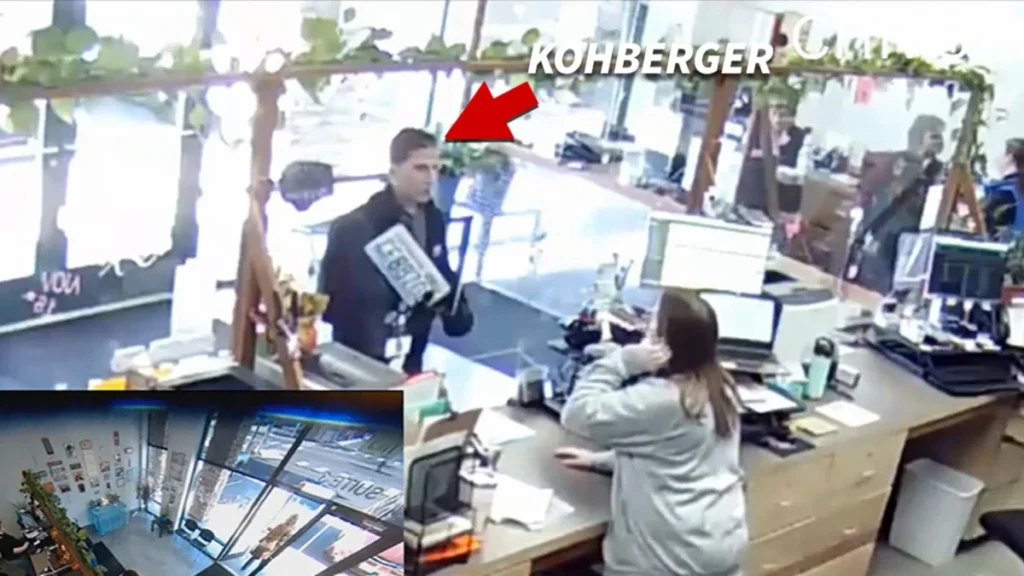



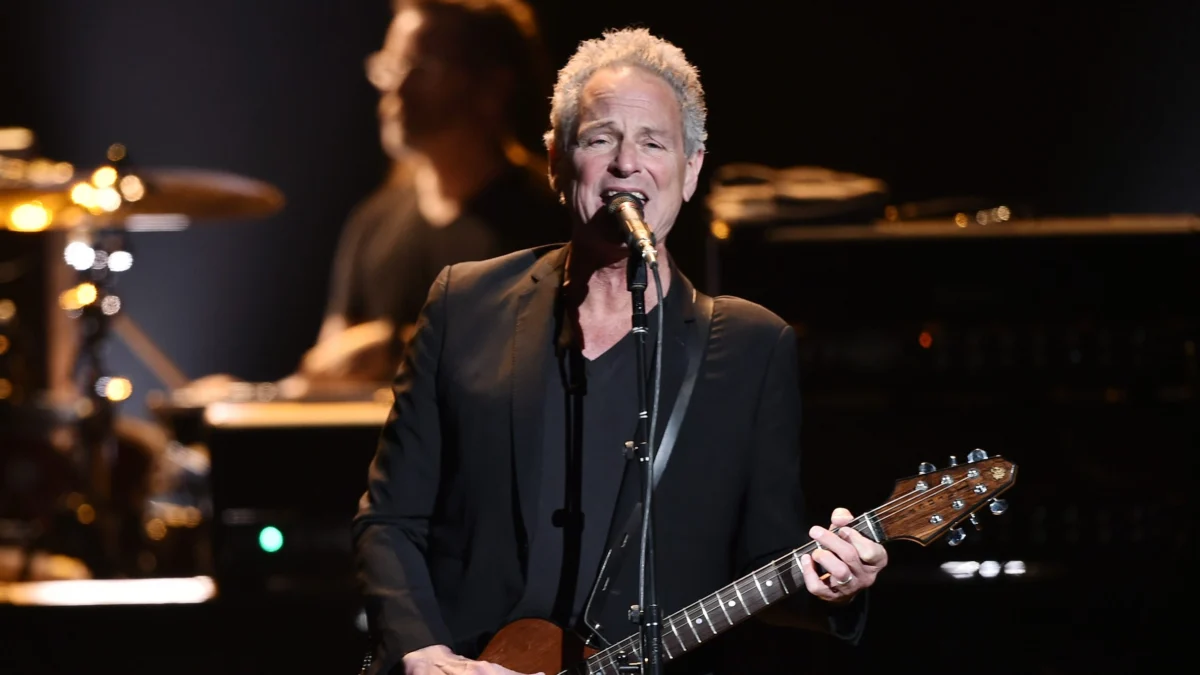
Legendary musician Lindsey Buckingham, the acclaimed guitarist and former frontman of Fleetwood Mac, was reportedly assaulted on March 25, 2025, in Santa Monica, California, when an assailant threw an unknown substance on him. The incident, which has drawn significant attention due to its high-profile victim and the disturbing nature of the attack, has intensified an already complex and long-running legal and personal saga involving Buckingham and Michelle Dick, a 54-year-old woman who claims to be his biological daughter and against whom Buckingham secured a restraining order in late 2024. While Dick has not been arrested in connection with the recent attack, she has publicly admitted to a local news station that she visited Buckingham just days prior to the reported assault, adding a chilling layer to the ongoing investigation.
The Recent Attack and Initial Response
The assault on the 76-year-old artist occurred as he was arriving at a scheduled appointment in Santa Monica. According to multiple reports, a woman approached him and hurled an "unknown substance" in his direction. The details surrounding the substance, its potential harm, and the immediate aftermath of the incident remain under active investigation. News of the attack did not immediately surface, with initial reports emerging more than a week after the March 25 event, raising questions about the delay in public disclosure and the ongoing efforts to identify and apprehend the perpetrator.
Authorities in Los Angeles have identified the woman involved as a "stalking suspect" who is reportedly well-known to Buckingham and his family from a series of past, troubling incidents. The Santa Monica Police Department (SMPD) and the Los Angeles Police Department’s (LAPD) Threat Management Unit have launched a joint investigation into the matter, signaling the serious nature of the case and the multi-jurisdictional implications of the suspect’s alleged activities. The LAPD, in a statement to The Hollywood Reporter on a Thursday following the public emergence of the news, confirmed their involvement: "The Los Angeles Police Department’s Threat Management Unit is working with the Santa Monica Police Department to investigate this incident. To protect the integrity of the open and ongoing investigation, no further comment will be provided at this time." This collaborative effort underscores the complexity often inherent in cases involving celebrity stalking, where patterns of behavior may span different locales and require specialized law enforcement expertise.
A History of Harassment and Legal Action
The March 2025 assault is not an isolated incident but rather the latest escalation in a prolonged and disturbing pattern of alleged harassment directed at Lindsey Buckingham and his family by Michelle Dick. Court documents filed in Los Angeles in late 2024 reveal a comprehensive history of concerning behavior that ultimately led Buckingham to seek legal protection.
According to these legal filings, Dick, who steadfastly maintains her claim of being Buckingham’s biological child despite the lack of public confirmation or acknowledgment from the musician, had been observed repeatedly outside the Buckingham family’s Brentwood residence over several years. These unsolicited appearances were reportedly accompanied by a campaign of harassment that extended beyond physical proximity to include digital and telephonic intrusions. Buckingham’s wife, Kristen Messner, became a particular target, allegedly receiving menacing phone calls that contained explicit threats to her life. Furthermore, Dick reportedly made contact with Buckingham’s children through phone calls and social media platforms, intruding upon their personal lives and causing significant distress to the entire family.
A pivotal incident that spurred Buckingham to pursue legal action occurred when a 911 call reporting an injury inside the family home inadvertently led to Buckingham being handcuffed by responding officers. While the exact circumstances of this particular event remain somewhat opaque in public reporting, it served as a critical turning point, highlighting the severe disruption and distress Dick’s actions were causing the family and prompting the legendary guitarist to seek formal intervention from the courts. This incident underscored the unique challenges public figures face when dealing with persistent individuals, where even well-intentioned police responses can lead to unforeseen complications.
Initially, the Buckingham family, perhaps hoping the harassment would cease, chose not to press charges. However, the sustained nature of Dick’s alleged campaign eventually necessitated legal recourse. In November 2024, a detective from the LAPD’s Threat Management Unit provided crucial support for Buckingham’s petition for a restraining order in Los Angeles Superior Court. The detective’s testimony painted a stark picture, informing the judge that Dick genuinely believed she was Buckingham’s child and presenting evidence suggesting she was both dangerous and mentally unstable. This expert testimony likely played a significant role in the court’s decision to grant the restraining order, which typically mandates a specific distance the subject must maintain from the protected individuals and prohibits any form of contact. The legal framework surrounding such orders is designed to offer a layer of protection, yet their efficacy hinges on compliance, which can be particularly challenging when dealing with individuals whose actions may be driven by deeply held, albeit potentially unfounded, beliefs.
Michelle Dick’s Perspective and Circumstances
In the wake of the March 2025 attack, Michelle Dick engaged with KTLA reporter Sandra Mitchell, offering her perspective on the unfolding events and her relationship with Lindsey Buckingham. During the interview, Dick admitted to visiting Buckingham’s home "one time – that was last year," when questioned about past sightings. Crucially, she claimed ignorance regarding the restraining order against her, stating, "But I didn’t know I had a restraining order on me." This assertion, if true, would raise questions about the service of the legal document, though it is more commonly the case that individuals subject to such orders are duly informed.
Dick reiterated her conviction regarding her parentage during the interview, declaring, "He wasn’t a father to me, but he’s my birth father." This unwavering belief appears to be a central motivator for her actions, framing her persistent attempts at contact as a pursuit of familial connection rather than malicious intent, from her viewpoint. Her personal circumstances were also revealed, with Dick telling KTLA that she is currently living in her car. This detail, while not excusing her alleged actions, adds a layer of complexity to the narrative, hinting at potential underlying societal or mental health challenges that often intersect with cases of stalking and harassment. The LAPD’s confirmation that it is the lead agency in the investigation, citing Dick’s links to "other incidents in Los Angeles," further suggests a broader pattern of behavior that extends beyond her interactions with the Buckingham family.
The Broader Context of Celebrity Stalking
The plight of Lindsey Buckingham underscores a persistent and often underestimated threat faced by public figures: celebrity stalking. While the glamour and allure of fame are often celebrated, they invariably come with a darker side, attracting individuals who develop obsessive fixations. Stalking, legally defined in California as a pattern of conduct intended to harass or annoy that causes a reasonable person to fear for their safety or the safety of others, presents unique challenges when the target is a celebrity. The public nature of their lives, accessible through media and social platforms, can inadvertently provide information to those with harmful intentions.
Legal mechanisms like restraining orders are vital tools designed to offer protection. However, their effectiveness can be limited when confronted with individuals who either disregard legal mandates or whose actions are driven by severe mental health issues, making rational compliance difficult. Cases like Buckingham’s highlight the need for a multi-faceted approach involving vigilant law enforcement, responsive legal systems, and, where appropriate, consideration of mental health interventions to address the root causes of obsessive behavior. The emotional and psychological toll on victims and their families can be immense, leading to profound impacts on their sense of security, privacy, and overall well-being. The constant vigilance required, even after securing legal protections, can be a heavy burden for public figures like Buckingham, who are often forced to balance their professional lives with stringent personal safety measures.
Lindsey Buckingham’s Enduring Legacy
Lindsey Buckingham’s career is a testament to his profound impact on contemporary music, making him a figure whose personal safety concerns resonate deeply with fans and the broader industry. Born in October 1949, Buckingham joined Fleetwood Mac in 1974 alongside his then-girlfriend Stevie Nicks, a move that would redefine the band’s trajectory and usher in its most commercially successful era. His innovative guitar work, distinctive vocal style, and prodigious songwriting and production talents were instrumental in crafting the band’s iconic sound.
During his initial tenure with Fleetwood Mac, the band achieved unparalleled global success. Their 1975 self-titled album marked a significant turning point, followed by the monumental 1977 release, Rumours, which became one of the best-selling albums of all time, spawning the Billboard Hot 100 No. 1 hit, "Dreams." Other chart-topping albums during his time included Mirage (1982) and The Dance (1997), a live album that celebrated the classic lineup’s reunion.
Buckingham embarked on a successful solo career, releasing his debut album, Law and Order, in 1981, even while still a member of Fleetwood Mac. He has since released seven solo albums, showcasing his continued artistic evolution and eclectic musical vision. He first exited Fleetwood Mac in 1987 but returned in 1997, remaining with the band until his controversial dismissal in 2018. This departure led to a high-profile lawsuit against band members Stevie Nicks, Mick Fleetwood, Christine McVie, and John McVie, which was ultimately settled. Throughout his career, Buckingham has been celebrated for his intricate fingerstyle guitar playing, his complex arrangements, and his ability to fuse pop sensibilities with experimental sounds, solidifying his status as a rock and roll legend. The ongoing personal safety concerns thus cast a shadow over a distinguished career that has brought joy and inspiration to millions worldwide.
Looking Ahead: The Ongoing Investigation and Legal Path
The joint investigation by the LAPD’s Threat Management Unit and the Santa Monica Police Department is expected to meticulously gather evidence, including surveillance footage from the area of the assault, witness testimonies, and any forensic analysis of the "unknown substance" thrown at Buckingham. The fact that Michelle Dick has not yet been arrested for the March 25 attack indicates that authorities are likely building a comprehensive case, aiming for a robust prosecution that addresses both the recent assault and the pattern of alleged stalking behavior. This deliberate approach is crucial in cases involving repeat offenders and complex psychological factors.
Should Dick be found to have violated the existing restraining order by being in proximity to Buckingham or making contact, she could face charges of contempt of court, in addition to any potential assault charges related to the March 25 incident. The legal implications for Dick could be severe, potentially leading to significant penalties, including incarceration, especially given the history of alleged harassment and the documented concerns about her mental state.
For Lindsey Buckingham and his family, the path forward will undoubtedly involve heightened security measures and continued vigilance. The incident serves as a stark reminder that legal protections, while essential, are not always absolute deterrents against determined individuals. The broader impact of such events extends beyond the immediate victim, contributing to a societal dialogue about the protection of public figures, the limitations of the justice system in addressing complex cases involving mental health, and the profound personal cost of fame. As the investigation progresses, the public and the music world will be closely watching for updates, hoping for a resolution that ensures the safety and peace of mind for one of rock’s most enduring talents.