


Eight years ago, a vision began to form between four-time NBA champion Stephen Curry and executive producer and director Erick Peyton. Their shared ambition was to establish Unanimous Media, a production and multimedia company dedicated to creating and distributing content that resonated with families, faith, and sports enthusiasts. This endeavor, spanning films, books, podcasts, and more, has culminated in the release of GOAT, an original animated feature from Sony Pictures Animation, now captivating audiences in theaters. This project, a testament to their enduring collaboration, represents a significant milestone in their journey to bring authentic storytelling to a wider audience.
The genesis of Unanimous Media was rooted in a desire to explore diverse narrative avenues, with a particular focus on animation. Peyton elaborated on this long-held aspiration, stating, "I’m a bit of a dreamer, and Stephen is too. We had many goals we discussed when we started the company, and this was one of them: working on an animated film. It’s been about seven years in the making and, being some of the first producers on the project, it’s one that we will never forget.” This lengthy development cycle underscores the dedication and meticulous approach taken by Curry, Peyton, and the entire Unanimous Media team in bringing GOAT to fruition.

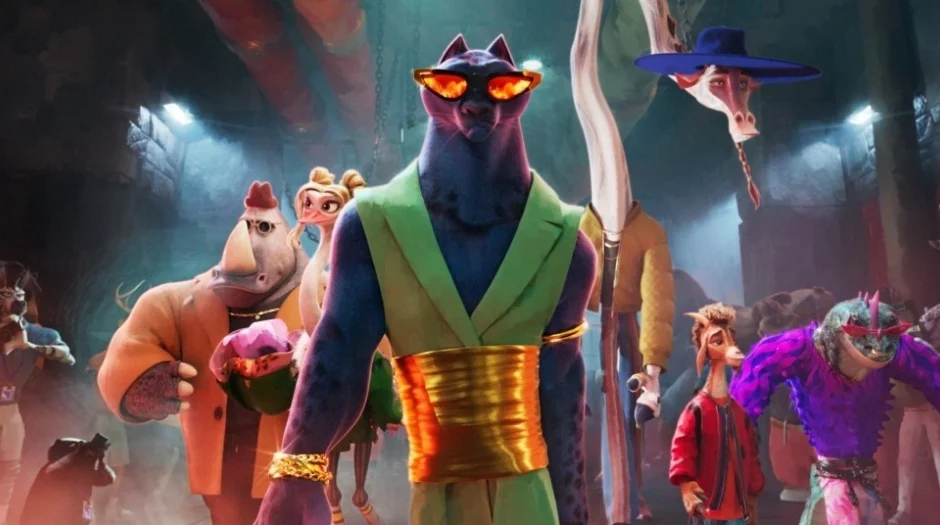
GOAT unfolds in a vibrant world populated entirely by animals, presenting an action-comedy narrative centered on Will Harris, a determined young goat voiced by Caleb McLaughlin. Will earns a coveted spot in "Roarball," a high-octane, co-ed sport that serves as the ultimate arena for the league’s fastest and fiercest animal athletes. The film masterfully weaves together elements of basketball culture, compelling music, cutting-edge fashion, and immersive animation, a hallmark of Sony Pictures Animation, the studio behind acclaimed projects such as Spider-Man: Across the Spider-Verse. The artistic pedigree of the film is further enhanced by the involvement of artists who contributed to KPop Demon Hunters, signaling a commitment to visual innovation.
The Unanimous Media Vision: Authenticity at its Core
The involvement of Stephen Curry and Erick Peyton in GOAT extends far beyond their roles as producers. Their deep understanding of basketball, honed through years of professional play and strategic oversight, was instrumental in ensuring the film’s authenticity. "Sony is one of the best studios in the world when it comes to animation, so our contribution was really centered around making sure the story was authentic to Stephen as an athlete and the game of basketball,” Peyton explained. This collaborative spirit allowed them to imbue the film with a genuine feel for the sport, influencing everything from thematic development and character arcs to visual design and cultural nuances.
A primary focus for the Unanimous team was the meticulous recreation of basketball plays and character movements. "We worked with the team on the film’s themes, character development, design, culture and all those things. But one of the first things we focused on was the basketball play and the movement within the characters. Our characters can go from two legs to four. And we spent a lot of time figuring out how the ball moves with a character like that. We wanted it to look as flashy as real-day professional basketball,” Peyton elaborated. This attention to detail is evident in every on-screen action, from intricate dribble moves to soaring dunks.

Recreating the "Step Back" and Beyond
The film’s commitment to realism is perhaps most vividly demonstrated in its portrayal of iconic basketball maneuvers. Every pass, crossover, and warm-up drill is meticulously crafted to reflect the actions of a real basketball player. Among the moves that Peyton and Curry are particularly proud of is the "step back," a fundamental offensive technique used by players to create separation from defenders and facilitate a clear shot.
“The step back is probably the most important because you really shouldn’t get it wrong if you’re trying to show real basketball,” Peyton emphasized. He noted the common inaccuracies found in older sports films where such moves are often performed by actors lacking genuine basketball experience. "One of my favorite moments from production was watching Stephen look at some early storyboards that featured a step back three, a type of jump shot, and he was just so impressed by how real it looked and how close it looked to him.” This validation from Curry, a master of the step-back himself, highlights the success of the animation team in capturing the essence of the move.
From Game Books to Volcanic Courts: Crafting Roarball Strategy
The authenticity of GOAT extends beyond individual player actions to encompass team strategies. The film’s plays are meticulously designed, drawing inspiration directly from the playbooks of real basketball coaches. To achieve this level of accuracy, NBA stars like Curry and Andre Iguodala actively participated in the production process. They utilized 3D-printed character models to meticulously map out team plays, providing animators and production designers with a clear understanding of how game action should be framed and which moves should be highlighted. This hands-on approach, combined with extensive video references, ensured that the on-court dynamics felt genuinely competitive and strategic.

"We used videos of lots of different players for reference and, luckily there’s no shortage of them,” Peyton remarked. He further highlighted the personal connection to the animation, stating, "But Will’s moves specifically are meant to mimic Stephen’s, so having him on the production to look things over was hugely important.” This direct involvement allowed the team to not only research basketball but also to delve into the specific mannerisms and nuances of individual players like Curry, adding a layer of personal authenticity to the character’s performance.
The challenge of translating basketball strategy to fantastical settings, such as volcanic courts or ice-covered arenas, was also addressed through the expertise of professional players. "The first step was figuring out, ‘Does this play even make sense?’ and then it was, ‘Does it still make sense when there’s a volcano erupting?’" Peyton recounted. "And then after that it’s like ‘How would a cat throw a behind-the-back pass?’” This iterative process of questioning and refining ensured that even in the most imaginative environments, the core principles of basketball remained intact and believable to fans of the sport.
The World of Roarball: Design, Culture, and Detail
Beyond the athletic realism, the world-building in GOAT is equally sophisticated, with a keen eye for detail that enhances its immersive quality. Even the design of the Roarball itself reflects a thoughtful approach to functionality within the animal kingdom. "We had to go through all these steps, even when it came to the way the ball was built. If you look at Will’s personal ball, it’s like a type of leather ball. Well, not leather, obviously. That would be an issue in the animal world. But it’s that kind of material. The roarball is this rubber ball, full of holes, built for all animals to be able to grip on to,” Peyton explained. This consideration for material properties within the narrative’s logic adds a subtle yet significant layer of believability.

The film’s visual landscape is a testament to a conscious effort to make the animal-inhabited sports world feel authentic, despite its fantastical elements. Peyton shared an anecdote about the film’s subtle world-building: "I think the funniest thing to me, that most people will probably miss, is when Will is in that big fancy hotel and hops on the bed, there’s another little, tiny bed. It’s the exact same bed but for tiny animals. Little details like that are just so cool. The whole city is designed to go from big to small. People may not notice it consciously, but it does help make this world feel authentic.” This attention to scale and design, from architecture to furnishings, contributes to a cohesive and believable environment.
Fashion, Flair, and the Influence of Basketball Culture
The film’s aesthetic is heavily influenced by the vibrant intersection of basketball culture, music, and fashion, a vision that director Tyree Dillihay meticulously curated. Peyton described this creative process: "Early in the process, Tyree made this montage or vision board of all these pictures of players like Allen Iverson and stickers and shoes. Tyree was like, ‘This is the movie. Everything needs to fit within this frame.’" This directive translated into characters who exude confidence and style, with meticulously designed wardrobes and transportation reflecting the aspirational elements of modern sports culture.
The emphasis on fashion is evident in the film’s depiction of clothing and vehicles. "So, of course, our players had to look swaggy, and fly in the most amazing jets and they all had to drive black Benzes because that’s what all the car services drive you know. And they all had to have fresh sneakers. If you look closely, when the camera pans around the shoe store, you can see the generations of different shoes fit for big animals and small animals. Clothing culture and car culture is really built into this film, and it was fun bringing that to life in an animal world,” Peyton added. This integration of cultural touchstones grounds the fantastical elements in a relatable reality for viewers.

A Personal Touch and the Broader Impact of GOAT
Beyond the grand artistic and narrative achievements, GOAT holds profound personal significance for its creators. For Erick Peyton, a particularly cherished detail is the inclusion of his own children in the film. "It’s so self-serving, but my favorite scene is this moment when Will’s walking out from delivering groceries and there’s two kids, an elephant and a skunk, playing soccer. And those two kids are voiced by my two sons. My kids are hams, so they really enjoyed it and told every single person that they got their little Screen Actors Guild check,” he shared with a smile. This personal touch adds an endearing layer to the film’s production narrative.
The aspirations behind GOAT extend to creating a film that resonates with a wide range of young audiences, not just dedicated sports fans. Peyton observed the impact of the film firsthand during a theater visit: "I went to the theater and watched this movie by myself, and I sat beside this little five-year-old girl, and she was enthralled by Jett and all the characters that related to her story. Then there are my boys who love Will." This observation underscores the film’s success in forging emotional connections with diverse viewers.
Unanimous Media’s overarching mission is to produce content that is both aspirational and inspirational, fostering family bonds and uniting audiences. Peyton articulated this vision, stating, "We’ve done a lot of projects over here at Unanimous and we are really proud of a lot of them. But GOAT is the best example of what we want to do: create aspirational, inspirational features, built around family that bring audiences together.” GOAT stands as a compelling example of this philosophy, blending thrilling athletic action with heartwarming storytelling, and demonstrating the power of animation to deliver messages of perseverance, dreams, and the universal language of sport. The film’s release marks a significant achievement for Stephen Curry, Erick Peyton, and Unanimous Media, solidifying their position as creators of meaningful and entertaining content for a global audience.