


Tokyo, Japan – The cinematic world is abuzz following the release of the full official Japanese trailer for Sheep in the Box, the highly anticipated new film from celebrated, award-winning Japanese filmmaker Hirokazu Koreeda. Distributed by Toho and Gaga in Japan, the trailer offers a profound glimpse into Koreeda’s unique foray into the science fiction genre, exploring themes of artificial intelligence, loss, and the intricate dynamics of family. Scheduled for a likely premiere at the prestigious 2026 Cannes Film Festival in May, the film is set to open in Japanese cinemas later the same month, specifically on May 29, 2026. This release continues Koreeda’s prolific output, following his critically acclaimed recent works, Broker (2022) and Monster (2023).
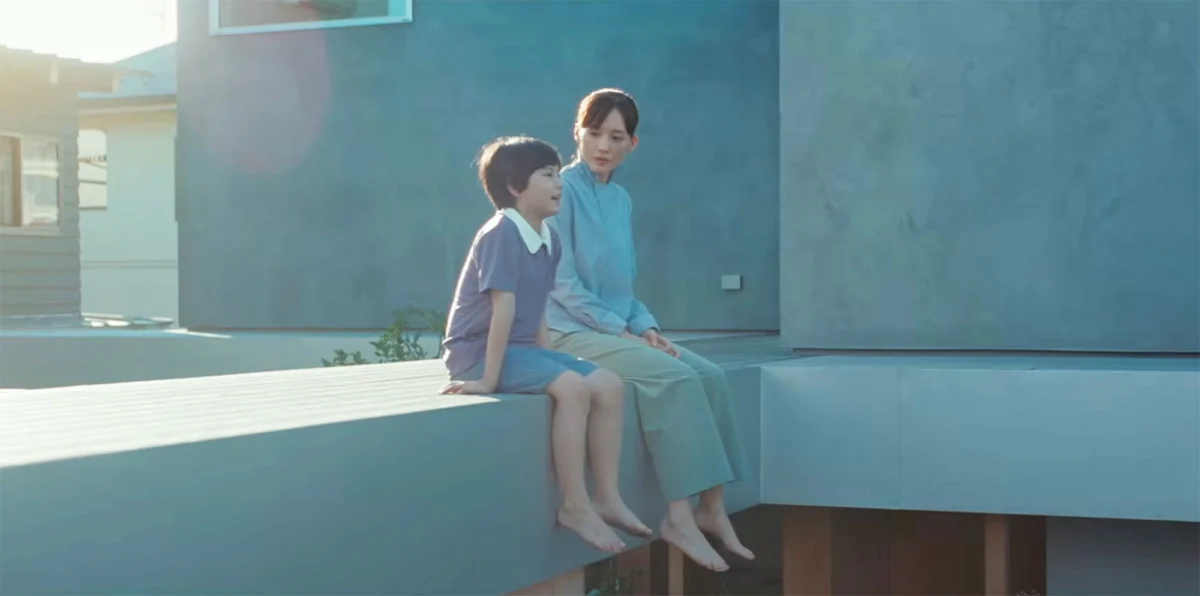
The narrative of Sheep in the Box centers on a couple grappling with the profound grief of losing their son. In a desperate attempt to fill the void, they welcome a state-of-the-art humanoid designed to resemble and behave like their deceased child. The trailer’s poignant tagline, "Family time has started moving again. What kind of unimaginable future awaits them?" encapsulates the central tension of the film. Koreeda himself has articulated the genesis of this project, stating, "This project began with the idea of ‘bringing the dead back to life using the latest technology.’ I was interested in exploring the conflicting perspectives [about] how technological advancement clashes with human inner values…. With technology evolving at a pace far beyond what I had imagined, I felt that this reality might arrive sooner than expected." This statement underscores the film’s intention to delve into the pressing ethical and emotional questions surrounding the rapid progression of AI and robotics.
The film boasts a compelling cast, featuring Haruka Ayase as the mother, Daigo (from the popular comedy duo Chidori) as the father, and Rito Kuwaki portraying their robotic son. Ayase is a highly regarded actress known for her versatile performances across various genres, lending significant dramatic weight to the role of a grieving mother navigating uncharted emotional territory. Daigo, while primarily known for comedy, has proven his acting chops in more serious roles, suggesting a nuanced portrayal of a father seeking solace. The casting of Rito Kuwaki as the humanoid child is particularly crucial, as the success of the film’s emotional core will heavily rely on his ability to convey both childlike innocence and the subtle, unsettling artificiality of his character. The combination of these talents promises a series of deeply felt performances that will anchor the film’s ambitious thematic explorations.
Koreeda’s Distinctive Voice in a New Genre
Hirokazu Koreeda has long been celebrated for his empathetic storytelling, characterized by a "sharp perspective and warm gaze" on ordinary people navigating complex social landscapes. His filmography is a testament to his consistent exploration of family, memory, loss, and societal marginalization. From early works like Maborosi (1995) and After Life (1998), which grappled with death and the essence of memory, to critically acclaimed films such as Nobody Knows (2004) and Still Walking (2008), Koreeda has masterfully depicted the quiet dramas and profound emotional undercurrents of everyday life. His Palme d’Or winning Shoplifters (2018) highlighted the unconventional bonds formed outside traditional societal structures, further cementing his reputation as a master chronicler of the human condition.

The shift towards a science fiction premise in Sheep in the Box marks a significant, yet perhaps logical, evolution for Koreeda. While seemingly a departure from his signature naturalistic style, the core themes remain deeply rooted in his established interests. The film’s premise — a family recreating a lost loved one through technology — directly engages with the emotional fallout of grief, the concept of family, and the search for connection, all recurring motifs in his previous works. What distinguishes Sheep in the Box is the introduction of an external, technological element that amplifies these internal struggles, pushing the boundaries of what constitutes "family" and "humanity." This approach promises to ground the fantastical elements of AI and robotics in a distinctly human, emotionally resonant narrative, preventing the film from becoming a mere technical exercise and instead framing it as a profound character study.
The film’s exploration of "bringing the dead back to life using the latest technology" aligns with a growing global discourse on AI’s role in processing grief. In recent years, companies and researchers have developed various forms of "grief tech," ranging from chatbots trained on digital footprints of deceased individuals to immersive virtual reality experiences designed to simulate interactions with loved ones. These innovations, while offering potential comfort, also raise significant ethical questions about authenticity, the nature of closure, and the potential for prolonged grief or psychological harm. Koreeda’s film is poised to contribute to this dialogue, using the medium of cinema to pose questions that society is increasingly facing in real-time.
Thematic Depth: AI, Grief, and Authenticity
The central premise of Sheep in the Box directly confronts the philosophical and psychological complexities of artificial intelligence. The film is not merely a story about a robot boy; it is an examination of what it means to be human, to love, and to grieve in an age where technology promises to blur the lines between life and simulation. The phrase "What kind of unimaginable future awaits them?" in the trailer hints at the potential for both profound solace and unimaginable pain that such a technological intervention could bring.
One of the key themes Koreeda is expected to explore is the "uncanny valley" phenomenon – the unsettling feeling generated by objects that appear almost, but not exactly, human. While the humanoid son might offer a semblance of their lost child, the inherent artificiality could trigger discomfort, further complicating the parents’ grieving process. This emotional landscape allows Koreeda to delve into questions of authenticity: Can a technological replica truly replace a human being? Does the presence of a simulacrum aid or hinder the natural process of grieving and acceptance?
Moreover, the film will likely touch upon the societal implications of such advancements. If technology can "bring back" loved ones, what does this mean for the concept of mortality, memory, and personal identity? Will it lead to a world where grief is perpetually postponed, or where the boundaries between life and a digitally preserved existence become irrevocably blurred? Koreeda’s cinema often highlights the quiet resilience of individuals and families against larger societal forces, and Sheep in the Box is expected to continue this tradition, focusing on the intimate human struggle against the backdrop of a technologically altered reality. The title itself, "Sheep in the Box," could be interpreted metaphorically, suggesting innocence confined or a philosophical paradox akin to Schrödinger’s cat, implying an existence that is both present and absent, real and artificial.

Production and Release Trajectory
Sheep in the Box is a significant collaboration between prominent Japanese production entities: Fuji Television Network, AOI Promotion, Gaga, and Toho. This powerful consortium underscores the film’s importance and anticipated reach within the Japanese market and internationally. Toho, a titan in Japanese film distribution, ensures a wide theatrical release across Japan. Gaga, known for its discerning selection of international and arthouse films, often plays a crucial role in bringing Japanese cinema to global audiences.
The film’s journey began with Koreeda’s conceptualization of the core idea, a testament to his continuous engagement with contemporary social issues through a deeply personal lens. His statement about technology "evolving at a pace far beyond what I had imagined" indicates a sense of urgency and relevance to the project, suggesting that the film is not just a speculative fiction but a reflection on impending realities.
The confirmed release date in Japan on May 29, 2026, positions the film strategically. A May release often coincides with the tail end of the Cannes Film Festival, where Koreeda has a storied history. His previous films, including Shoplifters (Palme d’Or winner), Like Father Like Son (Jury Prize), and Monster (Best Screenplay), have all premiered at Cannes to critical acclaim, often setting the stage for their international distribution and awards season buzz. A Cannes premiere for Sheep in the Box would not only grant it immediate global visibility but also validate Koreeda’s venture into a new genre as artistically significant. Such an event would also ignite international sales and distribution negotiations, bringing the film to wider audiences outside of Japan. The initial teaser trailer, released earlier, provided a first glimpse, building anticipation, and the full trailer now expands upon that, offering a more comprehensive look at the film’s narrative and emotional landscape.
Broader Impact and Implications
The release of Sheep in the Box is poised to have several significant impacts, both within the realm of cinema and in the broader cultural discourse surrounding artificial intelligence.
Cinematic Impact: For Koreeda, this film represents a bold step. It demonstrates his willingness to push his artistic boundaries while staying true to his thematic preoccupations. Should the film succeed critically and commercially, it could inspire other renowned directors, particularly those known for realism, to explore genre filmmaking as a vehicle for profound social commentary. It also solidifies Japan’s position as a global leader in exploring AI narratives, often with a more nuanced and less overtly dystopian perspective than Western counterparts. Japanese culture has a unique relationship with robots, often viewing them as companions rather than purely as threats, a perspective Koreeda’s film might subtly reflect or challenge.

Ethical and Societal Dialogue: Beyond its artistic merit, Sheep in the Box is likely to serve as a powerful catalyst for discussions on AI ethics. As AI technology continues to advance rapidly, the questions posed by the film — about grief, remembrance, the nature of human connection, and the potential for technological overreach into our most intimate emotional spaces — become increasingly relevant. Public discourse often benefits from artistic representations that humanize complex scientific and ethical dilemmas, making them accessible and emotionally resonant. Koreeda’s film, with its focus on a family’s personal tragedy and their interaction with a sentient machine, is perfectly positioned to contribute to this crucial societal conversation.
Audience Reception: The film is expected to attract both Koreeda’s established fanbase, who appreciate his sensitive portrayals of human relationships, and a new segment of viewers interested in thought-provoking science fiction. The challenge for Koreeda will be to balance his signature emotional realism with the speculative elements of the sci-fi genre, ensuring that the film resonates on multiple levels. Early reactions to the trailer suggest a strong sense of intrigue, with many film enthusiasts eager to see how a director of Koreeda’s caliber tackles such a timely and emotionally charged subject.
In conclusion, Sheep in the Box stands as a pivotal moment in Hirokazu Koreeda’s illustrious career. It is a film that promises to be both deeply personal and universally resonant, leveraging the speculative nature of science fiction to explore the enduring questions of what it means to be human in an increasingly technologically advanced world. As the premiere date approaches, anticipation will only continue to build for what could be one of the most significant and emotionally impactful films of 2026.