

Following the viral success and critical acclaim of its inaugural season, Prime Video’s experimental docu-comedy franchise returns with a new setting and a new unwitting protagonist. Anthony Norman, a 25-year-old Gen Z worker from Southern California, finds himself at the center of Jury Duty Presents: Company Retreat, the second season of the genre-blurring series. Like its predecessor, which followed Ronald Gladden through a fabricated trial, this season places an ordinary citizen into a meticulously staged environment where every colleague, supervisor, and client is a professional actor operating from a scripted framework.
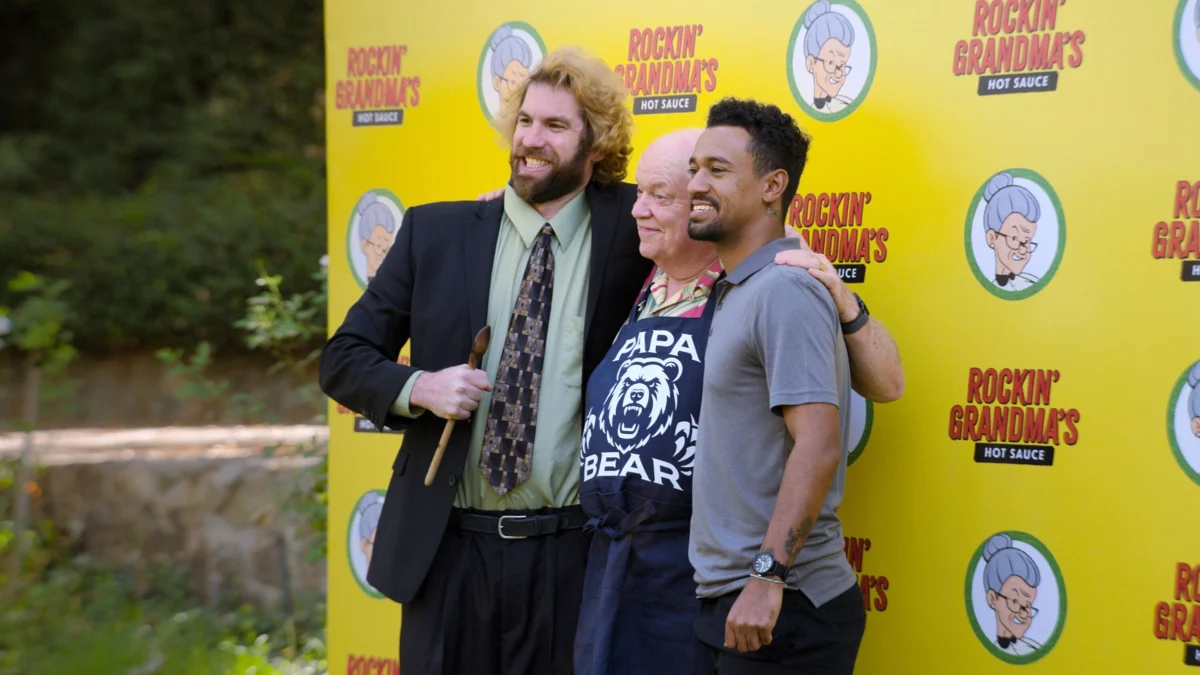
The premise of the show relies on the "straight man" archetype, where the subject’s genuine reactions to increasingly absurd scenarios provide the narrative’s emotional and comedic core. In this iteration, the production shifts from the legal system to the equally bureaucratic and often surreal world of the American workplace. Anthony Norman enters the fray believing he has secured a temporary role at "Rockin’ Grandma’s Hot Sauce," a small business undergoing a leadership transition and hosting an annual staff retreat.
The Socioeconomic Backdrop of Gen Z Employment
The selection of a 25-year-old protagonist is particularly timely given the current labor market dynamics. Anthony Norman represents a demographic often characterized as "wayward" or struggling to find footing in a volatile economy. According to recent economic data, Gen Z workers are facing a unique set of challenges that make the prospect of a temporary "gig" at a small business highly appealing.
Recent reports from the Bureau of Labor Statistics and analyses by major news outlets indicate that while overall unemployment remains relatively low by historical standards, the "underemployment" rate and the difficulty for entry-level workers to secure stable, full-time positions have increased. The tech sector, once a bastion of growth for young professionals, has entered an era of "layoffmaxxing," a colloquial term for aggressive staff reductions. Companies such as Meta, Amazon, and Block have implemented rolling layoffs, in some cases cutting upwards of 20 percent of their workforce to appease investors and pivot toward automation.
Furthermore, the rapid integration of Artificial Intelligence (AI) has created a sense of existential dread among young professionals. Freelance platforms and entry-level administrative roles—traditionally the entry point for workers like Anthony—are increasingly being supplemented or replaced by AI agents. This context explains Anthony’s eagerness to perform "odd jobs" and assist with retreat planning; in a market defined by scarcity and tech-driven displacement, a tangible role in a family-owned hot sauce company feels like a rare opportunity for stability.
Chronology of the Retreat: From Onboarding to Chaos
The narrative of the season unfolds over a one-week period at Oak Canyon Ranch in Agoura Hills, California. The production team transformed the resort into a corporate training ground, complete with branded merchandise, company lore, and a cast of eccentric characters designed to test Anthony’s patience and leadership potential.
Day One: The Onboarding and the Succession Crisis
Anthony is introduced to the staff of Rockin’ Grandma’s Hot Sauce during a moment of internal friction. The founder, Doug Womack, announces his intention to step down, paving the way for his son, Dougie Jr. The transition introduces the theme of "nepotism," with Dougie Jr. openly acknowledging his status as a "nepo baby" and comparing himself to high-profile figures like Bronny James. Dougie Jr., who claims to have spent four years in Jamaica performing with a hotel lobby ska band, views the retreat as his opportunity to prove his worth to a skeptical staff. Anthony is immediately tasked with supporting this transition, effectively becoming the "right-hand man" to a leader who lacks fundamental business acumen.
Day Two: The Vulnerability Workshop
On the second day, the absurdity escalates when Dougie Jr. hires an "emotions and vulnerability expert" to lead the team. The character, a satirical take on corporate consultants like Brené Brown, subjects the staff to confusing exercises intended to navigate "uncomfortable scenarios." For Anthony, this serves as a trial by fire in corporate diplomacy. He is forced to mediate between the "expert" and the staff, who are portrayed as a collection of office archetypes: the bourbon-drinking accountant Helen, the aspiring "snack influencer" PJ, and the overeager HR manager Kevin Gomez.
The Mid-Week Crisis: The Failed Proposal
The emotional climax of the retreat occurs when Kevin, the head of Human Resources, attempts a grand romantic gesture toward Amy Patterson, the customer relations coordinator. Kevin, whose character draws heavy inspiration from The Office’s Michael Scott, organizes a proposal despite never having been on a formal date with Amy. The resulting rejection leads to Kevin’s dramatic and humiliated exit from the ranch. This vacuum in leadership provides the pivotal moment for Anthony, who, instead of retreating, chooses to improvise. He assumes the role of "Captain Fun," taking over the retreat’s morale-boosting duties and demonstrating the very leadership skills the actual management lacks.
Supporting Data: The Cultural Fixation on Workplace Media
The success of the Jury Duty format is rooted in a long-standing public fascination with the American workplace. Television history is replete with successful explorations of the office environment, ranging from the dramatic to the surreal.
- The Office (NBC): Popularized the mockumentary format, focusing on the mundane details of a paper company. Its enduring popularity on streaming platforms suggests a universal relatability to workplace "hijinks."
- Severance (Apple TV+): Explores the darker, more philosophical side of corporate autonomy and the "work-life balance" through a sci-fi lens.
- Mad Men (AMC): Analyzed the historical and existential toils of the advertising industry.
The "Company Retreat" season of Jury Duty taps into this cultural vein but adds a layer of reality that scripted shows cannot achieve. By using a "real" person as the anchor, the show highlights the absurdity of modern corporate culture—specifically the performative nature of team building and the "hot sauce" industry trends. As HR manager Kevin notes during Anthony’s onboarding: "Hot sauce is having a moment… You don’t see this kind of thing happening with ketchup." This line reflects real-world market trends where "craft" condiments have seen a 5-7% year-over-year growth, making the fictional setting feel grounded in reality.
Production Reactions and Ethical Implications
While Prime Video has not released internal memos regarding the specific legal hurdles of Season Two, the production of such "ambush" comedy requires a complex framework of ethical and legal safeguards. Sources close to the production suggest that, similar to Season One, a team of psychologists and legal advisors was on standby to ensure the subject’s well-being.
The "hero’s journey" of the participant is essential to the show’s viability. If the actors were to "punch down" or humiliate the subject, the audience would likely turn against the premise. Instead, the "actors" are the ones who look foolish, while the subject—Anthony—is given the opportunity to be the most rational and compassionate person in the room. This dynamic creates a "feel-good" irony that has become the show’s signature.
Broader Impact and Implications for the Genre
The shift from a courtroom to a corporate retreat signals an expansion of the "staged reality" genre. Analysts suggest that this format could be applied to various other high-stakes or high-stress environments, such as medical residencies or political campaigns. For the entertainment industry, Jury Duty represents a cost-effective yet high-engagement model that thrives in the social media era. The first season’s success on TikTok—where clips of Ronald Gladden’s genuine kindness went viral—serves as a blueprint for Season Two.
For Anthony Norman, the experience serves as a meta-commentary on the Gen Z struggle. He enters the show looking for a "regular gig" in a world where "regular" is increasingly hard to define. By the end of the retreat, he has navigated a succession crisis, a corporate meltdown, and a leadership vacuum. While the job at Rockin’ Grandma’s Hot Sauce was a fiction, the skills Anthony demonstrated—adaptability, empathy, and a willingness to lead—are precisely what the modern workforce demands.
As Jury Duty Presents: Company Retreat prepares for its full release, it stands as both a satirical critique of corporate America and a testament to the resilience of the individual. In an era of AI agents and "layoffmaxxing," the show suggests that the most valuable asset in any workplace remains the genuine human element.