

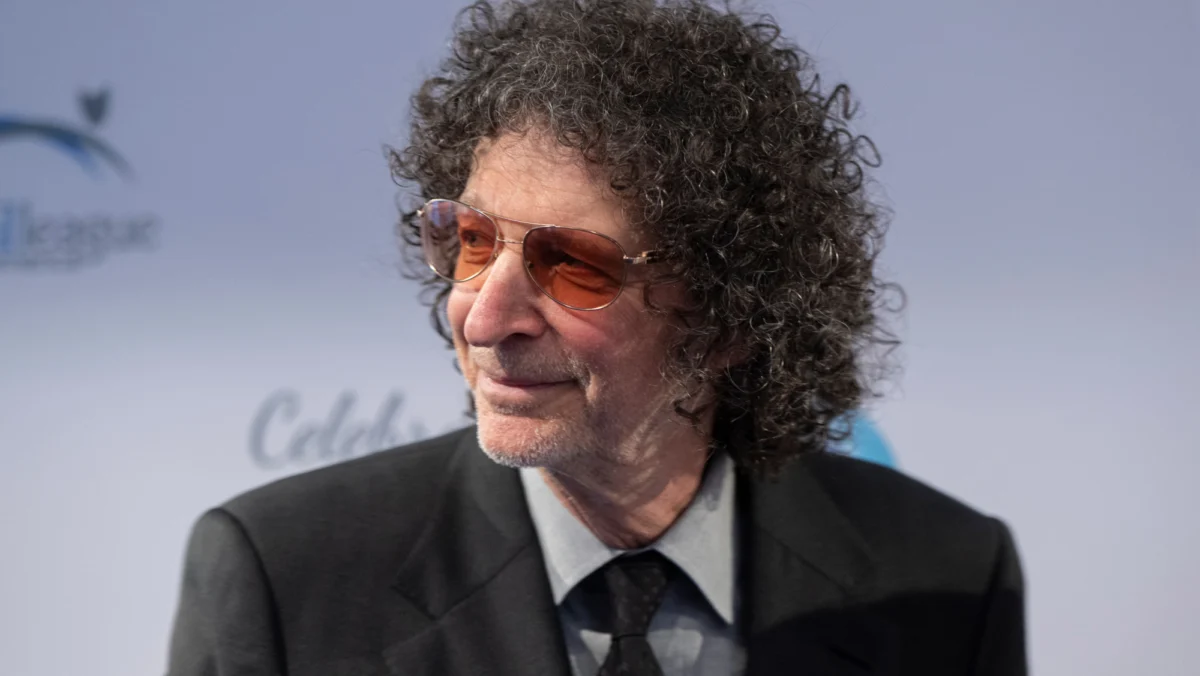
Leslie Kuhn, formerly an executive assistant to celebrated SiriusXM host Howard Stern, has initiated legal proceedings in New York state court, seeking to nullify a nondisclosure agreement (NDA) that she alleges was fraudulently presented during her termination. The lawsuit, filed on Sunday, posits a narrative of a hostile work environment primarily attributed to an "irresponsible and untenable" animal rescue organization reportedly managed by Stern’s wife, Beth Stern. This legal challenge underscores a growing trend of high-profile individuals facing scrutiny over workplace conditions and the enforceability of broad confidentiality clauses, drawing parallels to recent disputes involving other prominent figures in entertainment.
The Genesis of the Dispute: Allegations Against a High-Profile Employer
The core of Kuhn’s complaint revolves around her employment tenure and its abrupt conclusion. Hired by SiriusXM in 2022 as an office manager for The Howard Stern Show, her responsibilities soon expanded. She was subsequently transitioned to the payroll of One Twelve, Stern’s production company, assuming the demanding role of his executive assistant. This shift in employment structure, moving from a corporate entity like SiriusXM to a personal production company, is often a precursor to blurring professional boundaries and escalating personal demands, a common theme in such litigation.
Kuhn’s professional trajectory with Stern saw a significant boost earlier this year when she received a substantial raise, bringing her annual salary to $265,000. However, this financial uplift was swiftly followed by her termination for cause. Kuhn vehemently contests the legitimacy of her firing, asserting that the accusations of misconduct detrimental to her reputation were unfounded. Instead, she contends her dismissal was a direct consequence of the immense pressures stemming from the animal foster group operated by Beth Stern. The lawsuit describes this environment as fostering conditions that made her professional duties increasingly untenable and stressful.
A Deep Dive into the Allegations: The "Irresponsible and Untenable" Animal Rescue
The heart of Kuhn’s hostile work environment claim lies in her portrayal of the animal rescue operations. While the lawsuit does not detail specific incidents, the description of the organization as "irresponsible and untenable" suggests a range of potential issues that could fall upon an executive assistant. These could include, but are not limited to, managing logistical nightmares related to animal care, rescue operations, fostering arrangements, veterinary appointments, and donor relations. For an executive assistant primarily hired for duties related to a radio show and personal affairs, such extensive involvement in a non-profit, particularly one described as chaotic, could significantly detract from their primary responsibilities and lead to excessive workload, unpredictable hours, and emotional distress.
Beth Stern is widely known for her passionate advocacy for animal welfare, frequently featuring rescue animals on social media and participating in various charity events. Her dedication has garnered significant public support and awareness for animal adoption. However, Kuhn’s lawsuit suggests that the operational realities of such an endeavor, when intertwined with the demands of a high-profile household, may have created an overwhelming and unmanageable situation for her as an employee. The challenges of running a large-scale animal rescue, even with the best intentions, can be immense, requiring extensive resources, meticulous planning, and robust operational structures, elements that Kuhn’s complaint implies were lacking or poorly managed, thus creating a detrimental impact on her work environment.
The Contentious Nondisclosure Agreement: A Battle Over Confidentiality
Central to Kuhn’s legal action is the nondisclosure agreement itself. She alleges that during her exit negotiations, she was presented with an "allegedly fraudulent" confidentiality agreement, which she was told she had signed the previous year. The lawsuit seeks to have this document declared invalid, rather than pursuing monetary damages. This specific focus on voiding the NDA highlights a strategic legal move, likely aimed at freeing Kuhn to speak publicly about her experiences without fear of legal repercussions for breaching confidentiality.
The scope of the NDA, as described in the complaint, is exceptionally broad, covering a vast array of personal information related to anyone involved with One Twelve. This includes Stern’s family and friends, his daily activities, personal habits, and even his political affiliations. Such expansive NDAs are common in celebrity employment, designed to protect the intensely private lives of public figures. However, their enforceability, especially when challenged on grounds of fraud, undue influence, or public interest, can be complex.
A critical detail in Kuhn’s complaint is her claim that she began living with Stern and his wife in their Southampton mansion in 2024. During this period, her duties expanded to include managing household staff and handling payroll. This residential arrangement, coupled with the broadened scope of her responsibilities, further blurs the lines between professional and personal life, making an all-encompassing NDA potentially more problematic if not properly understood or consented to. The implication of an "allegedly fraudulent" NDA could mean several things: that her signature was forged, that she was coerced into signing without full understanding, or that the document presented during her exit was materially different from any she might have genuinely signed previously.
Chronology of Employment and Events Leading to Litigation
- 2022: Leslie Kuhn is initially hired by SiriusXM as an office manager for The Howard Stern Show. This marks the beginning of her professional association with Stern’s enterprise.
- Post-2022 (Exact Date Undisclosed): Kuhn transitions from SiriusXM’s direct payroll to One Twelve, Howard Stern’s production company, taking on the role of his executive assistant. This shift likely entailed a deeper immersion into Stern’s personal and professional affairs.
- 2024: Kuhn moves into Howard and Beth Stern’s Southampton mansion, signifying a significant change in her living and working arrangements. Her responsibilities expand to include managing household staff and handling payroll, further integrating her into the Sterns’ personal domain.
- Early 2024 (Exact Date Undisclosed): Kuhn receives a substantial raise, increasing her annual salary to $265,000, indicating a recognition of her expanded role and responsibilities.
- Shortly After Raise (Early 2024): Kuhn is terminated for cause, a decision she disputes, attributing it instead to pressures from the animal rescue organization.
- During Exit Negotiations (Early 2024): Kuhn is presented with a nondisclosure agreement that she alleges is "fraudulent," claiming she was told she had signed it the previous year, a claim she now contests.
- Sunday (Recent Date): Leslie Kuhn files a lawsuit in New York state court, seeking to void the contested nondisclosure agreement, setting the stage for a public legal battle.
Legal Landscape and Precedents: The De Niro Parallel
Kuhn’s lawsuit, particularly its focus on invalidating an NDA and airing grievances related to a hostile work environment, draws immediate comparisons to the highly publicized case involving actor Robert De Niro and his former executive assistant, Graham Chase Robinson. In that case, Robinson was awarded $1.26 million in damages after a jury found De Niro’s company liable for gender discrimination and retaliation.
Robinson’s lawsuit detailed a pattern of alleged abusive behavior, including vulgar comments, demeaning tasks, and demands for personal favors, despite her executive title as Vice President of Production and Finance. She claimed De Niro subjected her to a toxic environment, assigning her domestic duties such as buttoning his shirt and washing his sheets. The jury’s verdict in that case underscored the legal system’s increasing intolerance for workplace harassment and retaliation, even within the typically opaque world of celebrity employment.
The parallels between Kuhn’s and Robinson’s cases are striking: both involve executive assistants to powerful male celebrities, both allege a hostile work environment that blurred professional and personal boundaries, and both seek to expose perceived injustices in employment terms. While Kuhn is not seeking monetary damages, her pursuit of invalidating the NDA is a powerful statement, aiming to reclaim her voice and narrative, much like Robinson did through her discrimination claims. The De Niro case serves as a significant legal precedent, signaling that even the most influential employers are not immune to accountability for their workplace practices.
The Role of Nondisclosure Agreements in High-Profile Employment
Nondisclosure agreements are ubiquitous in industries where privacy and sensitive information are paramount, particularly in roles supporting celebrities or high-net-worth individuals. They are designed to protect proprietary information, trade secrets, and, critically, personal details that could impact a public figure’s image or privacy. However, in recent years, NDAs have become a flashpoint for debate, with critics arguing they are often used to silence victims of harassment, cover up misconduct, or unfairly restrict an individual’s right to speak about their experiences.
The enforceability of NDAs can hinge on several factors:
- Voluntary Consent: Was the agreement signed voluntarily, without coercion or duress?
- Consideration: Was there a clear exchange of value (e.g., employment, severance pay) for signing the NDA?
- Reasonableness of Scope: Is the scope of the confidentiality clause reasonable in terms of duration, geographic area, and the type of information covered? Overly broad or perpetual NDAs can be challenged.
- Legality: Does the NDA seek to conceal illegal activities or prevent an individual from reporting crimes? Such clauses are generally unenforceable.
- Fraud or Misrepresentation: As alleged in Kuhn’s case, if the NDA was signed under fraudulent pretenses or materially misrepresented, its validity can be challenged.
The #MeToo movement significantly amplified discussions around NDAs, leading to legislative changes in some jurisdictions that limit their use, particularly in cases involving sexual harassment or assault. While Kuhn’s lawsuit does not allege sexual harassment, it contributes to the broader conversation about power dynamics in employment relationships and the ethical use of confidentiality agreements.
Reactions and Anticipated Legal Maneuvers
As of the filing of the lawsuit, representatives for Howard Stern, Beth Stern, SiriusXM, and One Twelve have not yet issued public statements regarding Leslie Kuhn’s allegations. It is standard practice for legal teams to refrain from commenting on pending litigation, especially in its early stages. However, their anticipated legal strategy will likely involve asserting the validity of the nondisclosure agreement and challenging Kuhn’s claims of a hostile work environment and wrongful termination.
Legal experts anticipate a robust defense from Stern’s legal team, which will likely argue that the NDA was a standard employment document, properly executed, and that Kuhn’s termination was for legitimate, documented reasons. They may also seek to portray Kuhn’s lawsuit as an attempt to extract a settlement or generate negative publicity, given her stated goal of voiding the NDA rather than seeking damages.
The legal process will involve discovery, where both sides exchange evidence and testimony. This could include emails, text messages, internal communications, and depositions from various individuals involved, including Howard and Beth Stern, Leslie Kuhn, and other employees or household staff. The outcome will largely depend on the strength of the evidence presented by Kuhn to prove her claims of a hostile environment and, crucially, the alleged fraudulent nature of the NDA, versus the evidence presented by the defense to uphold its validity and justify the termination.
Broader Implications for Celebrity Workplaces
This lawsuit, regardless of its ultimate outcome, carries significant implications for the broader landscape of celebrity employment and the use of NDAs. It serves as another high-profile reminder that even those working for the most powerful and wealthy individuals are increasingly willing to challenge what they perceive as unfair or illegal workplace practices.
For celebrities and their production companies, these cases highlight the necessity of:
- Clear Employment Contracts: Precisely defining roles, responsibilities, reporting structures, and work-life boundaries.
- Robust HR Practices: Ensuring fair hiring, management, and termination processes, even for personal staff.
- Ethical Use of NDAs: Reviewing confidentiality agreements to ensure they are legally sound, reasonable in scope, and not perceived as tools for silencing legitimate grievances.
- Managing Personal Ventures: Recognizing that personal projects, such as an animal rescue, when intertwined with professional employment, can create complex legal and ethical challenges.
For employees in similar roles, the case empowers them to understand their rights and the avenues available for recourse. The increasing public and legal scrutiny of NDAs means that such agreements are not infallible and can be challenged, particularly when allegations of misconduct or fraud are involved. The De Niro precedent, coupled with Kuhn’s current lawsuit, suggests a shifting paradigm where the once-impenetrable walls of celebrity privacy are becoming more porous, giving way to greater accountability in the workplace.
Conclusion: Awaiting Judicial Scrutiny
Leslie Kuhn’s lawsuit against Howard Stern’s production company represents a significant legal and public challenge. By seeking to invalidate a nondisclosure agreement rather than monetary compensation, Kuhn signals a desire for freedom to tell her story, an increasingly common objective in a post-#MeToo era. The court’s decision on the validity of the NDA will not only shape the future course of this specific dispute but also contribute to the evolving legal dialogue surrounding confidentiality, workplace ethics, and power dynamics in the high-stakes world of celebrity employment. The judicial system now stands to scrutinize the intricate details of a workplace that blurred the lines between professional duties and personal life, with the potential to set further precedents for how such relationships are governed.