



Paradise City has released the early promotional trailer for Wolfram, the highly anticipated new film from celebrated Aboriginal Australian filmmaker Warwick Thornton. Set to explore the harsh realities and enduring spirit of 1930s central Australia, Wolfram is positioned within the same cinematic universe as Thornton’s critically acclaimed 2017 masterpiece, Sweet Country, promising another profound narrative steeped in themes of racism, survival, reckoning, and resilience amidst the unforgiving Australian Outback. The film made its initial debut at the Berlinale 2026 last month, where it garnered mostly positive reviews, particularly for its ability to build strong emotional investment with its protagonists. While no official release date has been set, the unveiling of this first trailer marks a significant step in the film’s journey towards global audiences, with further festival appearances expected throughout the year.
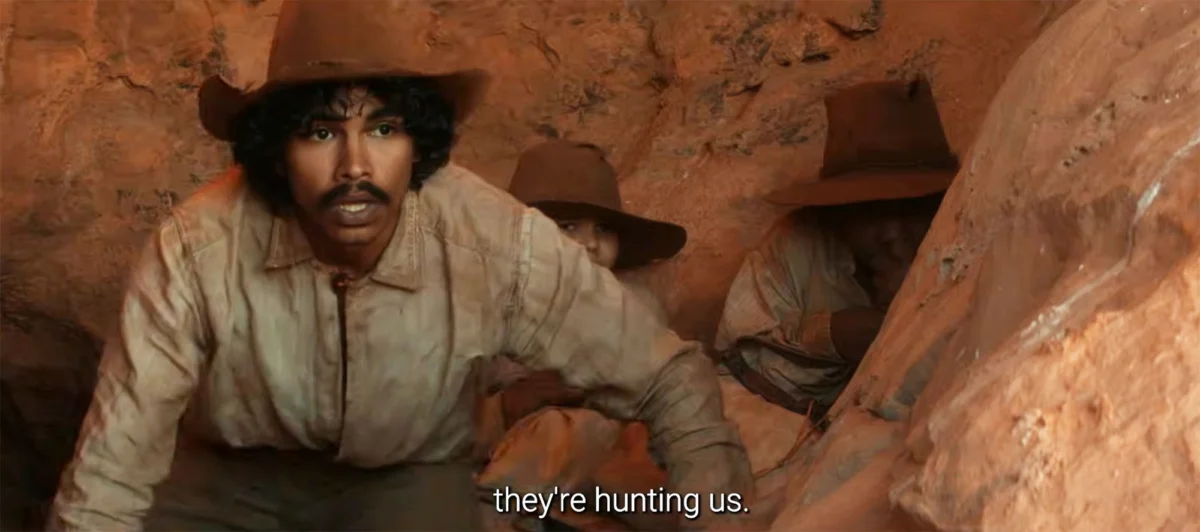
The trailer, sourced directly from YouTube, offers a tantalizing glimpse into the film’s stark visuals and intense narrative. It opens with the evocative question, "You gentlemen looking for adventure?" immediately setting a tone of impending drama and danger. The footage showcases the vast, dusty landscapes that have become a hallmark of Thornton’s work, juxtaposed with the visceral human struggle at the story’s core. Wolfram chronicles the desperate journey of three children who escape their white masters, embarking on a perilous quest across the central Australian desert in search of safety and a way home. This epic trek through the "sweet country" of their ancestors is not merely a physical journey but also a profound exploration of identity, family, and the enduring human spirit in the face of profound injustice. The film features a compelling ensemble cast including veteran actress Deborah Mailman, Erroll Shand, Joe Bird, Thomas M Wright, and Ferdinand Hoang, whose performances are expected to anchor this powerful historical drama.
A New Chapter in Thornton’s Cinematic Universe
Warwick Thornton’s decision to place Wolfram within the same "universe" as Sweet Country is a significant artistic choice, signaling a continued exploration of specific historical periods and thematic concerns that are deeply personal and culturally resonant. Sweet Country, which garnered international acclaim and numerous awards, including the Special Jury Prize at the Venice Film Festival and six AACTA Awards, meticulously depicted the violent colonial frontier of the Northern Territory in the 1920s. It told the story of an Aboriginal stockman, Sam Kelly, who is forced to go on the run after killing a white station owner in self-defense. The film was praised for its unflinching portrayal of racial injustice, its moral complexities, and its breathtaking cinematography.
By revisiting this "universe," Thornton is not necessarily creating direct narrative sequels but rather exploring a shared historical and thematic landscape. This approach allows him to delve deeper into the systemic issues of racism, dispossession, and the struggle for dignity that characterized the lives of Indigenous Australians during the early 20th century. Wolfram‘s focus on child laborers escaping their white masters directly addresses another painful facet of Australia’s colonial past, echoing the broader historical context of forced labor and the removal of Aboriginal children, which later became known as the Stolen Generations. The shared universe concept implies a continuity of atmosphere, moral quandaries, and the enduring presence of the land itself as a character, a silent witness to both profound cruelty and unwavering resilience. This thematic and historical linkage positions Wolfram as a companion piece, enriching the tapestry of stories Thornton is weaving about his country’s history and its Indigenous peoples.
Unpacking the Historical Canvas: 1930s Australia and Indigenous Realities
The setting of Wolfram in 1930s Australia is crucial to understanding its narrative depth and historical weight. This period was marked by profound social, economic, and political shifts globally, but for Indigenous Australians, it was a time of continued systemic oppression and marginalization under various protectionist and assimilationist policies. The Great Depression, while impacting all Australians, disproportionately affected Indigenous communities, exacerbating their already precarious economic and social positions.
On the colonial frontier, particularly in central Australia, the relationship between Indigenous populations and white settlers was often characterized by brutal exploitation. Indigenous people were frequently subjected to forced labor on pastoral stations, in mines, and in domestic service, often receiving little to no wages, or payment in kind that kept them in a state of dependency. Children, in particular, were vulnerable to these exploitative practices, removed from their families under various pretexts and compelled to work. The "white masters" referenced in the film’s synopsis represent the broader colonial power structure that enabled and perpetuated these injustices. The escape of the children in Wolfram is therefore not merely an act of personal rebellion but a symbolic defiance against a system designed to strip them of their freedom, culture, and familial bonds.

The term "sweet country," while also the title of Thornton’s previous film, holds deep resonance for Indigenous Australians. It refers to traditional lands, places of spiritual significance, sustenance, and belonging. For the children in Wolfram to journey across this "sweet country" in search of safety and home is to reclaim their connection to a land that has been both their sanctuary and the site of their oppression. It highlights the profound irony and tragedy of their situation: navigating their ancestral lands as fugitives, seeking the very safety that should be inherent in their birthright. This historical backdrop imbues Wolfram with a powerful sense of urgency and poignancy, drawing audiences into a critical examination of Australia’s past.
Warwick Thornton: A Master Storyteller’s Signature Style
Warwick Thornton stands as one of Australia’s most distinctive and internationally acclaimed filmmakers. An Indigenous man from Alice Springs, his perspective is inherently unique, offering a profound and often challenging lens through which to view Australian history and contemporary Indigenous life. His career trajectory showcases a consistent commitment to authentic storytelling and a mastery of cinematic craft.
Thornton first gained widespread international recognition with his 2009 feature debut, Samson & Delilah, a raw and tender portrayal of two Aboriginal teenagers’ struggle with poverty, substance abuse, and love in a remote community. The film won the prestigious Caméra d’Or at the Cannes Film Festival, cementing Thornton’s status as a major new voice in world cinema. His subsequent works, including the documentary The Darkside (2013) and the television series The Beach (2020), have further explored themes of Indigenous identity, spirituality, and connection to country.
A hallmark of Thornton’s filmmaking is his distinctive visual style, often serving as his own cinematographer. His frames are typically wide, allowing the expansive, often brutal beauty of the Australian landscape to dominate, making it an active participant in the narrative rather than a mere backdrop. This approach imbues his films with a sense of grandeur and isolation, perfectly reflecting the internal and external struggles of his characters. He frequently employs long takes and a contemplative pace, drawing the viewer into the characters’ emotional states and the slow burn of their journeys. His use of natural light and often sparse dialogue contributes to a sense of stark realism, creating an immersive and often meditative viewing experience.
Furthermore, Thornton’s narratives are characterized by their moral complexity. He rarely presents simplistic heroes or villains, instead exploring the nuances of human behavior under duress, forcing audiences to confront uncomfortable truths about justice, forgiveness, and systemic oppression. His ability to elicit powerful, understated performances from both seasoned actors and newcomers is another testament to his skill as a director. With Wolfram, audiences can anticipate a continuation of these stylistic and thematic threads, promising a film that is both visually stunning and emotionally devastating, firmly rooted in Thornton’s unique artistic vision.
The Narrative Core: A Harrowing Journey for Freedom
The central premise of Wolfram — the escape of young children from forced labor and their subsequent journey across the desert — is inherently dramatic and rich with thematic potential. As detailed in the Berlinale synopsis, "On the colonial frontier of 1930s Australia, two swaggering outlaws roll into a mining town and unleash a wave of cruelty, leading two siblings to break free from their white masters who have forced them to work as child labourers in the mines. The children escape & set off across the desert ‘sweet country’ of central Australia, in search of safety and a way home." While the initial First Showing article mentions three children, the Berlinale synopsis focuses on two siblings, suggesting a concentrated narrative on their bond and shared ordeal.
This narrative setup immediately invokes classic survival tales, but within the unique and challenging context of the Australian Outback and its colonial history. The children’s journey will undoubtedly be fraught with physical perils – the harsh climate, scarcity of water and food, dangerous wildlife – but also with the constant threat of recapture by the "white masters" and the broader colonial system. Their quest for "safety and a way home" is deeply resonant, symbolizing a universal human yearning for belonging and security, particularly poignant for children displaced and exploited.

Beyond the physical journey, Wolfram is poised to explore profound internal landscapes. The Berlinale notes that the siblings "must rely on each other as they search for the truth about themselves and their family, escape a nightmare and make unexpected connections on their way to freedom." This suggests an introspective element, where the children’s shared ordeal forges an unbreakable bond and forces them to confront their identities and heritage in the absence of their original family unit. The "unexpected connections" hint at potential encounters with other Indigenous people or even sympathetic settlers, offering moments of respite, wisdom, or further conflict. The film’s description as an "outback Western but also a historical drama about survival, reckoning, resilience and love" underscores its multifaceted approach, blending genre conventions with deep historical and emotional truths. It promises a narrative that is both thrilling in its depiction of survival and deeply moving in its exploration of human connection and the fight for self-determination.
Stellar Ensemble: Crafting Authenticity
The casting of Wolfram reflects a careful selection of talent capable of bringing the complex historical and emotional nuances of the story to life. Leading the adult cast is Deborah Mailman, one of Australia’s most respected and celebrated actresses. Mailman, a Bidjara and Mamu woman, has a distinguished career spanning film, television, and theatre, known for her powerful and authentic performances. Her roles in films like Rabbit-Proof Fence (2002), The Sapphires (2012), and the TV series Redfern Now have established her as an iconic figure in Australian cinema, particularly for her portrayal of Indigenous women navigating various societal challenges. While her specific role in Wolfram is yet to be fully detailed, her presence signifies a profound depth of character and a voice of experience within the narrative, likely offering guidance or a powerful counterpoint to the children’s journey.
The film’s emotional core will undoubtedly rest on the performances of its young actors, particularly Joe Bird. The original article mentions "youngsters" and the Berlinale synopsis emphasizes "its young actors, playing siblings." The ability of child actors to convey the terror, resilience, and evolving understanding of their characters will be paramount to the film’s success. Thornton has a history of drawing remarkable performances from young and often inexperienced actors, as seen in Samson & Delilah. The intensity of their ordeal, their reliance on each other, and their burgeoning understanding of the world’s harshness will demand nuanced and believable portrayals.
Supporting cast members Erroll Shand, Thomas M Wright, and Ferdinand Hoang bring further depth. Thomas M Wright, an acclaimed actor and director, is known for his intense and often brooding performances in films like The Nightingale (2018) and the TV series Top of the Lake. His involvement suggests a role that could be either antagonistic or morally ambiguous, adding layers of tension and complexity to the children’s perilous journey. The collective talent assembled ensures that Wolfram will be a character-driven drama where the human element is as central as the breathtaking, yet unforgiving, landscape.
From Berlinale Acclaim to Global Anticipation: The Road Ahead
The premiere of Wolfram at the 2026 Berlin International Film Festival (Berlinale) last month was a significant milestone, positioning the film on a global stage. The Berlinale is one of the "Big Three" major international film festivals, alongside Cannes and Venice, renowned for its commitment to showcasing diverse and politically conscious cinema. A selection for such a prestigious festival immediately lends credibility and visibility to an independent film, signaling its artistic merit and potential for broader international appeal.
The initial reception at Berlinale was largely positive, with critics noting that the film "builds a strong emotional investment with its protagonists." This critical endorsement is crucial for independent films, as it helps generate buzz and attract distributors. Positive reviews from a major festival often highlight key aspects such as direction, performances, and thematic strength, guiding future audiences and industry professionals. For Wolfram, the praise for its emotional core suggests that Thornton has once again succeeded in crafting a narrative that is both historically significant and deeply human.
Following its Berlinale debut, Wolfram is expected to embark on a more extensive festival circuit throughout 2026. This strategy is typical for independent films, allowing them to gain further critical traction, secure international sales, and build anticipation before a wider theatrical or streaming release. Festivals like Toronto, Telluride, or even the London Film Festival could be potential stops, each offering a platform to reach different audiences and critics. While "no final release dates are set yet," this phased approach is a standard industry practice. Given the film’s subject matter and Thornton’s established reputation, it is highly probable that Wolfram will eventually secure distribution in key markets, bringing this important Australian story to a global audience. The waiting period for a release date, while frustrating for eager viewers, is part of the strategic rollout designed to maximize the film’s impact and reach.

Broader Implications: Elevating Indigenous Narratives in Cinema
Wolfram stands to make a significant contribution to both Australian and global cinema, particularly in its continued effort to elevate Indigenous narratives and perspectives. For decades, the representation of Indigenous peoples in mainstream cinema was often stereotypical, marginalized, or entirely absent. However, a new wave of Indigenous filmmakers, of whom Warwick Thornton is a leading figure, has been actively reclaiming and reshaping these narratives, offering authentic, complex, and powerful stories from their own vantage points.
By delving into the historical realities of child labor and colonial exploitation in 1930s Australia, Wolfram serves as more than just entertainment; it acts as an important historical document and a tool for social commentary. Films like Wolfram compel audiences to confront uncomfortable truths about colonial legacies, fostering a deeper understanding of the injustices faced by Indigenous communities. This is particularly vital in Australia, where reconciliation and understanding of its shared history remain ongoing national conversations.
Globally, Wolfram contributes to a broader movement in cinema that champions diverse voices and explores universal themes through specific cultural lenses. The children’s struggle for freedom and belonging, their resilience in the face of adversity, and the power of familial bonds are themes that resonate across cultures and continents. Thornton’s ability to weave these universal human experiences into a deeply specific historical and cultural context ensures that Wolfram will not only enlighten but also emotionally connect with audiences worldwide.
Moreover, Wolfram‘s anticipated success reinforces the artistic and commercial viability of Indigenous filmmaking. It demonstrates that stories from marginalized communities are not niche but possess universal appeal and critical acclaim. This, in turn, can inspire a new generation of Indigenous storytellers and encourage greater investment in Indigenous screen productions, further enriching the global cinematic landscape. As Warwick Thornton continues to build his "Sweet Country universe," he is not just telling stories; he is building a cinematic legacy that challenges, educates, and profoundly moves its audience, cementing his place as a vital voice in contemporary film.