


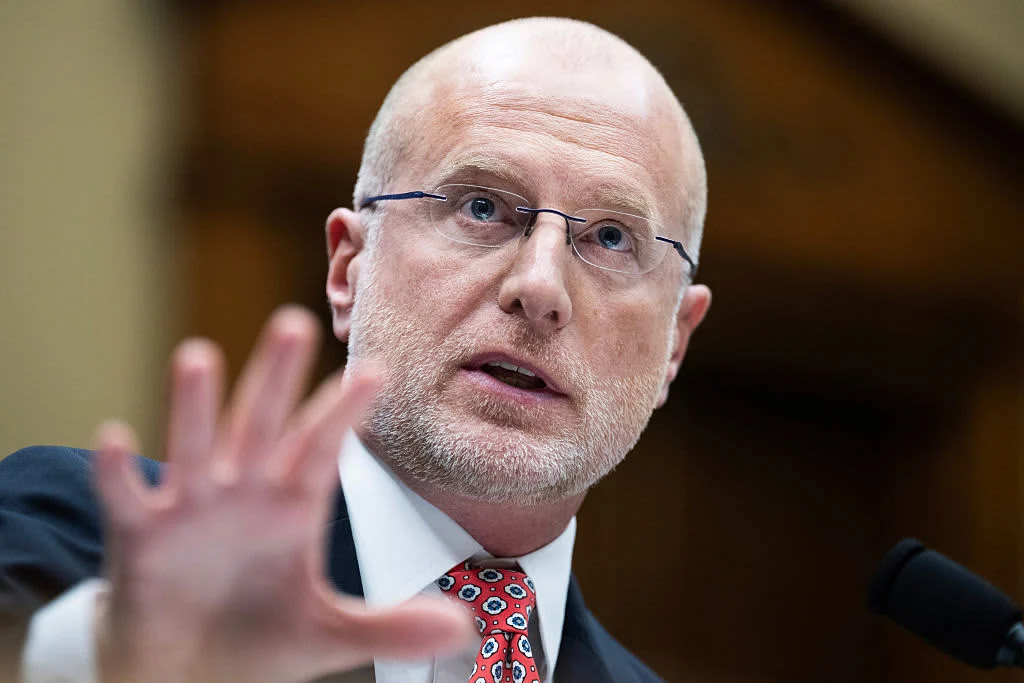
Federal Communications Commission (FCC) Chairman Brendan Carr has signaled a favorable regulatory outlook for Paramount’s ambitious bid to acquire Warner Bros. Discovery (WBD), describing the proposed merger as a "cleaner" alternative to a previously considered deal involving Netflix. Speaking on the sidelines of the Mobile World Congress in Barcelona, Spain, Carr indicated that the combination of Paramount and WBD is likely to navigate the federal approval process with greater ease and speed than the tech giant’s proposal would have, potentially reshaping the landscape of the American media and entertainment industry by the end of the year.
The endorsement from the head of the FCC comes at a critical juncture for WBD, which recently pivoted away from a tentative agreement with Netflix in favor of a revised offer from Paramount and Skydance. According to Carr, the Netflix proposal raised significant red flags regarding market competition and streaming dominance, whereas the Paramount-WBD tie-up appears to offer more tangible consumer benefits and a less complicated path through antitrust scrutiny.
The Financial Framework of the Paramount-WBD Agreement
The shift in momentum toward Paramount followed a series of aggressive financial maneuvers. Last week, Paramount and Skydance submitted a revised offer to acquire the entirety of Warner Bros. Discovery at a valuation of $31 per share. This figure represented a significant premium over the $30 per share previously discussed and directly countered a rival proposal from Netflix.
Netflix had initially moved to acquire WBD’s prestigious studio and streaming divisions for $27.75 per share. However, as Paramount sweetened its terms, Netflix executives conceded that their bid was "no longer financially attractive." The Paramount offer is comprehensive, encompassing not only WBD’s content library and streaming assets but also its extensive portfolio of linear pay-TV networks, including CNN, TBS, and TNT.
To secure the deal, Paramount has demonstrated significant financial commitment. The company has already covered a $2.8 billion breakup fee that WBD owed to Netflix for terminating their prior arrangement. Furthermore, Paramount has offered a staggering $7 billion breakup fee of its own, payable to WBD should the deal fail to receive the necessary regulatory clearances. This high-stakes insurance policy is intended to reassure WBD shareholders of the deal’s viability and Paramount’s confidence in its regulatory standing.
Regulatory Perspectives and FCC Jurisdiction
Chairman Carr’s comments reflect a growing consensus among some regulators that traditional media mergers may be less disruptive than the entry of dominant tech platforms into the consolidation space. Carr noted that the Netflix-WBD combination would have faced a "very difficult path" to approval, primarily because it would have merged two of the world’s most popular streaming services—Netflix and HBO Max—under one roof.
"There’s a lot of concerns when Netflix was the potential buyer there," Carr told CNBC. "That particular combination raised a lot of competition concerns. [The Paramount deal] is a lot cleaner, does not raise at all the same types of concerns. I think there’s some real consumer benefits that can emerge from it."
While the Department of Justice (DOJ) typically handles the bulk of antitrust reviews for media mergers, the FCC plays a specific role when the transaction involves the transfer of broadcast licenses. Paramount owns CBS, one of the "Big Four" American television networks, which necessitates FCC oversight. However, Carr suggested that because the FCC had already approved the merger between Paramount and Skydance the previous year, any additional review of the WBD acquisition would likely be "minimal."
"If there’s any FCC role at all, it’ll be a pretty minimal role. And I think this is a good deal, and I think it should get through pretty quickly," Carr added.
A Chronology of the Media Mega-Merger
The path to this potential merger has been marked by rapid shifts in strategy and intense bidding wars. The following timeline outlines the key milestones leading to the current state of play:

- Late 2025: Rumors begin to circulate regarding Warner Bros. Discovery’s search for a strategic partner to alleviate debt and scale its streaming operations.
- December 2025: Netflix enters preliminary discussions to acquire WBD’s studio and streaming assets, sparking immediate pushback from theatrical advocates and antitrust hawks.
- January 2026: Former President Donald Trump comments that a Netflix-WBD deal "could be a problem" due to market share concerns, though he later clarifies that the DOJ would be the sole arbiter.
- Early February 2026: Paramount and Skydance, fresh from their own merger, enter the fray with a competing offer for the whole of WBD.
- February 19, 2026: Renowned director James Cameron sends a scathing letter to antitrust lawmakers, warning that a Netflix acquisition would devastate the theatrical industry.
- February 26, 2026: Paramount raises its bid to $31 per share. The WBD board officially deems the Paramount-Skydance offer "superior" to Netflix’s proposal.
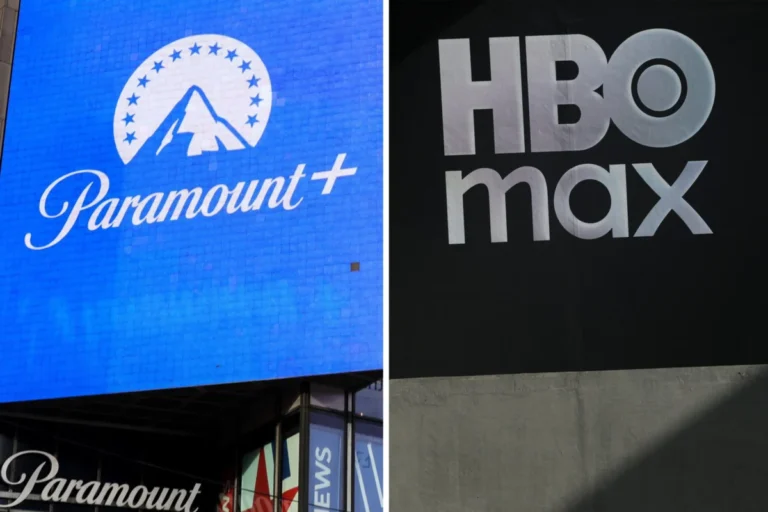
- March 2, 2026: Paramount executives announce plans to merge Paramount+ and HBO Max into a single, unified streaming platform upon completion of the deal.
- March 3, 2026: FCC Chairman Brendan Carr publicly supports the "cleaner" nature of the Paramount bid at the Mobile World Congress.
Implications for the Streaming and Theatrical Industries
One of the primary concerns haunting both the Netflix and Paramount proposals was the potential impact on Hollywood’s creative output. Critics feared that further consolidation would lead to "smaller film slates" and significant job losses within the production sector.
In an effort to mitigate these concerns, Paramount has committed to a robust production schedule. The company announced plans to release at least 30 films annually—effectively 15 per studio—ensuring that the combined entity remains a powerhouse in theatrical distribution. This commitment is seen as a strategic move to differentiate the bid from Netflix, which has historically prioritized direct-to-streaming releases over traditional theatrical windows.
The merger of Paramount+ and HBO Max also represents a significant shift in the "streaming wars." By combining the prestige branding of HBO and the massive content library of Warner Bros. with Paramount’s sports rights and legacy film catalog, the new entity would pose a formidable challenge to the market dominance of Disney+ and Netflix. Analysts suggest this consolidation is a defensive necessity in an era where scale is the only way to achieve profitability in the streaming sector.
Political and Analytical Reactions
The proposed merger has not been without its detractors. Democratic Senator Elizabeth Warren of Massachusetts has been a vocal critic, labeling the Paramount-WBD deal an "antitrust disaster" that threatens to result in "higher prices and fewer choices for American families." Her concerns center on the "horizontal consolidation" of the industry, where a single entity controls a massive share of cable TV, news, sports, and streaming.
Industry analysts at Raymond James, however, echoed Carr’s sentiment, noting that the Paramount deal is "meaningfully easier" to digest from a regulatory standpoint than the Netflix alternative. They pointed out that Paramount’s political standing with the current administration appears stronger, particularly following the backlash against the Netflix agreement.
Despite the optimism from the FCC, some experts warn that the road ahead remains complex. Paren Knadjian, a partner at the advisory firm EisnerAmper, noted that the concentration of intellectual property (IP) under one roof remains a significant hurdle.
"I think the biggest thing we’re going to focus on is the concentration of intellectual property under one roof," Knadjian said. "What power does that give this new entity in terms of the ability to charge more? The regulatory pressure, the political pressure—those are the things that will certainly delay the deal."
Furthermore, the deal’s financial structure may invite scrutiny from the Committee on Foreign Investment in the United States (CFIUS). Paramount’s offer reportedly includes approximately $24 billion in funding from Gulf state sovereign wealth funds. Given the sensitive nature of WBD’s assets—specifically CNN—regulators may take a close look at the influence of foreign capital in American news media.
The Future of News and Sports
The inclusion of CNN, TBS, and TNT in the Paramount bid adds a layer of complexity that was absent from the Netflix proposal. Netflix’s interest was primarily in the "library content" and the streaming infrastructure. Paramount, by contrast, is seeking to build a legacy media titan that spans the entire spectrum of entertainment and information.
The integration of CNN into a portfolio that already includes CBS News could create the world’s most powerful news organization, but it also invites intense scrutiny regarding media plurality. Similarly, the combination of TNT’s sports rights (including the NBA) with CBS’s NFL and collegiate sports coverage would create a dominant player in the sports broadcasting market, a sector that remains one of the few reliable drivers of linear television revenue.
As the regulatory process begins in earnest, the industry will be watching to see if the "cleaner" path described by Chairman Carr holds true. If approved, the Paramount-Warner Bros. Discovery merger will stand as one of the most significant consolidations in media history, signaling the end of an era of fragmented streaming and the return of the massive, multi-platform media conglomerate.