



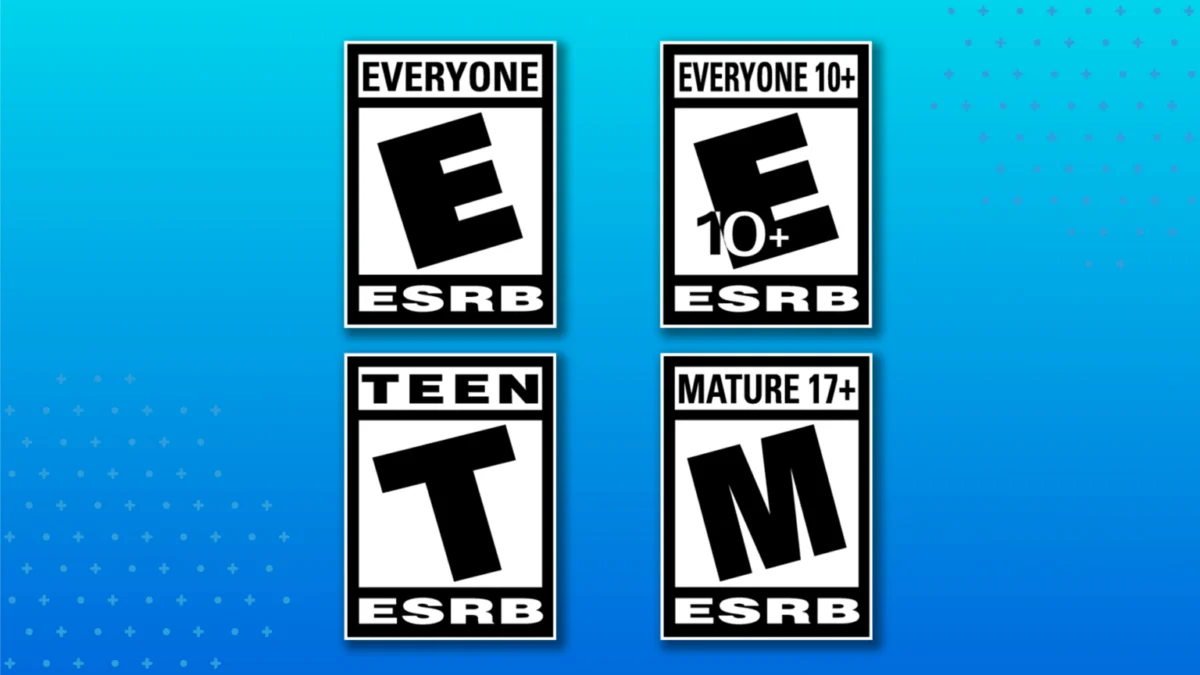
The Entertainment Software Rating Board (ESRB), which oversees video game classifications in North America, has formally announced that it will not follow the lead of its European counterpart, Pan-European Game Information (PEGI), regarding the integration of monetization mechanics into age-rating tiers. While PEGI recently unveiled a landmark shift in its criteria—one that will see games containing "paid random items," commonly known as loot boxes, receive significantly higher age ratings—the ESRB maintains that such a move would create unnecessary confusion for parents and caregivers. This divergence marks a significant philosophical split between the two major regulatory bodies governing the global interactive entertainment industry, highlighting different priorities in how consumer information is presented and how "content" is distinguished from "context."
The Divergent Philosophies of Global Rating Bodies
The core of the disagreement lies in how each organization defines the impact of in-game mechanics on a child’s development. PEGI’s new framework, which was announced in early 2024, represents one of the most substantial overhauls in the organization’s history. Under these new rules, the presence of paid random elements will be a primary factor in determining the numerical age rating of a title. This means a game that would otherwise be rated for all ages due to its lack of violence or mature themes could be restricted to older teenagers or adults simply because of its monetization structure.
In contrast, the ESRB argues that the age rating should remain a reflection of the game’s actual content—such as violence, profanity, or sexual themes—rather than its business model. Currently, the ESRB utilizes "Interactive Elements" notices, which appear as separate labels alongside the age rating. These labels inform parents if a game includes "In-Game Purchases (Includes Random Items)" or "Users Interact." According to an ESRB spokesperson, the organization’s internal research suggests that parents prefer this clear distinction. The board contends that if a non-content feature like a loot box were to push a cartoonish, non-violent game into a "Mature" or "Teen" category, parents might find the system less intuitive and harder to navigate.
A Chronology of Loot Box Regulation
The debate over loot boxes and their place in video game ratings has intensified over the last decade, following several high-profile controversies that drew the attention of lawmakers and child advocacy groups.
- 2017: The Catalyst: The release of Star Wars Battlefront II sparked a global outcry over its progression system, which was heavily tied to randomized loot boxes. This event prompted several European governments, including those of Belgium and the Netherlands, to investigate whether these mechanics constituted illegal gambling.
- 2018: Initial Labeling: In response to growing pressure, the ESRB and PEGI introduced the "In-Game Purchases" label. This was a broad descriptor intended to warn parents that a game offered the ability to spend real-world money after the initial purchase.
- 2020: Refined Disclosures: Recognizing that "loot boxes" were a specific concern distinct from standard DLC or cosmetic skins, both boards introduced a more specific label: "In-Game Purchases (Includes Random Items)."
- 2023: Regulatory Pressure in Europe: The European Parliament called for stricter rules on loot boxes and addictive game design, leading PEGI to reconsider its hands-off approach to age-rating integration.
- June 2024: The PEGI Pivot: PEGI’s new criteria are set to take effect, introducing four new categories that will directly influence the age rating, including specific triggers for paid random items and "play-by-appointment" mechanics.
The PEGI Overhaul: Four New Categories
PEGI’s decision to move beyond simple labels is driven by a desire to address what it views as the "dangers" of modern game design. The four new categories introduced by the European body aim to capture the psychological pressures inherent in contemporary "live service" titles.
Beyond loot boxes, PEGI is also focusing on "play-by-appointment" mechanics. These are features designed to encourage—or coerce—players into returning to a game at specific intervals to avoid missing out on rewards or progress. A notable example cited by industry analysts is the Pokémon spin-off Pokémon Pokopia, which could see its rating elevated from PEGI 3 to PEGI 7 due to its use of these retention-focused designs.
Dirk Bosmans, the Director General of PEGI, acknowledged the complexity of this shift. Speaking on the challenge of merging content and context, Bosmans noted that while integrating these factors into a single age rating is a "difficult exercise," it is necessary to reflect the reality of how games are played and monetized today. He admitted that some level of detail might be lost when moving away from separate labels, but argued that the higher age rating serves as a more effective "stopgap" for parents who may not read the fine print of descriptive labels.
Impact on Major Franchises: The Case of EA Sports FC
Perhaps the most significant casualty of PEGI’s new rules will be the EA Sports FC franchise (formerly FIFA). For decades, the series has enjoyed a PEGI 3 rating, making it accessible to the widest possible audience. However, the game’s "Ultimate Team" mode is built entirely around "card packs"—randomized assortments of players that can be purchased with real money.
Under the new PEGI criteria, industry analysts predict that EA Sports FC could see its rating jump from PEGI 3 to PEGI 16 or even PEGI 18. Such a change would have profound implications for the game’s marketing and retail presence in Europe. Many retailers have internal policies against displaying PEGI 16+ games in sections dedicated to children, and parental control systems on consoles like the PlayStation 5 and Xbox Series X/S often block access to games above a certain rating by default.
The Challenge of Legacy and Live Service Games
One of the most complex aspects of this regulatory shift is the treatment of "live service" games—titles that are constantly updated with new content and monetization schemes. PEGI has confirmed that it will not only apply these rules to new releases from June 2024 onward but will also begin a process of reappraising legacy products.
"We cannot continuously check our back catalogue," Bosmans stated, acknowledging the sheer volume of games currently on the market. However, he revealed that PEGI has been tracking the presence of in-game purchases and random items for seven years, creating a comprehensive database that will allow them to target the most popular and high-revenue titles for re-rating.

This creates a potential logistical nightmare for publishers. A game that was rated PEGI 3 five years ago could suddenly find itself re-rated as PEGI 16, requiring digital storefronts to update their metadata and physical retailers to relabel existing stock. The ESRB’s decision to stick with its current system avoids this logistical hurdle, maintaining a "static" rating for the life of a product unless its core content (violence/language) changes significantly.
Supporting Data and Parental Perspectives
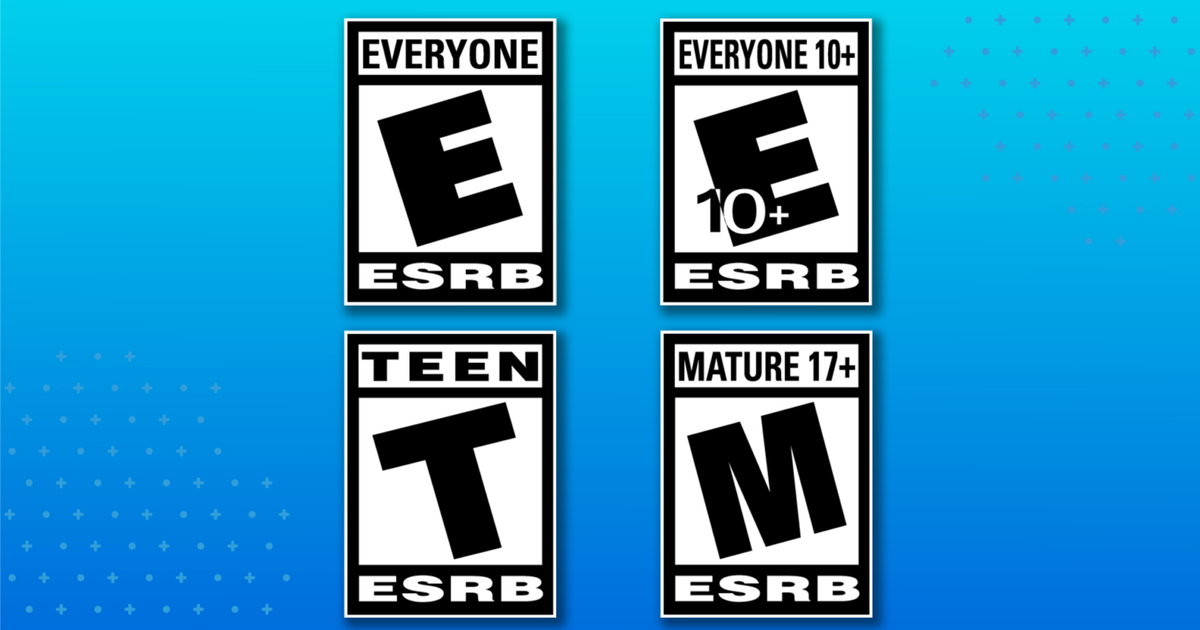
The ESRB’s stance is rooted in its interpretation of consumer behavior. According to data frequently cited by the board, parents primarily use age ratings to gauge the appropriateness of a game’s "theme." A 2022 survey indicated that 84% of parents who are aware of ESRB ratings find them "very" or "extremely" helpful. The ESRB argues that by keeping the age rating focused on content, they preserve the integrity of the "Everyone," "Teen," and "Mature" brandings.
Conversely, European advocacy groups have pointed to studies suggesting that loot boxes share psychological similarities with gambling. A report by the UK’s Newcastle and Loughborough Universities found that loot boxes "are structurally and psychologically akin to gambling," leading to calls for them to be treated as such in legal and regulatory frameworks. PEGI’s decision reflects a growing consensus in European policy circles that monetization is not just "context" but is, in fact, a core part of the "content" that can affect a minor’s well-being.
Broader Implications for the Global Market
The divergence between the ESRB and PEGI creates a fragmented landscape for global publishers. Developers will now face a reality where a single game could be marketed to children in the United States while being restricted to adults in Europe. This discrepancy may force publishers to create region-specific versions of their games or, more likely, reconsider the implementation of loot boxes altogether to avoid the dreaded PEGI 18 rating in the lucrative European market.
The ESRB’s refusal to follow suit suggests a belief that the North American market is better served by transparency through labeling rather than restriction through rating. However, as the conversation around "dark patterns" in game design and the ethics of microtransactions continues to evolve, the ESRB may find itself under increasing pressure from US-based advocacy groups and the Federal Trade Commission (FTC), which has previously held workshops on the impact of loot boxes.
For now, the Atlantic Ocean serves as a divide between two different philosophies of digital protection. In Europe, the rating is becoming a holistic measure of a game’s potential impact on a child, encompassing both what they see and how they are asked to spend money. In North America, the rating remains a shield against inappropriate imagery and themes, leaving the financial and behavioral aspects of gaming to the realm of "additional information." As June 2024 approaches, the industry will be watching closely to see how consumers, parents, and publishers react to this new era of regulated gaming.