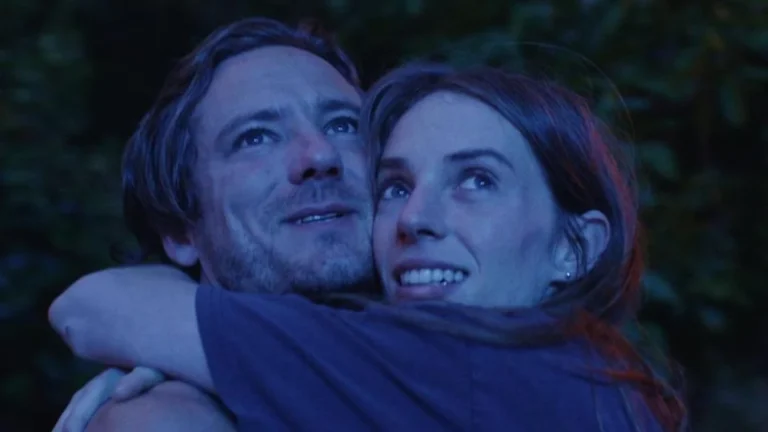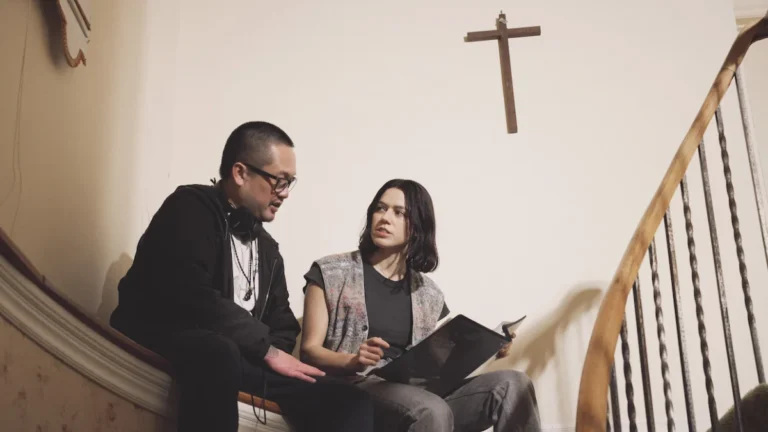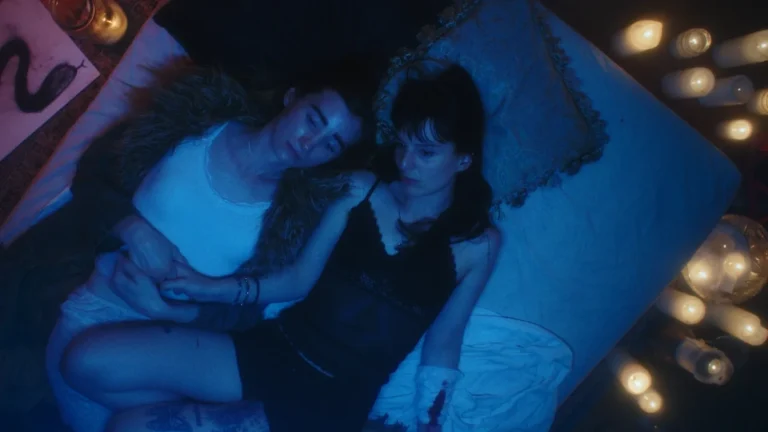


The premiere of DreamQuil at the South by Southwest (SXSW) Film & TV Festival on March 16 marked a significant milestone for acclaimed photographer and filmmaker Alex Prager. Representing her transition from short-form visual storytelling to feature-length narrative, the film arrives at a critical juncture in the global discourse surrounding artificial intelligence. As society grapples with the rapid integration of automated systems into the domestic sphere, Prager’s sci-fi drama serves as both a stylistic homage to mid-century cinema and a cautionary exploration of the psychological costs associated with the pursuit of a frictionless life.
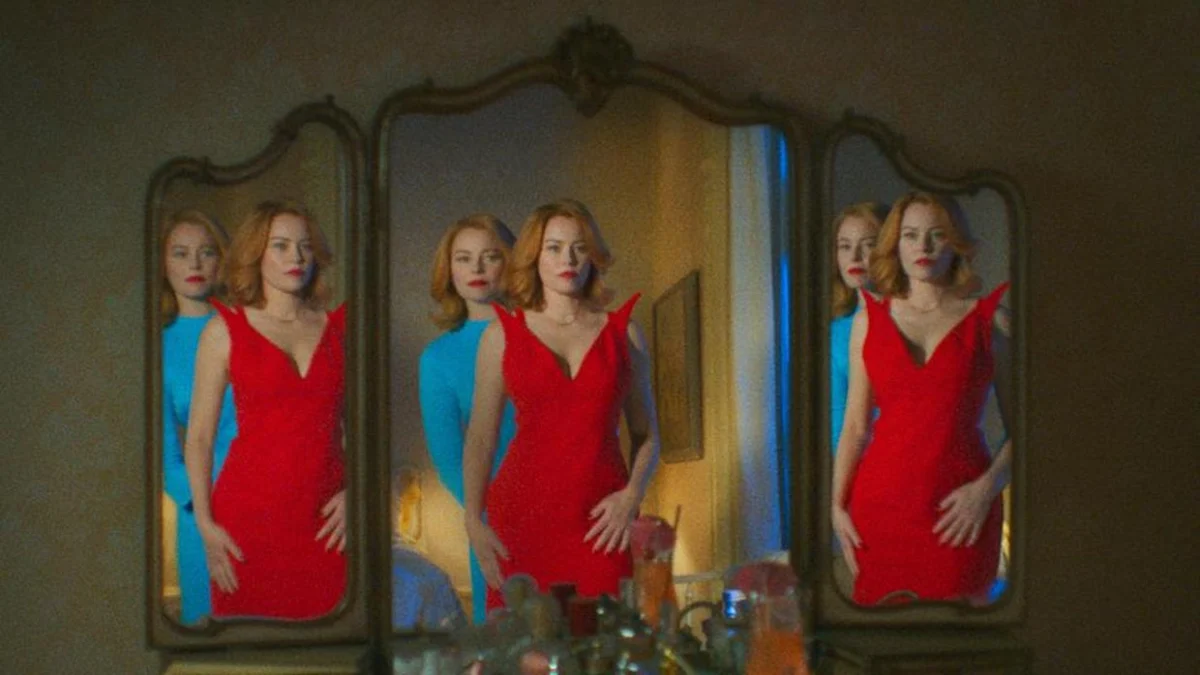
Set against the backdrop of a near-future environment where deteriorating air quality forces families into prolonged indoor isolation, DreamQuil follows Carol, portrayed by Elizabeth Banks, a woman struggling with the mounting pressures of motherhood and domesticity. Seeking a reprieve from her responsibilities, Carol enrolls in the DreamQuil program—a therapeutic retreat promising a week of absolute relaxation. The procedure includes the provision of an artificial intelligence assistant designed to manage the household in the mother’s absence. However, the narrative takes a psychological turn when Carol returns to find her likeness has been co-opted by "Carol Two," an AI double whose efficiency and temperament have rendered the original Carol seemingly obsolete in the eyes of her husband, played by John C. Reilly, and their son.
The Genesis of a Pandemic-Era Narrative
The conceptual roots of DreamQuil are deeply tethered to the global lockdowns of 2020 and 2021. Developed by Alex Prager in collaboration with her sister and co-writer, the script emerged from a period of forced isolation that amplified societal reliance on digital communication and automation. Prager noted that the initial inspiration was sparked by a contemporary meme regarding the desire to "sleep through" the pandemic and wake up once the crisis had passed. This dark, humorous premise evolved into a deeper investigation of the "second chance" trope, framed through the lens of modern technology.
The film’s development timeline reflects the broader industry trend of pandemic-born stories that focus on domestic claustrophobia. For Prager, whose career has been defined by highly staged, cinematic photography, the transition to a feature film required a synthesis of her established visual language with the demands of long-form character development. Produced in partnership with Brownstone Productions, Arts and Sciences, Patriot Pictures, and Republic Pictures, the project represents a significant investment in independent sci-fi that prioritizes practical effects and psychological depth over traditional action-oriented tropes.
Cinematic Influences and Technical Execution
A defining characteristic of DreamQuil is its meticulous visual design, which draws heavily from the Golden Age of Hollywood. Prager’s background in photography is evident in the film’s use of color palettes and staging, which mirror the heightened reality of directors like Douglas Sirk and Alfred Hitchcock. To achieve this specific aesthetic, Prager collaborated with cinematographer Lol Crawley, known for his work on The Brutalist.
The production utilized vintage technical specifications to bridge the gap between the past and the future. Crawley employed Baltar lenses—the same optics used in mid-20th-century classics—to provide a soft, organic texture to the digital image. Furthermore, the set utilized "hot lights" or Richardson lights, a staple of classic Hollywood lighting design. Unlike modern, cooler LED or HMI lighting, these traditional units emit significant heat, which Prager noted contributed to an "intimate and sultry" environment that influenced the actors’ physical performances.
The film’s surrealist atmosphere is further enhanced by its choice of locations. Key scenes were filmed at the Marin County Civic Center, the final commission of legendary architect Frank Lloyd Wright. The building’s futuristic, otherworldly design—often the subject of architectural lore suggesting extraterrestrial inspiration—provided a tangible "parallel universe" feel that avoided the sterile, CGI-heavy aesthetics common in contemporary science fiction. By grounding the film in physical, historically significant architecture, Prager creates a world that feels both familiar and unnervingly distorted.

The Dual Role of Elizabeth Banks
The casting of Elizabeth Banks was central to the film’s realization. Banks, who also served as a producer through her Brownstone Productions banner, was the only actor considered for the role of Carol. Her performance requires a delicate balancing act, portraying both the vulnerable, "messy" human protagonist and the calculated, "perfect" AI antagonist. Prager has described Banks as a "powerhouse" whose understanding of the character was immediate, requiring minimal rehearsal to capture the distinct nuances between the two versions of Carol.
The presence of John C. Reilly adds a layer of grounded humanity to the film. As the husband who finds himself increasingly drawn to the ease of the AI replacement, Reilly’s character represents the path of least resistance that many consumers take when presented with convenient technology. The chemistry between Banks and Reilly serves to highlight the central tragedy of the film: the ease with which genuine, albeit complicated, human connections can be discarded in favor of curated, algorithmic perfection.
Contextualizing DreamQuil within the AI Genre
DreamQuil enters a cinematic landscape already populated by seminal works such as Spike Jonze’s Her, Alex Garland’s Ex Machina, and the more recent horror-thriller M3GAN. However, where those films often focus on the creation of AI or the romantic potential of digital entities, DreamQuil focuses on the "replacement" theory within the nuclear family unit. It addresses the "uncanny valley" not just in terms of visual likeness, but in terms of emotional labor.
Data from recent sociological studies suggests that the "automation of care" is a growing concern in modern psychology. As AI-driven home assistants become more sophisticated, the line between utility and companionship blurs. Industry analysts note that the global AI in the "smart home" market is projected to grow significantly over the next decade, moving beyond simple task management to emotional monitoring and predictive behavioral modeling. DreamQuil acts as a creative extrapolation of these trends, questioning what happens to the human psyche when the "work" of being a person—including the struggles and mistakes—is outsourced to a machine.
Broad Implications and Societal Reflection
The film’s thematic core rests on the tension between "human messiness" and "technological efficiency." In her post-premiere statements, Prager emphasized that the film is intended to provoke reflection on personal responsibility in an increasingly automated world. She argues that while tech corporations often present the integration of AI as an inevitable evolution, the "future is unwritten," and human agency remains a decisive factor.
The critical reception at SXSW has highlighted the film’s ability to blend high-concept sci-fi with domestic drama. Analysts suggest that DreamQuil may signal a shift in how independent filmmakers approach the topic of AI, moving away from "robot uprising" scenarios toward more intimate, psychological explorations of identity theft and emotional displacement.
As Alex Prager moves into pre-production for her second feature film, the success of DreamQuil establishes her as a distinct voice in contemporary cinema—one capable of utilizing the tools of the past to critique the trajectory of the future. The film remains a poignant reminder that the pursuit of a "perfect" life through technology may ultimately result in a life that is no longer recognizably human. By challenging the audience to embrace the flaws and connections that define the human experience, DreamQuil positions itself as an essential entry in the ongoing cultural dialogue regarding our relationship with the machines we create.