


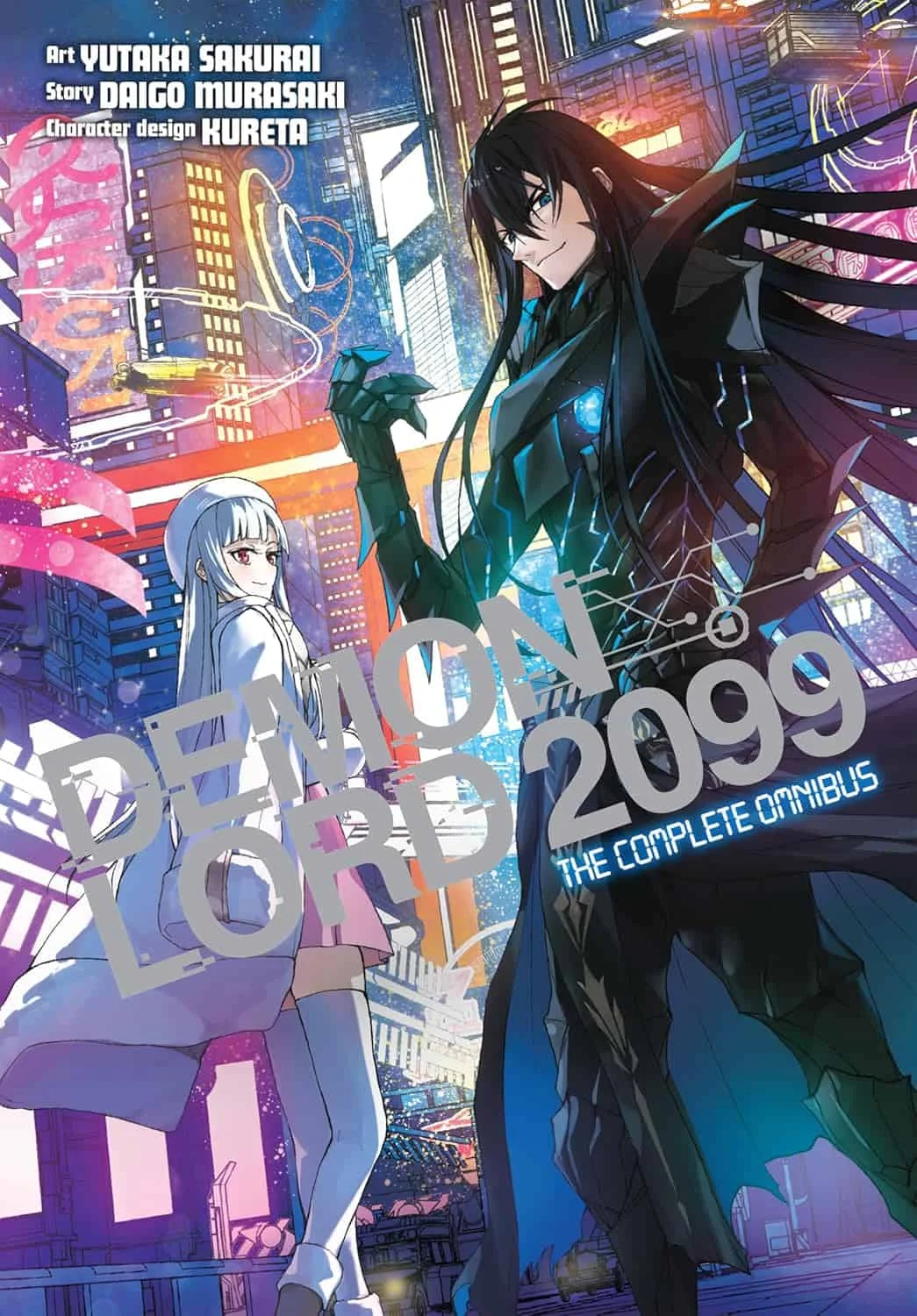
The Japanese light novel series Demon Lord 2099, penned by Daigo Murasaki and brought to life visually by Kureta, has seen a significant expansion into the manga medium, culminating in the recent release of Demon Lord 2099 The Complete Omnibus by Yen Press. This comprehensive collection encapsulates the narrative’s journey through two distinct manga adaptations, its initial serialization challenges, and a critically acclaimed anime television series produced by J.C.Staff, which aired from October to December 2024. The omnibus edition offers readers a singular, cohesive experience of this ambitious cyberpunk fantasy.
Genesis and Evolution of a Multiverse
The story of Demon Lord 2099 began with its light novel origins, establishing the premise of Veltol, the titular Demon Lord, awakening five centuries after his defeat to a radically transformed world. His return is not to the familiar landscapes of conquest but to the neon-drenched, technologically advanced metropolis of Shinjuku in the year 2099, a period known as the Fused Era. This era is characterized by an unprecedented synthesis of magic and technology, propelling civilization to new heights. However, Veltol’s reawakening comes with a stark realization: his former immense power has waned considerably, a fact quickly underscored by a violent encounter early in his reintroduction to existence.
His immediate salvation comes in the form of Machina, a devoted retainer who harbors deep affection for him, a sentiment forged from a pivotal moment centuries prior when Veltol saved her life. With Machina’s unwavering support, Veltol begins to navigate the complexities of this futuristic society, initially finding himself in a precarious position due to his 500-year unemployment gap and his past as a world-conquering entity, making him an unlikely candidate for conventional employment. This comedic juxtaposition of an ancient, all-powerful being struggling with modern-day job hunting forms a significant part of the series’ early humor.
The Rise of a Cyberpunk Icon and the Struggle for Power
The narrative quickly pivots as Veltol, with the assistance of a skilled hacker named Takahashi, ventures into the burgeoning world of live streaming. This unexpected career path proves remarkably successful, leading him to amass a million followers and, crucially, to begin regaining some of his lost power. This ascent coincides with the reign of Marcus, Veltol’s former comrade and now arch-nemesis, who commands Shinjuku through advanced technological means, particularly the ubiquitous "familias" – devices worn around the neck that bestow users with various abilities.
Marcus’s dominion, however, is not without its secrets. The series hints at a hidden mechanism powering the city, a revelation seemingly tied to a systematic hunting of immortals that has been ongoing for years. This intricate plotline introduces elements of mystery and corporate intrigue, elevating the narrative beyond a simple power struggle. The Fused Era’s societal structure, where traditional heroes are supplanted by digital influencers and streamers, provides a fertile ground for social commentary. The series also touches upon themes of political corruption and its insidious links with the yakuza, adding layers of realism to its fantastical setting.
A Visual Spectacle: Artistry in the Fused Era
The visual presentation of Demon Lord 2099 has been a consistent highlight, particularly in its manga adaptations. The artwork, credited to Yutaka Sakurai for the manga and Kureta for the original light novel character designs, is frequently lauded for its exceptional quality. The manga features numerous full-page sketches that exhibit a level of detail and artistic flair rarely seen in the medium. The use of dark, atmospheric panels is particularly striking, while multi-panel compositions showcase meticulous attention to detail.
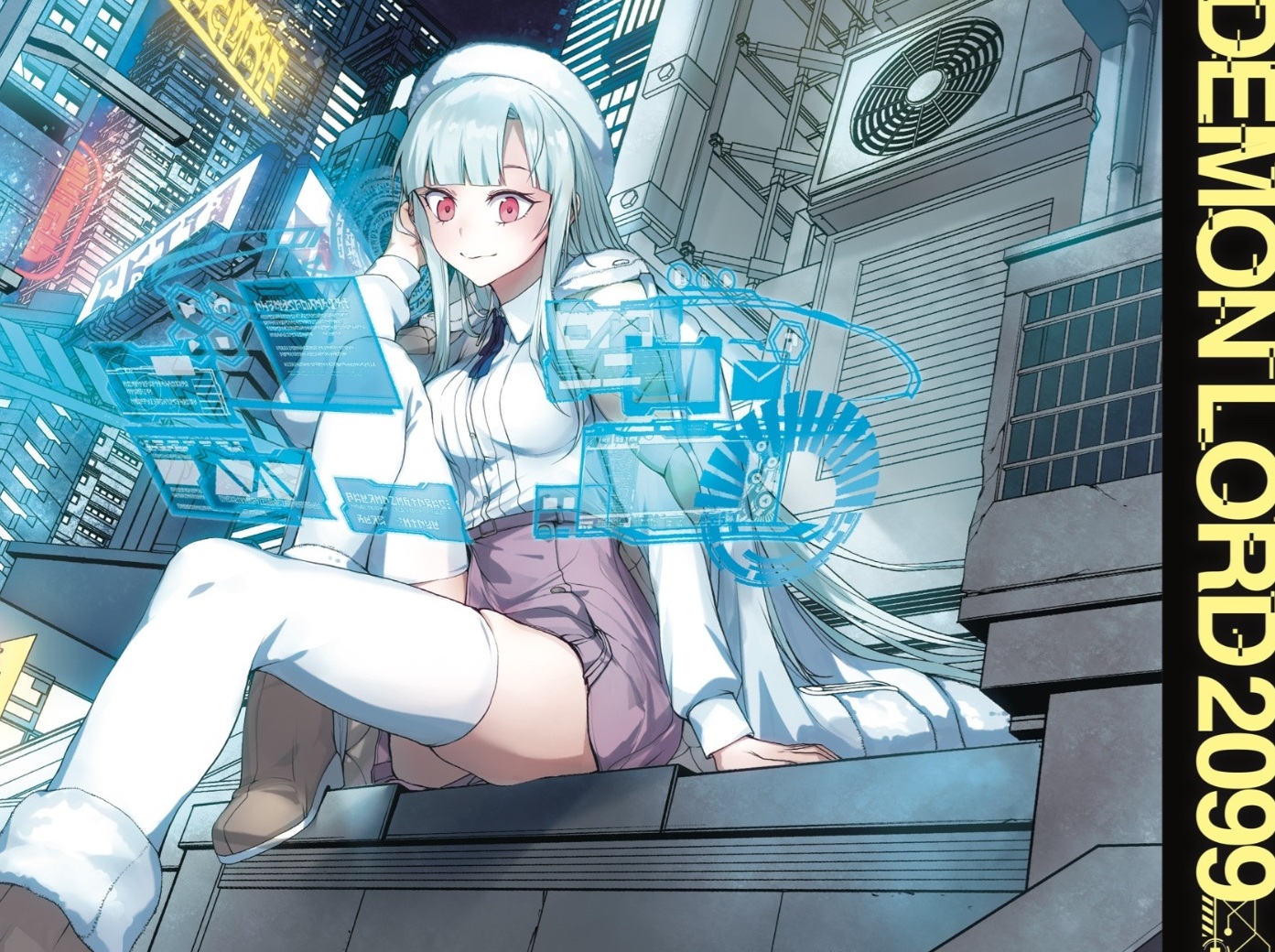
The depiction of motion, especially during the series’ dynamic action sequences, is a testament to the artists’ skill. The fluidity of character hair movement, indicative of their speed and the intensity of the combat, creates a series of memorable and visually arresting images. The strategic implementation of depth of field further enhances the immersive quality of the artwork, drawing readers deeper into the world of Shinjuku. Kureta’s original character designs, notably for the Demon Lord himself, are described as exquisite, with Veltol’s various transformations and appearances being particularly well-realized. The final confrontation, featuring Marcus, introduces another formidable and impressively rendered antagonist. Supporting characters such as Machina and the hero Gram are also noted for their detailed and compelling designs, with Takahashi possessing her own distinct visual appeal.
Narrative Progression and Thematic Resonance
The narrative arc of Demon Lord 2099 demonstrates a gradual shift in tone. While initially leaning heavily into humor, particularly through Veltol’s fish-out-of-water experiences, the story progressively embraces action as Veltol regains his powers. Each subsequent battle is designed to surpass the last in spectacle and intensity, transforming the series into a thrilling action-adventure. This blend of light drama, comedy, and high-octane action has been recognized as a successful formula, contributing to the manga’s status as a genuine page-turner.
Thematic explorations within Demon Lord 2099 offer significant depth. The commentary on the challenges faced by individuals unfamiliar with rapidly evolving technology and the societal costs associated with unchecked technological advancement resonates strongly with contemporary concerns. Furthermore, the series’ depiction of an era where traditional heroism is overshadowed by the influence of digital personalities and streamers provides a relevant critique of modern media consumption and celebrity culture. The integration of political corruption and yakuza influence into the plot adds a layer of gritty realism, grounding the fantastical elements in a recognizable societal framework.
Publication History and Adaptations: A Complex Journey
The path to the Demon Lord 2099 The Complete Omnibus has been marked by some logistical complexities. The initial manga adaptation, illustrated by Kiiro Akashiro, began serialization on Kadokawa Shoten’s Shonen Ace Plus platform on November 5, 2021. However, it was abruptly removed from the website on June 24, 2022, for reasons that remain undisclosed. This interruption highlighted the unpredictable nature of digital publishing and the potential fragility of online serialization.
A second manga adaptation was subsequently launched on the same platform, commencing its run on March 22, 2023, and concluding on August 7, 2024. This longer-running adaptation ultimately formed the basis for the Complete Omnibus edition, published by Yen Press, offering a complete and definitive physical representation of the manga’s narrative. The concurrent anime television series, produced by the renowned animation studio J.C.Staff, further broadened the series’ reach, airing from October to December 2024 and introducing Veltol’s story to an even wider audience. The success and critical reception of these various adaptations underscore the enduring appeal of the Demon Lord 2099 franchise.
Broader Impact and Future Prospects
The success of Demon Lord 2099 across multiple media formats indicates a strong appetite for original fantasy narratives that blend genre conventions with contemporary social commentary. The series’ ability to appeal to both fans of traditional fantasy and those drawn to cyberpunk aesthetics positions it as a significant entry in the modern light novel and manga landscape. The Complete Omnibus edition serves not only as a valuable collector’s item but also as an accessible entry point for new readers to explore Veltol’s epic journey.
The interwoven themes of technological advancement, societal change, and the nature of power are likely to continue sparking discussion among its readership. As the franchise matures, further explorations into the lore of the Fused Era, the machinations of its ruling powers, and the potential for Veltol’s full return to his former glory are anticipated. The sustained interest in the series, evidenced by its multiple adaptations and the comprehensive omnibus release, suggests a promising future for Demon Lord 2099 and its creators. The series stands as a testament to the evolving landscape of entertainment, where a single narrative can flourish and captivate audiences across novels, manga, and animated productions, offering a rich tapestry of storytelling that engages on multiple levels.