


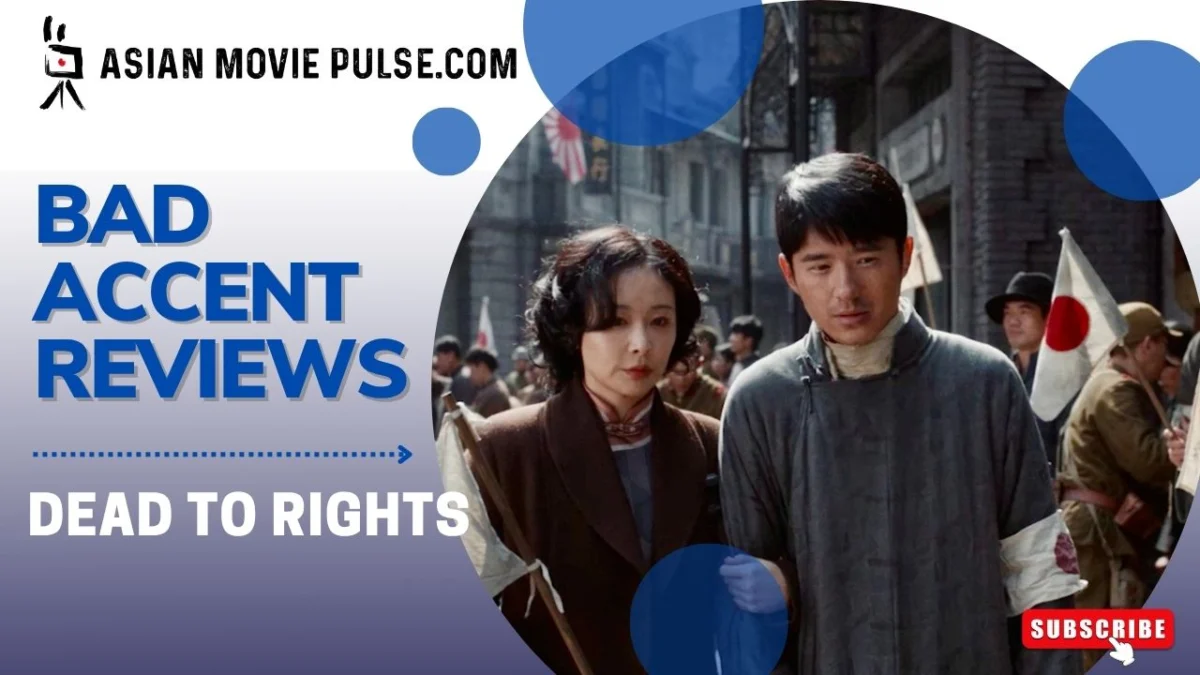
Dead to Rights, a monumental Chinese historical epic, has emerged as a significant cinematic achievement of recent years, courageously confronting the atrocities of the Nanjing Massacre through a narrative meticulously crafted around compelling characters and gripping drama. Directed by Ao Shen, the film features powerful performances from its ensemble cast, including Liu Haoran, Wang Chuanjun, Daichi Harashima, and Gao Ye, weaving together documented historical events with intense dramatic tension, visceral action, and profound emotional resonance. This review delves into the film’s origins in true historical events, its exploration of critical themes such as survival and morality, and its commendable technical execution, encompassing cinematography, editing, and sound design. Furthermore, it situates "Dead to Rights" within the broader cinematic discourse on the Nanjing Massacre, drawing comparisons with earlier significant works like "City of Life and Death" and "Black Sun: The Nanking Massacre." With an impressive box office performance exceeding $300 million and a wide international release, "Dead to Rights" stands as a major cinematic event, warranting close attention from aficionados of war dramas and historical cinema.
The Historical Crucible: Understanding the Nanjing Massacre
To fully appreciate the impact and significance of "Dead to Rights," a comprehensive understanding of the historical context it portrays is paramount. The Nanjing Massacre, also known as the Rape of Nanjing, was a period of mass murder and rape committed by Imperial Japanese troops against the residents of Nanjing, then the capital of China, following its capture on December 13, 1937, during the Second Sino-Japanese War. The events that unfolded over a period of six weeks remain one of the most horrific episodes of the 20th century, leaving an indelible scar on Sino-Japanese relations and the collective memory of the Chinese people.
The invasion of Nanjing was part of Japan’s broader expansionist agenda in China, which began in earnest in the 1930s. The fall of Shanghai in November 1937 had paved the way for the Japanese advance towards Nanjing. The Chinese defenders, outnumbered and outgunned, ultimately failed to repel the Japanese offensive, leading to the city’s occupation. What followed was a systematic campaign of brutality that shocked the world.
A Chronology of Horror: The Events of 1937-1938
The timeline of the Nanjing Massacre is crucial to grasping the scale of the tragedy.
- December 13, 1937: Japanese forces enter Nanjing, marking the beginning of the massacre. Chinese soldiers who had surrendered or been disarmed were often summarily executed. Civilians, including women and children, were subjected to widespread rape, looting, and murder.
- Late December 1937 – January 1938: The systematic killings and atrocities continued for approximately six weeks. Estimates of the death toll vary significantly, with Chinese sources generally citing figures around 300,000, while Japanese sources often present lower numbers, though the consensus among historians acknowledges a figure in the hundreds of thousands. The International Military Tribunal for the Far East (IMTFE) in Tokyo estimated that at least 200,000 Chinese civilians and unarmed soldiers were killed.
- Establishment of Safe Zones: Amidst the chaos, international individuals, primarily Western missionaries and diplomats, established "International Safety Zones" within Nanjing. These zones, notably the one managed by the International Committee for the Nanking Safety Zone, provided refuge for tens of thousands of civilians. Figures like John Rabe, a German businessman and Nazi Party member, played a critical role in sheltering Chinese civilians, demonstrating acts of remarkable humanity in the face of unspeakable barbarity.
- Post-Occupation and Documentation: Following the initial period of intense violence, sporadic killings and acts of brutality continued. The aftermath saw efforts to document the atrocities, though many records were lost or destroyed. The post-war trials, such as the IMTFE, attempted to hold perpetrators accountable, but many war criminals were never brought to justice.
"Dead to Rights": A Cinematic Reckoning
"Dead to Rights" aims to bring this harrowing period to life with a focus on the human experience amidst the unfathomable violence. Director Ao Shen’s approach, as evidenced by the film’s reception and critical analysis, appears to prioritize character development and emotional depth, allowing audiences to connect with the plight of individuals caught in the maelstrom of war. The film’s success in capturing the harrowing events through a character-driven narrative suggests a nuanced portrayal that moves beyond mere historical recounting to explore the psychological and emotional toll of such conflict.
The performances by Liu Haoran, Wang Chuanjun, Daichi Harashima, and Gao Ye are central to the film’s impact. Their ability to embody characters grappling with fear, loss, and the desperate will to survive is crucial in conveying the human cost of the massacre. Daichi Harashima’s role, in particular, likely provides a complex perspective, potentially offering insights into the actions and motivations of those on the opposing side, a common element in historical epics that seek to offer a multifaceted view of conflict.
Technical Prowess: Bringing History to Life
The film’s technical execution, as highlighted in the review, is a testament to modern filmmaking capabilities in recreating historical settings and emotional intensity.
- Cinematography: The visual language employed in "Dead to Rights" would be critical in conveying the atmosphere of occupied Nanjing. Cinematography can evoke the grim realities of war-torn streets, the stark contrast between moments of terror and fleeting instances of hope, and the intimate struggles of individuals. The use of lighting, framing, and camera movement would contribute significantly to the film’s immersive quality.
- Editing: The pacing and rhythm of the film, dictated by its editing, are vital for maintaining audience engagement and emotional impact. Seamless transitions between intense action sequences and quiet moments of reflection can heighten the drama and allow for the exploration of complex themes. The editing would also be responsible for shaping the narrative arc of the characters and the overall story.
- Sound Design: In a film depicting such visceral violence, sound design plays a pivotal role. The clatter of gunfire, the cries of victims, the eerie silence that can fall after moments of intense conflict, and the evocative score would all contribute to the film’s ability to transport viewers to the historical setting and amplify the emotional resonance of the depicted events. A sophisticated soundscape can be as impactful as any visual element in conveying the horror and chaos of the massacre.
Comparative Analysis: "Dead to Rights" and its Predecessors
The comparison of "Dead to Rights" with earlier cinematic depictions of the Nanjing Massacre, such as "City of Life and Death" (2009) and "Black Sun: The Nanking Massacre" (1995), provides valuable context for its place in film history and its approach to a sensitive subject.
- "City of Life and Death": Directed by Lu Chuan, this film is renowned for its stark realism and its focus on the experiences of both Chinese victims and some Japanese soldiers. It also incorporates the narrative of John Rabe and the International Safety Zone. "City of Life and Death" is praised for its unflinching portrayal of brutality and its exploration of moral ambiguity.
- "Black Sun: The Nanking Massacre": This Hong Kong film is known for its extremely graphic and often controversial depiction of the atrocities. It is one of the most visceral and explicit cinematic accounts of the massacre, aiming to shock audiences into confronting the reality of the violence.
"Dead to Rights," by achieving significant box office success and wide international release, suggests a film that may have found a balance between historical accuracy, dramatic storytelling, and broader audience appeal. While "Black Sun" is lauded for its raw depiction, it may have limited its audience due to its intensity. "City of Life and Death" is highly respected for its artistic merit and historical depth. "Dead to Rights" likely carves its own niche by combining a character-driven approach with technical excellence, potentially making the historical narrative more accessible and emotionally resonant for a global audience. The film’s $300 million box office success indicates its ability to connect with a wide range of viewers, a testament to its narrative power and cinematic execution.
Themes of Survival and Morality
At its core, "Dead to Rights" grapples with profound themes that transcend the historical context of the Nanjing Massacre. The film’s exploration of survival and morality is likely a central pillar of its narrative.
- Survival: In the face of systematic extermination, the innate human drive to survive becomes paramount. The film would explore the myriad ways individuals adapt, endure, and resist in the most dire circumstances. This could involve acts of bravery, cunning, sacrifice, and sheer resilience. The narrative might highlight the psychological toll of constant fear and the desperate measures people take to protect themselves and their loved ones.
- Morality: The massacre presented a stark landscape of moral choices, both for the perpetrators and the victims. The film may delve into the moral compromises individuals are forced to make, the moments of unexpected kindness and humanity amidst barbarity, and the ultimate questions of guilt, responsibility, and accountability. The presence of characters like those likely portrayed by Daichi Harashima, if they represent Japanese soldiers, could offer opportunities to explore the complexities of obedience, conscience, and the dehumanizing effects of war on all involved.
Broader Implications and Official Responses
The cinematic portrayal of historical events, especially those as sensitive as the Nanjing Massacre, carries significant implications. "Dead to Rights" contributes to the ongoing global discourse surrounding historical memory and reconciliation.
- Historical Memory and Education: Films like "Dead to Rights" play a crucial role in educating younger generations and international audiences about the Nanjing Massacre, ensuring that these events are not forgotten. By presenting a compelling narrative, the film can foster empathy and understanding, encouraging a deeper engagement with history.
- Sino-Japanese Relations: The Nanjing Massacre remains a sensitive point in Sino-Japanese relations. While China seeks acknowledgment and remembrance, Japan’s historical narrative surrounding the war has been a subject of ongoing debate and occasional tension. Films that address the massacre can spark renewed discussions and, ideally, contribute to a more nuanced understanding of the past.
- Official Responses: While the article does not detail specific official responses to "Dead to Rights," the film’s success suggests it has resonated within China, likely receiving official endorsement or at least tacit approval for its portrayal of a critical national historical event. Internationally, the film’s wide release indicates efforts to share this narrative globally, potentially prompting academic and diplomatic discussions.
Availability and Further Engagement
"Dead to Rights" is currently available for digital viewing through Echelon Studios, with the provided link serving as a direct gateway for interested viewers to access the film: https://echelonstudios.us/dead-to-rights/. This accessibility ensures that the film’s powerful narrative and important historical message can reach a broad audience, fulfilling its potential as a significant cultural and educational work. The continued availability of such films is crucial for perpetuating historical awareness and fostering dialogue about the enduring lessons of past conflicts. The film’s critical and commercial success positions it as a vital contribution to the cinematic legacy of war dramas and historical epics, offering a poignant and impactful examination of one of history’s darkest chapters.