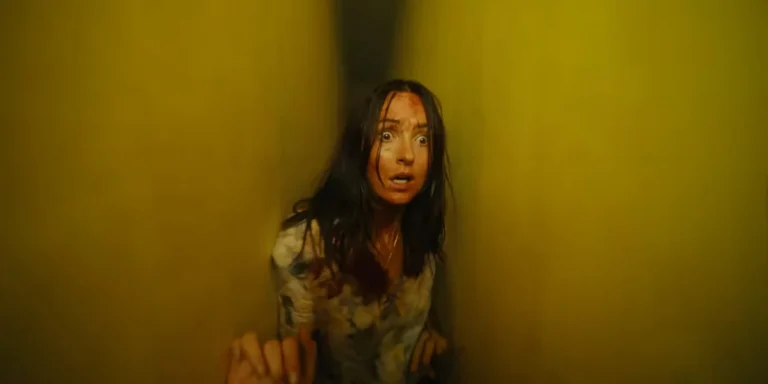
The 2025 Sundance Film Festival, a pivotal platform for independent cinema, has once again served as the launchpad for groundbreaking and audacious storytelling. Among the most talked-about features making its debut in the highly anticipated Midnight category is Grace Glowicki’s directorial effort, "Dead Lover." This Canadian comedy, co-written by Glowicki, Ben Petrie, Leah Doz, and Lowen Morrow, offers a contemporary and darkly humorous reinterpretation of Mary Shelley’s seminal 1818 novel, "Frankenstein; or, The Modern Prometheus." The film captivated audiences and critics alike, earning widespread acclaim for its innovative approach, Glowicki’s multi-faceted performance, and the meticulous technical craftsmanship evident in its makeup, production design, sound, and lighting.
"Dead Lover" centers on a woman’s desperate and unconventional attempt to resurrect her deceased lover, a premise that immediately sets it apart with its blend of gothic romance and absurdist comedy. The film’s journey began with its selection for the Sundance Film Festival, a highly competitive event that typically showcases between 100 to 135 feature films annually from over 14,000 submissions. The Midnight category specifically highlights genre films that push boundaries and explore darker, more experimental themes, making "Dead Lover" a natural fit for this prestigious showcase. Its premiere at Sundance on [Insert approximate date of Sundance 2025 premiere if available, otherwise state "earlier this year"] marked the culmination of years of creative development and production.
A Modern Prometheus in the Digital Age
The inspiration drawn from Mary Shelley’s "Frankenstein" is not merely thematic but also serves as a rich subtext for exploring contemporary anxieties surrounding life, death, love, and the very nature of creation. Shelley’s novel, penned during a period of intense scientific and philosophical inquiry, questioned the hubris of human ambition and the ethical implications of playing God. "Dead Lover," by transplanting this narrative into a modern comedic framework, invites audiences to consider these enduring questions through a fresh, and perhaps unsettlingly relatable, lens. The act of resurrection, once confined to the realm of gothic horror and scientific experiment, is now framed within the context of personal grief and an all-consuming desire to reclaim what has been lost.
Grace Glowicki, who not only directed but also co-wrote and stars in "Dead Lover," has been lauded for her singular vision and commanding presence. Her performance as the protagonist is central to the film’s success, navigating the complex emotional terrain of profound loss while embracing the inherent absurdity of her situation. The collaborative writing process, involving Petrie, Doz, and Morrow, suggests a shared commitment to developing a narrative that is both intellectually stimulating and viscerally engaging. The co-writing team likely worked to imbue the script with layers of wit, pathos, and a keen understanding of the comedic potential within such a macabre premise.
Critical Acclaim and Technical Prowess
The positive reviews following "Dead Lover’s" Sundance debut underscore the film’s multifaceted strengths. Critics specifically highlighted Glowicki’s direction, praising her ability to balance the film’s comedic elements with its underlying emotional weight. Her performance has been described as both nuanced and fearless, a testament to her command of the material. Beyond the central performance and direction, the technical aspects of the film have also garnered significant attention.
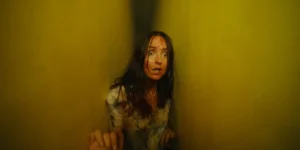
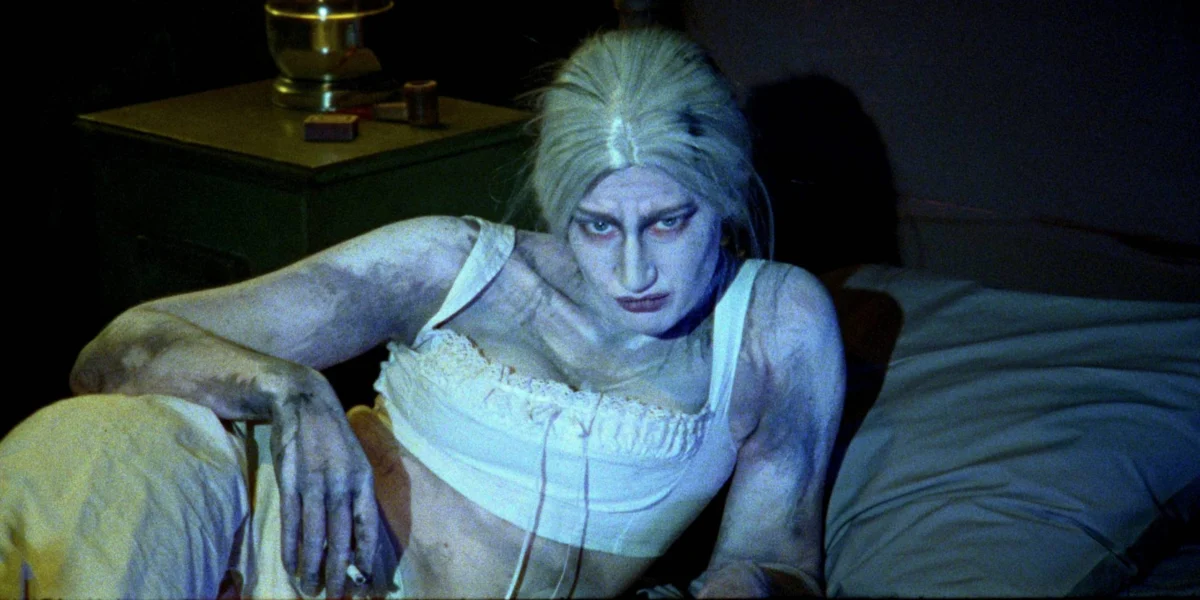
The makeup design, often crucial in films dealing with themes of reanimation and transformation, has been singled out for its innovative and effective execution. In a narrative where the resurrection of a loved one is central, the visual representation of this process would be paramount in establishing the film’s tone and believability, even within a comedic context. Similarly, the production design likely plays a critical role in creating a world that is both familiar and subtly unsettling, reflecting the film’s thematic concerns. The sound design and lighting are also noted as contributing factors to the film’s overall impact, suggesting a carefully crafted atmosphere that enhances both the humor and the emotional resonance of the story. These elements, when working in concert, can elevate a film from a simple narrative to an immersive sensory experience.
Sundance: A Launchpad for Independent Cinema

The Sundance Film Festival, established in 1981 by Robert Redford, has become the premier showcase for independent film in the United States. Held annually in Park City, Utah, it attracts filmmakers, industry professionals, and cinephiles from around the globe. The festival is renowned for its role in discovering and promoting new talent, providing a vital platform for films that might otherwise struggle to find distribution. Over the years, Sundance has been instrumental in launching the careers of countless directors and actors, and its selections often go on to critical and commercial success. For a film like "Dead Lover," a premiere at Sundance provides invaluable exposure, critical validation, and the potential for lucrative distribution deals. The festival’s discerning audience and influential press corps offer an immediate barometer of a film’s artistic merit and audience appeal.
Distribution and Audience Engagement
Following its successful festival run, "Dead Lover" has secured distribution through Cartuna and Dweck Productions, with the film now available in theaters. This indicates a strong belief in the film’s commercial viability and its potential to resonate with a wider audience. The partnership with these production and distribution companies suggests a strategic approach to bringing the film to the public, aiming to capitalize on the buzz generated at Sundance. The fact that the film is currently playing in theaters signifies its transition from festival darling to a publicly accessible cinematic experience.
The accompanying interview with Grace Glowicki, available in video and audio formats, offers an intimate glimpse into the creative process behind "Dead Lover." Such interviews are crucial for filmmakers to connect with their audience, share their inspirations, and elaborate on the artistic choices made during production. Glowicki’s willingness to discuss her work openly underscores her engagement with the film’s reception and her desire to foster a deeper understanding of its themes and execution. The embedded player and links to subscribe to the Next Best Picture Podcast further highlight the media’s role in disseminating and amplifying these cinematic conversations.
The "Next Best Picture" Podcast and its Role
The mention of the "Next Best Picture Podcast" and its affiliation with the Evergreen Podcasts Network points to the growing ecosystem of independent media dedicated to film criticism and discussion. Podcasts have become an increasingly important medium for engaging with cinema, offering in-depth analysis, interviews, and community building. The invitation for listeners to review the podcast on Apple Podcasts and support it through Patreon demonstrates a commitment to fostering an active and engaged audience. This type of support is vital for independent media outlets to continue providing valuable content and supporting the wider film community.
Analysis of Implications
The success of "Dead Lover" at Sundance and its subsequent theatrical release carry several implications for the independent film landscape. Firstly, it reinforces the enduring appeal of classic literary works as source material for contemporary storytelling, provided they are approached with originality and a fresh perspective. The film’s ability to blend humor with profound themes like grief and mortality suggests a growing audience appetite for genre-bending narratives.
Secondly, the accolades for its technical aspects—makeup, production design, sound, and lighting—underscore the importance of craft in independent filmmaking. These elements, often overlooked in discussions focused solely on narrative, are crucial in creating immersive and memorable cinematic experiences. The film’s success serves as an encouragement for filmmakers to invest in and prioritize these often-underfunded areas.
Finally, "Dead Lover" exemplifies the power of the Sundance Film Festival as a launchpad for diverse and innovative voices. Grace Glowicki’s multi-hyphenate role as director, writer, and star highlights the emerging trend of auteur-driven projects within independent cinema. Her success, and that of her collaborators, will undoubtedly inspire other emerging filmmakers to pursue their unique visions with conviction. The film’s journey from festival premiere to theatrical release is a testament to the resilience and vibrancy of the independent film industry, demonstrating that compelling, original stories can still find their audience and make a significant cultural impact. As audiences engage with "Dead Lover" in theaters, its themes and artistic achievements are poised to spark further conversations about love, loss, and the ever-evolving nature of human connection in the 21st century, all through the darkly comedic lens of a modern-day Frankensteinian tale.