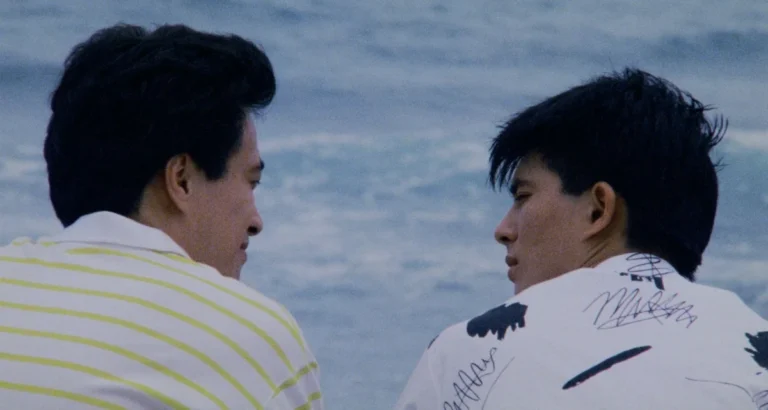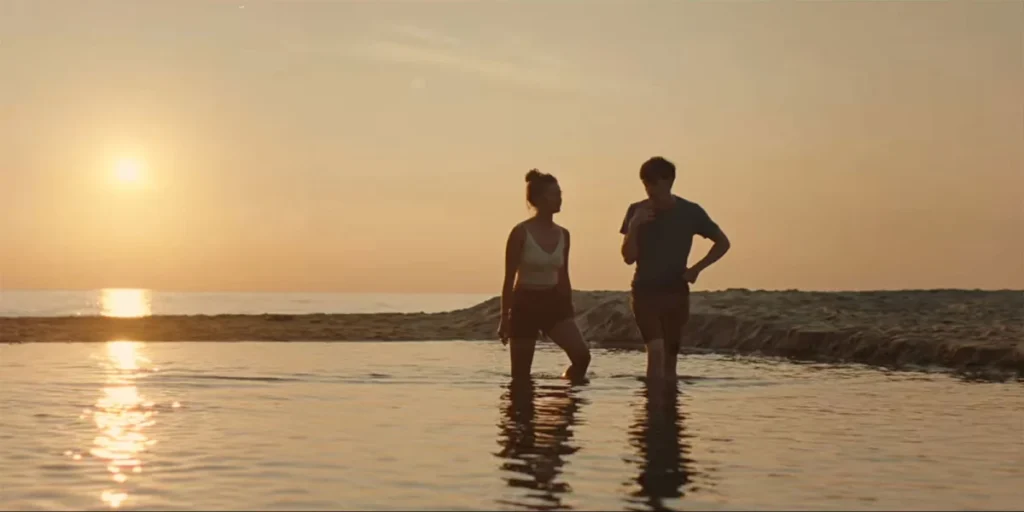



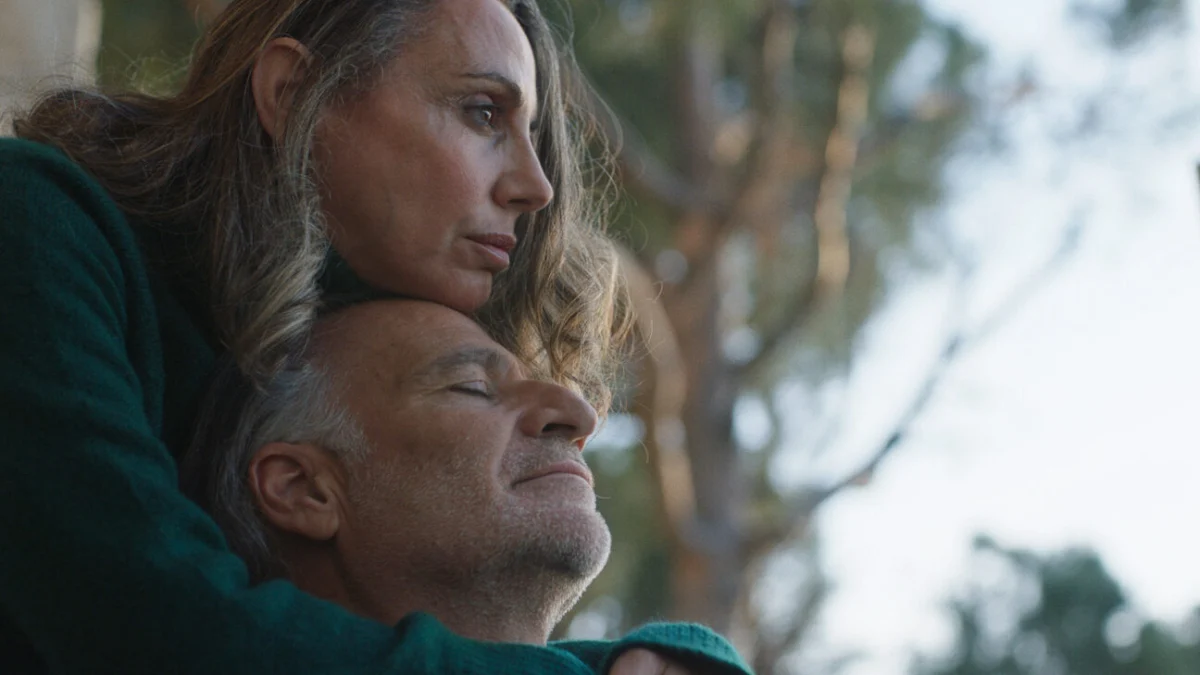
Lebanese director Sarah Francis’s latest cinematic offering, "Dead Dog," has garnered significant international attention following its world premiere at the International Film Festival Rotterdam (IFFR) in the prestigious Harbour section. This introspective drama, celebrated for its nuanced portrayal of strained marital relationships and the enduring impact of societal pressures, marks another significant step in Francis’s burgeoning career, building upon the critical acclaim of her previous works, "Birds of September" and "As Above, So Below." The film’s journey has been further bolstered by robust regional support, including backing from key institutions like the Doha Film Institute and the Red Sea Film Fund, underscoring a growing trend of collaborative efforts within contemporary Arab independent cinema. Produced by Lara Abou Saifan through Placeless Films, "Dead Dog" has since embarked on a robust international festival circuit, captivating audiences and critics alike at esteemed events such as the Sao Paulo International Film Festival, the Sarajevo Film Festival, and the Cairo International Film Festival.
Critical Acclaim and Festival Success
The film’s festival run has been punctuated by significant accolades, cementing its position as a noteworthy entry in the global cinematic landscape. A particular highlight was its performance at the Cairo International Film Festival, where "Dead Dog" was honored with the Saad Eldin Wahba Award for Best Arabic Film, a testament to its profound narrative and execution. Furthermore, lead actress Chirine Karameh received the Best Actress award at the Next Generation Awards, recognizing her compelling and understated performance. This dual recognition at a major regional festival underscores the film’s resonance with both critics and audiences within the Arab world, while its international festival showings highlight its universal themes and artistic merit.
The journey of "Dead Dog" to these prominent platforms began with its premiere at IFFR, a festival renowned for showcasing cutting-edge and independent cinema. Its inclusion in the Harbour section, which typically features films that push boundaries and explore complex human experiences, signaled the film’s artistic ambition. From Rotterdam, the film’s trajectory followed a carefully curated path to other influential festivals, each providing a unique stage for its reception. The Sao Paulo International Film Festival, known for its diverse programming and engagement with Latin American cinema, offered a new cultural context. Subsequently, its screening at the Sarajevo Film Festival, a hub for filmmakers from Eastern Europe and beyond, provided an opportunity for broader European engagement. The Cairo International Film Festival, as mentioned, served as a significant homecoming of sorts, celebrating its Arabic roots and achieving critical recognition.
Narrative and Thematic Depth
"Dead Dog" unfolds over a concentrated period of four days, meticulously charting the reunion of a middle-aged couple, Aida and Walid, within the evocative setting of a semi-abandoned family home nestled in the Lebanese mountains. Aida, who has been residing in the bustling metropolis of Beirut, learns of Walid’s unexpected return to their ancestral home, a place he inherited from his parents and where he has been living in solitude. Intrigued and perhaps apprehensive about his clandestine reappearance, she decides to join him. This decision initiates a reunion characterized by palpable tension and a fragile emotional landscape, deeply scarred by years of separation, unspoken resentments, and a pervasive sense of emotional exhaustion.
The interactions between Aida and Walid are defined by a deliberate hesitancy and an almost suffocating ambiguity. Both characters appear to be guarding secrets, cautiously navigating the remnants of a relationship that has weathered significant storms. Their dialogue is often sparse, laden with subtext, and punctuated by long, meaningful silences. This deliberate pacing allows the audience to observe the subtle shifts in their body language, the fleeting glances, and the guarded expressions that reveal more than any spoken word.
As the narrative progresses, the underlying fractures that have defined their marriage begin to surface. A central thematic concern is the pervasive impact of male emigration for work, a long-standing socio-economic reality in Lebanon that has created significant distances and emotional voids within families. Walid’s extended periods abroad have evidently taken a toll on their union, leaving Aida to manage her life in Beirut while he navigates his existence elsewhere. The film subtly explores the sacrifices made by both partners and the emotional toll of prolonged separation on intimacy and connection.
The presence of their dog, Punto, becomes an unexpectedly potent symbol within their dynamic. Far from being a mere pet, Punto’s role evolves, serving as an unexpected focal point of tension, a representation of their shared past, and a tool that can be subtly manipulated by either Aida or Walid to gauge reactions or express unspoken emotions. The introduction of an angry relative further complicates their already precarious situation, adding an external element of conflict that forces the couple to confront their issues in a more direct, albeit still fraught, manner. This character’s presence serves to highlight the intergenerational dynamics and familial expectations that may also contribute to the couple’s marital struggles.
Cinematic Approach and Artistic Vision
Director Sarah Francis has opted for a minimalist cinematic approach, a stylistic choice that lends "Dead Dog" the intimate feel of a stage play. The narrative is largely confined to the interior of the family house, with occasional shifts in setting that serve to punctuate the unfolding drama. The primary cinematic value is derived from the subtle yet effective changes in atmosphere and the meticulous attention to visual detail. Despite the confined setting, the tension is palpable from the outset, as Aida and Walid carefully attempt to re-establish a connection without divulging the full extent of their experiences during their time apart.
The initial facade of calm gradually erodes, giving way to an outpouring of accusations and bitterness. These moments of emotional release inject a heightened intensity into the film, yet Francis masterfully diffuses this intensity through strategically placed silences and a series of meditative shots. The cinematography, helmed by DP Mark Khalife, plays a crucial role in this atmospheric construction. Khalife’s work imbues the film with a visual poetry, capturing the melancholic beauty of the Lebanese mountains and the stark intimacy of the domestic space. The interplay of light and shadow, the framing of intimate close-ups, and the expansive shots of the surrounding landscape all contribute to the film’s emotional resonance.
While the film largely emphasizes restraint, the moments where the established rhythm is deliberately broken are particularly impactful. These deviations from the norm are not accidental; they appear to be a conscious artistic choice, designed to jolt the audience and underscore the volatile nature of the couple’s emotional state.
A particularly memorable scene takes place in a restaurant, where the consumption of alcohol appears to loosen the couple’s inhibitions. Aida, in particular, rediscovers a semblance of her former cheerfulness, reminiscing about the initial sparks of attraction that drew her to Walid. These moments of shared laughter and rediscovered joy offer a glimpse of what was once, and perhaps could still be, but they are ultimately fleeting, overshadowed by the weight of their unresolved issues. A later scene in a bedroom even hints at a potential rekindling of intimacy, but the film makes it clear that the deeply entrenched problems within their marriage are not easily overcome. The effort both Aida and Walid invest in attempting to reconnect is evident, as is the understanding that the cycle of bitterness and misunderstanding they have entered will not close easily.
Strengths and Limitations
The overall minimalist and meditative tone of "Dead Dog" is a significant strength, contributing to its unique atmosphere. However, there are instances, particularly in the latter half of the film, where this approach can lead to a sense of narrative fatigue. The lack of distinct narrative peaks in certain stretches can make the film feel somewhat tedious, testing the patience of some viewers.
Despite these moments of potential tedium, two key factors prevent "Dead Dog" from losing its grip on the audience. Firstly, the exceptional acting performances by Chirine Karameh and Nida Wakim are consistently compelling. They manage to maintain a difficult sense of emotional measure throughout, portraying complex characters with authenticity and grace. Their chemistry, even in its strained and fractured state, remains a magnetic force that draws the viewer into their world.
Secondly, the film’s judicious use of music offers much-needed flair. The subtle inclusion of well-known pop and rock songs, often appearing at unexpected moments, provides a poignant counterpoint to the film’s somber themes. These musical interludes can evoke nostalgia, underscore emotional shifts, or offer a brief respite from the intensity of the interpersonal drama, serving as a vital element in the film’s overall texture.
In conclusion, "Dead Dog" is a film that, despite its undeniable artistic merits and moments of profound insight, ultimately struggles to maintain a consistent sense of urgency and tension. While parts of the narrative are deeply engaging, the film’s deliberate pacing and introspective nature can, at times, lead to a work that, while memorable in its individual scenes and performances, risks being somewhat easy to forget in its entirety. Sarah Francis has crafted a film that is both a testament to the resilience of the human spirit and a stark depiction of the challenges that can erode even the strongest of bonds. Its journey through international festivals suggests a desire to engage in broader conversations about relationships, societal pressures, and the enduring complexities of love and loss.