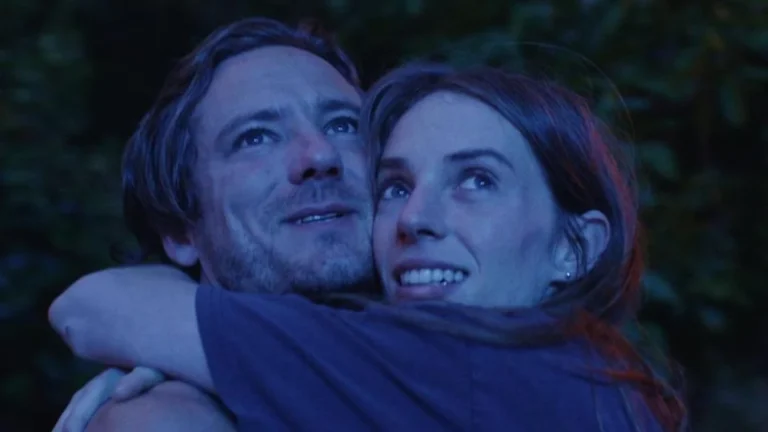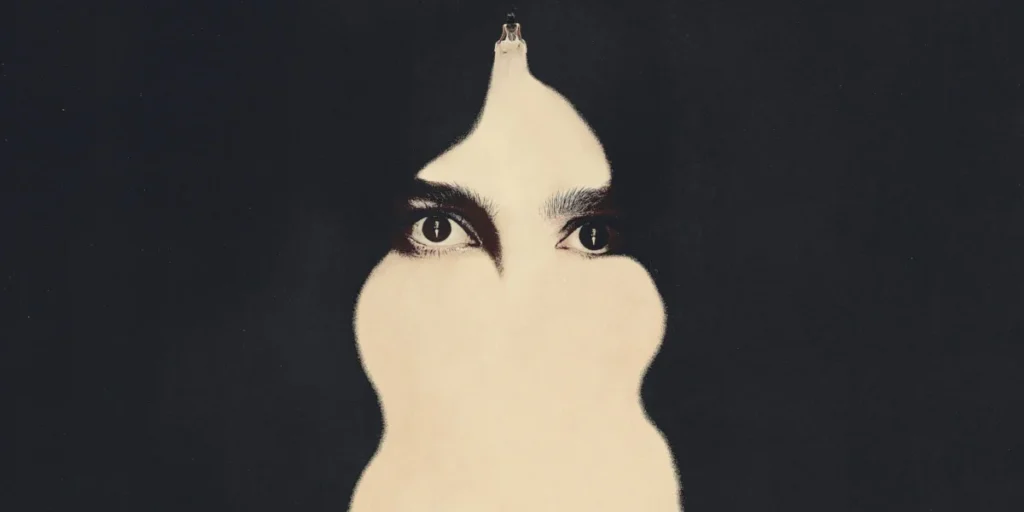


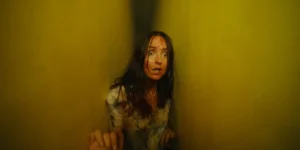
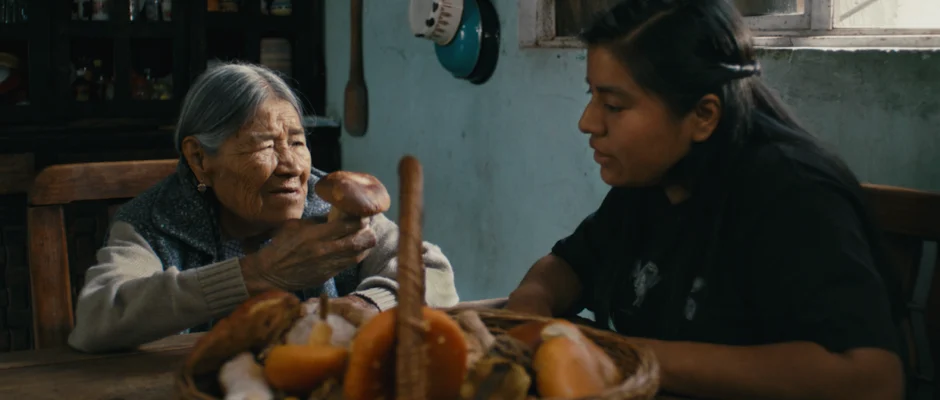
Daughters of the Forest explores the intricate intersection of ancestral Indigenous knowledge, modern mycology, and the preservation of cultural identity in the face of environmental and institutional adversity. Directed by Mexican filmmaker Otilia Portillo Padua, the documentary follows the lives of two women, Lis and Juli, as they navigate the verdant, mushroom-rich enclaves of Mexico. The film, which held its simultaneous premiere at the South by Southwest (SXSW) Film & TV Festival and Copenhagen’s International Documentary Film Festival (CPH:DOX) on March 13, arrives at a moment of heightened global interest in the ecological and therapeutic potential of fungi. However, rather than catering to a commercialized "shroom boom," the film centers on the matrilineal networks of knowledge that have sustained Indigenous communities for generations.
The Convergence of Ancestral Wisdom and Academic Science
The narrative of Daughters of the Forest is anchored by the dual pursuits of its protagonists, Lis and Juli. Both women possess a deep-seated understanding of the mycological world—a knowledge base calibrated over centuries to distinguish between the medicinal, the culinary, the spiritual, and the lethal. In these communities, the transmission of this information mirrors the mycelial networks beneath the forest floor: a vast, invisible, and highly efficient system of communication and support.
While their heritage provides a foundation of "homeopathic" or traditional understanding, Lis and Juli are actively pursuing formal academic recognition in the field of agricultural science. This pursuit is presented not as a rejection of their roots, but as a strategic move to secure "legitimacy" within a Western institutional framework. By obtaining academic credentials, the women aim to bring formal visibility to the scientific strides their communities have made autonomously for centuries.
This journey is fraught with systemic obstacles. The film documents an "uphill battle" characterized by institutional discrimination against Indigenous scholars and the gradual erosion of Indigenous languages. Furthermore, the physical environment that sustains their study—and their culture—is under constant threat from illegal logging and climate instability. Despite these pressures, the film posits a future of possibility, suggesting that the integration of traditional and modern science may offer a roadmap for environmental resilience.
Chronology of Production and Aesthetic Innovation
The development of Daughters of the Forest coincided with the global COVID-19 pandemic, a period that saw a surge in public interest in foraging and the perceived "healing powers" of mushrooms. Director Otilia Portillo Padua, working alongside producer Paula Arroio, initially explored the concept of foraging as a point of entry into the natural world. However, the project evolved as the team recognized a disconnect between the capitalistic commodification of fungi—often marketed as "superfoods" or "antidepressant alternatives"—and the reality of the people who serve as the fungi’s stewards.
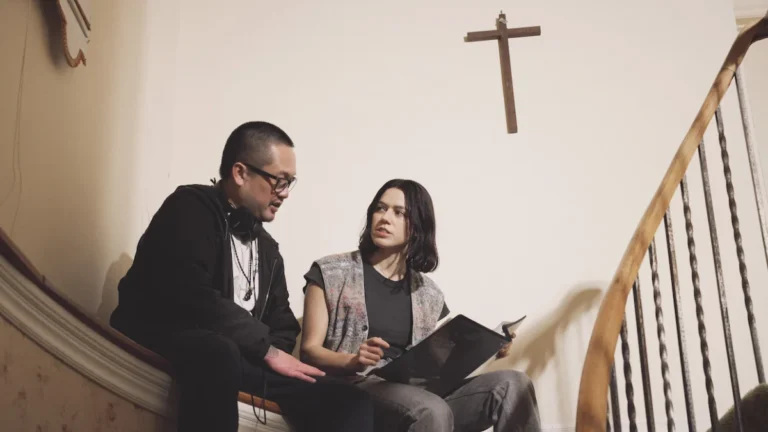
Padua, who holds a background in architecture, applied a structural lens to the filmmaking process. Eschewing the traditional linear "hero’s journey" or three-act structure, she opted for a narrative format that mimics the non-linear, interconnected growth of a mycelial web. This approach allows the film to function as an ecosystem, where the subjects, the environment, and the organisms themselves are given equal weight.
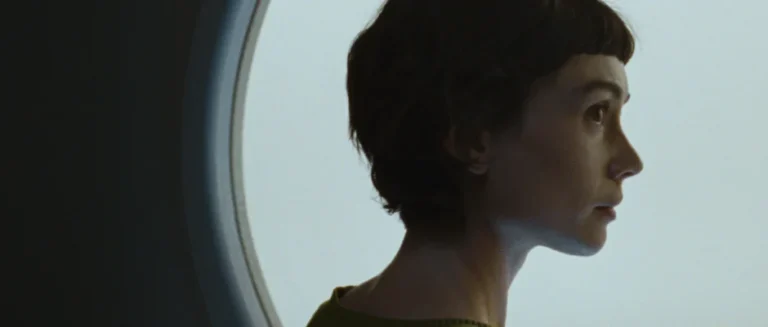
Technically, the film employs a "sci-fi" aesthetic to visualize the invisible aspects of mycology. Rather than relying on 3D computer-generated imagery (CGI), the production team utilized 2D composites, layering and projecting footage of actual spores filmed in Padua’s garage. These visuals are intended to place the viewer within the "journey of the spore," providing a non-human perspective on the lifecycle of the forest.
Supporting Data: The Mycological Landscape of Mexico
Mexico is recognized as one of the world’s primary hubs of mycological diversity. According to data from the National Autonomous University of Mexico (UNAM), the country is home to over 300 species of edible mushrooms and a significant percentage of the world’s known psychoactive species. For Indigenous communities in states such as Oaxaca, Michoacán, and Puebla, mushrooms are not merely a food source but a vital component of local economies and ritual practices.
The film highlights the high stakes involved in this traditional knowledge. In one segment, Padua discusses the consumption of white Amanita mushrooms. While certain varieties are edible if prepared with specific, time-intensive techniques, they are morphologically similar to deadly species that can cause irreversible liver failure. The film notes that the line between life and death in these forests is often drawn by the accuracy of the knowledge passed down from grandmothers to granddaughters—a process that Padua describes as "the line between life and death."

The Role of the "Holy Mushroom" and Speculative Fiction
A pivotal sequence in the documentary involves Juli’s consumption of a psychedelic "holy mushroom." This ritual is presented with solemnity and historical weight, as Juli seeks the same spiritual guidance her late father received years prior. To translate this experience to the screen, Padua conducted interviews with Juli 48 hours after the event, using her descriptions to craft an abstract visual language.
The film also gives the mushrooms a literal "voice." Through a layered soundscape of multiple voices—including Juli, her grandmother, and her siblings—the organisms meditate on their divine purpose of "transforming death into life." This choice was a point of internal debate during production, as the team sought to avoid anthropomorphizing the fungi while still conveying the emotional and communicative power described by those who interact with them.
Padua categorizes the film as a work of "Indigenous sci-fi" or "speculative fiction," citing the influence of theorists like Donna Haraway and Adrienne Maree Brown. By framing the documentary through a sci-fi lens, Padua argues that the film can "rethink the present and the future." This perspective moves away from the "magical realism" often attributed to Latin American storytelling, focusing instead on how "other forms of knowledge" can disrupt the current trajectory of environmental and social decline.
Official Responses and Cultural Impact
The premiere of Daughters of the Forest at SXSW and CPH:DOX marks a significant milestone for Mexican documentary cinema. Programming directors at these festivals have noted the film’s ability to blend high-concept visual experimentation with grounded, human-centric reporting.
Community leaders within the regions where the film was shot have expressed that the documentary serves as a vital record of their ongoing struggle for land rights and cultural recognition. The film’s focus on women as the primary keepers of mycological knowledge also aligns with a broader movement in Mexico to recognize the role of Indigenous women in environmental conservation and food sovereignty.
Industry analysts suggest that the film’s unique aesthetic and timely subject matter will likely secure it a place in educational curricula and international film circuits. By bridging the gap between "science" and "belief," the film challenges audiences to reconsider their relationship with the natural world.
Broader Implications and Environmental Analysis
Beyond its narrative and aesthetic contributions, Daughters of the Forest addresses the critical issue of biodiversity loss. Mexico loses approximately 150,000 to 200,000 hectares of forest annually due to illegal logging and agricultural expansion. This deforestation directly impacts the mycelial networks that sustain forest health, as mushrooms play a crucial role in nutrient cycling and carbon sequestration.
The film posits that the loss of Indigenous languages is inextricably linked to this environmental degradation. As the specific names for fungi and the traditional instructions for their use disappear, so too does the community’s ability to manage the ecosystem effectively. The "spore-like" actions of individuals like Lis and Juli—small, localized efforts to study and preserve their environment—are presented as the essential building blocks for a broader transformation.
In its conclusion, the film emphasizes that the coexistence of scientific rigor and spiritual tradition is not only possible but necessary. As the director notes, the goal is to inspire a future where a young girl can believe in the "holy mushroom" while simultaneously pursuing a career as a research scientist. Daughters of the Forest ultimately serves as a call to imagine "other alternatives" to a world currently defined by ecological and social crisis, using the humble mushroom as a guide for interconnectedness and survival.