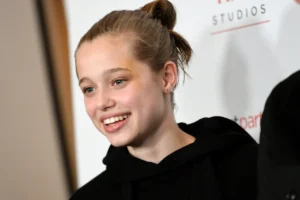




A recent digital publication dated March 30, 2026, highlighted a prominent figure in the online content creation sphere, known for her strategic engagement across multiple platforms. The article, while initially presented as a ‘guess who’ feature, ultimately revealed Sky Bri as the individual in question, showcasing a photograph that emphasized her physique. This instance serves as a microcosm of broader trends within the rapidly expanding creator economy, where individuals leverage platforms such as OnlyFans, Instagram, and TikTok to cultivate personal brands, generate revenue, and engage with diverse audiences. The strategic dissemination of content, including visually engaging imagery, is a cornerstone of this digital entrepreneurship model, aiming to drive traffic and foster community across various digital touchpoints.
The Ascendance of the Creator Economy
The digital landscape has undergone a profound transformation over the past decade, giving rise to what is now widely recognized as the creator economy. This economic model empowers individuals to monetize their skills, creativity, and personal brand directly through digital content. Platforms like YouTube, Instagram, TikTok, and OnlyFans have democratized content creation, shifting influence from traditional media gatekeepers to independent creators. As of late 2025, estimates place the global creator economy’s valuation well over $200 billion, with projections indicating continued exponential growth. This growth is fueled by increasing internet penetration, advancements in mobile technology, and a societal shift towards personalized and niche content consumption.
Creators like Sky Bri exemplify this new paradigm. Their success is often predicated on a multi-platform strategy, where each channel serves a distinct purpose in their overall branding and monetization efforts. Instagram typically functions as a public-facing portfolio and engagement hub, TikTok as a virality engine for short-form video content, and platforms like OnlyFans as exclusive subscription-based services offering more intimate or specialized content. This ecosystem allows creators to diversify their income streams, reduce reliance on any single platform, and build resilient fan bases.
Sky Bri’s Multi-Platform Strategy and Digital Footprint
Sky Bri has established a significant presence across several key digital platforms, illustrating a sophisticated understanding of the modern content distribution landscape. Her content spans various formats and accessibility levels, from publicly available posts on Instagram and TikTok to subscription-gated material on OnlyFans. This layered approach is characteristic of successful digital creators who aim to maximize reach while also catering to dedicated, paying subscribers.
Her engagement with platforms like Instagram involves curating a public image that resonates with a broad audience, often featuring lifestyle content, fashion, and personal updates. On TikTok, the emphasis shifts to short, engaging videos designed for viral potential, tapping into trends and meme culture. The mention of her "tanned physique" in the original article context, while sensationalized, points to a deliberate strategy of visual branding that aligns with the aesthetic preferences of her target demographic. Such imagery, often used as a ‘teaser,’ plays a crucial role in directing followers to more exclusive content offerings, particularly on platforms like OnlyFans.
The OnlyFans Phenomenon: A New Model for Content Monetization
OnlyFans has emerged as a particularly influential platform within the creator economy, fundamentally altering how creators monetize direct fan engagement. Launched in 2016, the platform experienced explosive growth, particularly between 2020 and 2022, largely driven by its model of allowing creators to offer exclusive content to paying subscribers. By 2025, OnlyFans boasted over 2 million creators and more than 200 million registered users globally, with creators collectively earning billions of dollars. The platform takes a 20% commission on earnings, leaving 80% for the creators, a model that has proven highly attractive compared to traditional media avenues.
The platform’s appeal lies in its direct creator-to-fan model, which fosters a sense of intimacy and exclusivity. For creators, it offers unparalleled autonomy over their content, pricing, and audience interaction, circumventing traditional advertisers or network executives. While OnlyFans is widely associated with adult content, it also hosts a diverse range of creators, including fitness instructors, musicians, chefs, and artists, all utilizing the subscription model. However, its reputation for adult content often influences public perception and brand collaboration strategies, creating a complex dynamic for creators operating across both mainstream and adult-oriented platforms. Sky Bri’s presence on OnlyFans signifies her participation in this direct monetization model, allowing her to cater to a dedicated subscriber base willing to pay for her exclusive content.
Strategic Brand Collaborations: Pretty Little Thing and Fashion Nova
A significant aspect of a successful content creator’s financial portfolio often involves brand collaborations. The original article specifically mentions Sky Bri’s partnerships with brands such as Pretty Little Thing and Fashion Nova. These collaborations are illustrative of a broader trend in influencer marketing, where brands leverage the authentic connection and reach of digital personalities to promote their products.
Pretty Little Thing and Fashion Nova are fast-fashion retailers that have heavily invested in influencer marketing. Their business models are intrinsically linked to social media trends and the rapid dissemination of new styles. By partnering with influencers who align with their brand aesthetic and target demographic, these companies can achieve significant marketing reach and drive sales more effectively than traditional advertising campaigns. Influencers often receive free products, monetary compensation, or a combination of both, in exchange for creating sponsored content that features the brand’s merchandise.
For an influencer like Sky Bri, these collaborations provide not only financial benefits but also mainstream validation and increased visibility. They bridge the gap between her independent content creation and the commercial world, diversifying her brand image and opening up new avenues for audience engagement. However, such partnerships also come with scrutiny, as influencers must maintain authenticity to retain their audience’s trust, especially when operating in spaces that might be perceived differently by various brands. The careful negotiation of brand values and personal content strategy is paramount for long-term success in this space.

The Art of Content Teasing and Audience Engagement
The "Curves N’ Tan Lines" headline and the initial ‘guess who’ format of the original article exemplify a common strategy in digital content creation: the art of the tease. By presenting an intriguing image or question without immediate full disclosure, creators aim to pique audience curiosity and drive engagement towards a specific reveal or a more exclusive platform. In this instance, the objective was to direct readers to a gallery for the "big reveal" and then engage them further with a "True or False" game related to OnlyFans knowledge.
This method is highly effective in the attention-driven economy of the internet. It leverages psychological principles such as curiosity gaps and the desire for exclusivity. For creators managing multiple platforms, such teasers are invaluable for cross-promotion. A visually striking image on Instagram or a short, enigmatic video on TikTok can serve as a funnel, directing interested viewers to a YouTube channel, a personal website, or, as in Sky Bri’s case, an OnlyFans profile. This strategic flow of traffic is crucial for converting casual viewers into dedicated followers and, ultimately, paying subscribers. The challenge lies in creating content that is engaging enough to entice, without giving away too much, thereby maintaining the perceived value of exclusive offerings.
Implications for the Digital Media Landscape and Personal Branding
The phenomenon surrounding creators like Sky Bri and the content strategies they employ carries significant implications for the broader digital media landscape. Firstly, it underscores the continued decentralization of media production and consumption. Individuals now possess the tools and platforms to become their own media empires, challenging the traditional dominance of large corporations. This shift necessitates new approaches to journalism, marketing, and public relations, as influence can now emanate from countless independent sources.
Secondly, it highlights the evolving nature of personal branding. A creator’s online persona is often a meticulously constructed entity, blending elements of authenticity with strategic performance. The lines between personal life, entertainment, and commercial enterprise are increasingly blurred. This presents both opportunities and challenges for creators, who must navigate public scrutiny, maintain brand consistency across diverse platforms, and manage the psychological demands of constant public exposure.
Finally, the increasing visibility of creators who operate across both mainstream-friendly and adult-oriented platforms raises questions about societal perceptions of labor, entrepreneurship, and digital identity. As the creator economy matures, discussions around labor rights, intellectual property, platform responsibilities, and the ethical implications of content creation are becoming more prominent. Regulatory bodies and platform providers are continuously grappling with how to manage content, ensure creator safety, and protect users, while also fostering an environment conducive to innovation and individual expression. The future of this space will likely involve a continuous negotiation between these competing interests, shaping the landscape for creators like Sky Bri for years to come.
Challenges and Opportunities for Creators in 2026
Despite the immense opportunities, creators in 2026 face a complex array of challenges. The sheer volume of content being produced means increased competition for audience attention. Algorithms on major platforms are constantly evolving, requiring creators to adapt their strategies continually to maintain visibility. Furthermore, the pressure to consistently produce high-quality, engaging content can lead to burnout.
Monetization, while robust, is not without its difficulties. Creators must navigate fluctuating advertising revenues, platform policy changes (as seen with OnlyFans’ brief consideration of banning adult content in 2021), and the ever-present threat of account suspensions or demonetization. Financial stability often requires a diversified portfolio of income streams, including subscriptions, brand deals, merchandise, and direct donations.
For creators like Sky Bri, who operate across different content categories, there’s also the challenge of managing public perception and potential stigmatization. While attitudes towards adult content creation are evolving, societal biases can still impact mainstream opportunities and personal relationships. Successfully bridging these worlds requires careful brand management, clear communication, and a resilient approach to public scrutiny.
However, the opportunities remain vast. The ongoing demand for authentic, niche content ensures a continuous market for diverse creators. Technological advancements, such as AI-powered content creation tools and emerging metaverse platforms, offer new avenues for expression and monetization. The increasing professionalization of the creator economy, with dedicated agencies, management teams, and legal support, also provides creators with better resources to navigate the complexities of their careers.
Conclusion
The feature highlighting Sky Bri on March 30, 2026, serves as a contemporary snapshot of the dynamic and multifaceted creator economy. It underscores the strategic approach digital personalities take to cultivate their brand across platforms like OnlyFans, Instagram, and TikTok, leveraging visual content and engagement tactics to build a dedicated following and monetize their creative output. Her collaborations with mainstream brands like Pretty Little Thing and Fashion Nova further illustrate the blurring lines between independent digital entrepreneurship and traditional commercial endorsements. As the creator economy continues its rapid expansion, fueled by technological innovation and shifting consumption patterns, the strategies employed by individuals like Sky Bri will continue to shape the future of digital media, personal branding, and the very nature of work in the 21st century. The ongoing evolution of this space promises both immense potential and persistent challenges for those who choose to forge their careers within its ever-changing digital frontiers.