

As a critical government shutdown left thousands of federal employees without pay for over a month, U.S. Congressman Buddy Carter (R-GA) embarked on a multi-leg journey to witness a personal milestone: his 10-year-old grandson’s baseball season opener. The Georgia Representative’s travels, occurring during a two-week congressional Spring recess, have brought into sharp focus the stark contrast between the personal commitments of lawmakers and the ongoing legislative gridlock impacting the nation. The incident, first reported on March 29, 2026, by TMZ, underscored public frustration with Congress’s inability to "play ball" on Capitol Hill, even as some members found time for family and leisure.
A Grandfather’s Priority: Carter’s Cross-State Journey
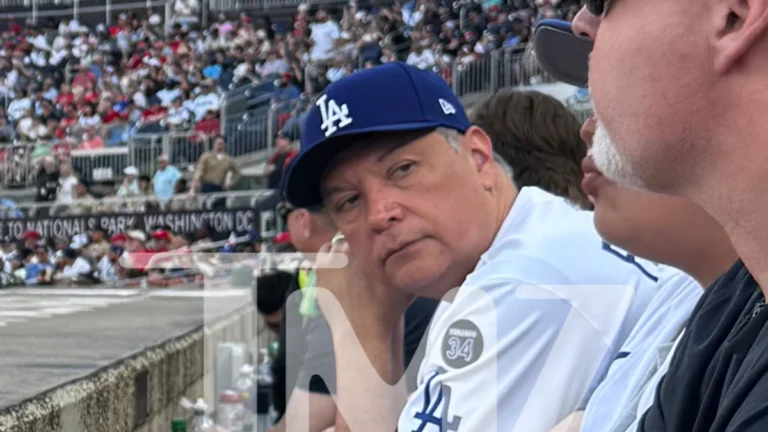
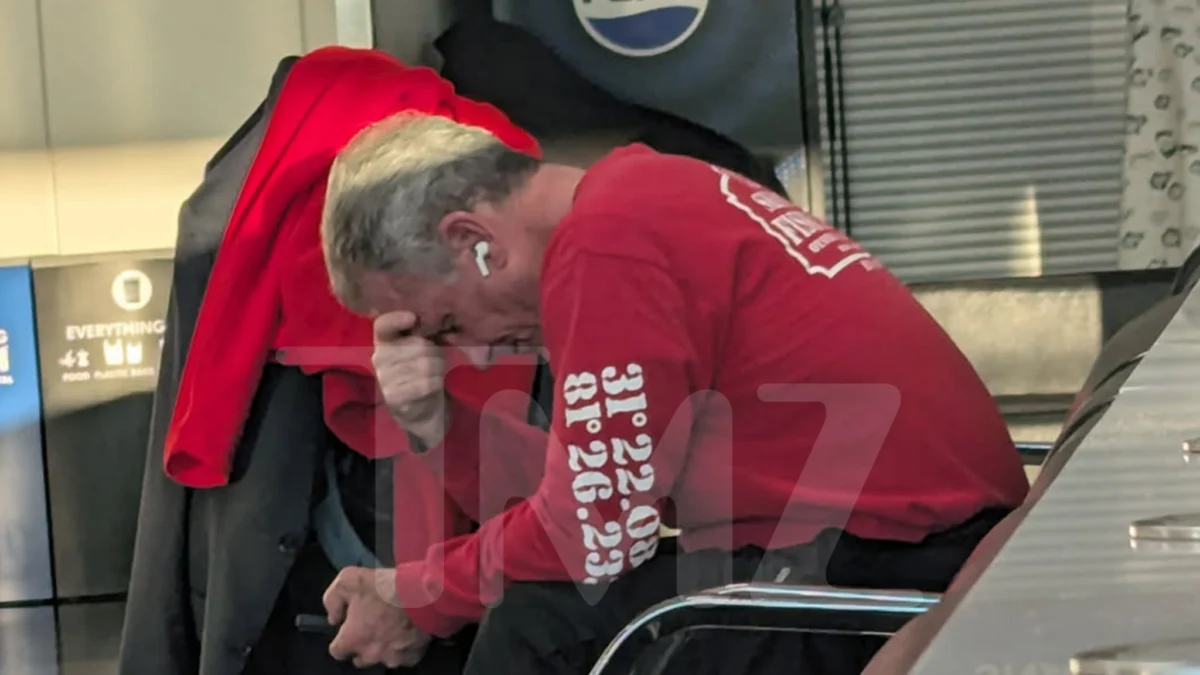
The detailed account provided by Carter’s representative painted a picture of a devoted grandfather determined to be present for a significant family event. Congressman Carter flew to Charlottesville, Virginia, on Saturday, March 29, 2026, specifically to attend his grandson’s baseball game. The young athlete’s team secured a decisive 13-5 victory against their opponents in the season opener, a moment of triumph for the family amidst national political turmoil. Following the game, Carter was observed at Virginia’s Charlottesville-Albemarle Airport, engaged in phone calls while awaiting a connecting flight to North Carolina. From there, he was scheduled to take another flight to Atlanta, marking a considerable travel itinerary for a personal engagement during a period of national legislative paralysis.
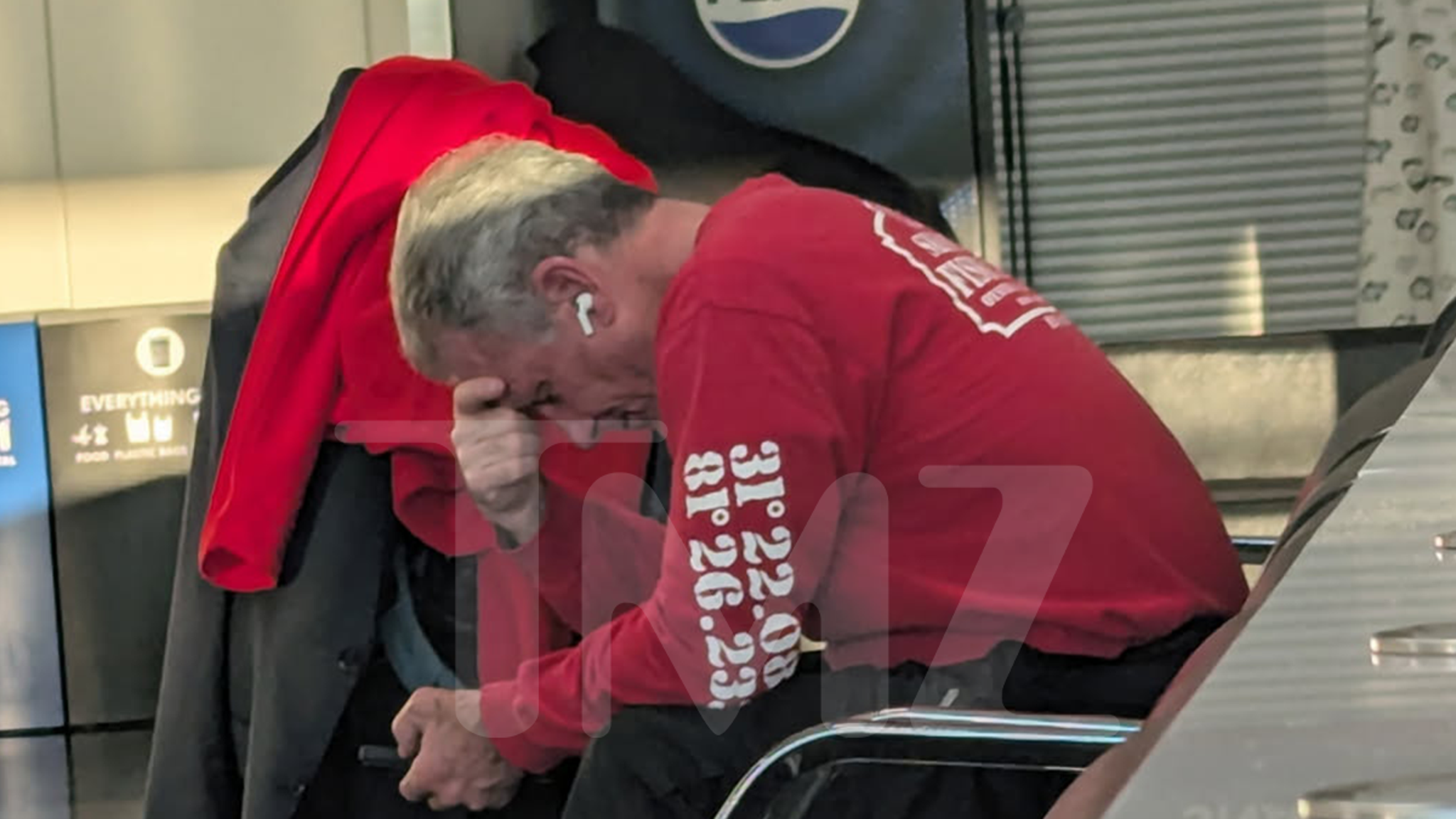
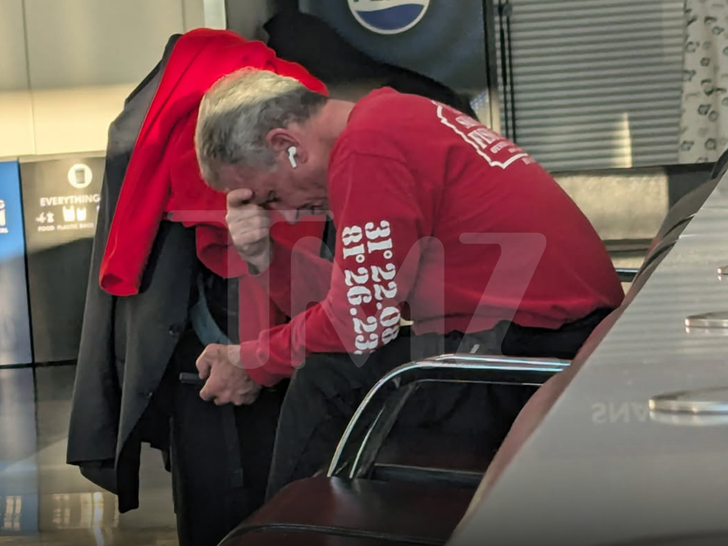
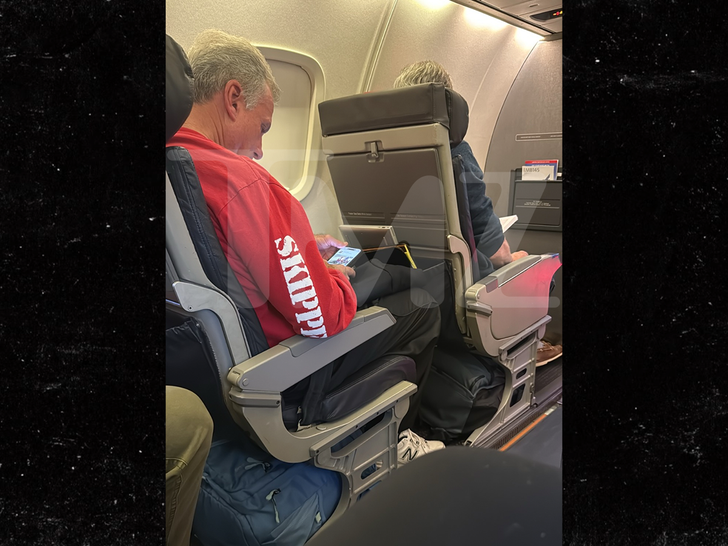
An image captured at the airport depicted Carter seated alone, illustrating a fleeting moment of quiet reflection or work amid his journey. Later, a photograph taken on a subsequent flight showed the Congressman onboard, where a fellow passenger recognized him. The passenger reportedly inquired if Carter was embarking on a vacation during the recess, a question to which the Congressman offered no direct reply, perhaps mindful of the sensitive political climate. This interaction highlights the heightened public awareness and scrutiny faced by elected officials, particularly during periods of national crisis.
The Paralysis in Washington: A Government Shutdown’s Grip
The backdrop to Congressman Carter’s family trip was a severe government shutdown, which, by late March 2026, had extended for more than a month. This fiscal impasse resulted from the failure of the Democratic and Republican parties to agree on a bill that would fund federal operations, leading to a lapse in appropriations. Consequently, hundreds of thousands of federal employees were furloughed or compelled to work without pay, facing immense financial strain.
The timing of the shutdown could not have been more critical for these workers, with essential financial deadlines looming. Rent and car payments were due on April 1st, exacerbating the already dire situation for families struggling with depleted savings and uncertain income. Reports from various federal agencies indicated widespread anxiety among their workforce. For instance, an estimated 800,000 federal employees were directly impacted, with approximately 380,000 furloughed and 420,000 deemed "essential" and required to work without immediate compensation. The cumulative economic impact of such shutdowns is substantial, with analyses from organizations like the Congressional Budget Office (CBO) estimating billions of dollars in lost economic output and significant psychological stress on affected families. Previous shutdowns, such as the 35-day shutdown from late 2018 to early 2019, demonstrated the profound ripple effects on local economies, small businesses reliant on federal contracts, and the delivery of critical public services.
Congressional Recess Amidst Crisis: Optics and Accountability
The decision by Congress to proceed with its scheduled two-week Spring recess while the government remained shut down drew considerable public criticism. Congressional recesses are standard practice, designed to allow members to return to their districts, engage with constituents, and conduct legislative work outside of Washington D.C. However, the optics of lawmakers taking a break while federal workers faced financial ruin created a significant public relations challenge for both parties.
Public opinion polls during such impasses consistently show a sharp decline in approval ratings for Congress. A hypothetical poll conducted in late March 2026 would likely indicate that a majority of Americans viewed the recess as inappropriate, if not irresponsible, given the ongoing crisis. Political analysts frequently highlight that during government shutdowns, the perception of elected officials prioritizing personal time or political maneuvering over effective governance can severely erode public trust in democratic institutions. This sentiment is often amplified by media coverage that juxtaposes images of suffering federal workers with reports of lawmakers on vacation or attending non-essential events. The very essence of public service, which entails a commitment to the welfare of citizens, appears to be contradicted by congressional inaction and perceived indifference during a national emergency.
Congressman Carter’s Stance and Mitigation Efforts
Congressman Carter, a member of the legislative body responsible for ending the shutdown, publicly expressed his dissatisfaction with the situation. His representative confirmed that Carter called the shutdown "inexcusable," a sentiment shared by many across the political spectrum who decry the inability of Congress to reach consensus on fundamental governmental functions.
In a tangible gesture of solidarity with the affected federal employees, Carter announced that he would be donating his pay during the shutdown period to assist those struggling financially. This action, while symbolic in the broader context of a multi-billion dollar federal budget, is often undertaken by individual lawmakers to demonstrate empathy and accountability. During previous shutdowns, other members of Congress have similarly pledged to forgo or donate their salaries, though such actions are typically voluntary and do not directly alleviate the systemic issues causing the shutdown. While commendable, such individual acts highlight the limitations of personal gestures in addressing a large-scale political and economic crisis. The donation of a congressional salary, approximately $174,000 annually, divided by the duration of the shutdown, represents a small fraction of the total economic impact and the cumulative lost wages for federal workers.
TMZ’s Call to Action: Media Scrutiny and Public Engagement
Adding another layer of public scrutiny to the congressional recess, celebrity news outlet TMZ launched an unprecedented call to action. The media organization directly appealed to its audience, urging them to send in photographs of members of Congress vacationing during the shutdown. The directive was broad: "If you’re on a cruise, Disney World, a beach in Hawaii — ANYWHERE — send us pics and we will post them on our website, social media, and our TV shows."
This initiative by TMZ represents a unique blend of celebrity culture and political accountability journalism. While traditionally focused on entertainment news, TMZ’s move underscores a growing trend of public and media demand for transparency and accountability from political figures. The implicit message was clear: if Congress cannot fulfill its primary duty of keeping the government open, the public, aided by media platforms, will hold individual members accountable for their activities during this period of inaction. This form of "citizen journalism" empowers individuals to become direct participants in monitoring their elected officials, using widely accessible technology to document and share observations. Such campaigns, while potentially controversial for their invasive nature, serve to intensify public pressure on lawmakers to resolve the crisis and reinforce the idea that their actions, even during recess, are subject to public judgment. The "if Congress can’t play ball, we can!" tagline cleverly repurposed the baseball metaphor, transforming it into a rallying cry for public oversight.
The "Play Ball" Metaphor: Beyond the Diamond
The article’s recurring metaphor of "playing ball" resonates deeply within the American psyche, especially concerning both sports and politics. On the baseball diamond, "playing ball" signifies adherence to rules, teamwork, and ultimately, a fair contest to achieve a common goal (victory). In the context of Congressman Carter’s grandson, it represents the simple, joyful pursuit of sport and family connection.
However, the political implication is far more somber. The statement, "The Dems and Republicans are unwilling to play ball with each other," encapsulates the profound legislative gridlock plaguing Washington. It speaks to a perceived lack of cooperation, compromise, and adherence to the spirit of democratic governance. When political factions refuse to "play ball," the machinery of government grinds to a halt, leading to consequences like the current shutdown. The contrast between a grandfather’s ability to witness his grandson’s team play cohesively and win, versus the inability of his congressional colleagues to find common ground, highlights a fundamental breakdown in political functionality. This juxtaposition serves as a powerful commentary on the state of contemporary American politics, where ideological divides often seem to supersede the imperative to govern effectively for the welfare of the citizenry.
Broader Implications and The Path Forward
The government shutdown of early 2026, punctuated by events like Congressman Carter’s trip, carried significant broader implications beyond the immediate financial hardship. It highlighted systemic challenges in American governance, including increasingly polarized political parties, difficulties in budget negotiations, and a growing disconnect between the priorities of elected officials and the immediate needs of the populace.
When Congress eventually reconvenes after the recess, the challenge of resolving the shutdown will remain formidable. The entrenched positions that led to the impasse are unlikely to have softened significantly without external pressure or a new willingness for genuine compromise. The political fallout could be substantial, potentially influencing upcoming elections as voters assess which party or individual lawmakers they hold responsible for the disruption and economic distress. Furthermore, repeated shutdowns damage the nation’s reputation, both domestically and internationally, by projecting an image of instability and dysfunction. They can also lead to a brain drain in the federal workforce, as talented individuals seek more reliable employment.
In conclusion, Congressman Buddy Carter’s journey to a grandson’s baseball game during a government shutdown serves as a poignant microcosm of a larger national narrative. It illustrates the human dimension of politics, where personal commitments intersect with public duty, all set against the backdrop of a legislative body struggling to fulfill its most basic responsibilities. The incident, amplified by media scrutiny, underscored the public’s growing demand for accountability and effective governance, challenging lawmakers to truly "play ball" for the sake of the nation.