


A shocking discovery in a bowl of fast-food chili has ignited a bizarre legal and corporate drama, as a Wisconsin woman, Jessica Lipki, finds herself at the center of a high-stakes negotiation with the beloved Blake Junior’s restaurant chain. What began as a seemingly accidental contamination has escalated into a potential blackmail scheme, drawing in the formidable founder of the fast-food empire and a former Marine tasked with uncovering the truth. The incident, which has reportedly inspired the upcoming film "Chili Finger," raises unsettling questions about food safety, corporate accountability, and the lengths individuals will go to in pursuit of financial security.
The Discovery and the Demand
The saga began when Jessica Lipki, a divorce attorney struggling with the financial and emotional weight of her daughter leaving for college, encountered an unthinkable item in her meal at Blake Junior’s. The presence of a severed human finger in her chili was not just a culinary misstep; for Lipki, it represented an unexpected opportunity. In a life that felt stagnant, this grisly discovery offered a chance to seize control and alleviate her financial anxieties.
Lipki, recognizing the potential for a substantial settlement, allegedly leveraged the incident to extort $100,000 from Blake Junior’s. The proposal was clear: silence in exchange for a significant sum, intended to provide relief for her and her husband, Ron. This act, born from a desire to escape her current circumstances, inadvertently set in motion a much larger and more complex chain of events.
The Blake Junior’s Empire and Its Founder
Blake Junior’s, a regionally beloved fast-food chain, has built its reputation on a foundation of accessible, family-friendly dining. The brand’s consistent presence and perceived reliability have made it a staple for many communities. The founder, known only as "Blake Junior," is described as a plutocratic figure, the architect of this culinary empire. The discovery of a human appendage in his product was not merely a public relations crisis; it was a direct challenge to the integrity of his brand and the trust he had cultivated with his customer base.
The Investigation Commences
Unbeknownst to Jessica Lipki, her calculated move had attracted the attention of Blake Junior himself. The founder, unwilling to let such an incident slide without a thorough understanding of its origins, initiated a discreet investigation. For this sensitive task, he turned to a trusted confidant: his ex-Marine buddy, Dave. This decision signals Blake Junior’s intent to approach the situation with a level of thoroughness and discretion that goes beyond typical corporate damage control. Dave’s mission was to delve into the specifics of Lipki’s claim, aiming to uncover the veracity of her story and the circumstances surrounding the finger’s appearance in the chili.
"Chili Finger": A Cinematic Interpretation
The unfolding drama has reportedly inspired "Chili Finger," a film by Edd Benda and Stephen Helstad, scheduled for release in 2026. The film’s opening disclaimer, "Some of the events depicted in this film actually happened. The rest did not," immediately signals a departure from strict factual reporting, suggesting a narrative that embraces creative license and comedic exaggeration.
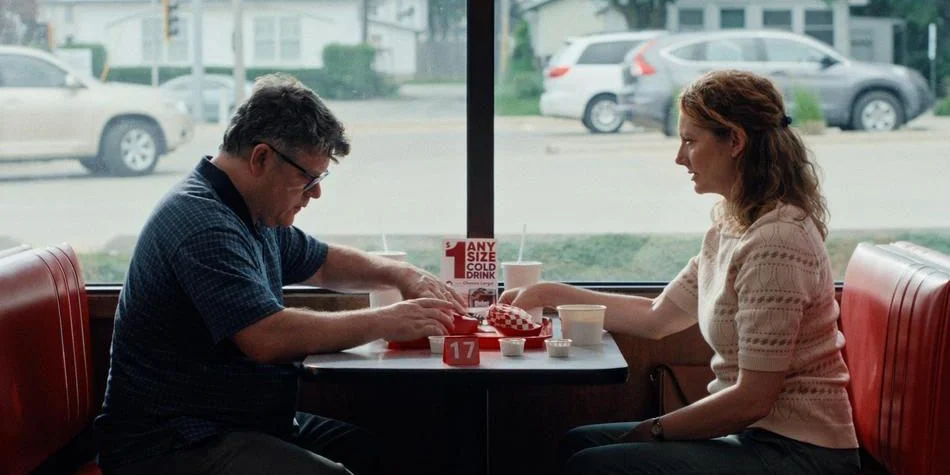
The film’s premise, as described, aligns with the core elements of the real-life incident: Jessica Lipki (portrayed by Judy Greer) finding a finger in her Blake Junior’s chili and seeking a cash settlement. However, the narrative quickly veers into what is described as a "Coen Brothers-aping chucklefest," characterized by a "wacky cast of beloved character actors playing over-the-top caricatures." This suggests that while the initial spark of the story might be grounded in reality, the subsequent events are likely embellished for comedic effect, focusing on "strong human idiocy."
The Opening Sequence: Setting the Tone
The film’s opening sequence, depicting a beer bottling factory worker losing a finger in the machinery while retrieving a dropped vape, serves as a deliberate signal of the film’s intended tone. This scene, backed by a "blissfully odd yodeling-based score," establishes a narrative that is "well-edited, slightly offbeat, wacky comedy sprinkled with some cartoon violence." This approach, while entertaining, suggests a deliberate move away from realism towards a more heightened, almost surreal, comedic landscape. The review notes that as the film progresses, it becomes "more and more over-the-top and farther away from the humanity at its center, becoming a live-action cartoon that entertains, but also feels a bit empty."
Performances: Anchoring the Absurdity
Despite the film’s descent into broad comedy, the performances of Judy Greer as Jessica Lipki and Sean Astin as her husband, Ron, are highlighted as anchors of genuine humanity. Greer’s portrayal is lauded for its "razor-sharp" comic timing and "bone-deep weariness," which grounds her character amidst the unfolding chaos. Jessica’s motivations are presented as stemming from a genuine desire for control and relief from her mundane life, her legal background informing her approach to the situation.
Ron Lipki, played by Sean Astin, is described as a "stalwart forthrightness" and a "strong moral center." His character’s unwavering commitment to continuing his patronage of Blake Junior’s, even after the settlement, provides a touch of relatable absurdity and endearing simplicity. His good-natured fixation on the restaurant chain offers a surprising comedic element that resonates with the audience. The review suggests that both Greer and Astin are given "strong dramatic material to work with in addition to the comedy," allowing for a level of subtlety that contrasts with the film’s otherwise broad strokes.
Supporting Cast and Tonal Shifts
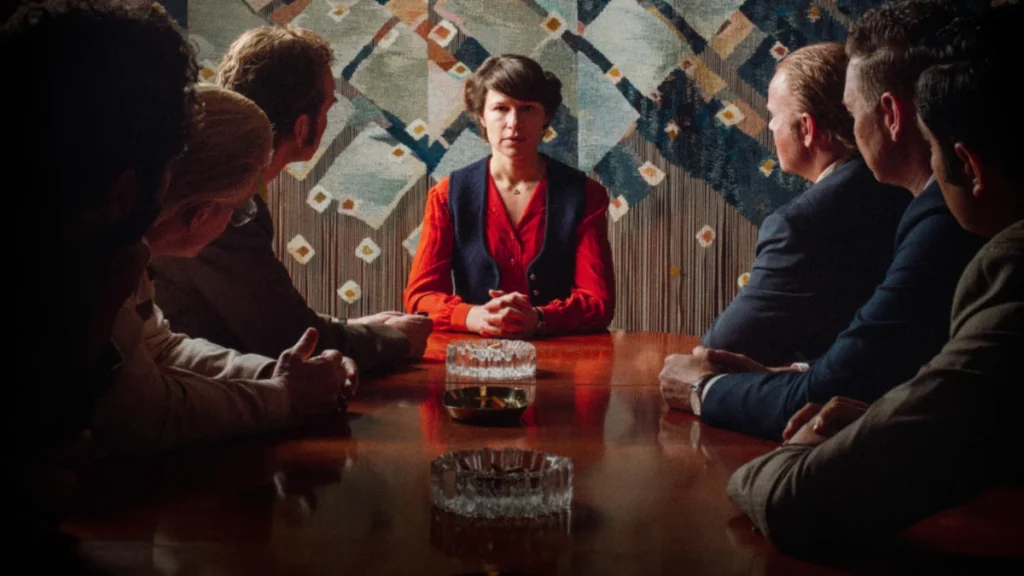
The ensemble cast, including notable actors like John Goodman and Bryan Cranston, is recognized for their commitment to the film’s "wacky tone." John Goodman, as the CEO of Blake Junior’s, delivers a performance that leverages his comedic prowess, his facial expressions reportedly being a source of amusement. His character’s initial acceptance of the settlement for his daughter’s decision is contrasted with his personal offense at the chili incident, leading him to enlist his friend, Bryan Cranston.
Bryan Cranston, portraying Blake Junior’s ex-Marine friend Dave, is said to be "obviously having a blast amusing himself." However, the review notes a "tonal shift in his performance for a dramatic scene late in the film" that feels "out of place," mirroring a similar observation about Paul Stanko’s character, the individual whose finger is purportedly found in the chili. Stanko’s transition from a "comic bumbler" to a "deeply serious turn" in the final act is also cited as a point of tonal dissonance.
The Nature of the Humor and Narrative Trajectory
The humor in "Chili Finger" is characterized as stemming from "hilarious lines of dialogue" and the cast’s "abandon." The film’s comedic style is described as working "in spurts," but the relentless "over-the-top tone" can become "exhausting" over its 100-minute runtime, particularly as the "plot spirals out of control in the film’s third act." The review concludes that the film will appeal to those who enjoy this particular brand of humor, while others might find it "grating." Nevertheless, Judy Greer’s performance is singled out as a reason to watch, regardless of one’s overall reception to the film’s comedic approach.
Broader Implications and Industry Context
The real-life incident, if it indeed mirrors the film’s inspiration, touches upon several critical issues relevant to the food industry and consumer rights. Food safety regulations are paramount in preventing such contamination, and the discovery of a foreign object like a human finger highlights potential failures in production or handling processes. The ensuing legal and financial ramifications underscore the importance of robust quality control measures and transparent recall protocols for fast-food corporations.
Furthermore, the alleged blackmail scenario, while likely amplified for cinematic purposes, brings to light the complex relationship between consumers and large corporations. Consumers often feel powerless against the vast resources of multinational companies, and incidents of alleged negligence can lead to a desire for significant compensation. The swift involvement of the founder and a private investigator suggests a high level of concern from Blake Junior’s leadership, aiming to control the narrative and mitigate reputational damage.
The fact that this event has been deemed worthy of a cinematic adaptation speaks to its inherent drama and potential for public fascination. The story taps into a primal fear of the unknown lurking in our food, combined with the human element of financial desperation and corporate power plays. The film’s blend of reported reality and exaggerated fiction serves as a stark reminder of how real-world events can be transformed into compelling narratives, blurring the lines between fact and entertainment. The ongoing investigation by Dave, as portrayed in the film’s setup, promises to unravel the complexities of this bizarre incident, offering a comedic, albeit potentially exaggerated, exploration of truth and consequence within the fast-food industry.