


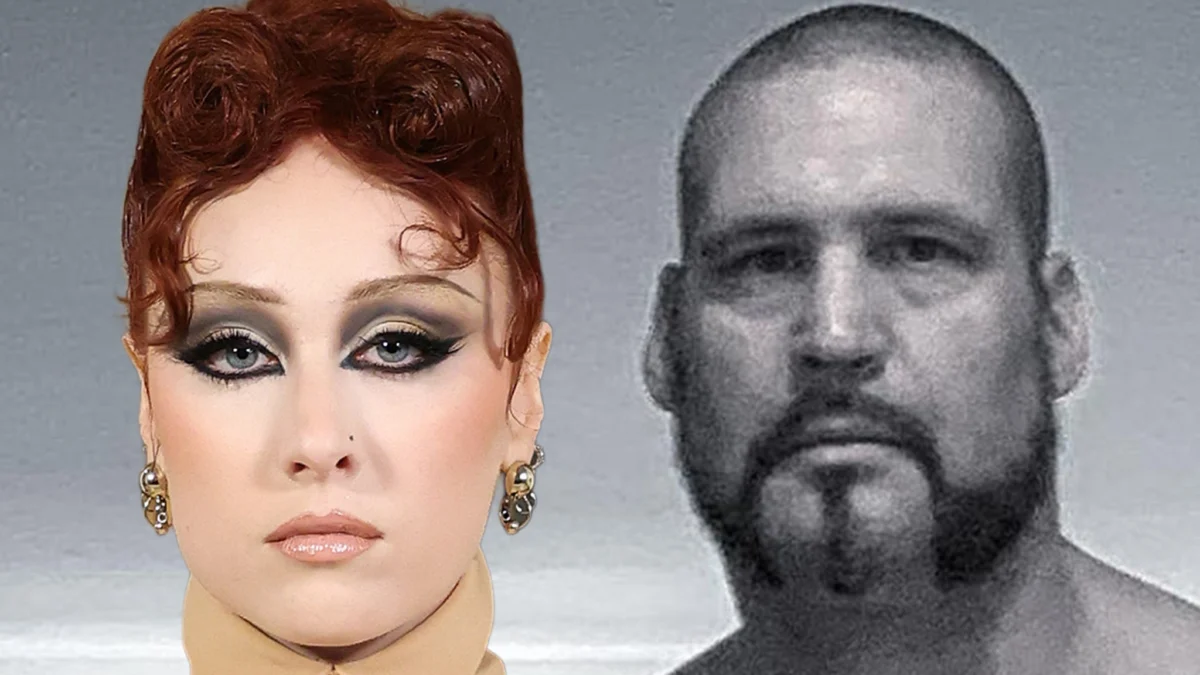
In a development that has sent ripples through the entertainment world, Pascal Duvier, a prominent security professional known for his work with high-profile celebrities, has publicly acknowledged his role in an incident that left Jude Law’s 11-year-old daughter in tears within a Brazilian hotel lobby. The admission, made on March 25, 2026, corroborates previous statements from pop sensation Chappell Roan, who had vehemently denied that the security personnel involved were part of her personal team. This candid confession from Duvier aims to clarify the circumstances surrounding the distressing encounter and absolve Roan of direct responsibility, yet it underscores the complex dynamics of celebrity privacy, fan interactions, and the often-unseen pressures faced by security personnel.
The incident, first brought to public attention by Brazilian soccer legend Jorginho Frello, the child’s stepfather, ignited a swift and passionate debate across social media platforms and traditional news outlets. Frello had publicly chastised Chappell Roan, claiming that a security guard associated with her had harshly reprimanded his stepdaughter and her mother as the child innocently glanced at Roan’s breakfast table. This initial accusation painted a picture of celebrity aloofness and excessive security, prompting immediate concern and criticism directed at Roan, who was in Brazil for a series of high-profile appearances, including a music festival.
The Incident Unfolds: A Chronology of Events
The controversy began to brew several days prior to Duvier’s public statement. According to initial reports and Jorginho Frello’s account, the incident occurred at a luxury hotel in Brazil where both Chappell Roan and Frello’s family were staying. The exact date has not been precisely disclosed, but it is understood to have taken place shortly before Frello’s public outcry. Frello, known for his distinguished career with clubs like Chelsea and Arsenal, and as a pivotal player for the Italian national team, expressed his outrage on social media, detailing how his stepdaughter was left traumatized after a seemingly innocuous moment of curiosity turned into a stern admonishment from a security guard.
Frello’s post quickly gained traction, leveraging his considerable public platform to draw attention to the alleged mistreatment of a child. He described the encounter as disproportionate and insensitive, asserting that his daughter, who shares a familial connection with acclaimed actor Jude Law, was simply looking in the direction of Roan, a rising star in the pop music scene. The implication was that Roan’s security, or an individual perceived to be her security, had acted with unwarranted aggression, leading to the child’s distress.
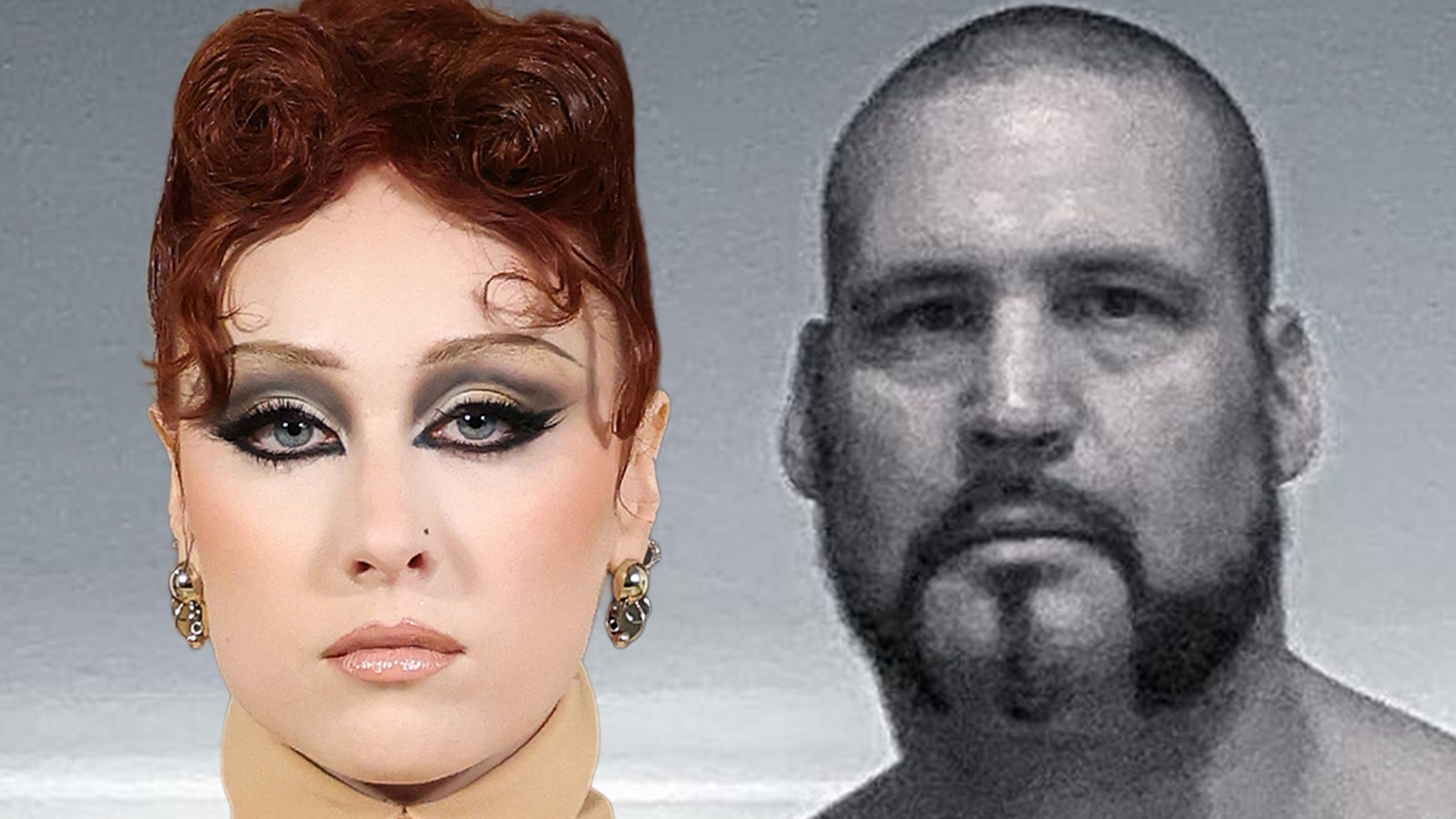
In the immediate aftermath of Frello’s viral complaint, Chappell Roan herself issued a public apology, expressing regret for the situation but crucially clarifying that the security guard in question was not affiliated with her personal team. Her statement, released on March 22, 2026, aimed to distance herself from the specific actions of the guard while still acknowledging the unfortunate outcome. Roan’s apology was seen by many as a prompt and responsible move to address the controversy, though questions lingered about the identity and affiliation of the security personnel involved. The ambiguity surrounding the guard’s employer only intensified public speculation and the media’s pursuit of further details.
Pascal Duvier Breaks His Silence: Taking Full Responsibility
On March 25, 2026, the mystery surrounding the identity of the bodyguard was resolved when Pascal Duvier stepped forward to claim responsibility. Duvier, a figure with a considerable reputation in celebrity security, having previously worked with luminaries such as Kim Kardashian West and Beyoncé, issued a comprehensive statement. His admission was not only an act of accountability but also a detailed explanation of the circumstances that led to the regrettable incident.
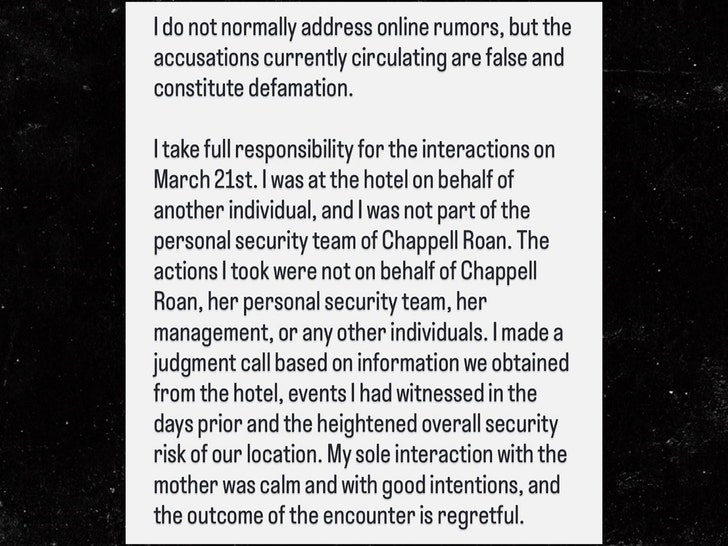
"I take full responsibility for the interactions," Duvier stated. "I was at the hotel on behalf of another individual, and I was not part of the personal security team of Chappell Roan. The actions I took were not on behalf of Chappell Roan, her personal security team, her management, or any other individuals." This part of his statement unequivocally supported Roan’s earlier claims, effectively clearing her name from direct culpability for the guard’s actions. It confirmed that the interaction was a product of a third-party security arrangement, a common but often convoluted aspect of high-stakes celebrity events and travel.
Duvier further elaborated on his decision-making process, explaining the context that informed his judgment call. "I made a judgment call based on information we obtained from the hotel, events I had witnessed in the days prior and the heightened overall security risk of our location," he explained. This crucial detail suggests that Duvier’s actions were not arbitrary but were influenced by a perceived threat assessment, possibly related to the security needs of his actual client or the general environment of the hotel, which was likely bustling with celebrities and their entourages given Roan’s presence. He emphasized that his "sole interaction with the mother was calm and with good intentions, and the outcome of the encounter is regretful." This indicates that while the interaction might have been perceived as harsh by the child and her mother, Duvier believed he was acting within his professional mandate to manage a perceived security risk, even if the result was unintended distress. His expression of regret suggests an understanding of the impact of his actions, despite his professional rationale.
The Broader Context of Celebrity Security and Privacy
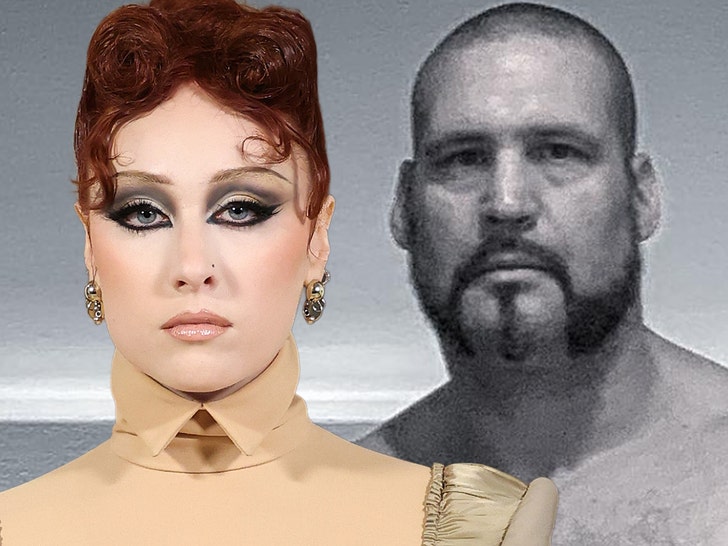
The incident involving Chappell Roan, Jude Law’s daughter, and Pascal Duvier casts a spotlight on the often-strained relationship between celebrity privacy, public accessibility, and the intense demands placed upon security personnel. In an age of pervasive social media and constant public scrutiny, celebrities like Chappell Roan, whose star has been rapidly ascending, face unprecedented challenges in maintaining personal space. Roan, known for her vibrant stage presence and connection with her fan base, embodies a new generation of pop artists who often cultivate an image of approachability. However, this image can conflict sharply with the realities of personal safety and the protocols required for high-profile individuals, especially when traveling internationally.
Security details for celebrities are complex operations, often involving a mix of in-house teams, contracted specialists, and local security providers. The lines of responsibility can become blurred, particularly in dynamic environments like busy hotels during major events. Bodyguards like Pascal Duvier are trained to anticipate and neutralize potential threats, which can range from overzealous fans and paparazzi to more serious security risks. Their job requires constant vigilance and often involves making split-second decisions based on incomplete information or perceived risks. The “judgment call” Duvier referred to highlights this inherent pressure. What might appear as an innocent glance from a child could, in a heightened security context, be misconstrued or be part of a larger pattern of behavior that security personnel are trained to identify and mitigate.
The presence of celebrity children further complicates these security considerations. While adults in the public eye often accept a certain loss of privacy, their children are typically afforded a higher degree of protection from media intrusion and public interaction. This makes incidents involving celebrity offspring particularly sensitive. The emotional impact on an 11-year-old, as evidenced by Law’s daughter crying, is a significant factor that security protocols must ideally balance with the need for protection.
Reactions and Public Discourse: Navigating the Aftermath
The public reaction to the incident has been multifaceted. Initially, much of the criticism was directed at Chappell Roan, fuelled by Jorginho Frello’s public accusation. Fans and critics alike debated the appropriateness of celebrity security measures and the perceived arrogance of some public figures. However, following Roan’s swift apology and especially Duvier’s full admission, the narrative began to shift.
Roan’s fan base, known for its fierce loyalty, rallied behind her, emphasizing her consistent track record of positive fan engagement and empathetic public persona. Her apology, coupled with Duvier’s confirmation that he was not her employee, largely succeeded in rehabilitating her image in the eyes of many who had initially been critical. This demonstrates the power of timely and transparent communication in managing celebrity crises.
The incident also sparked a broader discussion about the ethical boundaries of celebrity protection. While the necessity of security is rarely questioned, the manner in which it is implemented often is. The incident serves as a cautionary tale for security firms and celebrity management teams, highlighting the importance of clear communication, defined boundaries, and sensitivity training for personnel who interact with the public, especially in family-friendly environments. It also reinforces the idea that the actions of third-party contractors can still reflect on the celebrities they are ostensibly protecting, regardless of direct employment.
Implications for Public Image and Industry Practices
For Chappell Roan, the incident, while regrettable, appears to have been largely navigated without lasting damage to her burgeoning career. Her prompt and empathetic response, coupled with the clear exoneration by Duvier, reinforced her public image as a conscientious and relatable artist. This situation highlights the importance for celebrities to have robust communication strategies in place for managing unexpected controversies.
For the security industry, the incident may lead to a re-evaluation of protocols, particularly concerning the interaction between security personnel and the general public in shared spaces like hotels. The need for security to be effective without being overly aggressive, especially when children are involved, is a delicate balance. Training programs for celebrity bodyguards might increasingly focus on de-escalation techniques and empathetic engagement, alongside traditional threat assessment. Furthermore, the incident underscores the critical importance of clear contractual agreements between celebrities, their management, and third-party security providers, explicitly defining roles, responsibilities, and codes of conduct.
The episode also subtly reinforces the challenges faced by celebrity families in maintaining a semblance of normal life. Children of famous parents often find themselves inadvertently thrust into the public eye, subjected to levels of scrutiny and security typically reserved for adults. This incident serves as a poignant reminder of their vulnerability and the ongoing need for discretion and respect for their privacy.
In conclusion, Pascal Duvier’s admission marks a definitive end to the immediate mystery surrounding the hotel incident in Brazil. While it has clarified Chappell Roan’s non-involvement, it has simultaneously ignited important conversations about the nuances of celebrity security, the public’s expectations of famous figures, and the inherent challenges in balancing protection with public relations in an increasingly interconnected world. The incident, while unfortunate for all parties involved, particularly the young girl, offers valuable lessons for the entertainment industry and security professionals alike.