


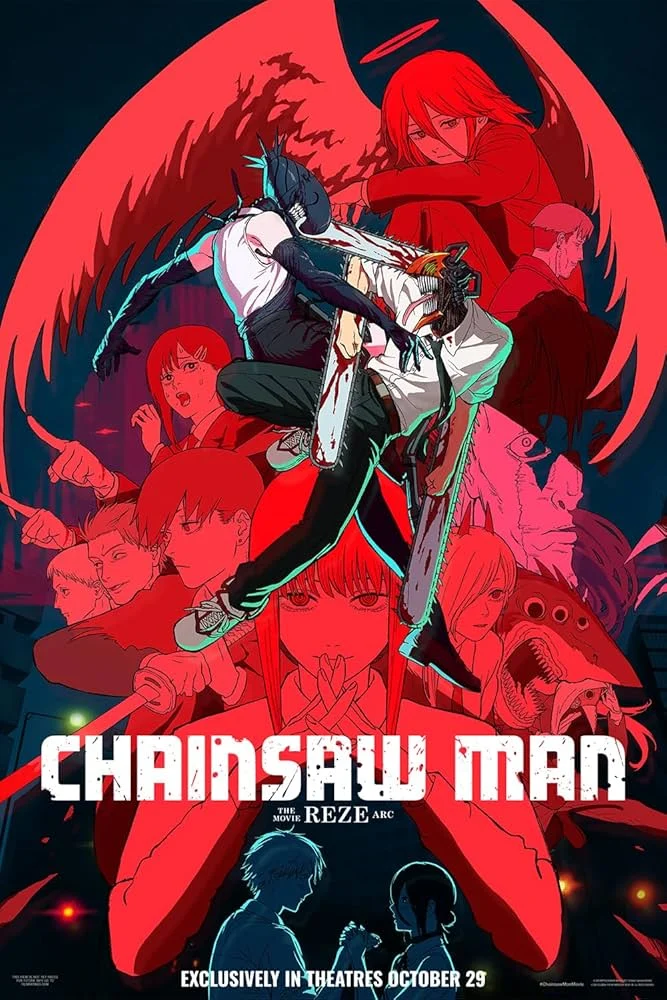
The highly anticipated cinematic adaptation, Chainsaw Man The Movie: Reze Arc, has not only met but significantly exceeded expectations since its September 2025 release, solidifying its position as a major force in the global entertainment landscape. As of December 2025, the film has achieved a staggering worldwide gross of over $174.7 million, marking it as one of the most financially successful Japanese productions in recent history. This remarkable figure underscores the immense popularity and cultural impact of the Chainsaw Man franchise, which has consistently defied genre conventions and captivated a mature audience with its unique blend of visceral action, dark humor, and complex thematic explorations.
In an industry often dominated by sequels and established franchises, Chainsaw Man has consistently stood out for its originality. The source material, penned by Tatsuki Fujimoto, is celebrated for its raw, unflinching portrayal of societal anxieties, existential dread, and the often-brutal realities of human connection, themes that resonate deeply with a demographic seeking more substantial narratives within the action anime sphere. The transition to a feature film format for the "Reze Arc" was a natural progression, capitalizing on the fervor generated by the critically acclaimed television series. This cinematic endeavor, much like successful anime film adaptations before it, aims to elevate the existing narrative with heightened production values, offering an expanded and more immersive viewing experience that appeals to both long-time fans and newcomers alike.
A Deep Dive into the "Reze Arc" Narrative
Chainsaw Man The Movie: Reze Arc picks up directly following the events of the anime series, thrusting viewers back into the chaotic world of devil hunting alongside the enigmatic Denji. Under the pervasive influence of Makima, Denji continues his perilous duties, navigating a life marked by extreme violence and emotional immaturity. Despite his outwardly hardened demeanor, Denji grapples with a burgeoning emotional landscape, caught between his complex and often manipulative relationship with Makima and a deep-seated yearning for genuine connection and normalcy.
This internal conflict takes a significant turn with the introduction of Reze, a seemingly innocuous and charming young woman working at a local cafe. Her warmth and direct attention quickly draw Denji in, offering a tantalizing glimpse of a life beyond the constant threat of death and exploitation. Their burgeoning relationship, characterized by Reze’s open flirtation and casual demeanor, ignites Denji’s hope for a different existence, one free from the brutality that has defined his past. However, this fragile romance serves as a deceptive facade for a far more perilous reality. As external forces converge and hidden agendas surface, Reze’s true nature is revealed, transforming their tentative bond into a desperate and violent confrontation. The narrative skillfully evolves from a poignant exploration of escapism to a breathtaking display of power, loyalty, and betrayal, forcing Denji to confront not only formidable adversaries but also the labyrinth of his own desires and emotional turmoil.
Parallel to Denji’s personal struggles, the story also weaves in the arc of fellow devil hunter Aki Hayakawa. Assigned the Angel Devil as his new partner, Aki finds himself burdened by the devil’s ability to shorten mortal lifespans with a mere touch. The Angel Devil’s apathetic and detached demeanor quickly becomes a source of friction for Aki, adding another layer of tension and complexity to the ongoing conflict.
The Cinematic Progression: Pacing and Spectacle
The film’s initial pacing allows for a deliberate build-up, featuring scenes such as a movie marathon attended by Makima and Denji, which subtly deepens their unsettling dynamic. The arrival of Reze injects a significant surge in tempo, with the narrative sharply focusing on Denji’s internal state and the crucial choices he is compelled to make regarding his future. The revelation of Reze’s deceitful intentions, particularly after the explosive events at the school that showcase her formidable power, plunges Denji into an almost insurmountable predicament.
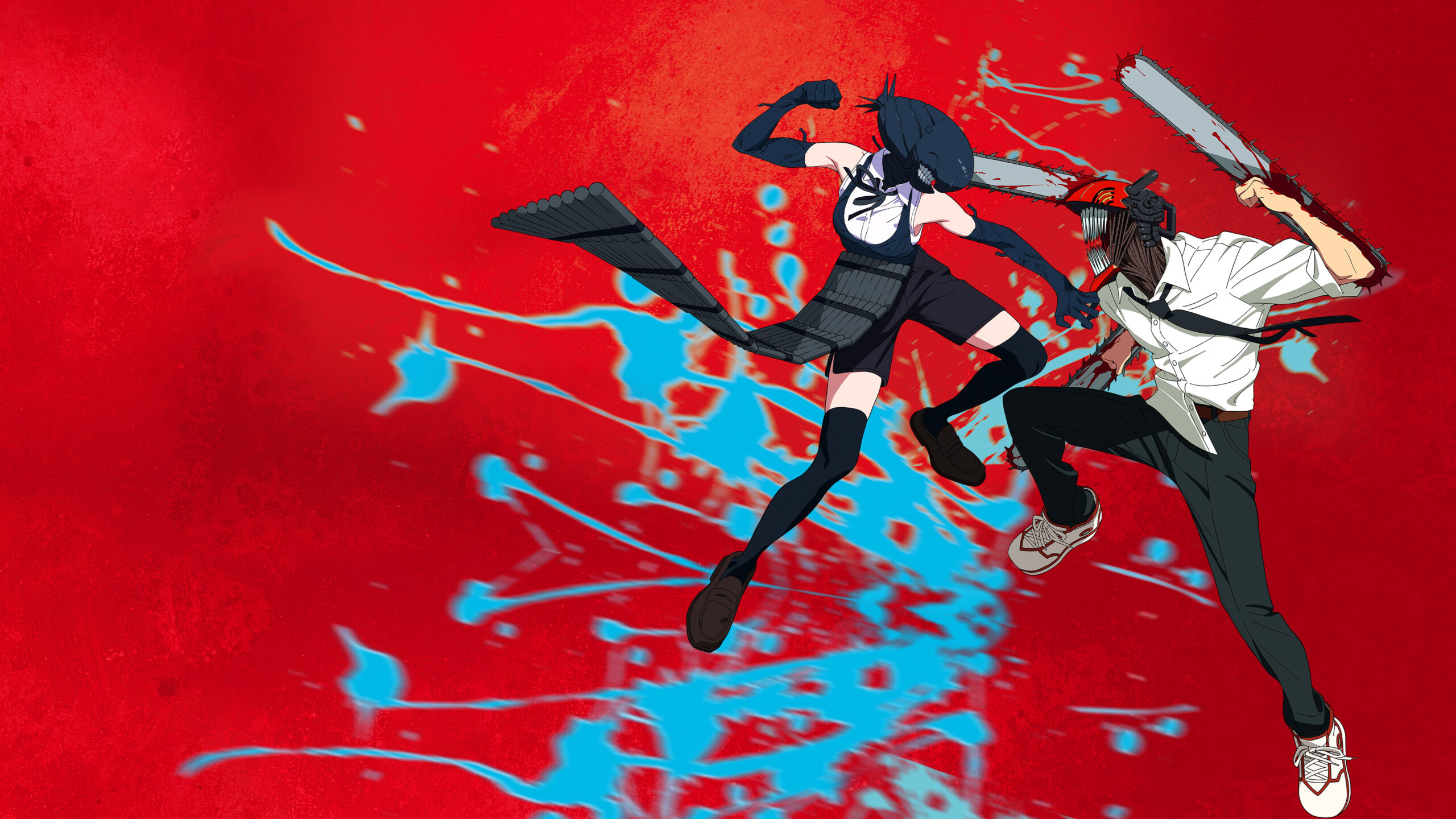
From this point forward, the film transitions into a frenetic, action-packed spectacle. The introduction of the fanatical Shark Devil, Beam, as Denji’s new devil partner, injects a crucial element of dark humor, particularly through his fervent adoration of Chainsaw Man. The city itself transforms into a battleground, erupting in a cascade of explosions and bloodshed as the Public Safety devil hunters engage Reze in a devastating conflict that results in a significant and impactful body count. The animation, a hallmark of Studio MAPPA, is nothing short of breathtaking. The fluidity of movement, the relentless barrage of explosions, and the intricate transformations are rendered with astonishing detail, creating a visual feast that elevates the cinematic experience.
Visual Storytelling and Thematic Resonance
Beyond the kinetic action, the film masterfully integrates sensual and thematic elements. Reze’s character is a prime example, exuding a potent blend of allure, paranoia, and lethal danger throughout her appearances. Her combat sequences, often depicted in minimal attire, underscore a complex portrayal of femininity intertwined with immense destructive power. Kazutaka Sugiyama’s character designs are instrumental in conveying these nuances, with the visual imagination becoming increasingly unrestrained as the narrative progresses. Elements such as the surreal shark-riding sequences, the visceral depictions of massacres, and the unsettling presence of the Angel Devil contribute to a striking and unforgettable audiovisual tapestry.
Critical Reception and Broader Implications
While the film’s ending initially explores more conventional dramatic resolutions, particularly concerning Reze’s backstory, some viewers and critics have noted a sense of rushed pacing or a slight disconnect in these moments. However, in true Chainsaw Man fashion, this tonal shift is fleeting, with the finale ultimately delivering a fitting, satisfying, and intensely dramatic conclusion that aligns with the franchise’s established ethos.
Chainsaw Man The Movie: Reze Arc is widely regarded as an exceptional piece of cinema, successfully expanding upon the series’ already eccentric ideas and distinctive aesthetic. It stands as one of the most accomplished entries in the action-adventure anime film category, demonstrating a profound understanding of its source material and a commitment to delivering a mature, thought-provoking, and exhilarating cinematic experience. The film’s financial success and critical acclaim have significant implications for the future of anime adaptations, signaling a growing appetite for bold, original narratives that cater to a discerning adult audience. This success could pave the way for further ambitious projects that push the boundaries of storytelling within the medium, encouraging studios to invest in unique IPs and explore complex themes with greater artistic freedom. The Chainsaw Man franchise, through this cinematic triumph, has not only cemented its legacy but also set a new benchmark for what anime films can achieve both artistically and commercially.